

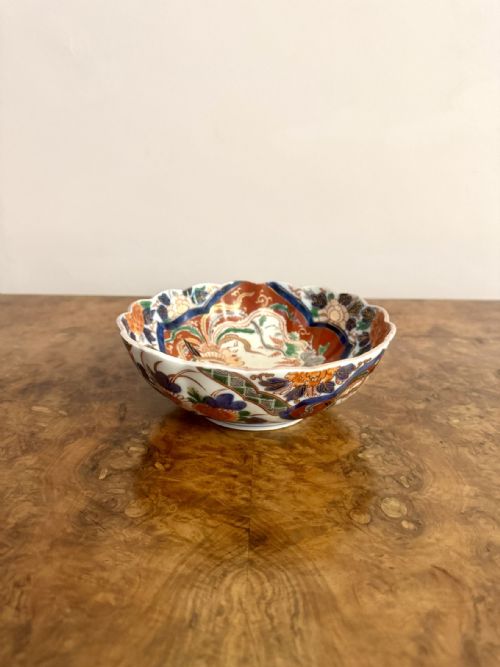
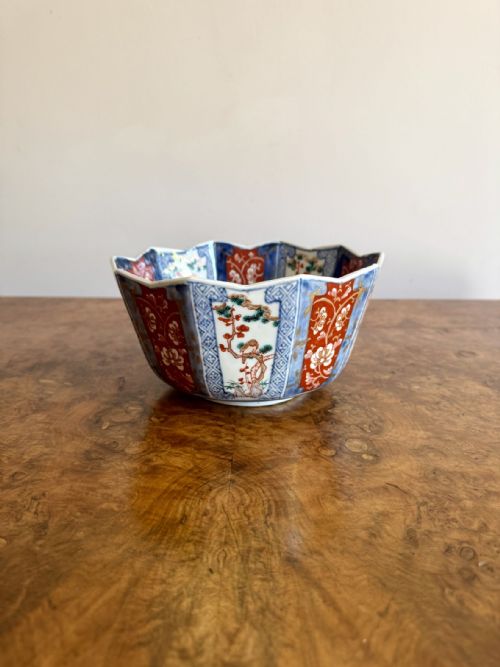

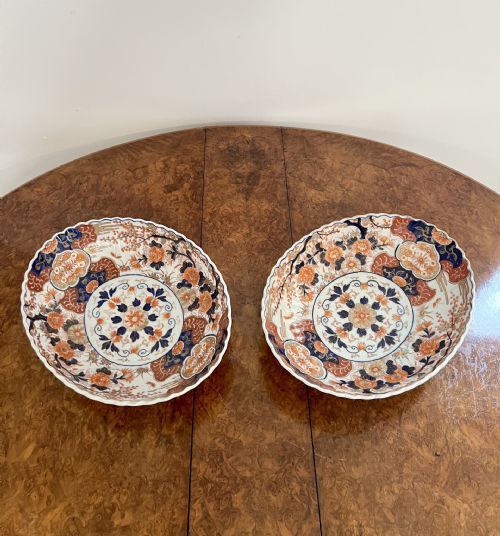


Edo Period Imari Bowl
An edo period imari bowl brings the vibrant palette and porcelain mastery of historical Japan directly into your home.
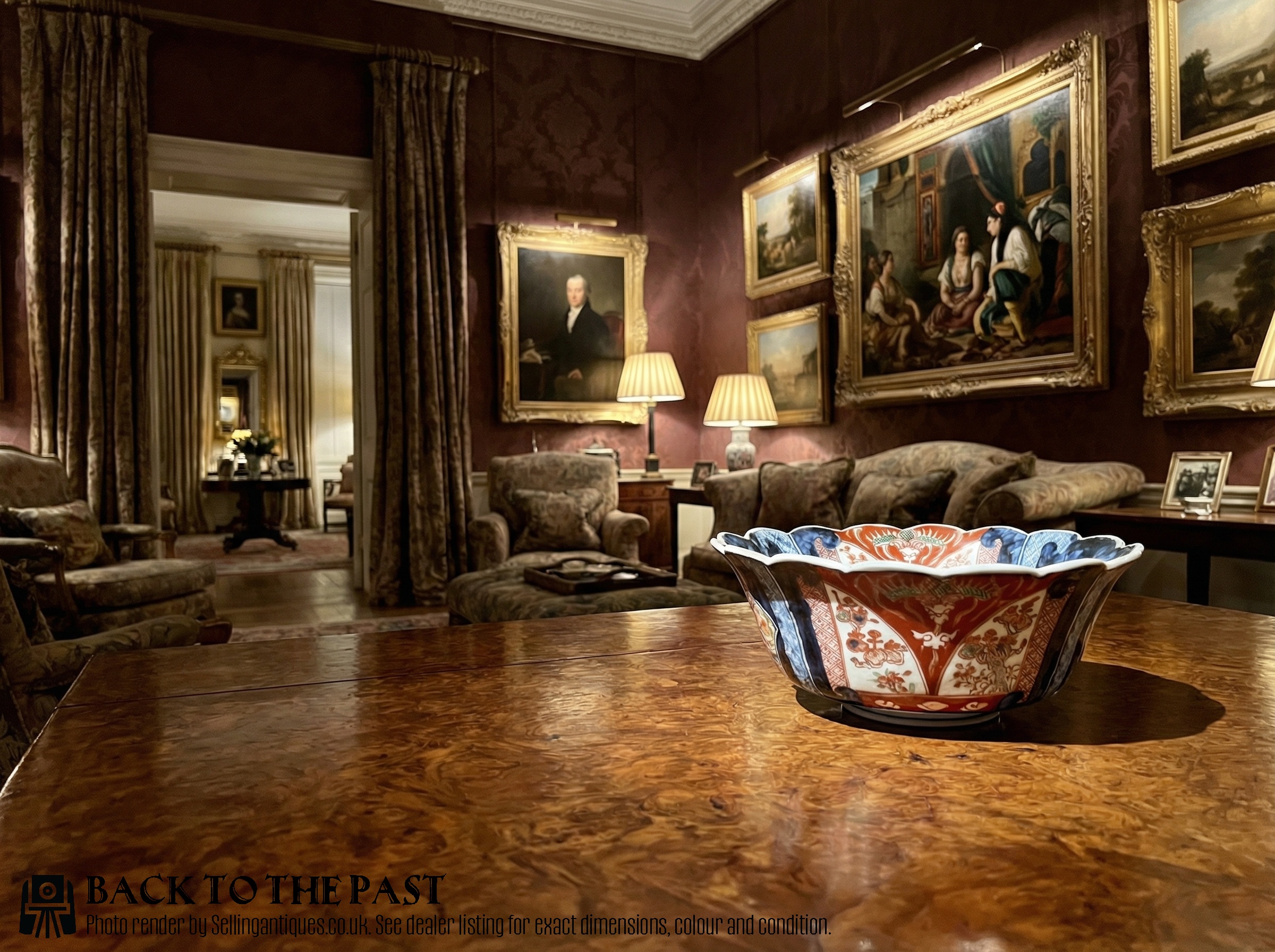
Edo Period Imari Bowl
An edo period imari bowl represents a distinct tradition of Japanese porcelain making that spans several centuries of careful craftsmanship. When you search for an edo period imari bowl, you encounter forms ranging from traditional circular vessels to scalloped edges, hexagonal shapes, and specialised pieces like barbers bowls and lidded jars.
The pieces available on this page stretch from the late seventeenth century through the eighteenth and nineteenth centuries into later nineteenth-century interpretations. Collectors meet both grand arita arita jardinieres and intimate decorative dishes, each displaying the characteristic visual weight of these historic ceramics.

How they were made
Potters shaped these vessels from fine ceramic porcelain, applying cobalt underglaze to create the foundational blue designs before firing the pieces. Artisans then enriched the surfaces with enamel colours, gold leaf, and gilding to achieve the rich decorative finish associated with the imari palette.
The firing and glazing techniques required precise temperature control in kilns located in regions such as arita and hizen. Skilled hands applied intricate motifs directly onto the porcelain body, ensuring the enamel and glaze bonded permanently during subsequent firings.
Some seventeenth-century bowls feature clever cutouts designed to catch stray shaving lather rather than soup.
What varies in quality
The distinction between standard examples and top-tier pieces lies in the crispness of the cobalt underglaze painting and the generosity of the gold leaf application. Finer bowls display superior control over the enamel palette, resulting in harmonious colour balance and sharply defined decorative motifs.
Structural complexity also separates ordinary domestic wares from exceptional pieces, such as those featuring challenging hexagonal forms, tripod bases, or intricate scallop-shaped edges. The precision of the porcelain potting and the preservation of delicate surface gilding determine the overall standing of an individual vessel.
The Edo Period Imari Bowl Glossary
- Arita
- The Japanese town and surrounding region in Hizen province where the production of porcelain first began in the seventeenth century. Many pieces in this tradition originate from these kilns.
- Cobalt underglaze
- A blue pigment applied to the raw porcelain body beneath the transparent glaze before firing. This technique ensures the colour remains permanent and protected.
- Barbers bowl
- A specialised ceramic dish featuring a semicircular cutout on the rim, historically used for shaving services. These functional forms are now collected as decorative items.
Edo Period Imari Bowl: Frequently Asked Questions
How are imari bowls identified?
Identification relies on observing the characteristic combination of cobalt blue underglaze, iron red enamel, and gold leaf highlights. The weight and texture of the porcelain provide further clues regarding age and origin.
Examining the style of the brushwork and the form of the vessel helps distinguish pieces made during the edo period from later reproductions.
What is a barbers bowl?
A barbers bowl is a specialised ceramic vessel featuring a curved indentation on the rim designed to fit snugly against a customer's neck. These items were used historically during shaving routines.
Today, collectors value these unusual forms for their distinct shape and the rich imari decoration covering their surfaces.
Where were these bowls made?
These pieces were produced primarily in the kilns around Arita in the Hizen province of Japan. This area became the centre of Japanese porcelain manufacturing.
Finished wares travelled to the port of Imari for export to domestic markets and international buyers.
Can these bowls be used daily?
While these ceramics are durable porcelain, their age and historical value usually lead owners to display them rather than use them for dining. Careful handling protects the delicate enamel and gold leaf decorations.
Placing them securely on stable surfaces or within cabinets preserves their condition for future generations.