






Edo Imari Ceramic
These edo imari ceramic pieces bring vibrant Japanese craftsmanship to any room, offering historic porcelain plates, vases, and chargers for collectors.
Edo Imari Ceramic
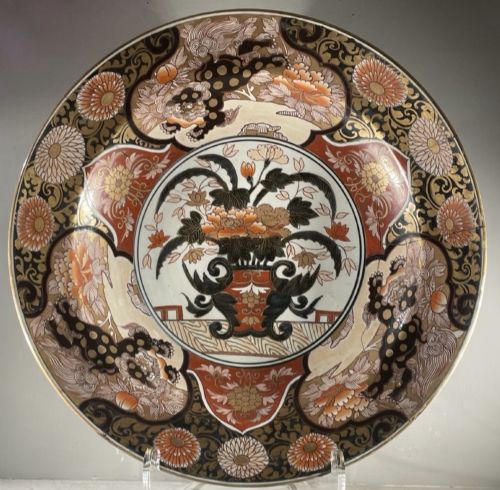
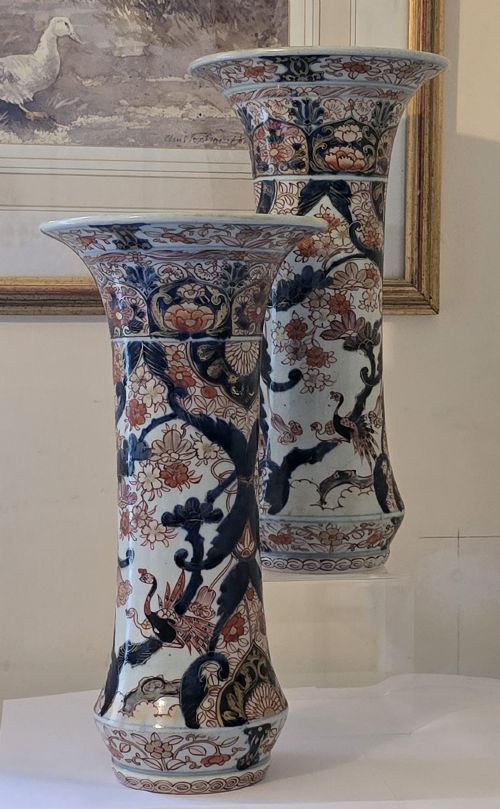
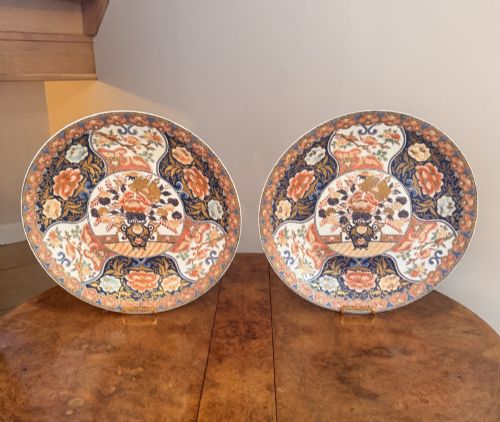
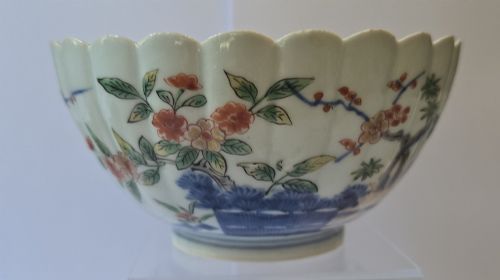
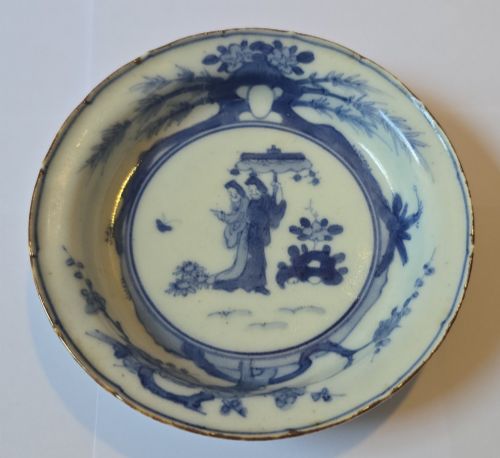
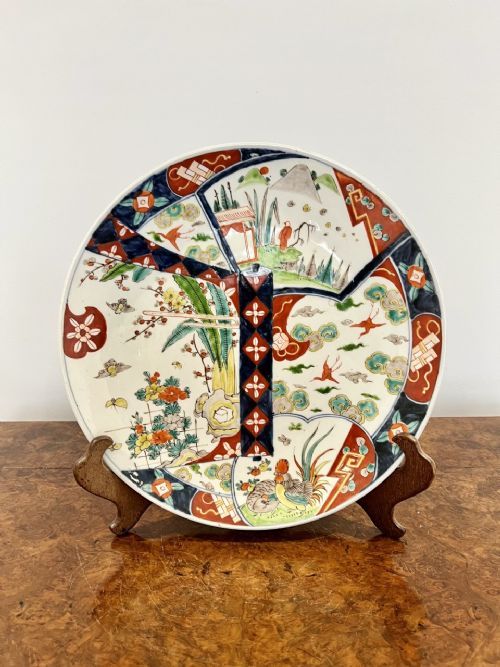
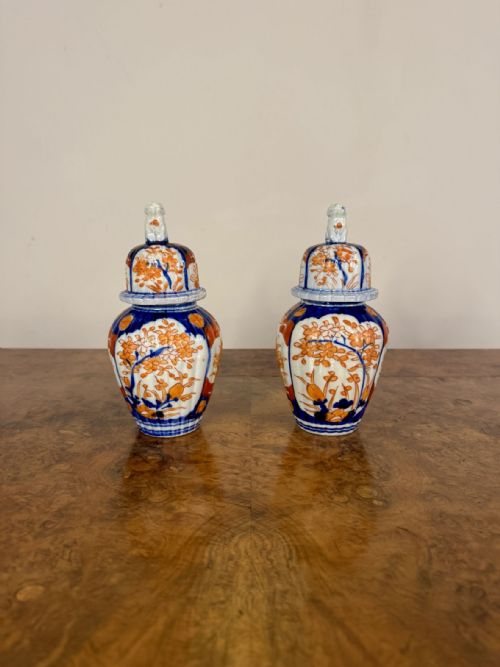
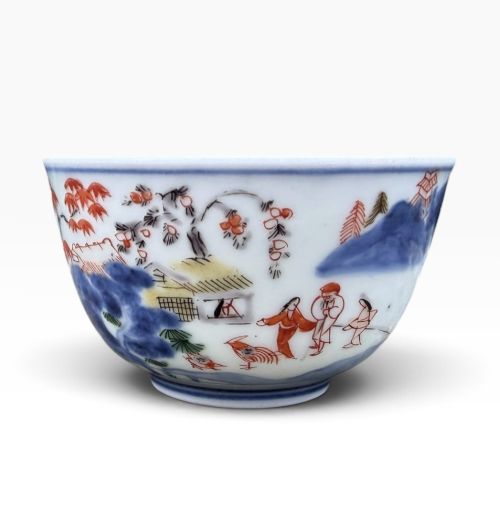
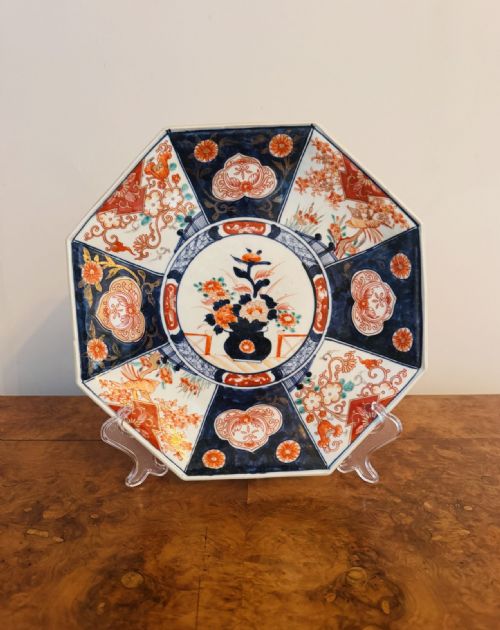
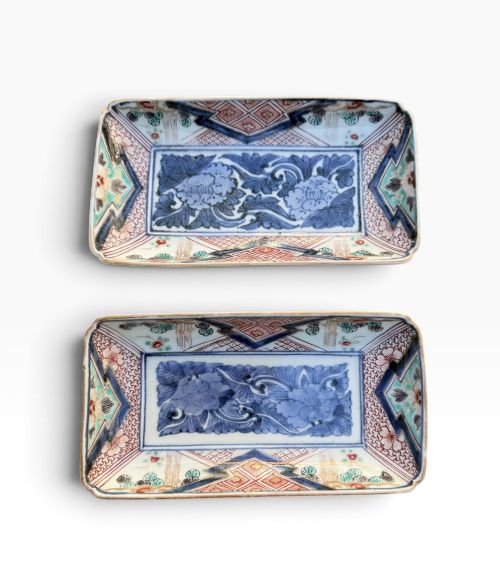
When searching for edo imari ceramic, buyers encounter historic porcelain items originating from Japan, spanning periods from the 17th century through to the early 20th century. The selection includes decorative plates, chargers, bowls, vases, and jars, often shaped as leaves, fish, or clam shells.
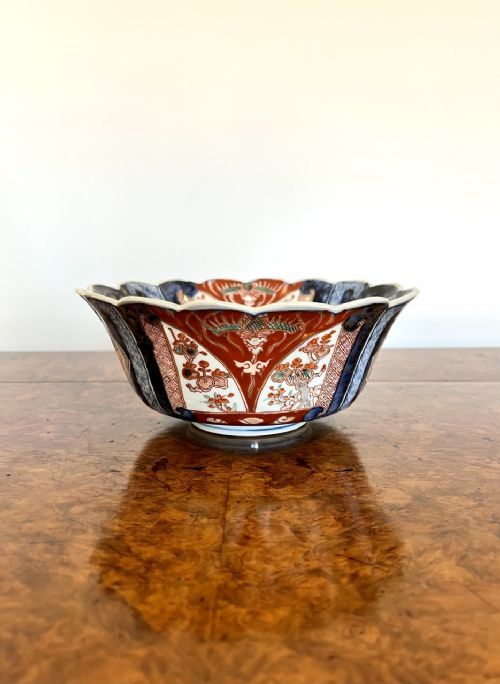
The most common forms on this page include scalloped edge plates and lidded vases, representing styles from the Edo period and later Meiji eras. These objects range from standard circular dishes to unusual hexagonal plates and large jardinières.
Materials and Techniques
These items are shaped from porcelain and ceramic materials, utilising cobalt underglaze alongside enamel colour applications. Artisans frequently added gold leaf, gilt, and gilding to highlight specific design elements on the surface.
The combination of traditional glazing and hand-painted motifs defines the visual character of these pieces. Kiln firing techniques allowed for intricate patterns and horse decorations to endure across centuries.
Edo Imari Ceramic Retail Price Guide 2026
Typical asking prices for edo imari ceramic among the pieces listed under this phrase on Sellingantiques today, from the lower quarter to the upper quarter. They describe what is for sale here now, not the wider market.
Some Edo potters shaped porcelain into swimming fish and clams, turning dinnerware into marine sculpture.
Assessing Quality and Design
The distinction between standard items and superior examples rests upon the precision of the hand-painting and the complexity of the form. Unusual shapes, such as leaf or shell formations, demand greater skill from the potter.
Surface details like well-preserved enamel and delicate gold leaf application elevate certain chargers and vases. Consistency in glaze finish and the crispness of cobalt underglaze patterns also define the upper tier of these works.
The Edo Imari Ceramic Glossary
- Imari
- A style of Japanese porcelain named after the port from which it was shipped. These wares typically feature distinctive cobalt blue and iron red palettes.
- Arita
- The Japanese town where the production of these ceramics originated. Potters here produced the foundational porcelain bodies for Imari decoration.
- Charger
- A large decorative plate intended for display rather than dining use. These items often showcase the most elaborate painted compositions.
- Gilding
- The application of gold leaf or powdered gold to the surface of the ceramic. This technique adds metallic highlights to the painted scenes.
- Genroku
- A specific cultural era within the Edo period associated with artistic refinement. Pieces from this time represent early milestones in Japanese porcelain history.
Edo Imari Ceramic: Frequently Asked Questions
How are edo imari ceramic pieces displayed?
These porcelain items suit placement on mantelpieces, tables, or within dedicated display cabinets. Chargers and large plates often utilise wall mounts or plate stands for safe viewing.
Smaller bowls and dishes sit flat on surfaces, allowing close inspection of their hand-painted details from above.
What periods do these ceramics cover?
The listings encompass works created during the 17th, 18th, and 19th centuries, alongside pieces dated around 1900. Edo period items represent the earlier traditional phase of production.
Later Victorian and Meiji era interpretations continue the distinct aesthetic using similar porcelain bodies and enamel palettes.
Are these items functional or decorative?
Most surviving pieces function primarily as decorative objects for the home, including vases, jars, and large chargers. Items shaped like fish or clam shells were made for visual appreciation.
While constructed from durable ceramic, their age and hand-painted finishes recommend them for display rather than everyday use.
How do I identify a scalloped edge plate?
Scalloped edge plates feature a rim cut into a series of rhythmic, curved indentations rather than a simple smooth circle. This shaping mimics natural forms found in shells or flowers.
Potters applied cobalt underglaze patterns that follow the contours of these curved edges to frame the central design.