



Ecclesiastical Wooden Chair
An ecclesiastical wooden chair brings solemn architectural presence and steadfast craftsmanship into a room, rooted in centuries of chapel and church tradition.
Ecclesiastical Wooden Chair
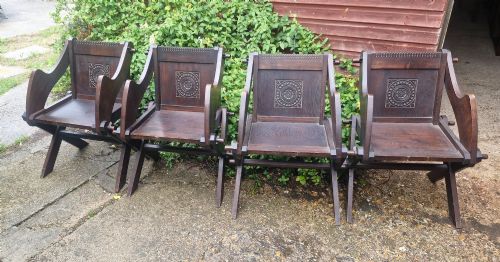
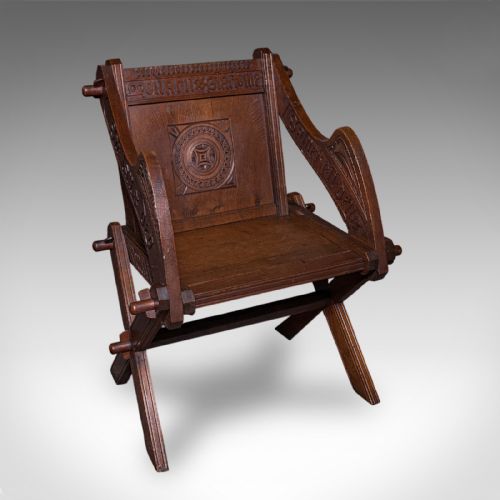
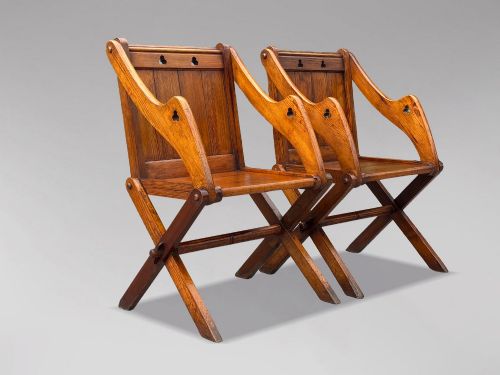
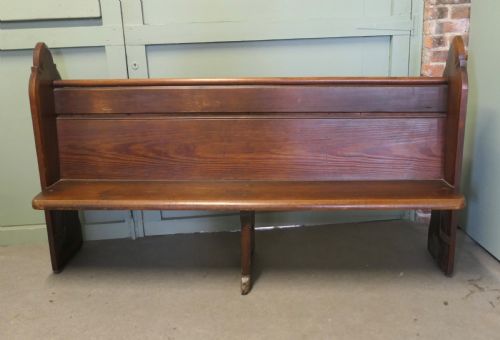
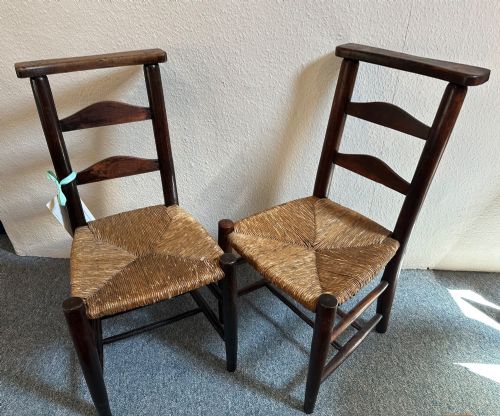
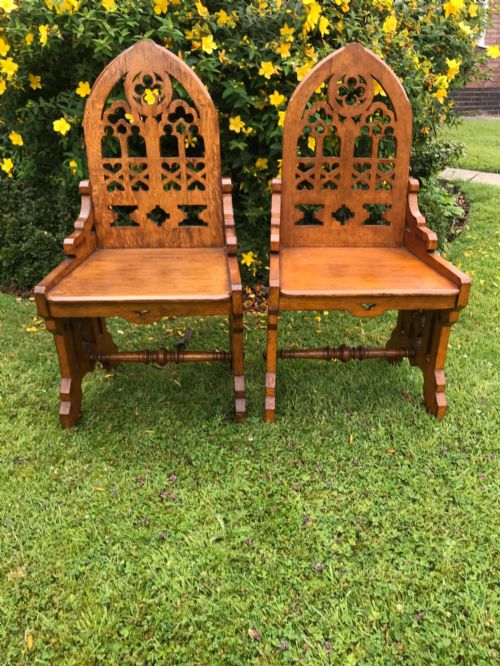
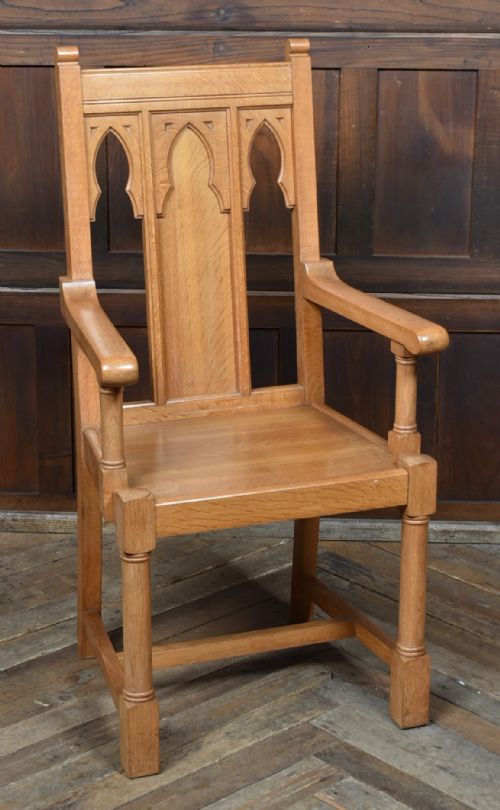
An ecclesiastical wooden chair draws heavily from Gothic Revival design, offering a sturdy seat shaped by historic chapel and church interiors. These pieces range from substantial throne armchairs and Glastonbury designs to simpler pews and hall chairs.
The materials are robust and utilitarian, predominantly featuring solid oak and pitch pine alongside occasional pine and rush seating. Many examples date from the Victorian and Edwardian eras, reflecting a period of intense revival in church architecture and furnishings.
Materials and Construction
Carpenters relied on dense native timbers such as oak and pitch pine to build furniture capable of withstanding heavy daily use in chapels and cathedrals. Surfaces were frequently waxed to protect the wood while preserving its natural grain and deep tone.
Joinery methods prioritized strength, utilising pegged mortise and tenon joints alongside carved tracery and inscribed details. Some items incorporate brass fittings or fabric upholstery, though plain timber construction remains the dominant method.
Listings feature solid oak and pitch pine pieces spanning the Victorian and Edwardian periods, alongside specific examples marked for St Paul's Cathedral.
Assessing Quality and Provenance
Quality rests in the weight of the timber, the crispness of the Gothic carving, and the integrity of the original joints. Pieces originating from specific ecclesiastical institutions carry greater historical interest than standard commercial interpretations.
Proportion and scale distinguish a masterwork throne chair from a utilitarian hall seat. The presence of original markings, such as cathedral stamps, elevates the historical significance of the piece.
The Ecclesiastical Wooden Chair Glossary
- Glastonbury Chair
- A traditional folding armchair design with X-framed legs and a sloping back, frequently executed in oak during the nineteenth century. This form draws inspiration from early medieval precedents.
- Pitch Pine
- A resinous and durable softwood utilised extensively for nineteenth-century church pews and seating. It offers distinct grain patterns and high structural resilience.
- Gothic Revival
- An architectural and decorative style popular during the Victorian era that revived pointed arches, trefoils, and heavy timber construction. This aesthetic defines the majority of ecclesiastical seating.
- Throne Chair
- A large, high-backed armchair designed for clergy, often featuring elaborate carved details and imposing proportions. These chairs command attention in any interior space.
- Church Pew
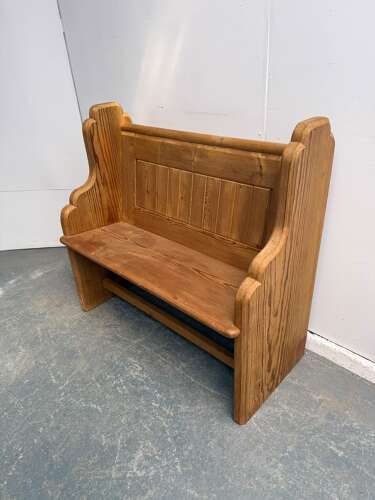
- A long wooden bench or one-seater pew designed for congregational seating, typically constructed from solid pine or oak. They often retain simple panelled backs and waxed finishes.
Ecclesiastical Wooden Chair: Frequently Asked Questions
Where should I place an ecclesiastical chair?
These chairs suit hallways, studies, or living rooms where their architectural lines can be appreciated against a plain wall. Their upright posture makes them better suited for accent seating rather than relaxed lounging.
Ensure there is enough floor space to accommodate their substantial arms and high backs without crowding surrounding furniture.
How do I care for waxed pitch pine?
Maintain the finish by applying a traditional beeswax paste periodically and buffing it with a soft cloth to nourish the dry timber. Avoid placing the chair near direct heat sources or strong sunlight, which can dry out the wood.
Dust regularly with a dry cloth to prevent grime from settling into the carved recesses.
Are these chairs comfortable for daily use?
Most ecclesiastical chairs were built for dignity and upright posture during services rather than soft lounging. Adding a simple loose cushion can improve comfort for modern dining or desk use.
The sturdy wooden seats and supportive backs provide a firm and reliable place to sit.
How can I tell a Victorian copy from earlier work?
Examine the tool marks, timber characteristics, and joint construction for clues to the manufacturing date. The vast majority of these pieces originate from the nineteenth and early twentieth centuries during the Gothic Revival period.
Look for machine-cut elements versus hand-finished peg joints to understand the workshop methods used.