



Antique Gothic Arm Chair
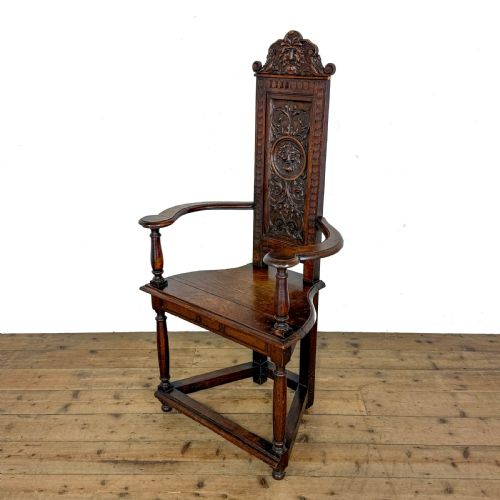
An antique gothic arm chair brings heavy timber and pointed arches into a room, offering substantial seating built with architectural ambition.
Antique Gothic Arm Chair
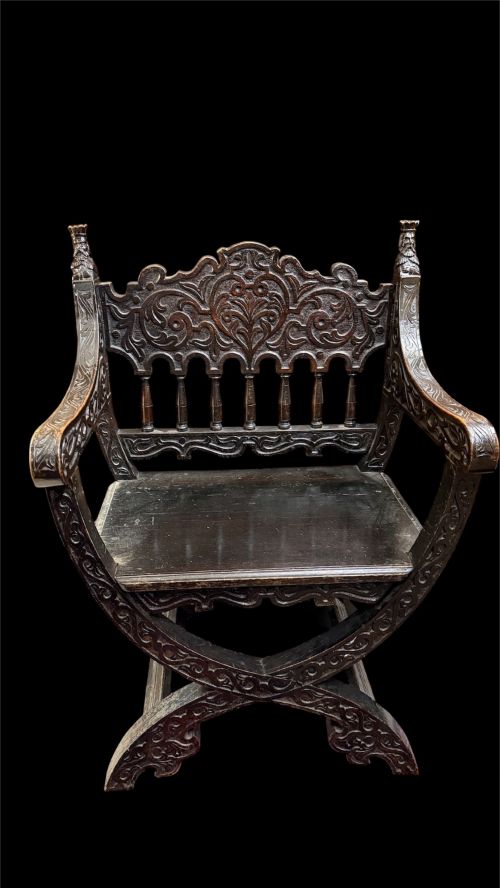
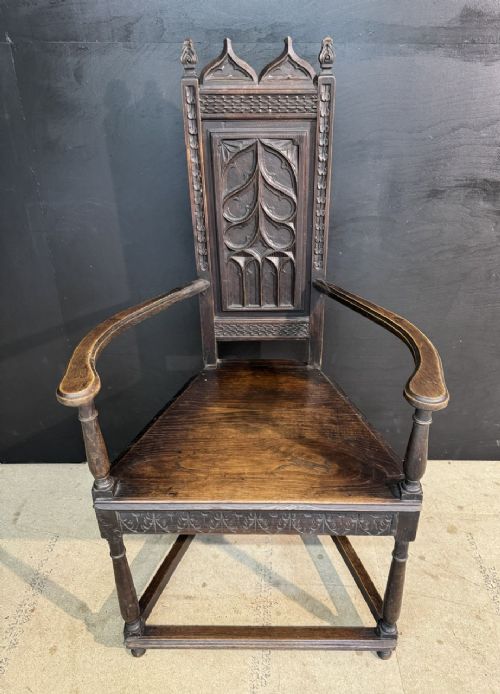
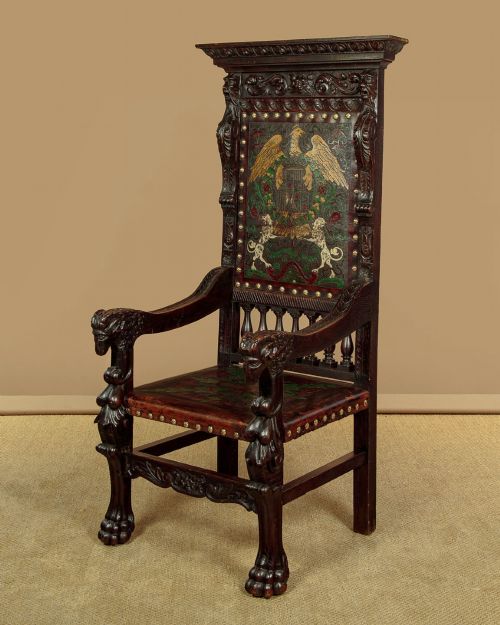
An antique gothic arm chair combines medieval architectural motifs with domestic seating, drawing on pointed arches, tracery, and heraldic carving. These pieces appear most frequently in oak, spanning the nineteenth century alongside revival styles from the eighteenth and early twentieth centuries.
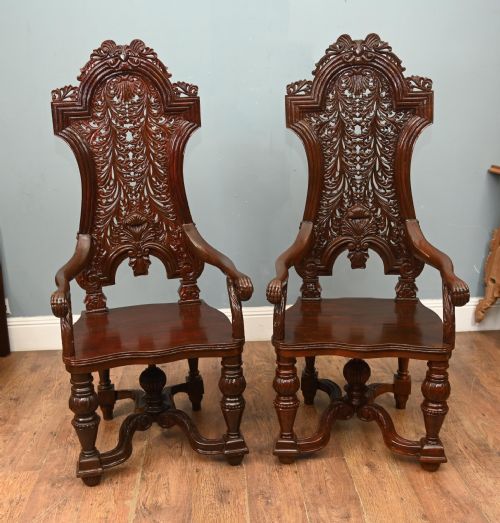
The selection ranges from vernacular Windsor and turners chairs to large upholstered library armchairs and high-backed throne chairs. Surviving examples often display revival influences such as Gothic Chippendale, Jacobean, and Renaissance Revival details.
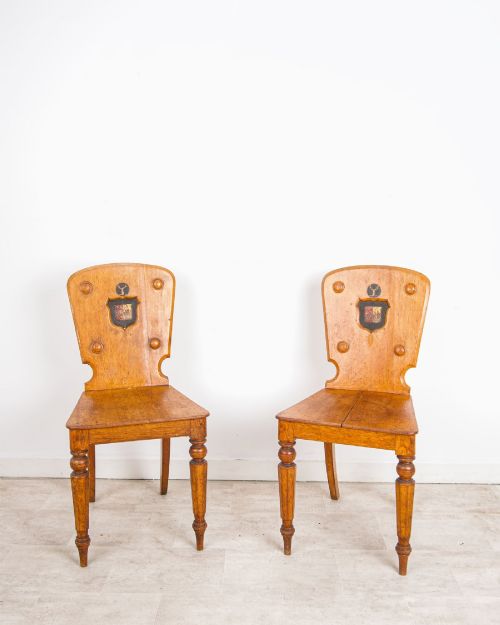
Buyers encounter diverse forms, including hall chairs, elbow chairs, and heavy ecclesiastical seats. The overarching aesthetic relies on solid proportions and dark timber to project gravity and historical weight.
Materials and construction
Makers relied principally on oak, supplemented by walnut, rosewood, elm, and mahogany. Timber selection determined the depth of relief possible in the carved panels, crests, and arm supports.
Joinery involved traditional pegging and mortise-and-tenon construction to support heavy loads. Upholstered variants utilised leather, heavy textile, and brass studding secured directly to the wooden frames.
Listings demonstrate a strong predominance of nineteenth-century oak constructions, alongside walnut, rosewood, and mahogany alternatives.
Assessing quality in construction and design
Quality rests on the crispness of the hand-carved detail and the selection of timber. Heavy, dense oak with deep, deliberate relief carving separates standard production seating from exhibition pieces.
Structural integrity depends on tight joinery in the arms and legs, particularly in rotating chairs and large thrones. Proportion and balance dictate whether a heavily carved frame appears cohesive or cluttered.
S and H Jewell·Charles Bevan·Allsop Worksop·James Shoolbred
The Antique Gothic Arm Chair Glossary
- Wainscot chair
- A heavy wooden armchair with a panelled back, common in domestic interiors before upholstered seating became dominant. This form provides a solid wooden backrest often decorated with carved linenfold or strapwork.
- Tracery
- Openwork intersecting ribbing derived from stone window designs in Gothic architecture. It appears carved into chair backs and crest rails.
- Turners chair
- A form constructed entirely from cylindrical turned wooden spindles and posts. These pieces rely on geometric repetition rather than carved panels.
- Fauteuil
- An open-armed wooden armchair with upholstered arm pads and backrest. This French form occasionally crosses into revival styles.
- Savonarola chair
- A folding armchair constructed from multiple intersecting curved wooden slats. It derives from Italian Renaissance design.
Antique Gothic Arm Chair: Frequently Asked Questions
How do I place an antique gothic arm chair at home?
These large seats function well as reading chairs in libraries or studies, where their dark timber complements book-lined walls. They also anchor entrance halls as statement pieces.
Ensure adequate floor space around the chair, as the heavy proportions and projecting arms require room to breathe without crowding surrounding furniture.
Are these chairs comfortable for daily use?
Wooden-seated examples offer firm upright support suited to occasional sitting at a desk or hall table. Upholstered library variants provide softer seating through padded leather or fabric backs.
Adding a loose cushion helps adjust the seat height and depth on deep timber thrones without altering the original frame.
How can I tell a nineteenth century revival piece from earlier work?
Nineteenth-century revival pieces display machine-assisted precision alongside hand carving, often featuring standardised joinery and factory stamps. Earlier items show hand-sawn timber marks and irregular pegging.
Examining the underside and interior joints reveals tool marks and wood oxidation consistent with specific historical periods.
What maintenance do these wooden chairs require?
Apply occasional furniture wax to nourish dry oak and walnut surfaces while avoiding silicone-based polishes. Keep the timber away from direct heat sources to prevent panel splitting.
Check structural joints periodically to ensure the pegged construction remains tight under regular weight.