



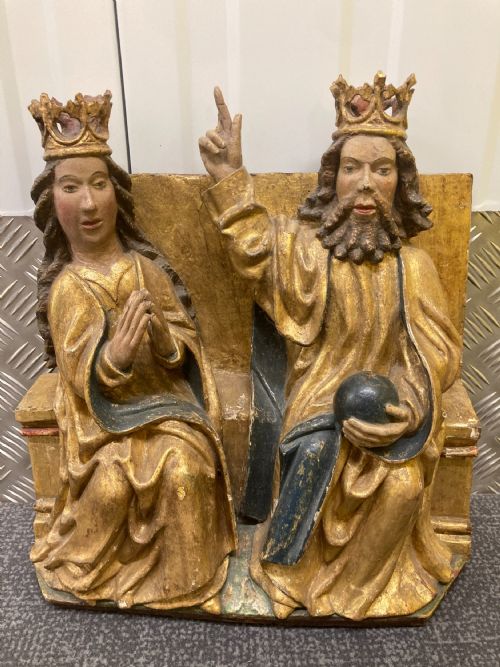
Ecclesiastical Carved Figure
An ecclesiastical carved figure brings centuries of devotion into a room, taking the form of saints, angels, and holy groups.
Ecclesiastical Carved Figure
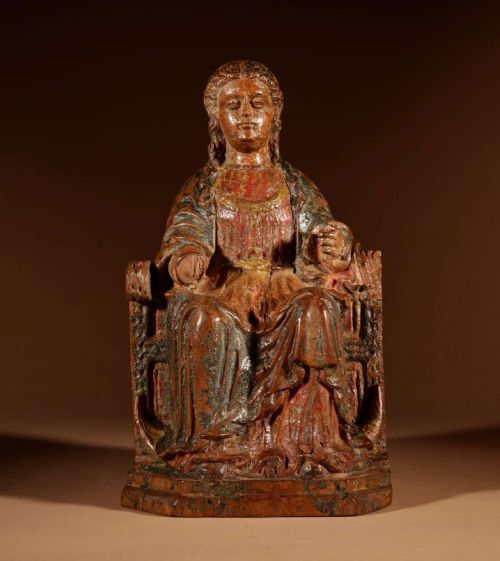
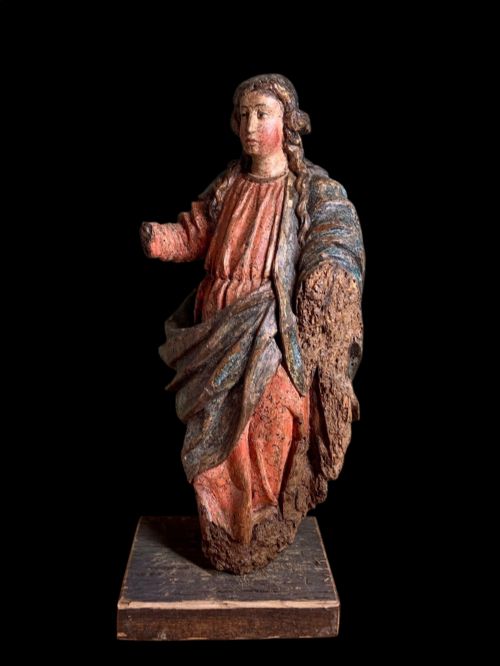
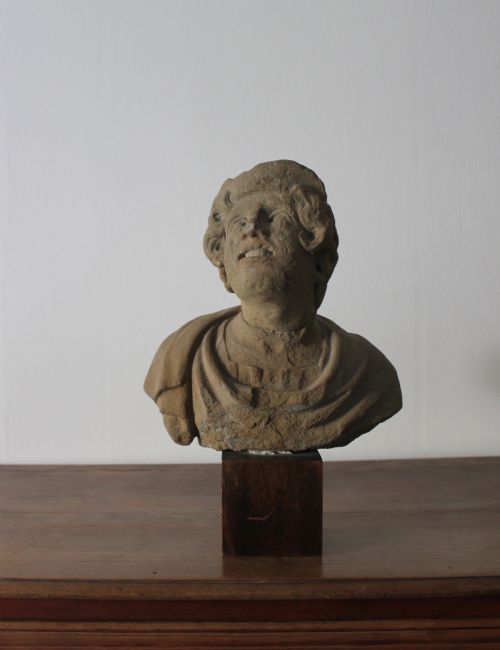
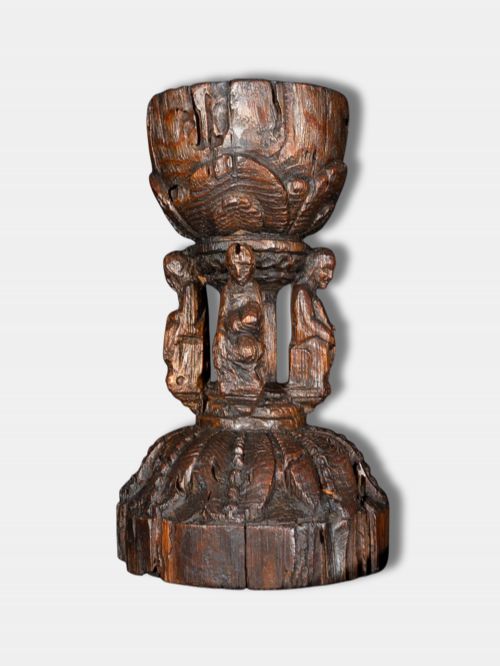
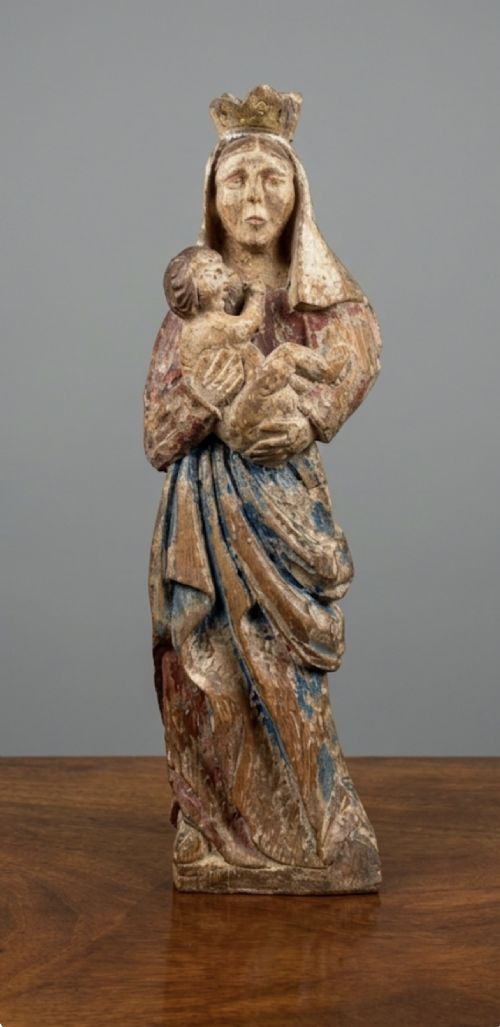
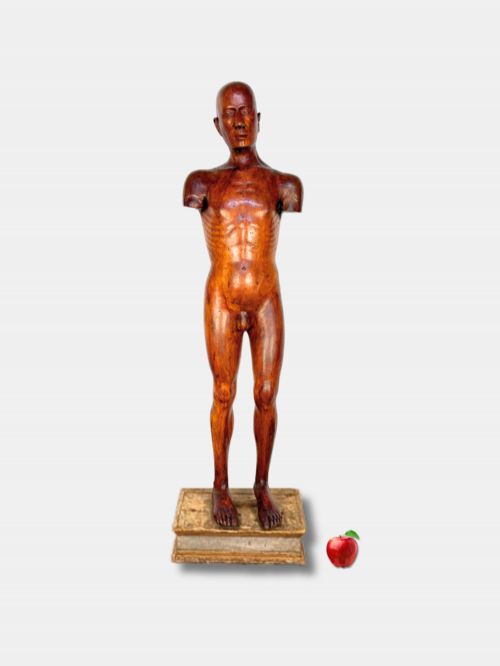
An ecclesiastical carved figure embodies centuries of religious devotion, taking the form of saints, angels, Madonna and child groups, and biblical figures intended for altars and church interiors. The pieces appearing here span from pre-sixteenth century medieval fragments and Gothic works through sixteenth-century Renaissance carvings, seventeenth-century Baroque studies, and eighteenth-century figures down to nineteenth-century Gothic Revival pieces.
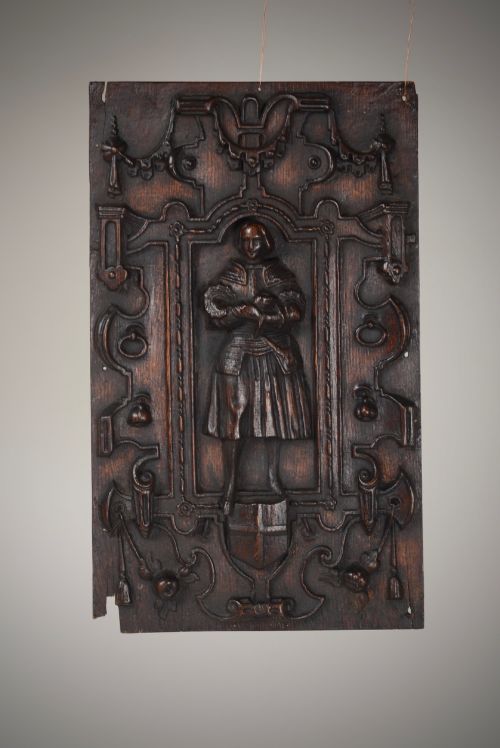
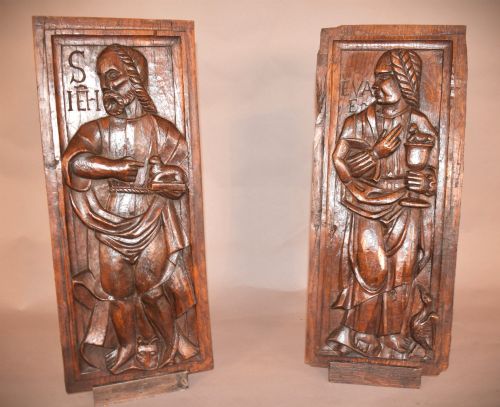
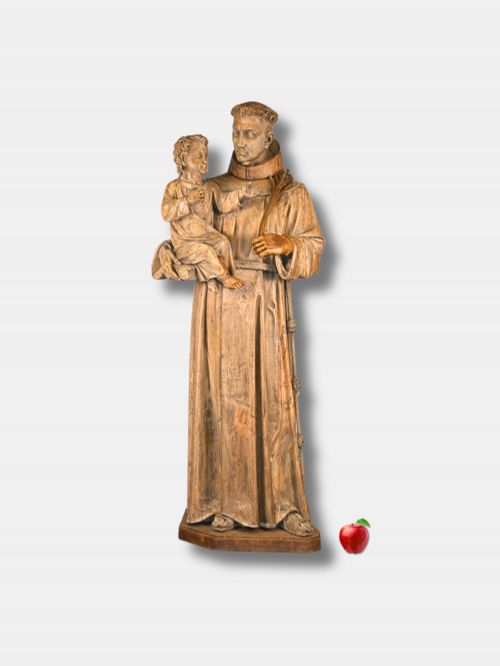
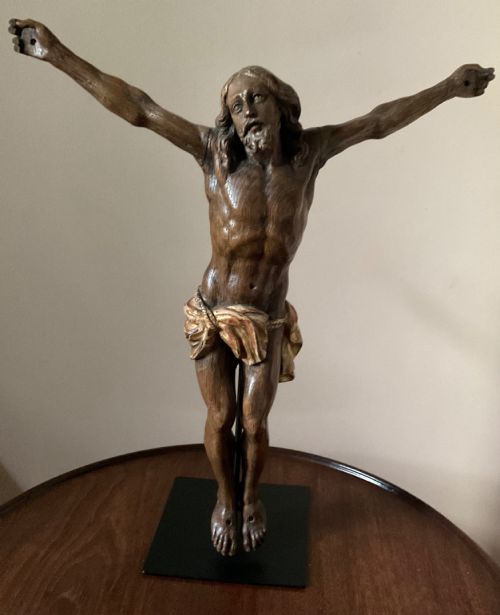
Buyers will encounter single statues on plinths, life-size figures, carved wooden panels, wall art, and grouped scenes showing figures like Saint Jerome, Saint Anthony, Joan of Arc, and Christ. Continental workshops predominate, with Italian, French, German, and Croatian pieces represented alongside low country and domestic examples.
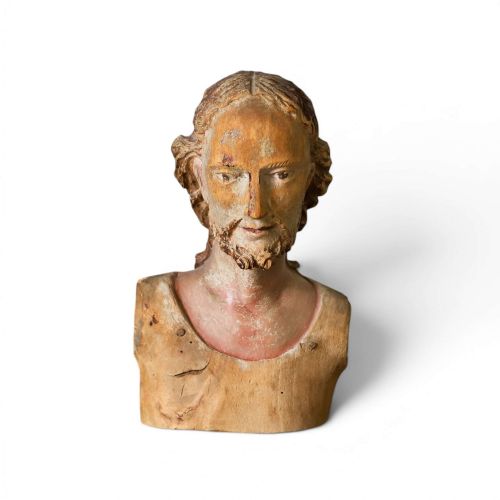
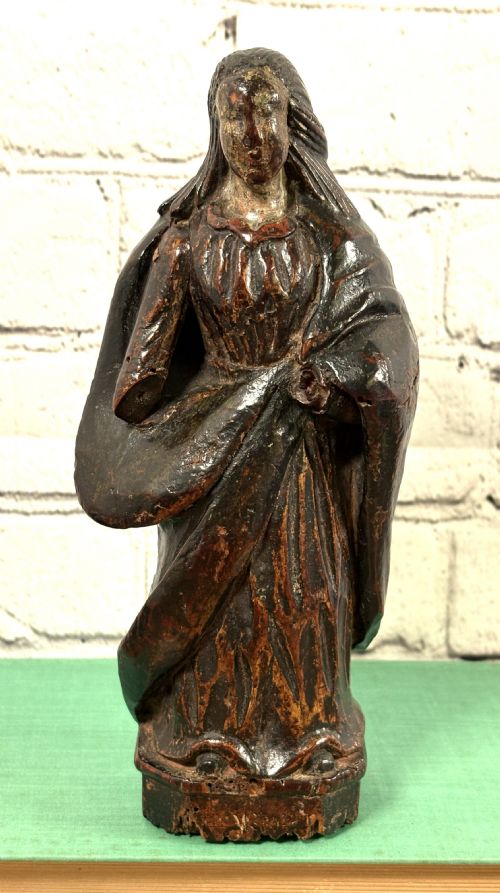
The sculptural forms range from small, intimate walnut studies and limewood busts to substantial giltwood angels and life-size wooden santos figures. These objects carry the physical traces of their liturgical origins, whether designed as architectural elements or freestanding devotional works.
Materials and methods
Carvers worked primarily in hardwoods like oak, walnut, olive wood, and limewood, selecting timbers capable of holding sharp detail across intricate drapery and facial expressions. Stone also appears among the earliest examples, recording the weight and permanence of medieval church architecture.
Surfaces were frequently finished with gesso, gold leaf, and polychrome paint, adding vibrant colour and luminosity to the timber beneath. Paint layers and gilding interacted with candlelight in sacred spaces, creating depth and visual hierarchy within the church interior.
Several figures carry hidden cavities once used to store holy relics inside the chest of the saint.
Judging quality
The survival of original surface treatments - such as early polychrome paint and gold leaf - separates untouched examples from those stripped or heavily repainted over subsequent centuries. Patina accumulated through age and handling plays a central role in the visual weight of each piece.
The Ecclesiastical Carved Figure Glossary
- Polychrome
- Painted in several colours. This surface treatment was applied over gesso to give realistic life to wood sculptures.
- Corpus Christi
- The body of Jesus Christ shown on the cross. These carvings focus on anatomical detail and the expression of suffering.
- Santos
- A carved devotional figure of a saint. These pieces were often dressed in textiles or mounted on architectural plinths for processions and altars.
- Gesso
- A plaster mixture applied as a smooth base for painting and gilding. It allowed carvers to refine details before adding colour.
- Giltwood
- Wood that has been decorated with gold leaf. This technique added brilliant reflective qualities to church statuary.
Ecclesiastical Carved Figure: Frequently Asked Questions
What is an ecclesiastical carved figure?
It is a devotional sculpture made for a church, chapel, or domestic shrine, depicting religious figures such as saints, angels, or biblical scenes.
These pieces were carved from wood or stone and often finished with polychrome paint or gold leaf to enhance their visual presence in sacred spaces.
How were these figures used originally?
They served as focal points for prayer and contemplation, placed on altars, integrated into architectural woodwork, or carried in religious processions.
Life-size figures and smaller groupings helped communicate biblical narratives and venerated local or universal saints for congregations.
How should I care for polychrome wood?
Keep the sculpture away from direct sunlight, heat sources, and rapid humidity fluctuations to prevent the wood from splitting and the paint from flaking.
Dust gently with a soft, dry brush and avoid applying liquid cleaners or polishes that might damage fragile historic surfaces.