
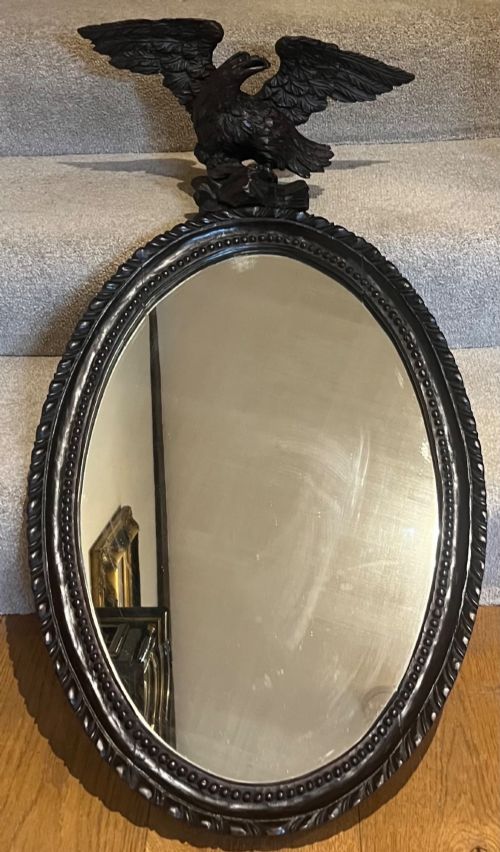


Ebonised Wood Wall Mirror
An ebonised wood wall mirror brings dramatic dark contrast and historic depth to a room, framing reflections with deep, dark polished timber.
Ebonised Wood Wall Mirror
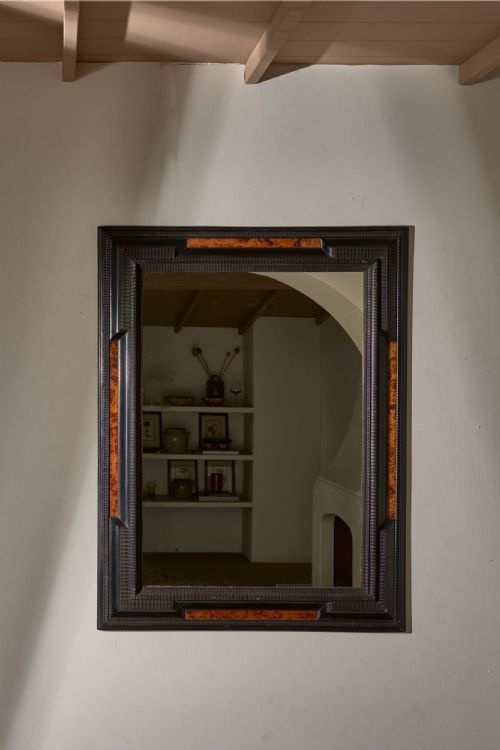
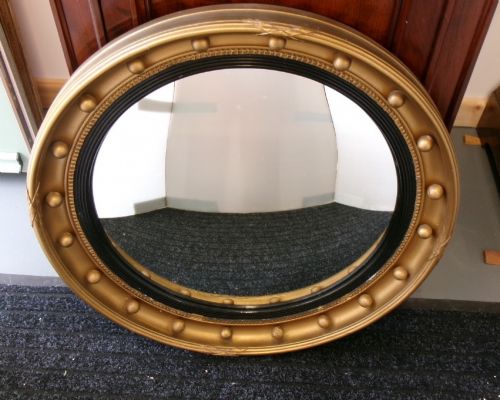
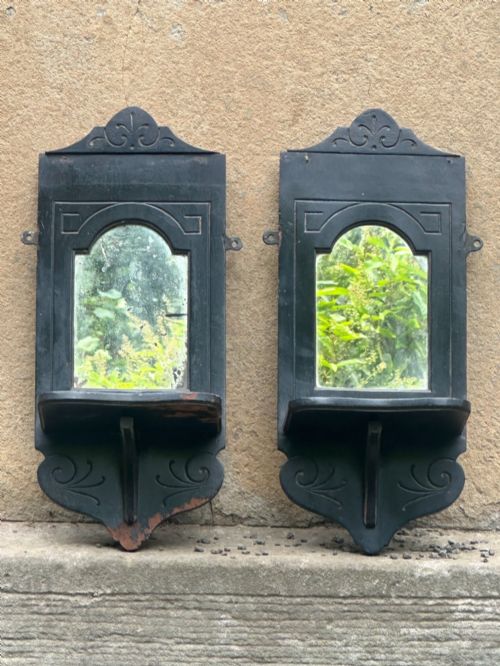
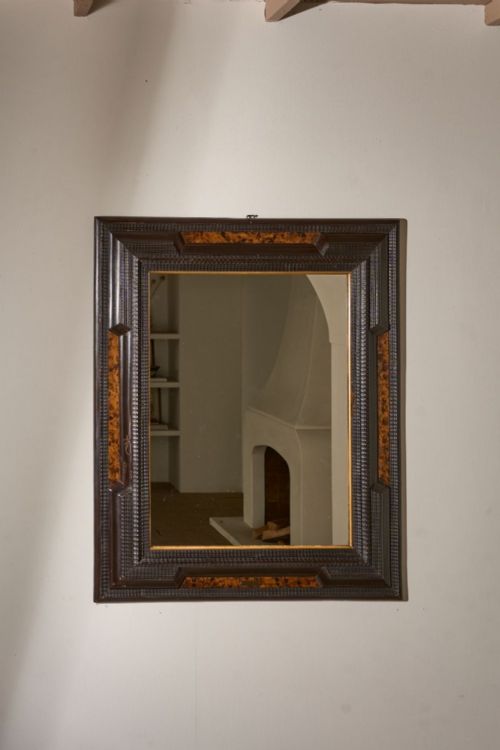
An ebonised wood wall mirror is a reflective glass panel set within a wooden frame treated to resemble dense, dark ebony. The examples on this page span several centuries and styles, originating from periods such as the Regency era and the Victorian age. Forms range from simple wall-hanging frames to grand overmantel mirrors and architectural pier mirrors.
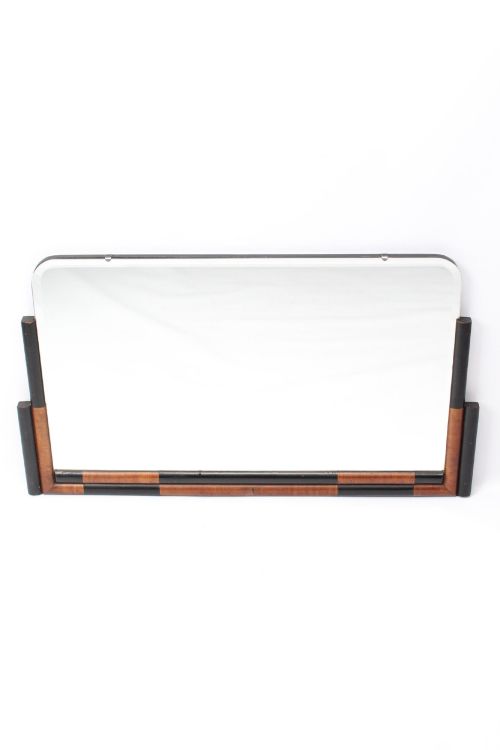
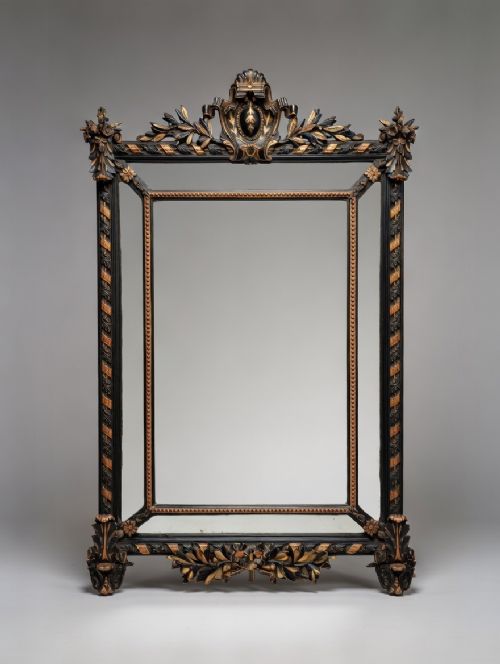
Buyers will encounter various interpretations of the dark-framed style, including pieces incorporating parcel-gilt details, faux tortoiseshell surfaces, or cushion-moulded profiles. Some items reflect specific design movements like the Aesthetic Movement or the Art Deco period, demonstrating how makers adapted the dark wood finish across generations.
How they were made
The dark finish is achieved by staining or painting timber, frequently walnut or other woods, to mimic costly ebony. Artisans often applied gesso layers beneath surface treatments to build crisp carved details, occasionally adding gold leaf or parcel-gilt highlights to contrast with the black ground.
Mirror glass in these pieces is set within sturdy wooden joinery, sometimes complemented by applied decorative mouldings or turned elements. Structural methods reflect the period of origin, from early nineteenth-century framing techniques to later nineteenth- and twentieth-century workshop practices.
Ebonised Wood Wall Mirror Retail Price Guide 2026
Typical asking prices for ebonised wood wall mirror among the pieces listed under this phrase on Sellingantiques today, from the lower quarter to the upper quarter. They describe what is for sale here now, not the wider market.
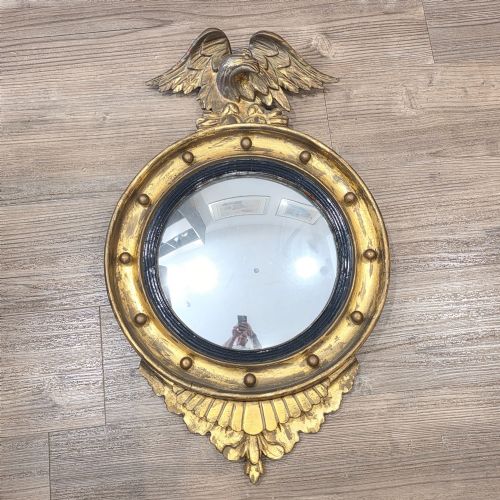
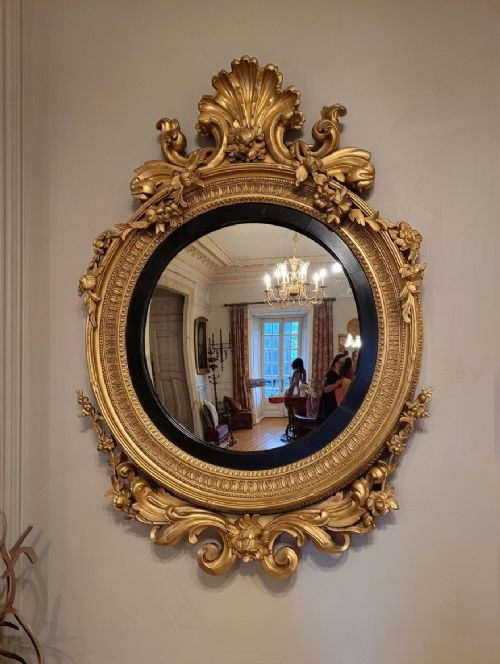
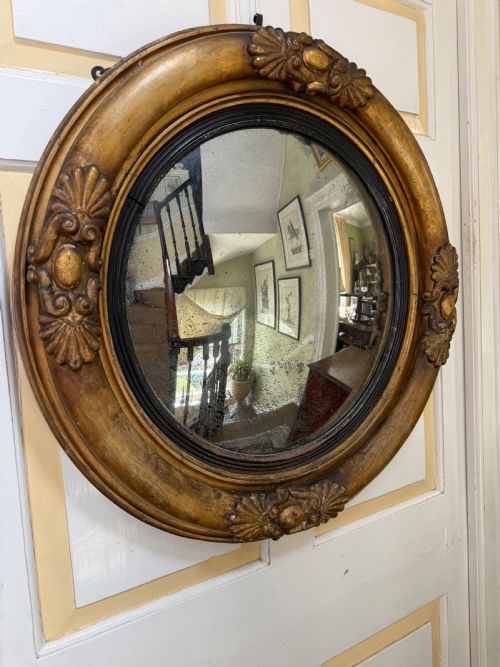
Several mirrors carry alternative names like porthole, carousel or sorcerer mirrors, reflecting the curious nicknames given to convex glasses over the generations.
What varies in quality
Quality in an ebonised wood wall mirror rests on the depth of the timber treatment and the crispness of any carved gesso or gilt ornamentation. Superior pieces display finely balanced proportions and harmonious integration between the dark frame and secondary decorative elements like parcel-gilding.
The character of the mirror glass itself contributes to the standing of the piece, alongside the integrity of the underlying wood construction and joinery. Higher quality is found where the ebonisation remains rich and stable, complementing the original form without obscuring the underlying craftsmanship.
Cottier & Co.
The Ebonised Wood Wall Mirror Glossary
- Ebonised
- Wood treated with stain, dye or paint to achieve the dark, dense appearance of ebony. This technique was popular in various nineteenth-century revival styles.
- Parcel-gilt
- Partially gilded woodwork where gold leaf highlights specific carved details, mouldings or motifs against a contrasting ground. It creates visual relief on dark surfaces.
- Gesso
- A plaster-like mixture applied to wooden frames to provide a smooth surface for carving, painting or gilding. It allows for sharp decorative reliefs.
- Cushion mirror
- A mirror featuring a broad, convex-profiled frame resembling a cushion, often veneered in figured timbers or ebonised wood. This form appears across seventeenth-century and nineteenth-century designs.
- Overmantel mirror
- A large mirror specifically designed to hang above a fireplace mantelpiece. These pieces often span significant horizontal proportions to match the hearth below.
Ebonised Wood Wall Mirror: Frequently Asked Questions
Where should I hang an ebonised wood wall mirror?
These mirrors suit spaces needing a strong visual anchor, such as above a mantelpiece, sideboard or console table. Their dark frames work well against lighter wall colours to create contrast.
Ensure the wall fixings support the weight of the frame, particularly for larger overmantel or pier mirror formats.
How do I date an ebonised wood wall mirror?
Dating relies on examining the frame construction, joinery methods and stylistic clues from the carved ornamentation. Characteristics like cushion moulding or parcel-gilt highlights often point to specific historic periods.
The backing boards, fixing methods and the condition of the mirror glass provide further evidence of age.
What is the difference between an ebonised finish and black paint?
An ebonised finish is traditionally achieved by staining or chemical treatment that penetrates the wood grain while retaining its texture. Plain black paint simply coats the surface opaquely.
Many antique pieces use pigmented finishes or polishes that sit between these methods to achieve a deep, polished sheen.
How do I care for antique ebonised wood?
Dust the frame gently with a dry, soft cloth to prevent particulate buildup on the dark surface. Avoid harsh chemical cleaners or excessive moisture that might damage the finish or gesso.
Keep the mirror away from direct sunlight and damp environments to protect both the timber frame and the silvering on the glass.