



Ebonised Upholstery Project
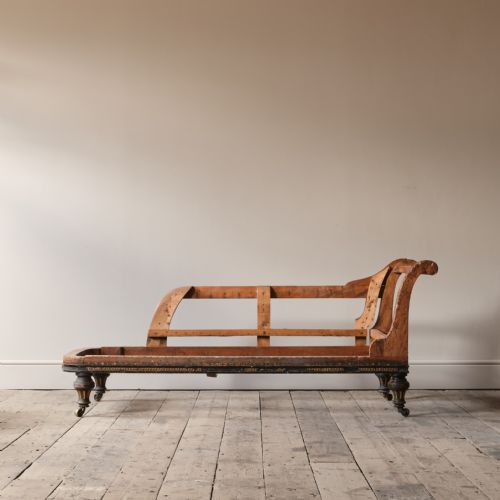
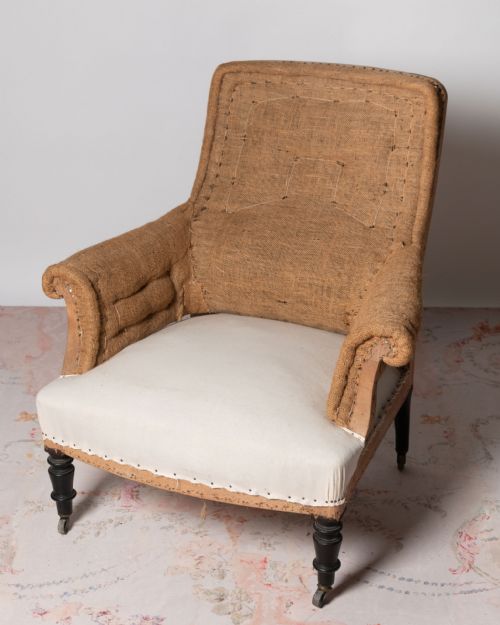
These ebonised upholstery project pieces offer a practical route to period seating, combining dark timber frames with stripped foundations ready for new textiles.
Ebonised Upholstery Project
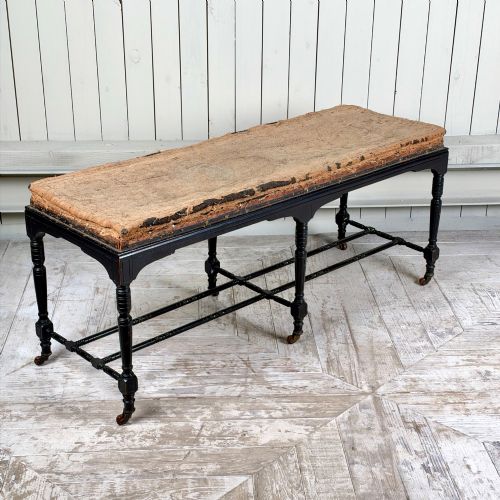
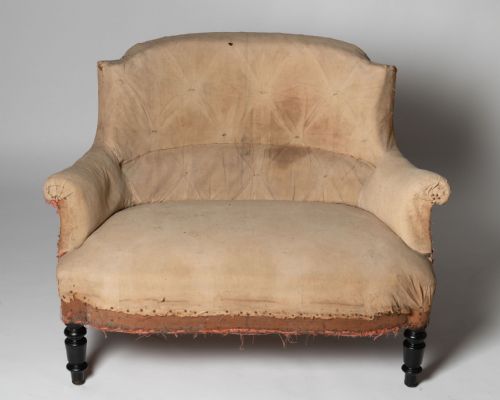
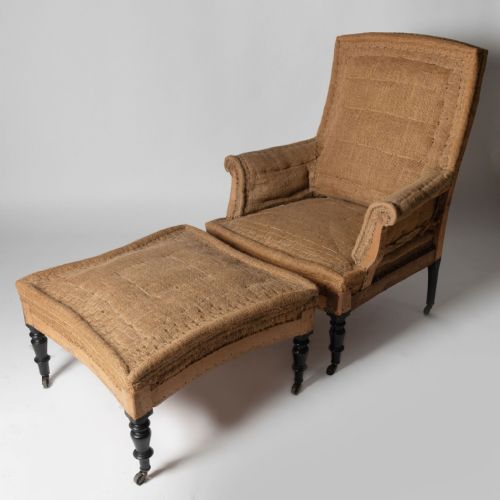
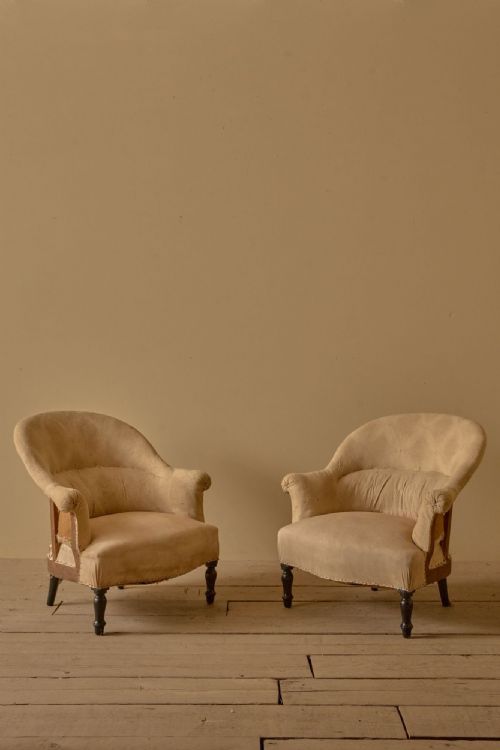
An ebonised upholstery project brings together 19th-century seating forms like armchairs, benches, and slipper chairs that require textile work before use. The pieces span Victorian and Napoleon III periods, often executed in ebonised wood or mahogany with exposed frames.
Buyers encounter French marquise and chaise longues alongside nursing chairs and stools. These items retain their original structural integrity while lacking finished top covers, presenting a direct opportunity for bespoke fabric choices.
Materials and construction methods
The underlying frames utilise timber such as mahogany and other woods treated with an ebonising finish to resemble ebony. Internal support relies on traditional materials like hessian, cotton, and calico to build up the seat foundations.
Metal components including brass often appear in castors, tacks, or decorative mounts on French and Victorian pieces. Joinery techniques from the 19th century secure the structural joints prior to the application of upholstery layers.
Ebonised Upholstery Project Retail Price Guide 2026
Typical asking prices for ebonised upholstery project among the pieces listed under this phrase on Sellingantiques today, from the lower quarter to the upper quarter. They describe what is for sale here now, not the wider market.
Judging the range
Quality separates makers like Holland & Sons from standard workshop output through superior frame carving and refined proportions. The depth of the ebonisation and the condition of the underlying woodwork dictate the baseline value of an ebonised upholstery project.
Intricacy in the silhouette of Napoleon III tub chairs or Victorian aesthetic movement benches determines artistic merit. Original brass fittings and the survival of early internal webbing elevate specific examples above standard utility seating.
Holland and Sons
The Ebonised Upholstery Project Glossary
- Ebonised
- Wood finished with a black stain or coating to imitate ebony. This treatment was common on 19th-century Victorian and French furniture.
- Hessian
- A coarse woven fabric utilised as foundational scrim inside upholstered seats. It supports the stuffing before top covers are applied.
- Marquise
- A wide French armchair designed in the 19th century. These seats offer generous proportions for domestic reception rooms.
- Calico
- A plain-woven cotton textile stretched over the stuffing layer. It provides a tight base underneath decorative outer fabrics.
Ebonised Upholstery Project: Frequently Asked Questions
What is an ebonised upholstery project?
An ebonised upholstery project is a 19th-century chair or bench featuring a darkened wood frame that requires new fabric and internal padding.
These items are sold stripped back or partially covered, allowing buyers to select bespoke textiles to finish the piece.
How do I choose the right frame style?
Selecting a frame depends on the intended room and preferred 19th-century aesthetic, ranging from French Napoleon III chairs to Victorian nursing seats.
Consider the silhouette and scale of the timber structure before planning the final textile covering.
What materials are underneath the fabric?
Traditional foundations consist of hessian, calico, and cotton layers built over sturdy wooden frames made from mahogany or ebonised timber.
Brass elements often secure the upholstery or provide mobility via small castors.
Can I use modern fabrics on these pieces?
Modern textiles suit these period frames well, provided the weight and pattern match the scale of the Victorian or French design.
Upholsterers can adapt traditional spring and stuffing techniques to accommodate contemporary fabrics securely.