




Black Ebonised Bench
A black ebonised bench offers a dark, dramatic silhouette that grounds a room, bringing period character and striking contrast to modern and traditional interiors alike.
Black Ebonised Bench
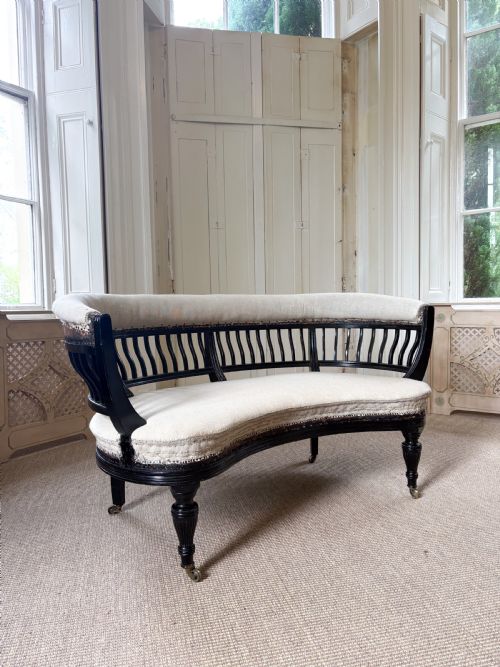
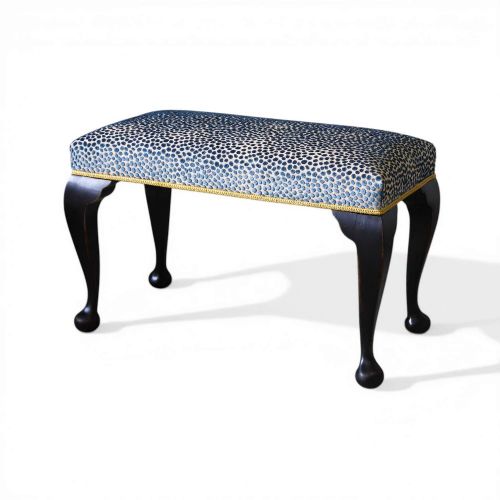
A black ebonised bench is defined by its darkly stained or painted wood finish, mimicking expensive ebony across forms that range from nineteenth-century window seats to Victorian piano stools and Edwardian benches. When you search for a black ebonised bench, you encounter seating built across various past eras, including Regency, Aesthetic Movement, and Edwardian periods.
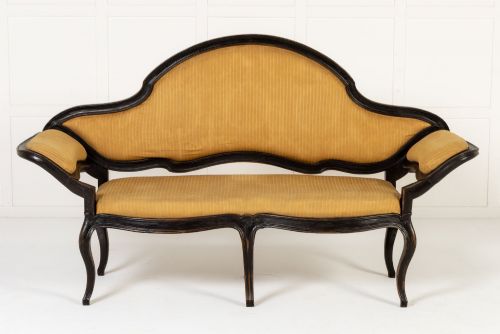
The selections span distinct seating types, from low coffee tables and day beds to long settees, window seats, and compact stools with turned legs or cane seats. Many pieces incorporate upholstery fabric, textile, or brass details, while others present traditional Chinese forms or Italian Rococo influences.
Nineteenth-century examples dominate the offerings, alongside items dated to the eighteenth century and the Edwardian era. These pieces function flexibly in hallways, at the foot of beds, or as primary seating in a salon.
Materials and construction methods
Makers utilised solid timbers such as beech and pine, applying a dense black ebonising stain or paint finish to simulate costly exotic hardwoods. This dark surface treatment was frequently paired with applied gilding or brass highlights to catch the light.
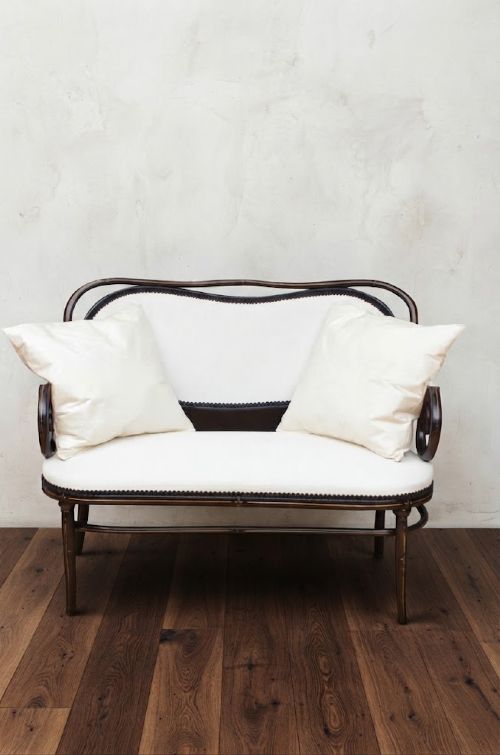
Seating surfaces often feature woven cane panels or are padded with traditional upholstery fabric and textile over supportive internal webbing. Frames display period joinery techniques, including turned legs and bentwood construction seen in specific continental workshop output.
Black Ebonised Bench Retail Price Guide 2026
Typical asking prices for black ebonised bench among the pieces listed under this phrase on Sellingantiques today, from the lower quarter to the upper quarter. They describe what is for sale here now, not the wider market.
Sunflowers bloom indoors on Aesthetic Movement frames, proving that nineteenth-century makers brought botanical cheer even to the darkest ebonised wood.
Factors of distinction
The standard of a black ebonised bench rests upon the crispness of its turned woodwork and the integrity of the ebonised surface finish. Superior examples display careful hand-finishing where the dark stain penetrates evenly without obscuring the grain or underlying timber profile.
Structural refinement marks the division between utilitarian items and finer salon seating. Well-executed cane work, tight joinery, and intact period upholstery materials elevate the piece, whereas crude alterations or flaking surface treatments detract from the object.
Trussant & Cie·Thonet
The Black Ebonised Bench Glossary
- Ebonised
- Wood finished to resemble ebony through staining, painting, or chemical darkening. This technique gained widespread popularity during the Victorian and Aesthetic Movement periods.
- Cane
- Woven rattan material used to create light, resilient panels for seat bases and backs. It requires careful hand-weaving around the frame aperture.
- Aesthetic Movement
- A late nineteenth-century design style emphasising visual beauty over narrative content, often drawing inspiration from Japanese art and employing ebonised surfaces with gilt highlights.
- Window seat
- A long, narrow form of bench specifically proportioned to sit within the recess of a bay or traditional window opening. These often feature upholstered tops or bolster cushions.
- Bentwood
- Wood softened by steam and bent into curved structural components. This technique created lightweight, resilient frames for settees and chairs.
Black Ebonised Bench: Frequently Asked Questions
Where should I place a black ebonised bench?
A black ebonised bench works exceptionally well in a hallway as a place to sit while removing shoes, or positioned at the foot of a bedroom bed.
Because of their dark finish, these benches also anchor living spaces or serve as striking window seats against light-coloured walls.
How do I care for ebonised wood?
Maintain ebonised surfaces by dusting regularly with a soft, dry cloth to prevent abrasive particle build-up.
Avoid placing the bench in direct sunlight or near heat sources, which can fade the dark finish and dry out the timber.
Are these benches comfortable for daily use?
Comfort depends entirely on the specific form you choose, as upholstered window seats and padded salon benches offer generous cushioning for extended sitting.
Stricter wooden or cane-seated variants are designed for brief periods of rest, though scatter cushions can easily adjust the seating experience.
How do I distinguish nineteenth-century pieces?
Examine the construction methods underneath the bench, looking for hand-cut joints, timber shrinkage patterns, and period upholstery tacks.
Stylistic cues such as Aesthetic Movement motifs or Regency-turned legs help anchor pieces to specific decades within the eighteen-hundreds.