
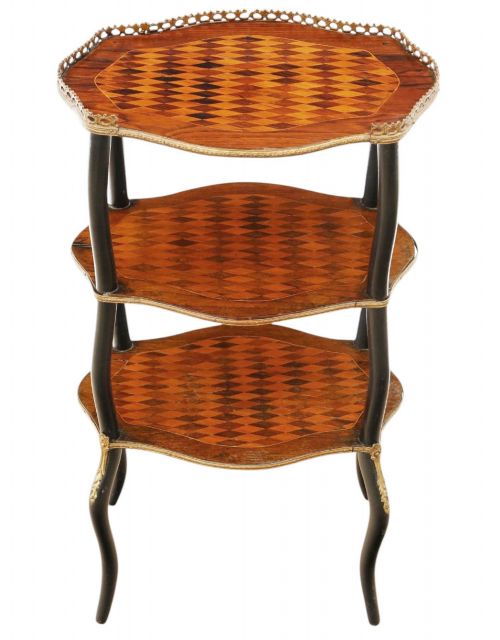


Ebonised Style Side Table
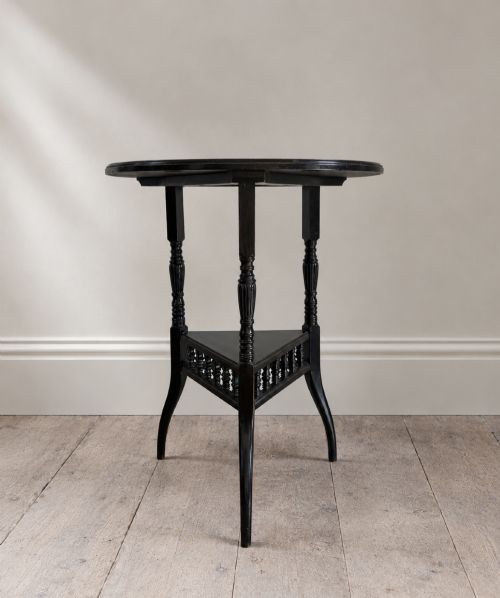
An ebonised style side table brings dark, striking contrast to a room through deep wood finishes and varied revival designs.
Ebonised Style Side Table
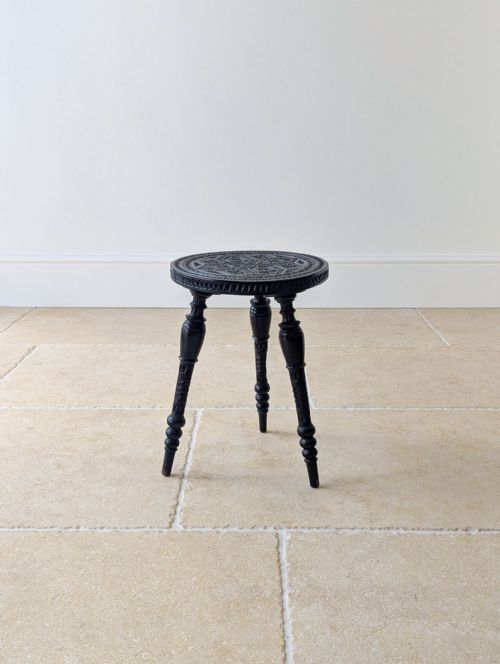
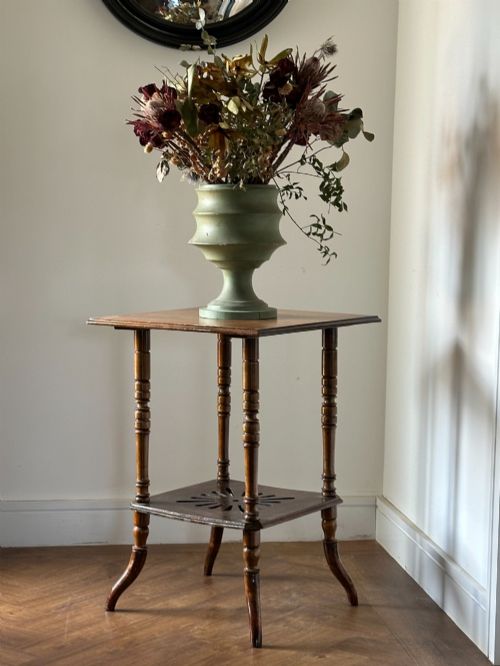
An ebonised style side table encompasses a range of compact domestic furniture designed for display and occasional use. The selection spans the nineteenth and twentieth centuries, covering periods from the Victorian era to Edwardian and later decades. Buyers encounter forms such as occasional tables, centre tables, console tables, coffee tables, and writing tables.
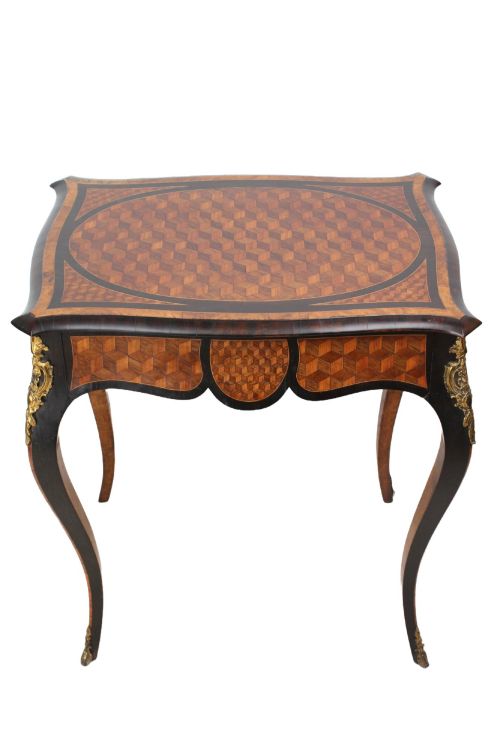
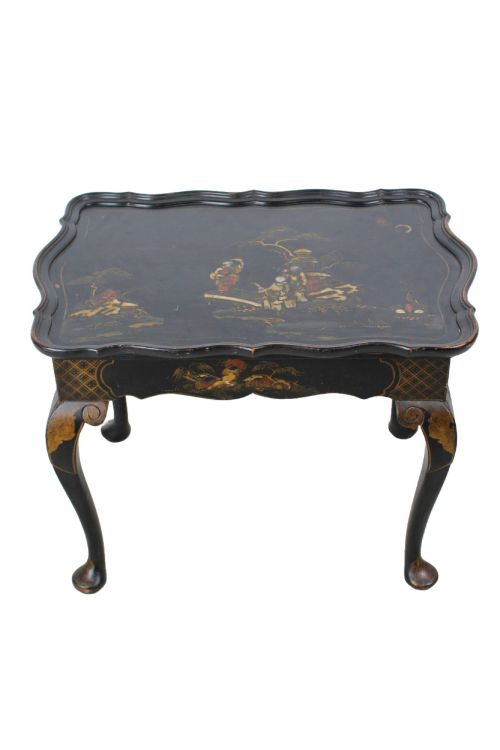
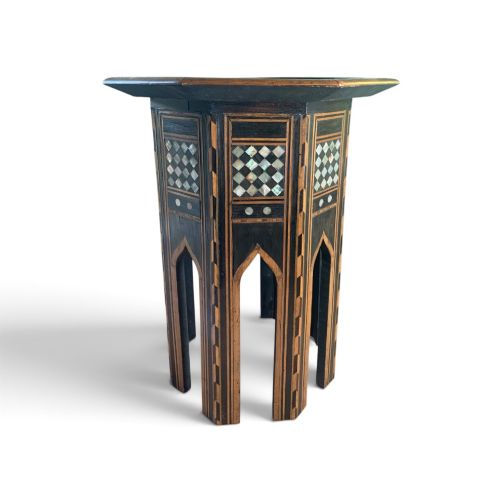
These pieces frequently draw upon distinct design movements, including the Aesthetic Movement, Anglo-Moorish styles, and Louis XV or Empire revivals. Makers of the period adapted traditional European and Asian motifs, producing tables that served both functional writing or display roles and decorative purposes in period interiors.
Materials and Technique
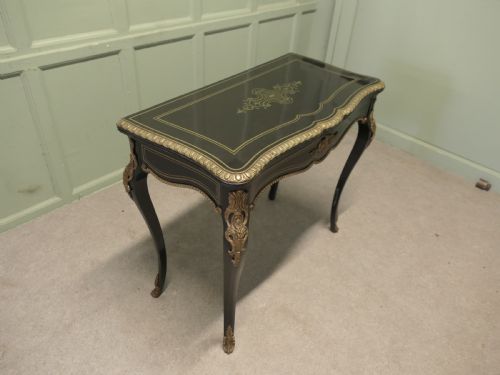
Construction relies heavily on ebonised wood and hardwoods, often paired with contrasting decorative elements like brass inlay, ormolu mounts, and marble tops. Craftsmen achieved the signature black finish by staining or painting timbers such as mahogany, walnut, and rosewood to imitate ebony.
Surface decoration extends beyond simple staining to include parquetry, marquetry, bone inlay, and chip-carving. Workshops utilised these intricate techniques to elevate standard occasional and side tables into high-status decorative objects.
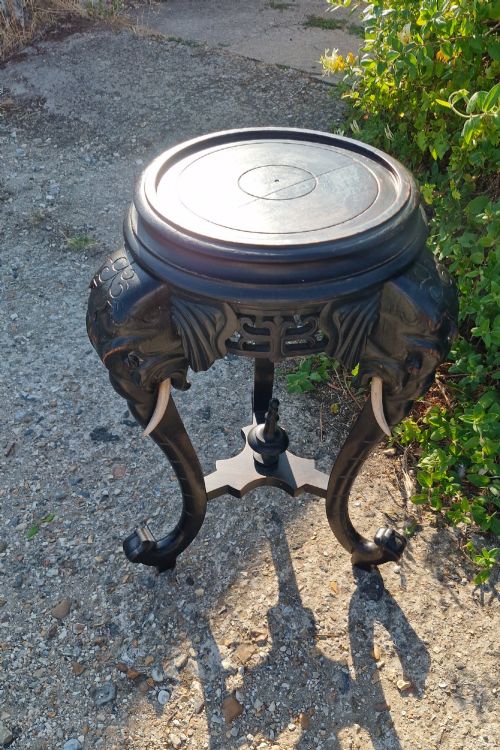
One Victorian table arrives equipped with painted wooden tusks as part of its unusual elephant-inspired design.
Judging Quality
The standard of execution in parquetry, inlay, and surface ebonisation marks the division between ordinary production and finer craftsmanship. Tables displaying precise brass stringing, hand-carved details, or heavy marble and ormolu mounts indicate superior workshop origin.
Structural integrity and the selection of underlying timber, whether solid hardwood or secondary woods beneath the black finish, dictate the longevity and overall caliber of each piece.
JAS Shoolbred·Liberty & Co.·Maison Millet·Gillows
The Ebonised Style Side Table Glossary
- Ebonised
- Wood treated with a dark stain, polish, or paint to simulate expensive ebony. This finish became particularly popular during the Victorian period for furniture in the Aesthetic and Revival styles.
- Parquetry
- Geometric patterns formed by small pieces of wood fitted together in a mosaic fashion. It frequently appears on the tops of writing tables and commodes.
- Ormolu
- Gilt bronze mounts applied to furniture for decorative effect. These cast metal ornaments are typical of French-influenced revival pieces.
- Étagère
- A set of open display shelves supported by columns or pillars. These tiered tables were utilised for holding ornaments and small decorative objects.
- Marquetry
- Decorative veneer work forming pictures or patterns using various woods, shells, or bone. Craftsmen applied these designs to table tops and cabinet doors.
Ebonised Style Side Table: Frequently Asked Questions
What is an ebonised side table?
An ebonised side table is a piece of furniture finished in a dark, black stain to mimic solid ebony wood. These tables were produced across various nineteenth and twentieth-century styles.
They function as versatile display pieces, occasional surfaces, or writing tables within domestic interiors.
How do I date an ebonised table?
Dating relies on identifying the prevailing stylistic influences, such as the Aesthetic Movement, Louis XV Revival, or Edwardian Chinoiserie. Construction methods and secondary timbers also provide clues to the period.
Cabinetmakers often incorporated specific decorative techniques characteristic of their decade of manufacture.
Where were these tables used?
These tables served primarily in principal reception rooms, drawing rooms, and studies of period houses. They held lamps, books, decorative ceramics, and writing materials.
Smaller occasional and bedside versions adapted easily to different private quarters within the home.
Are marble top tables original?
Many console, gueridon, and side tables were constructed specifically to house inset marble tops from the workshop. These stone surfaces provided durable, decorative tops for heavy daily use.
French and English makers frequently paired marble with ebonised frames during the nineteenth century.