
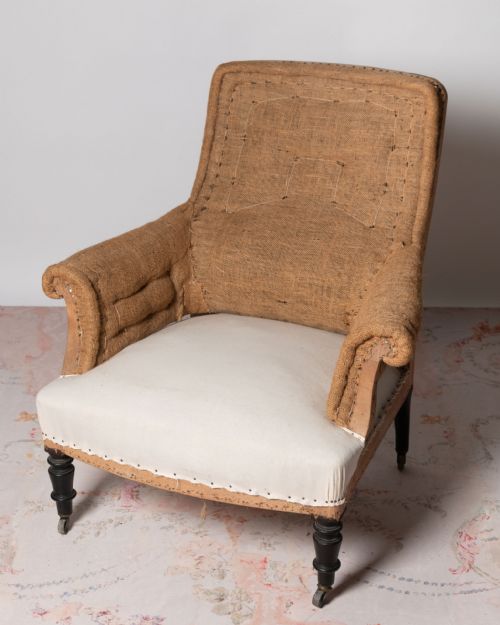


Ebonised Reading Chair
These ebonised reading chair examples bring dark elegance and structured comfort to a room, offering robust support for the avid book lover.
Ebonised Reading Chair
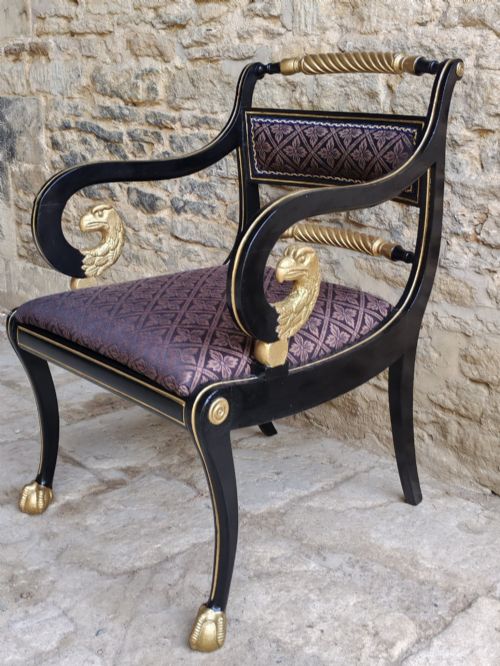
When you search for an ebonised reading chair, you find seating designed for comfort and extended study, characterised by dark finishes that mimic costly ebony. The selections on this page span the Regency, Victorian, and Napoleon III periods, encompassing English and French designs from the nineteenth century.
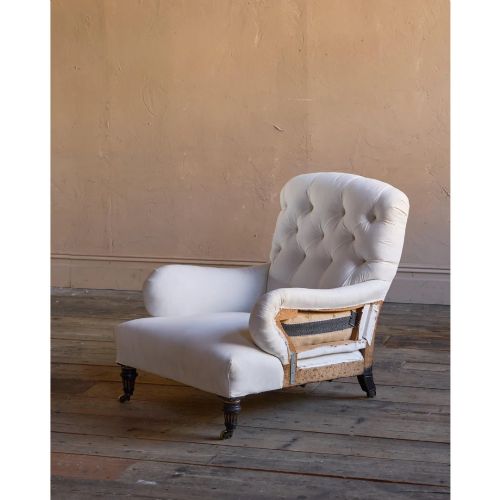
Most pieces you meet here take the form of library armchairs, tub chairs, and reclining seats. They often feature upholstered backs and seats, with several examples displaying aesthetic movement influences or Howard style framing.
Makers utilised various timbers for these frames, finishing them with dark lacquers or ebonisation to achieve a formal appearance. You will encounter open armchairs alongside heavier upholstered forms supported on brass castors.
Materials and construction
Craftsmen built the frames using native hardwoods such as beech and mahogany, applying an ebonised finish to simulate exotic timber. This dark surface treatment frequently highlights carved details and turned legs.
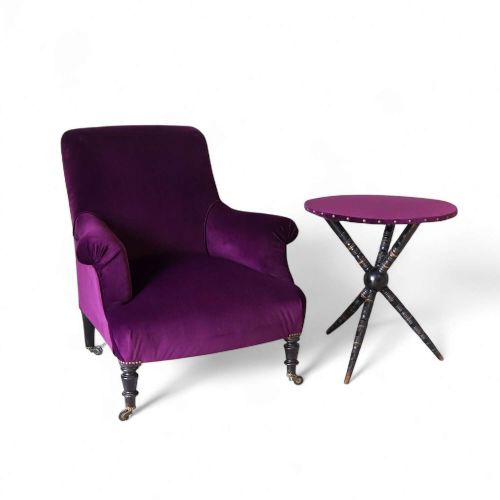
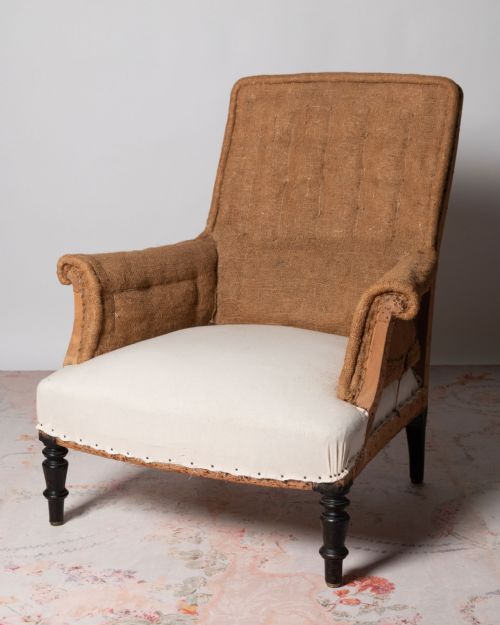
Upholstery relies on traditional stuffing secured beneath materials like calico, hessian, and velvet. Metal components such as brass castors provide mobility to heavier library armchairs.
Listings feature nineteenth-century items spanning Regency, Victorian, and Napoleon III periods, utilising ebonised wood, mahogany, beech, velvet, and brass castors.
Assessing quality
Quality rests in the crispness of the ebonised finish and the integrity of the underlying hardwood frame. Superior pieces retain well-carved showwood and balanced proportions that ensure proper support.
The sophistication of the upholstery work and the retention of original elements, such as brass castors or specific velvet and calico coverings, elevate certain examples above simpler utility seating.
The Ebonised Reading Chair Glossary
- Ebonised wood
- Timber treated with stain or lacquer to resemble genuine ebony. This dark finish became popular during the nineteenth century for formal library and parlour seating.
- Library armchair
- A comfortable upholstered seat designed for reading rooms and studies. These chairs often feature generous armrests and supportive backrests.
- Napoleon III
- A nineteenth-century French design style noted for eclectic revivalism and luxurious upholstery. Pieces from this period frequently display dark finishes and rich textiles.
- Tub armchair
- A seating form characterised by a continuous curved back and arms that enclose the sitter. This shape provides secure lateral support for reading.
- Showwood
- The exposed polished or ebonised timber frame of an otherwise upholstered chair. It showcases the craftsmanship and material quality of the piece.
Ebonised Reading Chair: Frequently Asked Questions
What defines an ebonised reading chair?
An ebonised reading chair is a nineteenth-century seating piece featuring a dark, ebony-mimicking finish applied to wood frames like beech or mahogany. These chairs are built for comfort, often including upholstered backs and armrests suited for studies and libraries.
They appear in various styles including Regency, Victorian, and Napoleon III, reflecting the design preferences of their respective decades.
How were these chairs used originally?
Owners placed these chairs in libraries, studies, and drawing rooms for extended periods of reading or conversation. Their robust construction and supportive upholstery offered the necessary ergonomics for sedentary tasks.
Reclining mechanisms and library models provided additional adjustments for comfort during long hours of study.
How do I fit one into a modern room?
An ebonised reading chair serves as a strong focal point in a contemporary interior due to its dark, sculptural frame. Pair it with a reading lamp and a small table to recreate a traditional study corner.
The neutral or rich velvet upholstery found on many examples allows them to blend easily with various colour schemes.
How do I distinguish Regency from Victorian examples?
Regency ebonised chairs typically display classical restraint, clean lines, and influences from classical antiquity dating around the early nineteenth century. Victorian and later nineteenth-century pieces often feature heavier proportions, carved details, and exuberant tub or showwood shell back designs.
Examining the turning, carving style, and upholstery structure helps clarify the period of origin.