

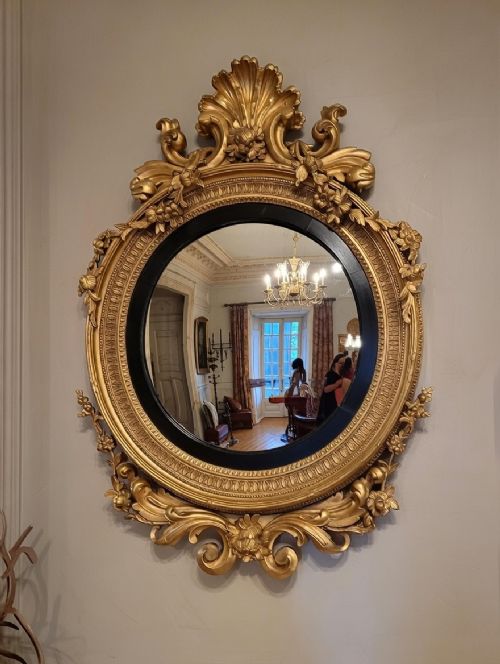


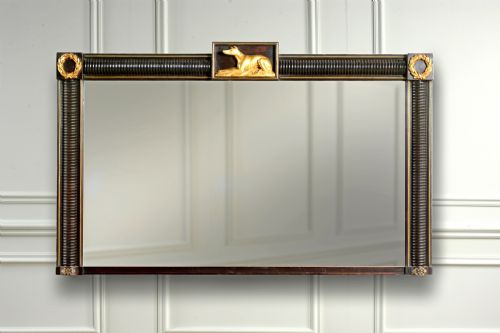


Ebonised Gold Mantle Mirror
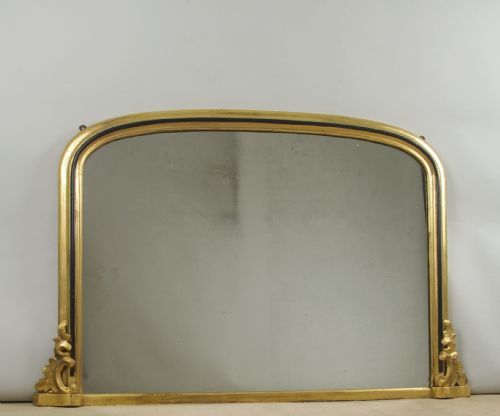
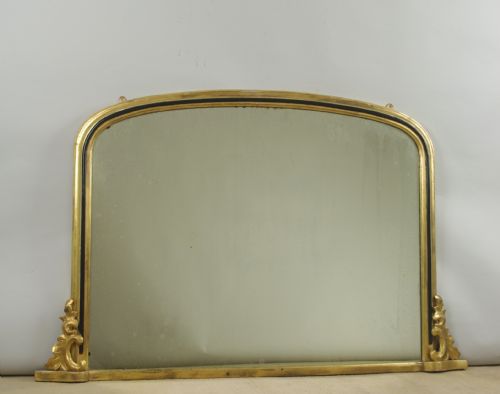
An ebonised gold mantle mirror brings dark contrast and gilded reflection to a room, framing a fireplace with distinct period presence.
Ebonised Gold Mantle Mirror
When searching for an ebonised gold mantle mirror, buyers encounter grand overmantel mirrors and wall-hanging mirrors spanning the Regency and Victorian eras. These large architectural frames were designed to sit above hearths, reflecting light and amplifying the proportions of nineteenth-century reception rooms.
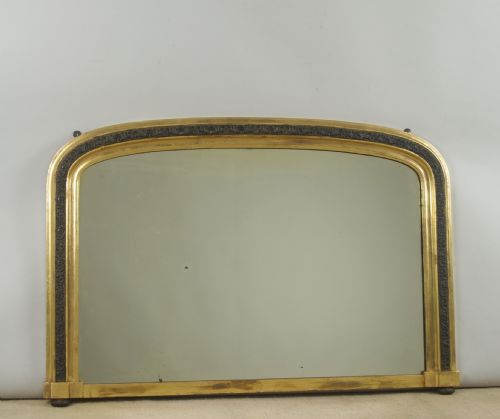
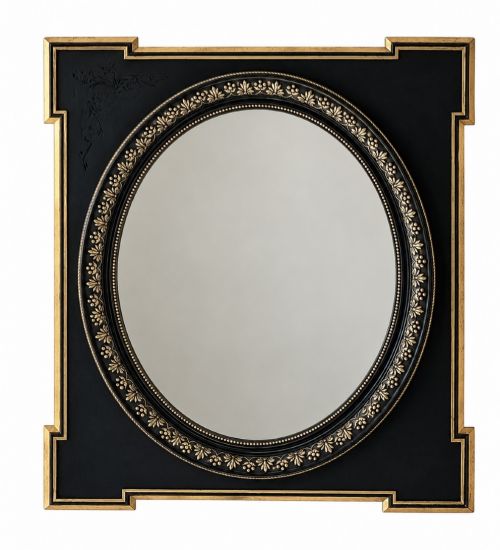
The most common form on this page is the arch top overmantle mirror, frequently rendered in Victorian ebonised wood with parcel gilt detailing or rich black and gold finishes. Alongside these sit Regency rectangular frames and French nineteenth-century examples displaying neoclassical or Egyptian Revival motifs.
Makers utilised dark stained or ebonised surfaces contrasted against bright gilding to create a striking visual tension that defined nineteenth-century interiors. Whether oval, triptych, or large arch top, these objects function as substantial decorative focal points rather than modest looking glasses.
Assessing quality and craftsmanship
Quality in an ebonised gold mantle mirror rests upon the crispness of the gesso mouldings and the depth of the carved or applied ornament. Superior examples display sharply defined details in the gilding and smooth, polished ebonised surfaces that reveal careful preparation of the timber underneath.
The proportion and balance of the frame also dictate value, particularly in large architectural overmantels where the relationship between the glass plate and the surrounding moulding must feel deliberate. Hand-carved wooden elements and intact original gilding distinguish finer workshop production from more routine commercial output.
Ebonised Gold Mantle Mirror Retail Price Guide 2026
Typical asking prices for ebonised gold mantle mirror among the pieces listed under this phrase on Sellingantiques today, from the lower quarter to the upper quarter. They describe what is for sale here now, not the wider market.
Materials recorded across the inventory include giltwood, gesso, ebonised wood, mirror glass, and gold leaf.
The Ebonised Gold Mantle Mirror Glossary
- Ebonised wood
- Timber stained or finished to resemble expensive ebony, popular in nineteenth-century cabinetmaking for its dark, uniform appearance. This technique provided a sharp contrast to bright gilding.
- Gesso
- A plaster mixture applied to wood frames to create a smooth surface for gilding or to build up relief decoration. It allows for intricate mouldings and sharp details.
- Parcel gilt
- A decorative treatment where only specific portions of an object are gilded while the rest remains painted or stained. On these mirrors, it highlights carved details against the black wood.
- Overmantel mirror
- A large mirror specifically designed to be hung or placed on the mantelpiece above a fireplace. They dominated nineteenth-century drawing rooms to maximise reflected light.
- Triptych
- A mirror divided into three distinct vertical sections within a single frame. This configuration was favoured during the Regency period for wide chimney breasts.
Ebonised Gold Mantle Mirror: Frequently Asked Questions
How do I hang a heavy overmantel mirror safely?
These large mirrors possess substantial weight due to their timber frames and thick glass plates, requiring professional wall anchors fixed directly into masonry or studs.
Hardware should distribute the load evenly across the frame's upper structure to prevent warping or accidental detachment from the wall.
Are the mirror plates usually original?
Many nineteenth-century mirrors retain their original glass, which often exhibits minor foxing, dark spots, and light surface distortion.
Original plates contribute significantly to the character and authenticity of the piece, reflecting the manufacturing techniques of the era.
How should I clean an ebonised and gilt frame?
Dusting with a soft, dry microfibre cloth removes surface particles without disturbing delicate gold leaf or fragile gesso mouldings.
Moisture and modern chemical cleaners must be avoided entirely, as they can strip the ebonised finish and ruin historic gilding.
What is the difference between Regency and Victorian styles here?
Regency frames frequently lean towards classical restraint or neoclassical and Egyptian Revival motifs, often utilising clean architectural lines and bright giltwood.
Victorian examples on this page tend towards heavier proportions, arch tops, and the dramatic combination of ebonised black surfaces with parcel gilding.