





Ebonised Glass Display Cabinet
An ebonised glass display cabinet brings dark polish and clear panes together to showcase treasured possessions with nineteenth-century elegance.
Ebonised Glass Display Cabinet
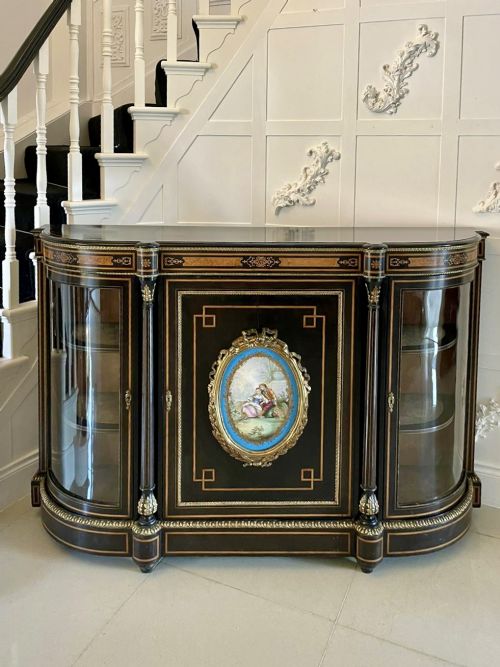
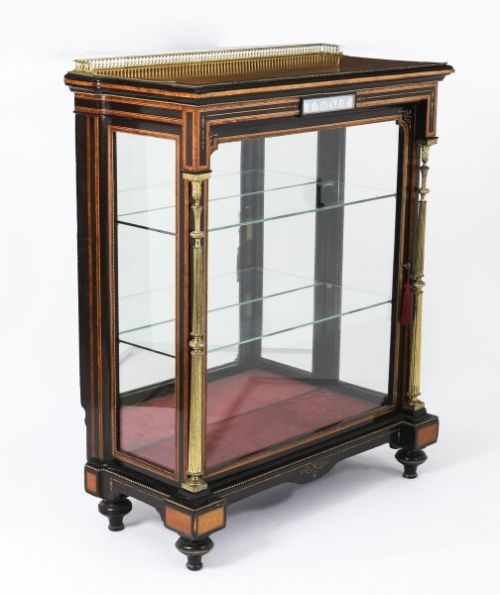
An ebonised glass display cabinet comprises glazed storage furniture finished with dark, blackened wood surfaces designed to highlight the contents within. These items span Victorian, Edwardian, and Art Deco periods, drawing on French Napoleon III, Aesthetic Movement, and Revival styles.
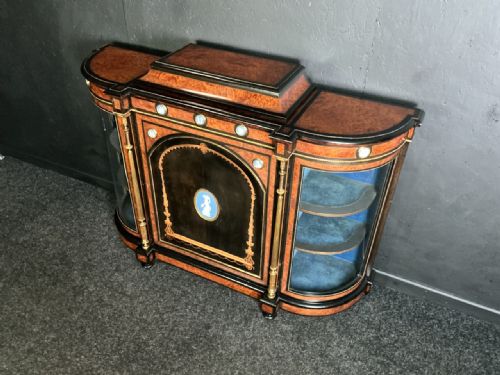
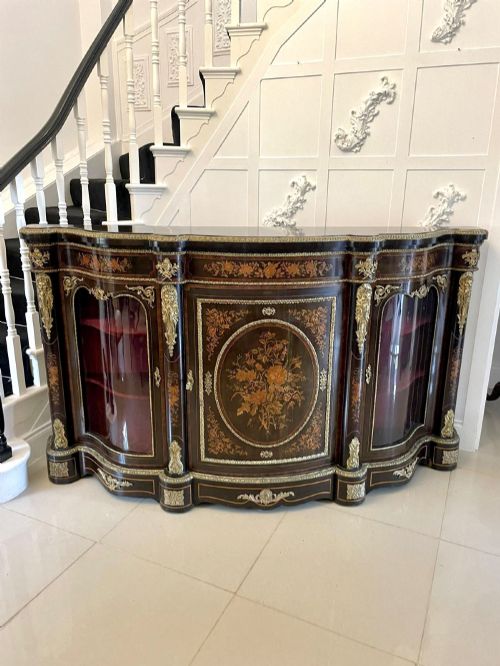
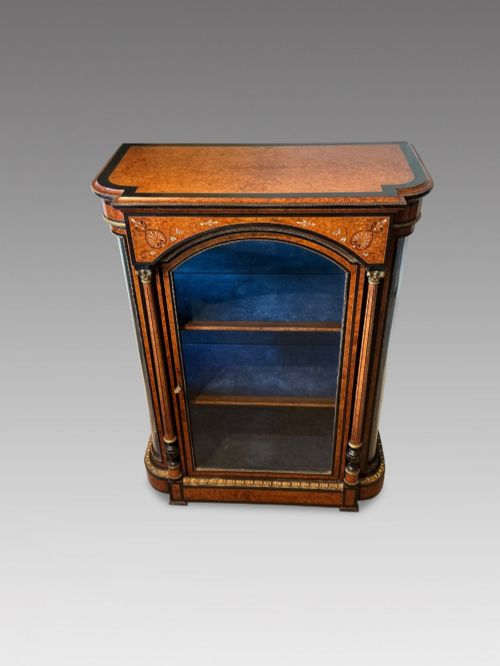
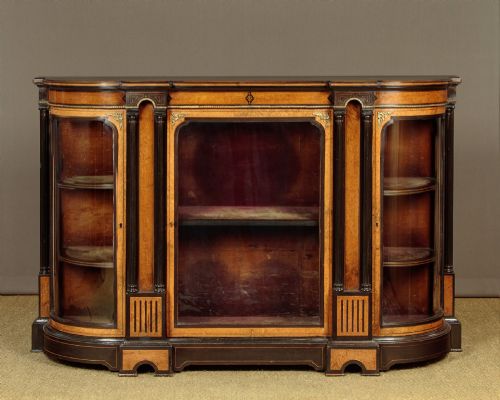
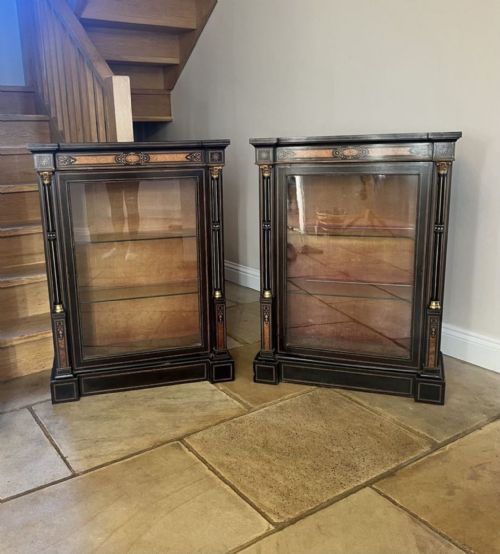
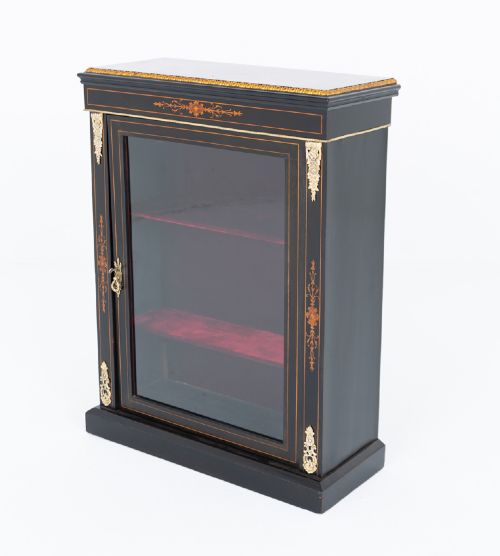
Buyers will most frequently encounter nineteenth-century credenzas, pier cabinets, and side cabinets featuring glazed doors and ebonised timber structures. Many examples incorporate inlaid amboyna, burr walnut, brass mounts, and ormolu details alongside the primary dark finish.
How they were made
Cabinet makers utilised dense hardwoods treated with dark stains or black paint to achieve the signature ebonised appearance, often mimicking costly ebony. Glass panels were fitted into framed doors to protect objects from dust while maintaining visibility.
Construction frequently incorporated contrasting veneers such as amboyna and burr walnut, alongside brass inlay, ormolu mounts, and delicate floral marquetry. Interiors were sometimes lined with velvet or fitted with porcelain plaques and mirrored backs to enhance light reflection.
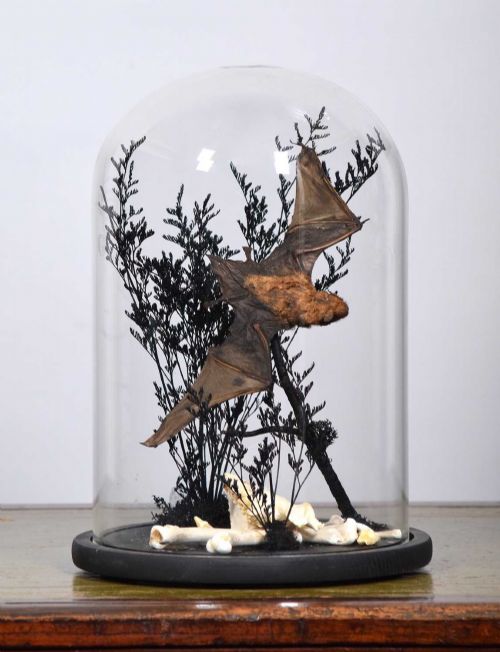
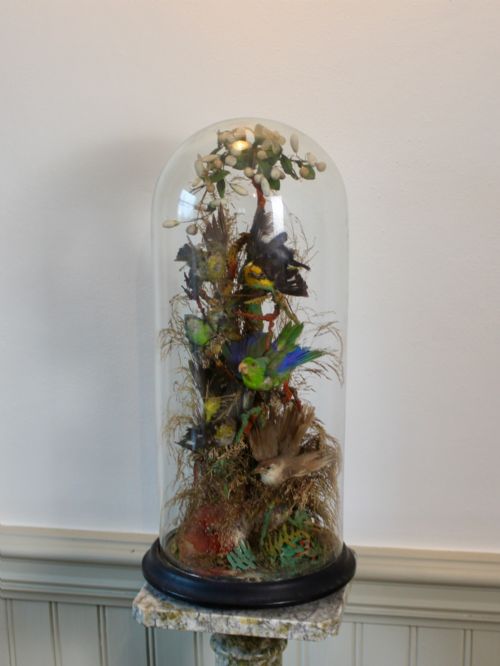
Some nineteenth-century display cabinets share space with taxidermy birds and domes.
What varies in quality
The standard of execution in ebonised woodwork and marquetry inlay sets individual pieces apart, distinguishing simple workshop production from finer cabinet work. Crispness in cast ormolu mounts and precision in brass stringing also mark the division between standard and superior examples.
Proportion and architectural form dictate desirability, with serpentine fronts, breakfront layouts, and mirrored backs representing more ambitious designs. The preservation of original glass panes, velvet linings, and polished finishes contributes significantly to the integrity of the piece.
Gillow
The Ebonised Glass Display Cabinet Glossary
- Ebonised
- Wood treated to imitate ebony by staining or painting it a deep, uniform black. This finish gained immense popularity during the Victorian era for furniture and display cases.
- Credenza
- A low cabinet or sideboard, frequently fitted with glass doors and central shelving. In nineteenth-century interiors, these served both for display and serving.
- Ormolu
- Gilded bronze used for decorative mounts and feet on furniture. It adds bright metallic contrast to dark ebonised wooden surfaces.
- Marquetry
- Decorative veneer patterns formed from pieces of wood, shell, or ivory fitted into wood panels. Floral motifs are commonly found on Victorian ebonised cabinets.
- Pier Cabinet
- A narrow display cabinet designed to fit against the wall space between windows. These glazed pieces typically house porcelain, glass, or small collectibles.
Ebonised Glass Display Cabinet: Frequently Asked Questions
What is an ebonised glass display cabinet?
An ebonised glass display cabinet is a piece of nineteenth-century or early twentieth-century furniture featuring dark blackened wood and glass panels. These cabinets were built to showcase porcelain, books, and decorative objects while protecting them from dust.
They appear in various forms including credenzas, pier cabinets, and freestanding bookcases. The dark finish provides a stark backdrop that emphasises the items stored inside.
Where should I place an ebonised glass display cabinet?
These cabinets suit drawing rooms, dining rooms, and hallways where their dark wood and glass fronts can catch ambient light. Placing them away from direct sunlight protects both the ebonised finish and any delicate interior velvet linings.
Because many examples feature finished sides or mirrored backs, they work well against prominent walls or between architectural openings. Ensure the floor is level so that heavy glass doors hang and close correctly.
How do I care for ebonised wood?
Maintain ebonised surfaces by dusting them regularly with a soft, dry cloth to prevent dirt accumulation. Avoid harsh chemical cleaners or silicone sprays, which can damage the dark finish over time.
Occasional application of appropriate furniture wax helps preserve the sheen of the blackened timber. Keep the glass panes clean using standard glass cleaner applied to a cloth rather than sprayed directly near the wood.