


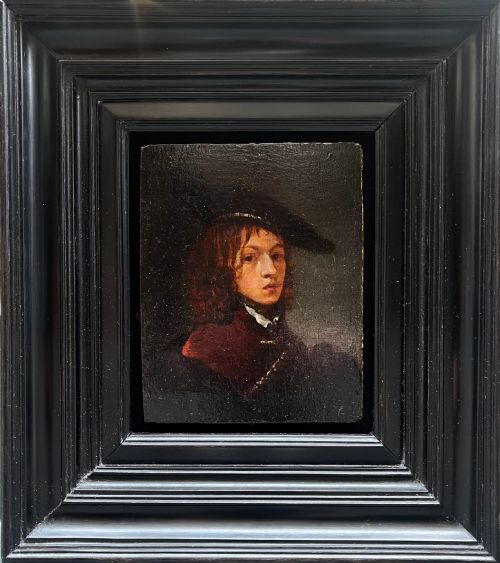
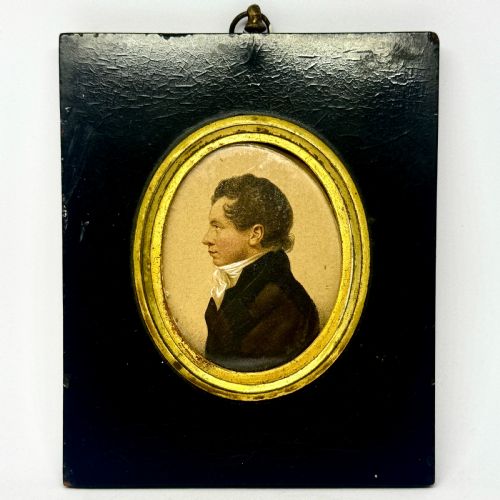
Ebonised Framed Wall Art
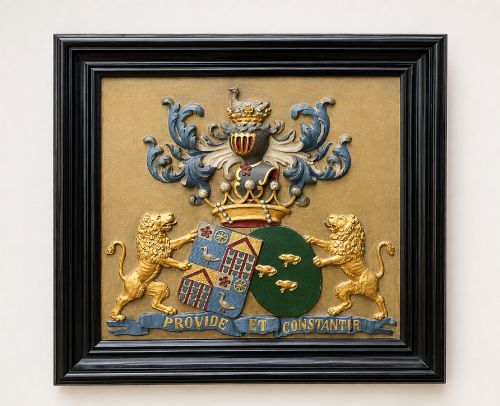
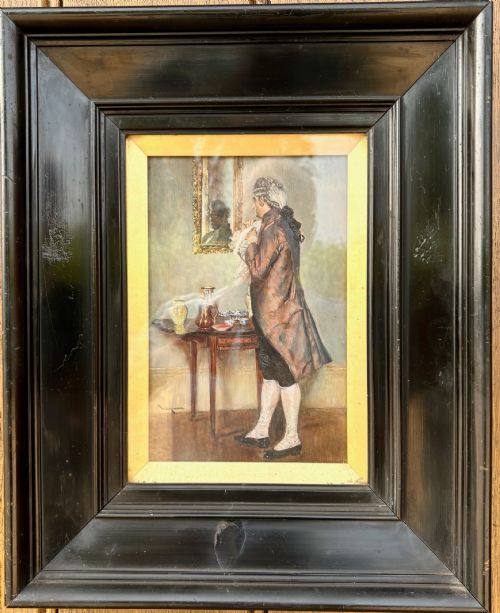
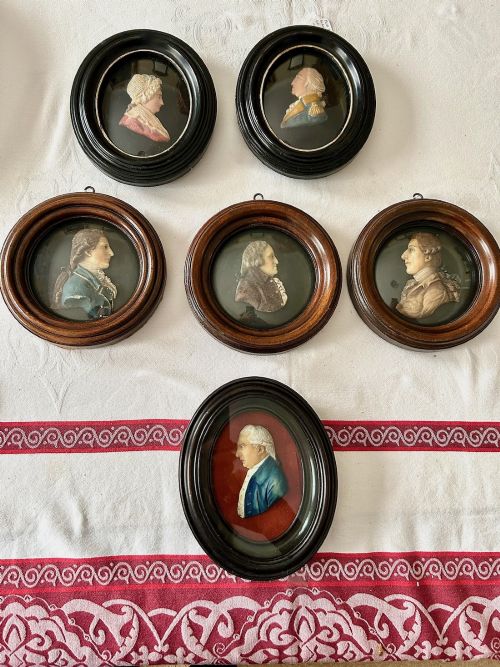
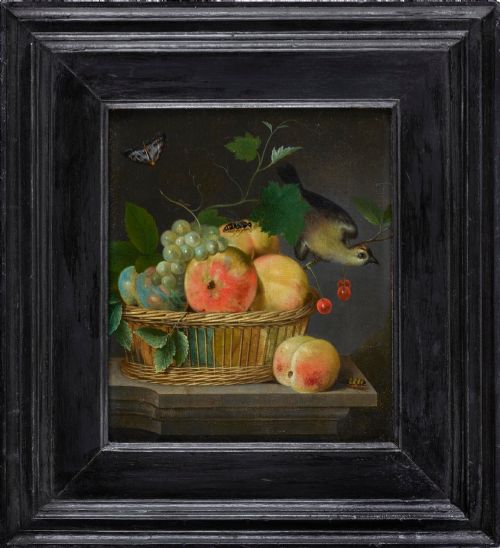
These ebonised framed wall art pieces bring dark, crisp moulding and centuries of portraiture and mosaic work straight to your walls.
What ebonised framed wall art pieces are
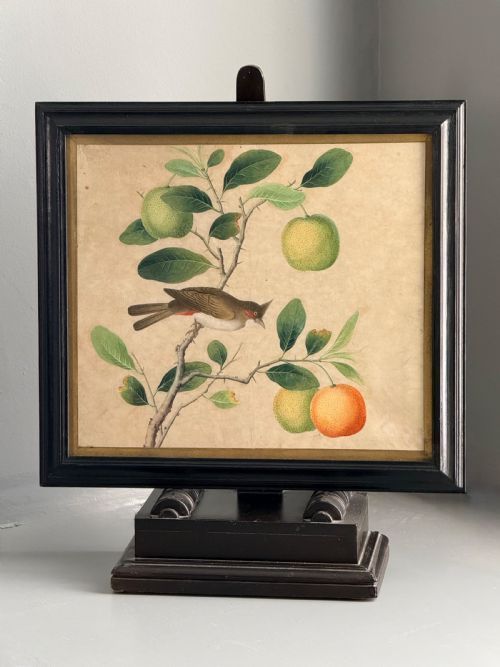
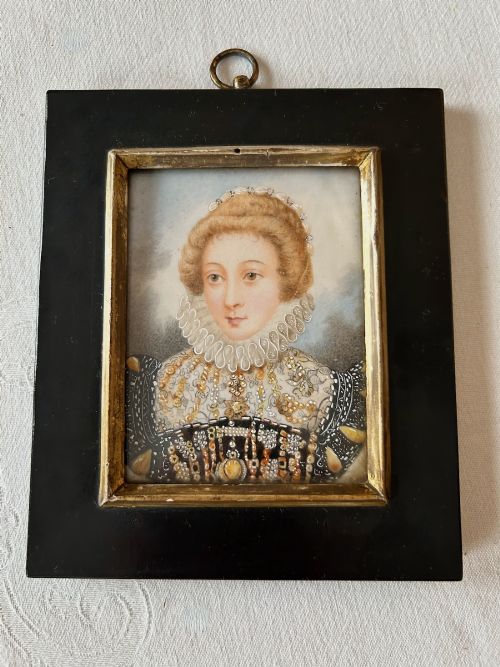
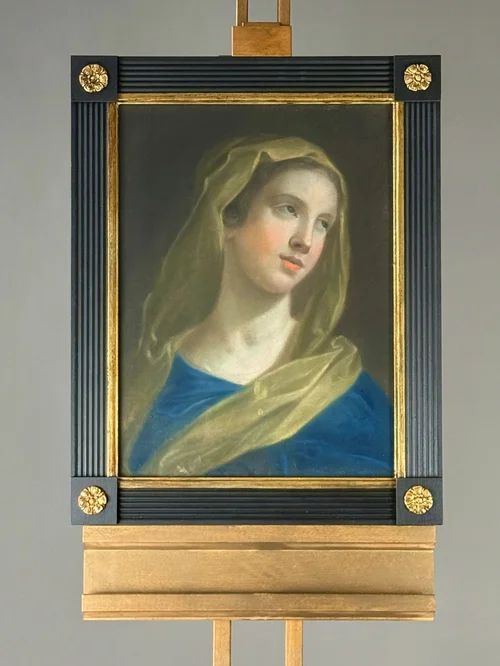
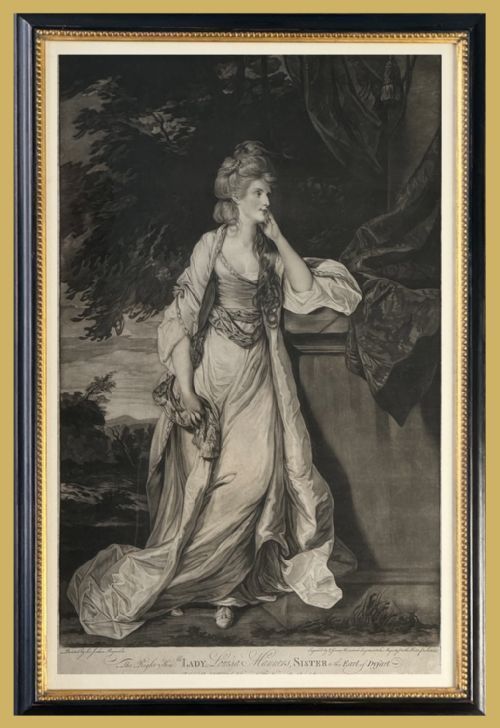
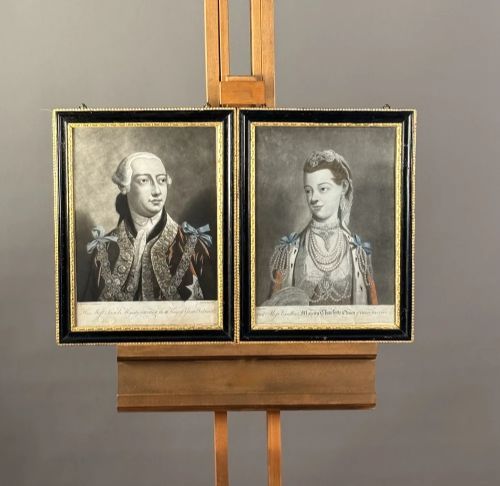
When you search for ebonised framed wall art, you encounter dark timber borders containing centuries of painting, paper work and mosaic craftsmanship. These works range from early Italian Renaissance portraits of noblewomen to Georgian romantic ruin paintings and Regency cut paper floral scenes.
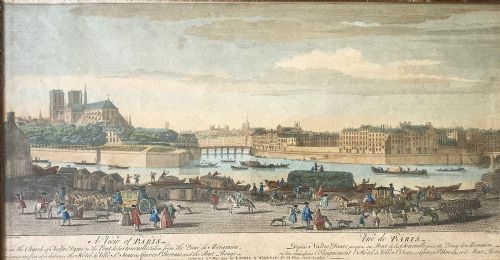
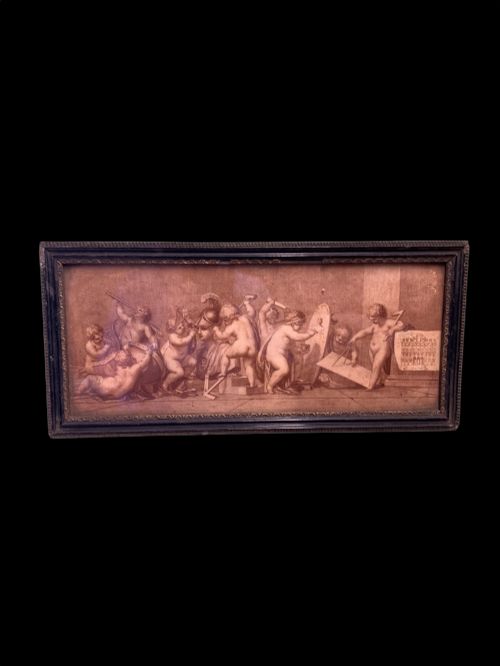
The pieces on this page lean heavily into historic portraiture and detailed decorative panels. You find subjects spanning the sixteenth century, the eighteenth century, the Regency period and the mid nineteenth century.
Framing dictates much of the visual weight in this group. Ebonised wood provides a sharp, dark perimeter that isolates the subject and focuses the eye entirely on the artistry within.
What varies in quality
The fineness of the interior artwork sets the standard across these pieces. A tightly executed micromosaic plaque or a masterfully rendered sixteenth century portrait commands attention through precision of line and depth of expression.
Frame construction and material preservation also separate the tiers. Original ebonised wood frames showing crisp moulding edges and minimal surface loss hold greater historical integrity than later replacements or heavily restored surrounds.
Retail Price Guide 2026
Typical UK retail prices for ebonised framed wall art, calculated from the Sellingantiques database of over a million retail prices indexed since 2003. This retail price guide relies exclusively on Sellingantiques data; no external sources or auction records are used, so the figures do not describe the wider market.
Current listings feature oil paint, glass tesserae and cut paper set within ebonised wood and gilt frames.
The Ebonised Framed Wall Art Glossary
- Ebonised
- Wood treated to resemble dense, black ebony. This dark finish creates a strong visual boundary for the artwork.
- Micromosaic
- An image assembled from tiny coloured glass tesserae. Artisans set these microscopic pieces by hand into a adhesive base.
- Regency
- A British design period spanning the early nineteenth century. Pieces from this era often display classical restraint and delicate craftsmanship.
- Tessera
- An individual small block of stone, glass or tile used in mosaic work. These tiny units form complex pictorial scenes when grouped together.
Frequently Asked Questions
What periods do these pieces cover?
The pieces span from the sixteenth century through the Georgian and Regency eras up to eighteen sixty. Each era brings distinct subjects and mounting styles.
Early works focus on noble portraits while later items showcase micromosaics and cut paper.
How should I hang ebonised frames?
Ensure your wall fixings match the weight of the timber frame and glass elements. Dark mouldings look striking against neutral or richly coloured wall backgrounds.
Keep pieces away from direct sunlight to protect fragile oil paint and paper components.
Are these works hand painted?
Many pieces feature hand applied oil paint or meticulous hand cut paper work. Other items utilise tiny glass tesserae assembled into intricate pictorial plaques.
Every technique reflects the artisanal standards of its specific century.