

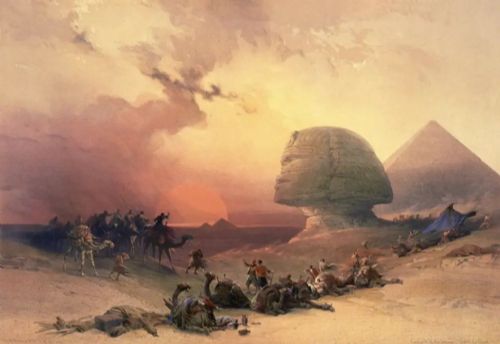
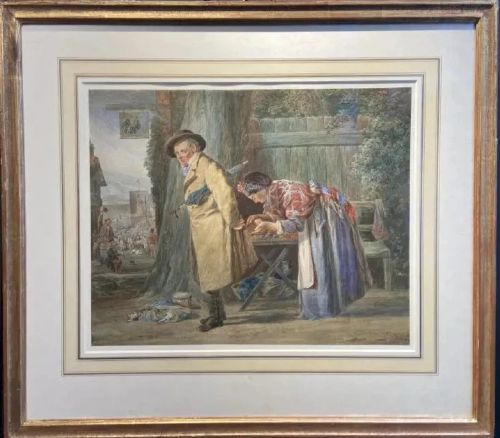
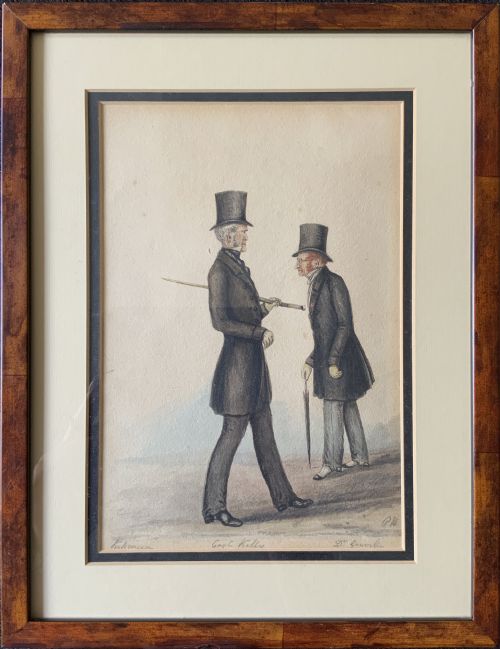
19th Century Paper Picture
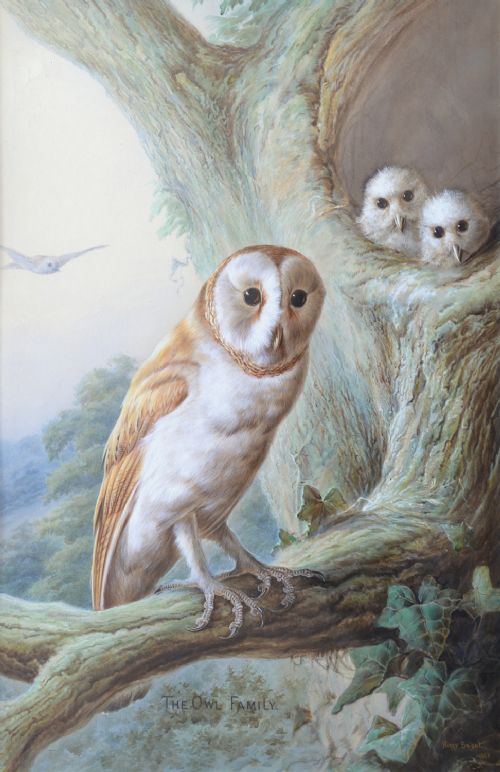
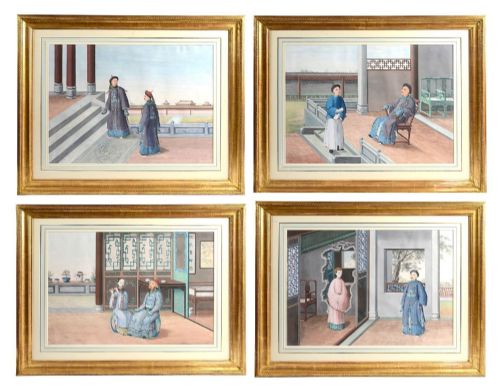
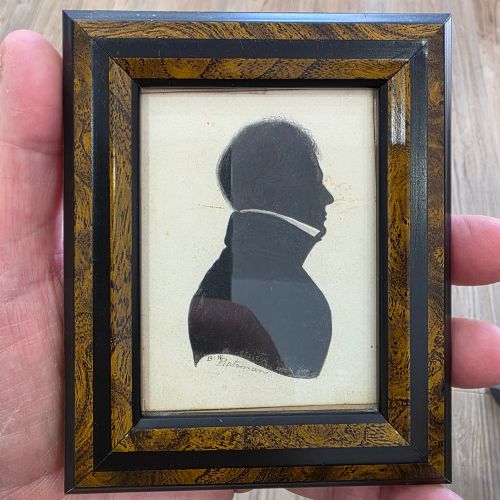
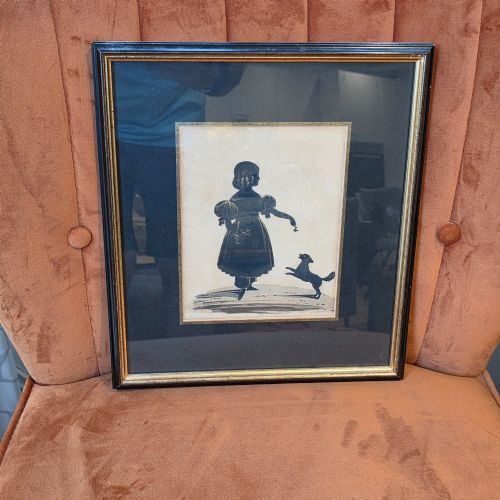
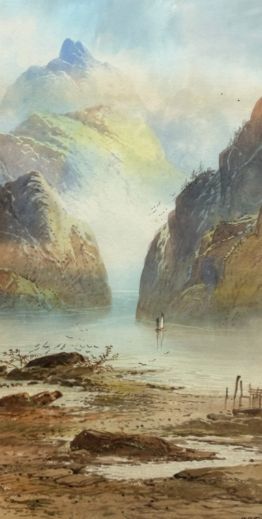
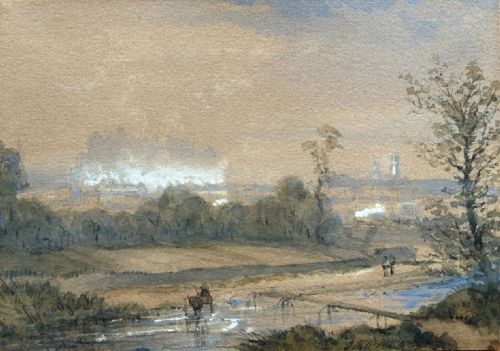
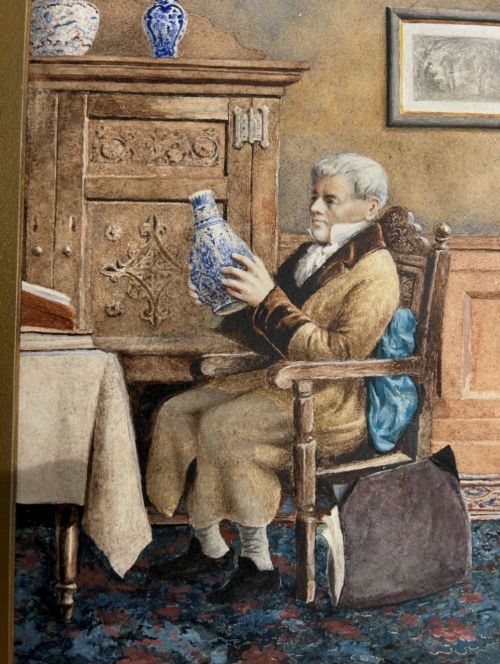
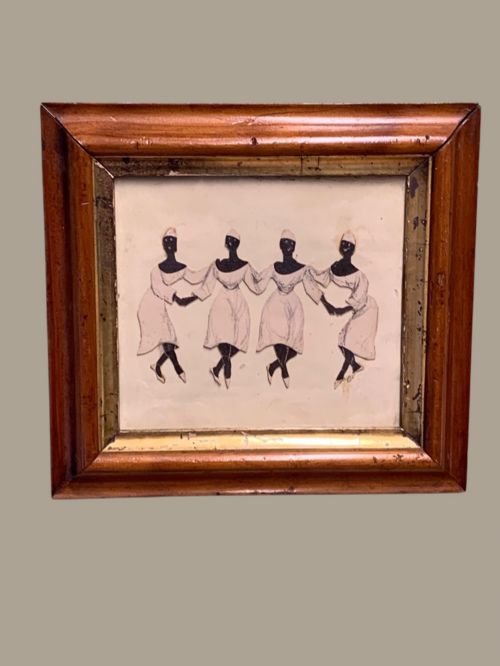
These delicate works demonstrate the enduring appeal of a 19th century paper picture, combining fine silhouette cutting, intricate collage, and detailed watercolour.
19th Century Paper Picture
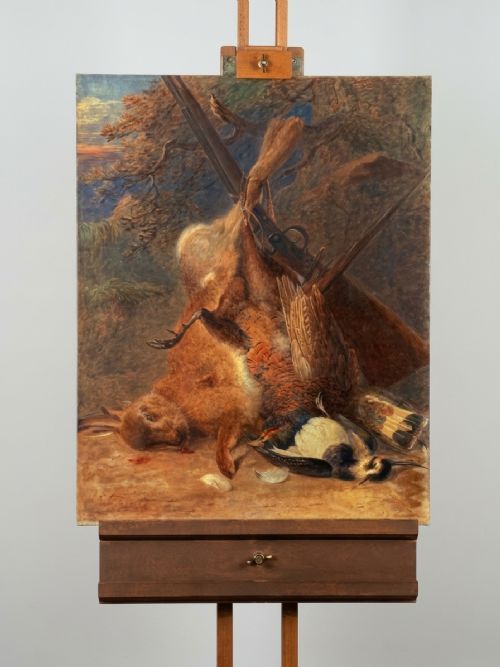
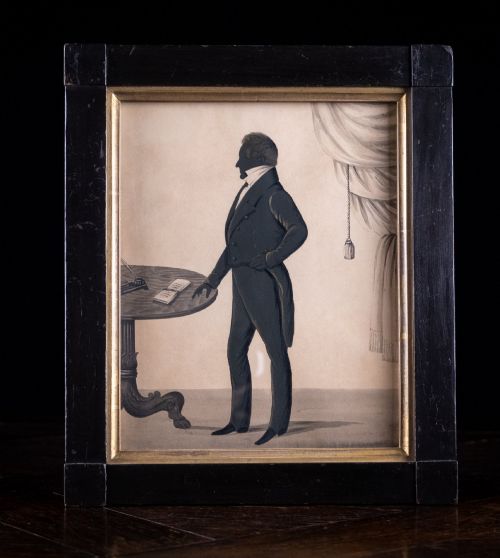
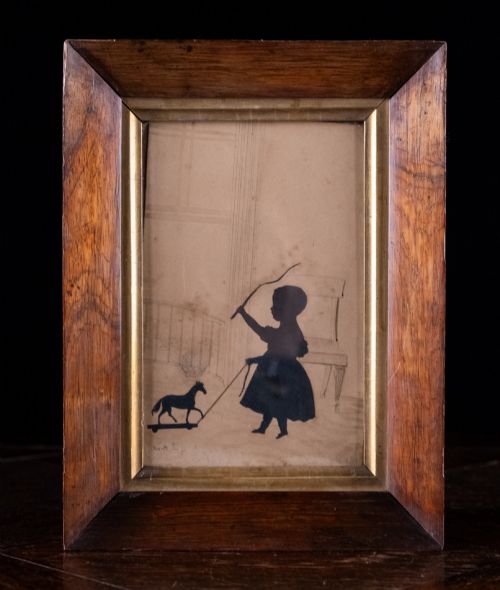
When searching for a 19th century paper picture, collectors encounter a diverse array of framed works spanning silhouettes, watercolours, and early collage. These pieces capture domestic scenes, portraiture, and landscapes executed during the Regency and Victorian periods.
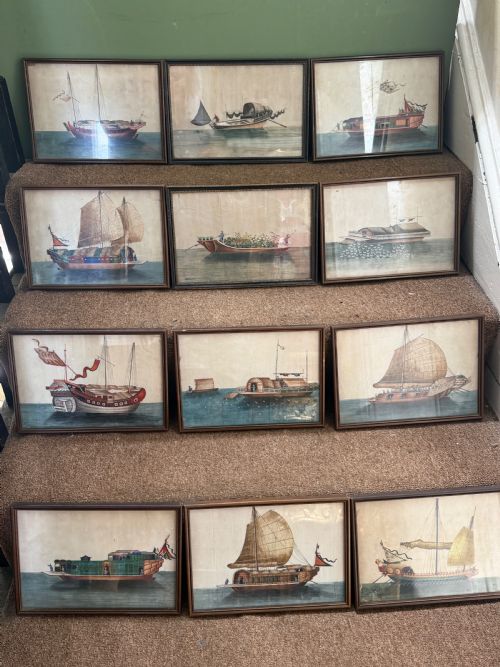
The most common examples on this page are silhouette portraits and delicate watercolour paintings on paper housed in original wood or gilt frames. Examples range from Chinese Export gouache paintings of ships to intricate cut paper floral compositions.
Originating predominantly from British and European hands, these works reflect the domestic artistic output of the 1800s, utilising the delicate medium of paper alongside ink and pigment.
How they were made
Artists and craftsmen utilised fine paper as the primary support, frequently combining it with cut silhouette techniques, watercolour pigment, and ink. Some works incorporate rolled paper scroll work and collage elements to create three-dimensional depth.
Framing played an integral role in preservation, with many pieces retaining glass and original wooden or Hogarth frames that protect the fragile paper components from atmospheric damage.
The selection spans the nineteenth century, encompassing Regency and Victorian aesthetic movements.
What varies in quality
Quality rests upon the precision of the cutting or brushwork and the preservation of the paper support against foxing and fading. The presence of a recognised artist signature or attribution elevates the standing of an individual piece.
The retention of original framing, whether gilt, Hogarth, or simple wood, contributes significantly to the integrity and visual coherence of the finished artwork.
William James Hubard·Augustin Edouart·David Roberts·Thomas Cooper Moore·Edwin Lord Weeks
The 19th Century Paper Picture Glossary
- Silhouette
- A portrait or scene represented as a solid shape of a single colour, usually black, cut from paper or painted. These were widely produced before the widespread adoption of photography.
- Gouache
- An opaque watercolour paint consisting of pigment mixed with a water-soluble binder. It produces a dense, matte surface often seen in Chinese Export works.
- Collage
- An artistic composition made from various materials glued on a surface. In this period, it frequently involved layered paper elements.
- Foxing
- The yellowish-brown spots often found on old paper caused by chemical reactions in the medium. Its presence is common in works of this age.
- Mezzotint
- A printmaking process of the drypoint method, allowing smooth gradations of tone. It was utilised for producing tonal reproductions of paintings.
19th Century Paper Picture: Frequently Asked Questions
How should I display paper pictures safely?
Keep framed paper art away from direct sunlight to prevent the watercolour pigments and silhouettes from fading over time. Maintaining a stable room temperature helps protect the delicate paper support from moisture damage.
Ensure the piece remains sealed within its original or a conservation-grade frame to shield the surface from dust and atmospheric pollutants.
What subjects are common in these artworks?
Portraits and silhouettes of gentlemen, children, and families dominate the earlier part of the century. Landscapes, coastal scenes, and botanical subjects gain prominence in the Victorian era.
Genre scenes depicting everyday life and international subjects, including Chinese Export shipping, also appear frequently across the period.
How do I distinguish Regency from Victorian pieces?
Regency items, produced in the early decades of the century, often feature neoclassical styling, delicate cut paper work, and restrained portrait silhouettes. Victorian works tend to showcase richer watercolour palettes, busier landscape compositions, and more elaborate framing.
Stylistic cues in costume and hair within portrait silhouettes also offer reliable indicators of the specific decade of production.
Are these works usually signed by the artist?
Many professional works bear signatures, inscriptions, or attribution notes written directly on the paper or the reverse of the mount. Prominent practitioners often signed their silhouette cuttings or watercolour landscapes.
Unsigned works from regional schools or amateur creators are also common, reflecting the popular pursuit of drawing and papercraft during the nineteenth century.