
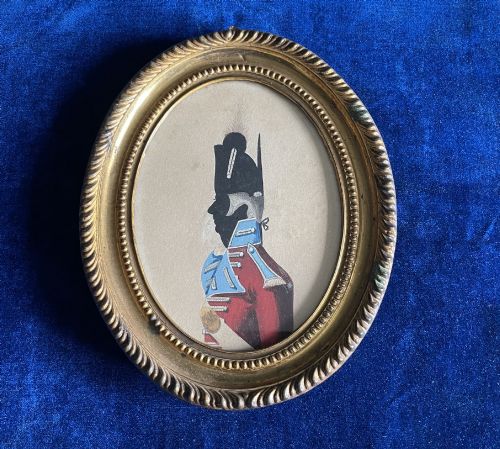
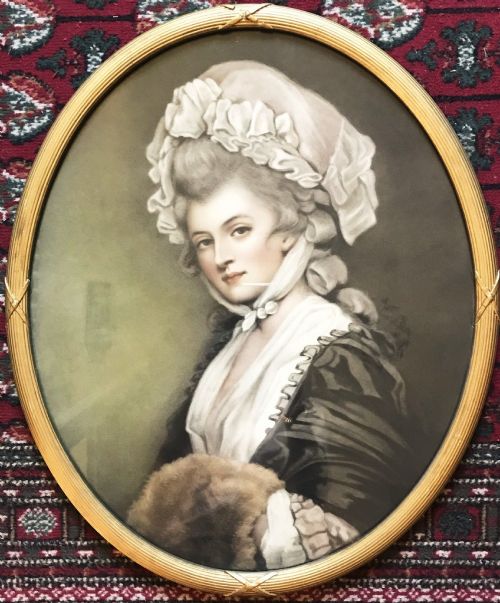
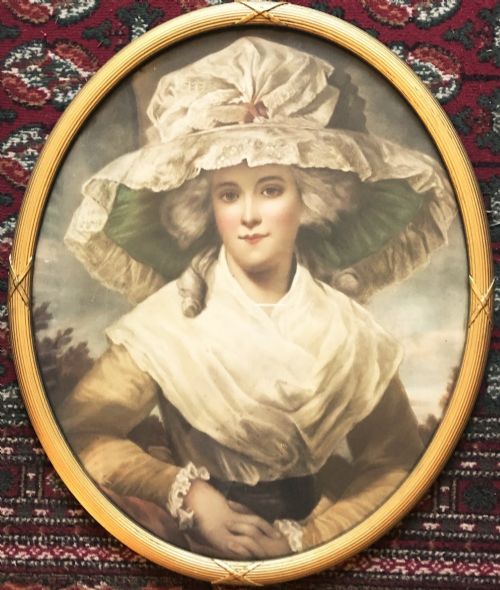
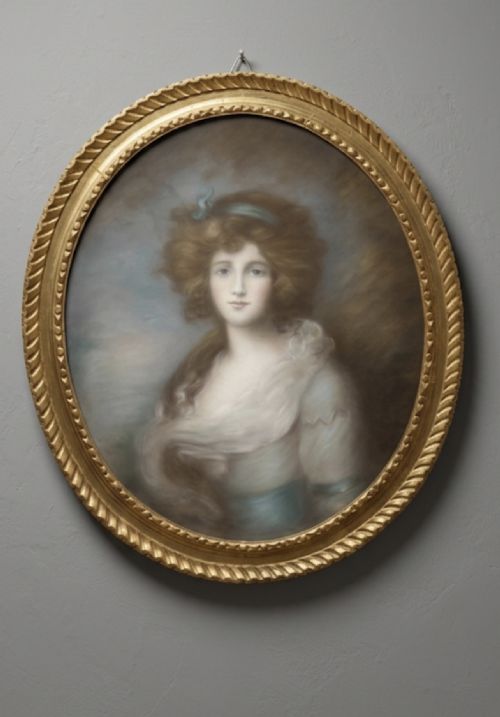
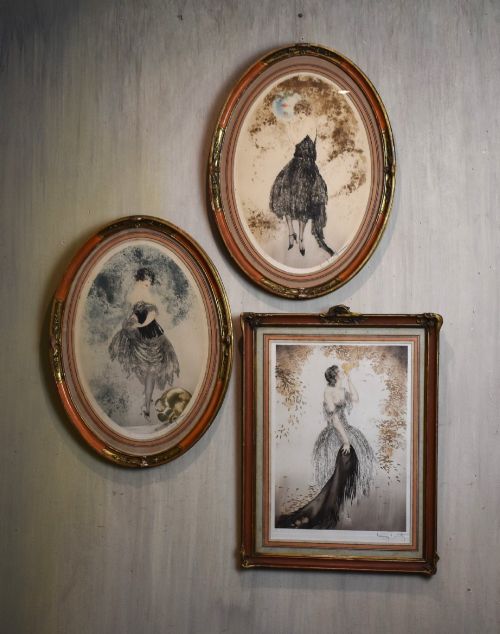
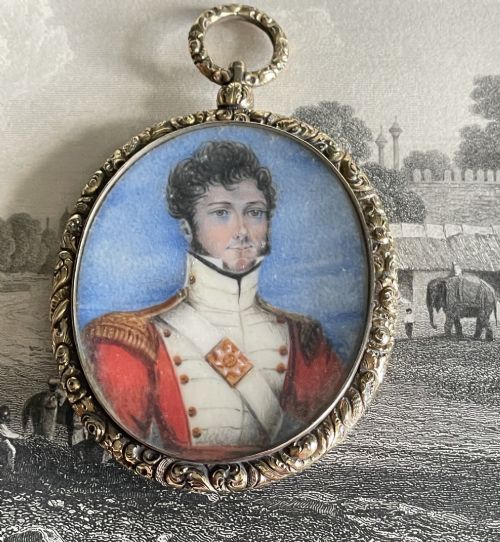
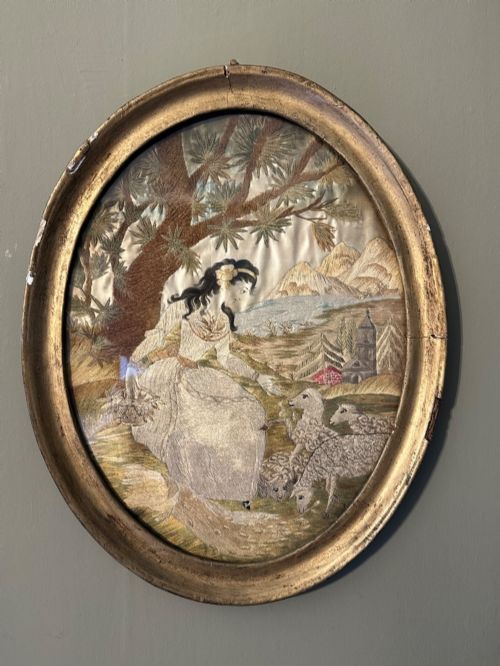

Gilt Oval Framed Picture
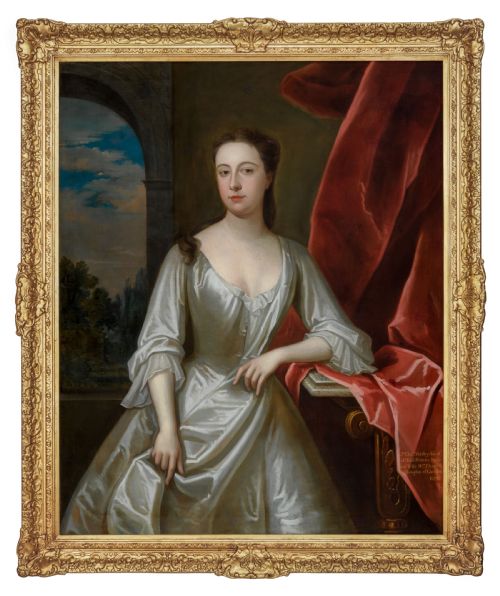
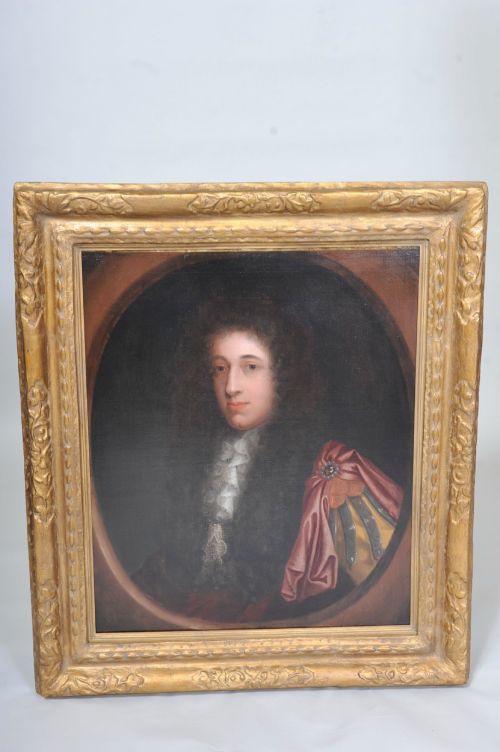
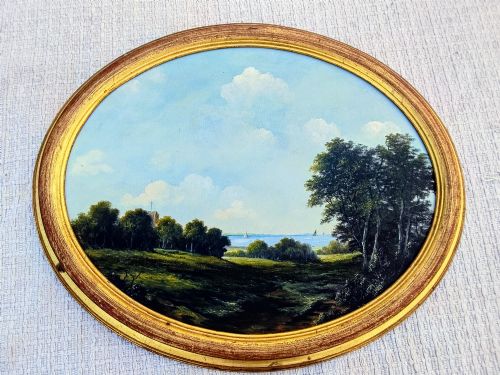
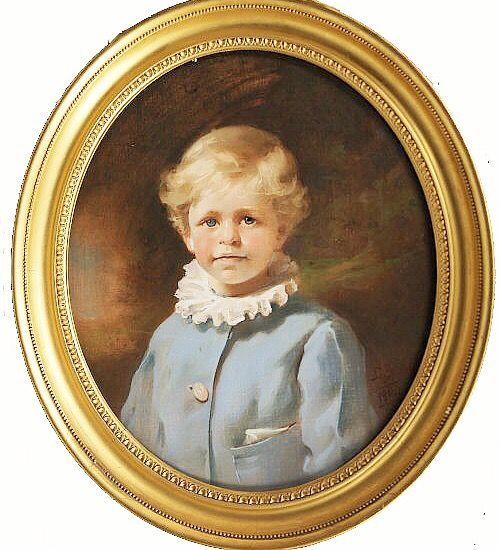
A gilt oval framed picture brings instant vertical rhythm to a wall, combining curved timber moulding with intimate portraiture or textile art.
Gilt Oval Framed Picture
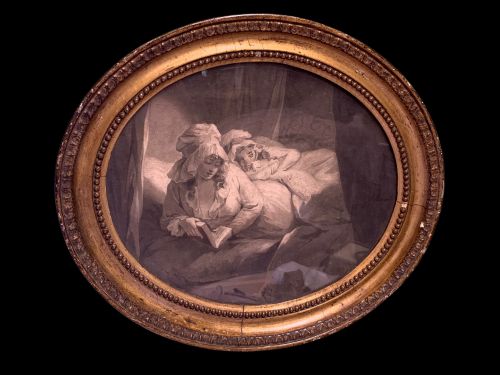
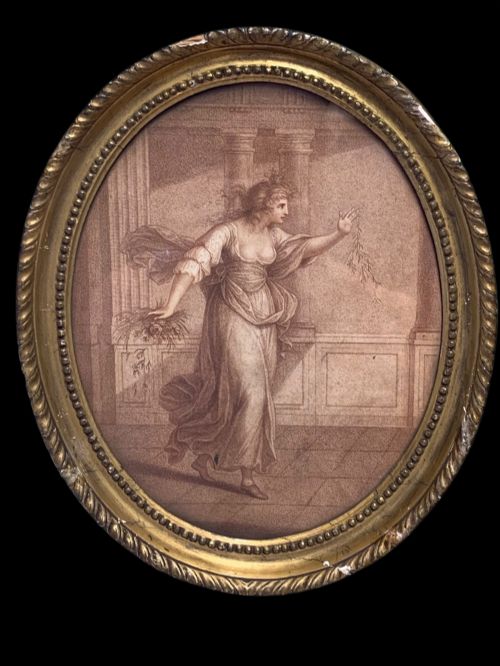
A gilt oval framed picture encompasses a diverse group of works designed for wall display, ranging from oil portraits and pastels to silkwork embroidery and engravings. The predominant format pairs a curved frame with historic portraiture, often depicting subjects from the eighteenth and nineteenth centuries.
Examples on this page span several key periods, including Georgian, Regency, and Victorian eras, alongside early twentieth-century interpretations. Creators utilised various mediums within these rounded borders, including watercolours, charcoal, and needlework.
The objects serve primarily as decorative focal points, drawing the eye through their distinct curved geometry. Buyers encounter both original period pieces and later framed prints styled after earlier aesthetics.
How they were made
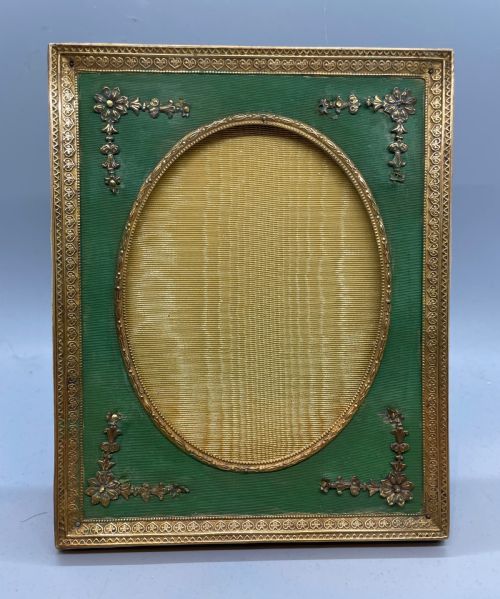
Makers constructed the enclosing mouldings from wood and giltwood, applying layers of gold leaf or gilt bronze to achieve a reflective metallic surface. Carved Florentine elements and French Rococo flourishes demonstrate the detailed joinery required to house curved glass securely.
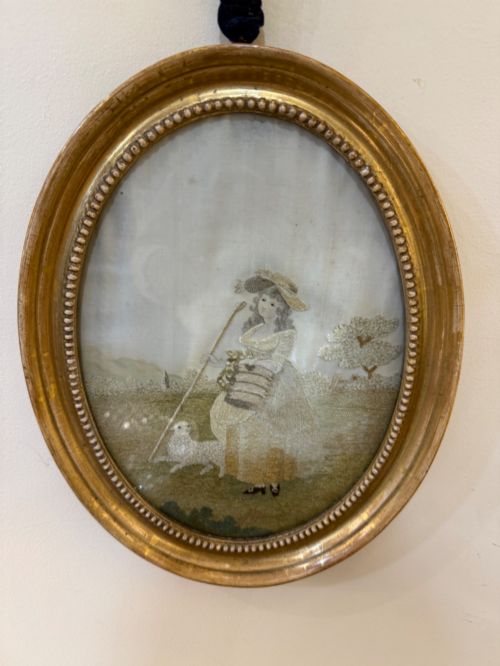
The artworks themselves utilise traditional graphic media such as oil on canvas, pastel, and paper, alongside intricate textile techniques like silkwork, woolwork, and shellwork. Craftsmen protected these delicate watercolours and engravings beneath glazed covers, sometimes incorporating verre églomisé borders.
Listings feature eighteenth-century engravings, Regency silkwork, and nineteenth-century oil paintings mounted in carved giltwood and ormolu.
What varies in quality
The depth of hand-carving in the wooden frame separates standard production from superior craftsmanship, particularly where true giltwood and cast ormolu are present. Crisp detailing in the moulding reflects the artisan's skill in shaping timber to a precise curve.
Artistic execution within the oval aperture dictates overall value, distinguishing master portraiture and fine needlework from decorative reproductions. The integration of original glass and backing materials preserves the integrity of the piece over centuries.
Sir Godfrey Kneller·Leon Sprinck·Thomas Gainsborough·Louis Icart·Arthur Percy Dixon·Charles Hayter·Sir Thomas Lawrence·George Hargreaves
The Gilt Oval Framed Picture Glossary
- Giltwood
- Wood carved and coated with gold leaf or a metallic substitute. This material defines the luxurious finish of classical frames.
- Verre églomisé
- A process of cold gilding and painting on the reverse side of glass. It creates a dark, reflective border often seen on Regency items.
- Portrait miniature
- A small-scale painting designed for intimate viewing. These works frequently sit inside heavy cast brass or gilt metal housings.
- Silkwork
- Embroidery created using fine silk threads on a fabric ground. Eighteenth-century examples often depict religious or pastoral scenes.
Gilt Oval Framed Picture: Frequently Asked Questions
How do I hang an oval frame safely?
Heavy giltwood frames require secure wall fixings positioned into masonry or wooden studs to bear the downward weight safely. Utilising dual picture hooks distributes the load evenly across the hanging wire.
Avoid hanging these items in direct sunlight or damp rooms, as temperature fluctuations warp delicate wooden mitres and fade paper or textile contents.
Are these frames original to the artwork?
Many historic portraits and needleworks retain their period surrounds, particularly eighteenth and nineteenth-century examples designed together. Matching the age of the glass, backing boards, and joinery helps determine if the pairing is contemporary to the creation date.
Some pieces feature later framing choices that respect the historical aesthetic of the enclosed artwork.
What is needlework art?
Needlework art involves decorative stitching executed with silk, wool, or cotton threads on a canvas or linen backing. Georgian and Victorian makers produced intricate floral compositions, maps, and religious scenes using these textile techniques.
These tactile works offer an alternative to painted portraits, bringing rich texture and subtle colour variation to a wall display.