



Ebonised Framed Print
An ebonised framed print brings centuries of graphic art and portraiture into focus within a dark wood border.
Ebonised Framed Print
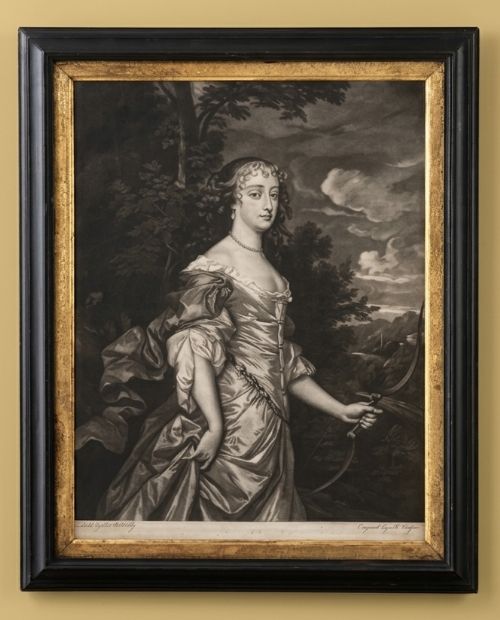
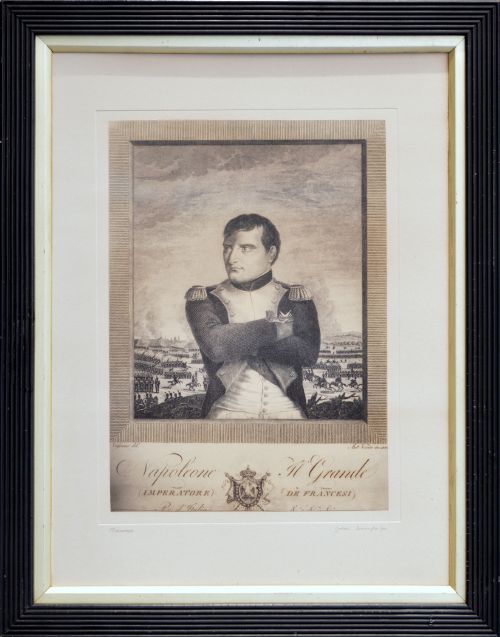
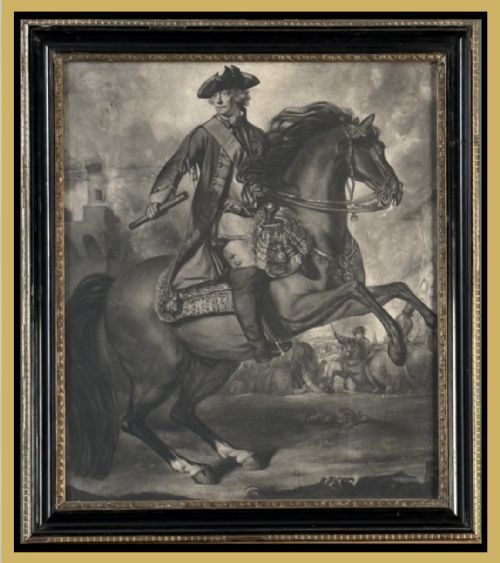
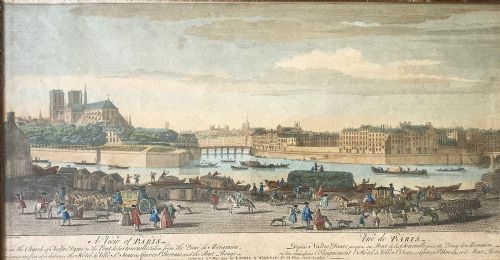
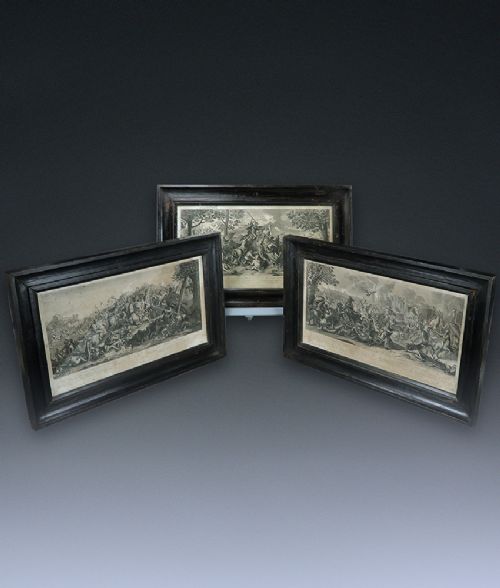
When you search for an ebonised framed print, you encounter wall art spanning the eighteenth and nineteenth centuries, including Georgian and Regency periods. The forms range from mezzotints and architectural engravings to reverse glass prints and maps.
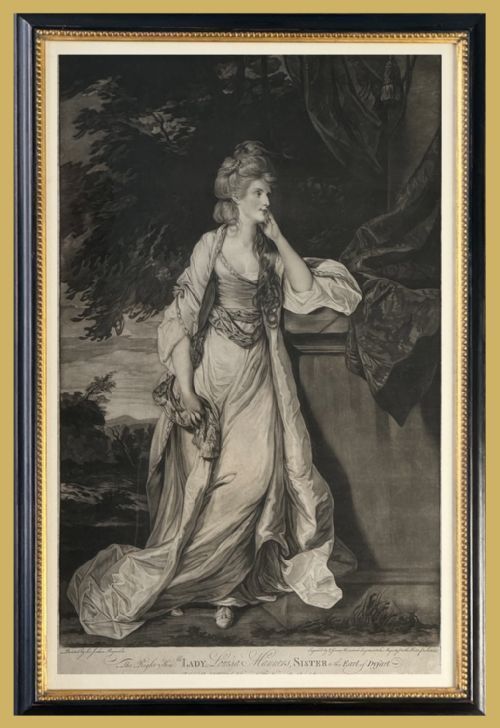
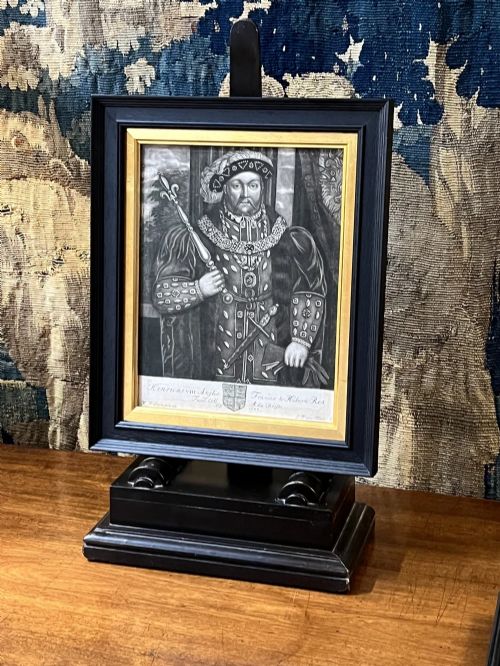
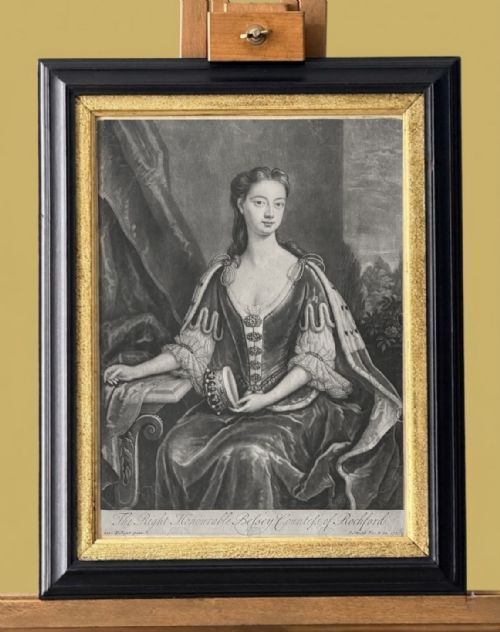
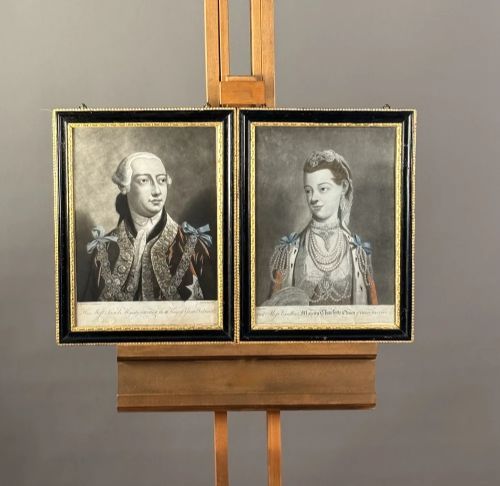
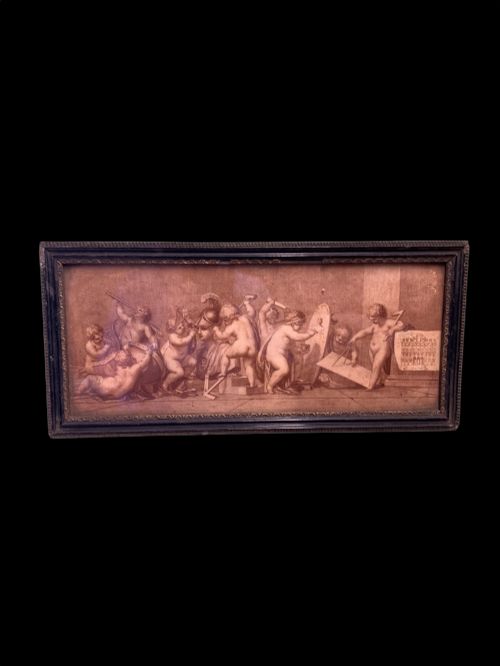
Many examples capture historical figures, royalty, and classical scenes through detailed etching and hand colouring. These works reflect periods such as the Baroque and Neoclassical styles, housed within their period surrounds.
Reverse glass prints appear frequently alongside traditional paper engravings and watercolours. Each piece demonstrates the craftsmanship of earlier printmakers and framing techniques.
Materials and construction
The construction relies on ebonised wood to create a dark, uniform border that contrasts with the paper or glass within. Artisans utilised wood, glass, and paper, frequently incorporating gold leaf and gilt mounts.
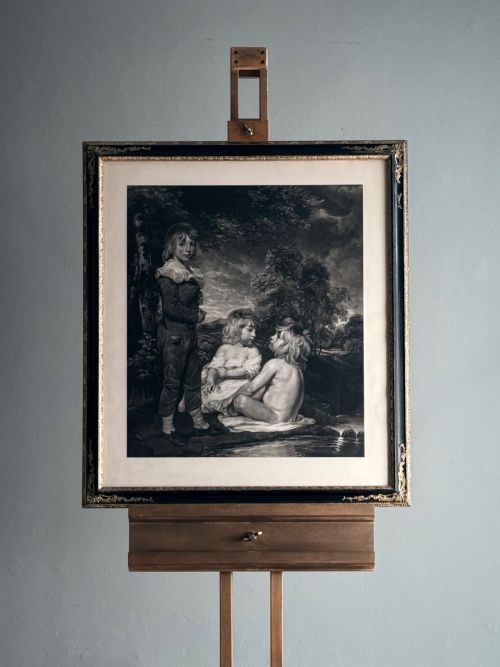
Images were produced using techniques such as mezzotint, etching, and stipple-engraving, often finished with original hand colouring or pigment. Reverse glass prints required painting or applying printed sheets directly to the reverse of the glass plate.
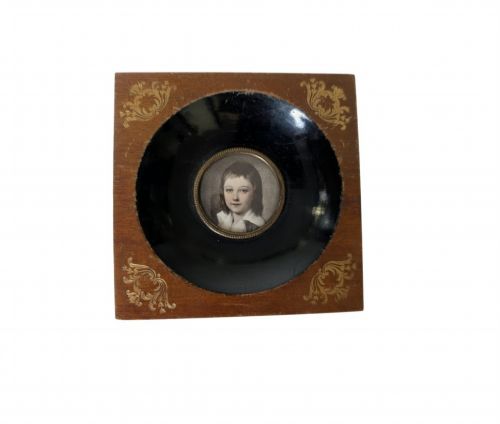
Several portraits record historical figures peering out from their dark borders with expressions of absolute severity.
Factors of quality and execution
Quality rests in the crispness of the impression and the preservation of the original pigment or hand colouring. Finer examples display sharp plate marks and detailed line work in the engraving.
The integrity of the ebonised frame and the presence of original glass or gilt accents distinguish superior works. Patina on the wood and the stability of the medium beneath the glass indicate careful preservation.
Edward Fisher·Sir Joshua Reynolds·Valentine Green·John Faber Snr·Hans Holbein·Thomas Frye·Richard Purcell·John Hoppner·Robert Morden·Otto Pilny·Bartolozzi
The Ebonised Framed Print Glossary
- Ebonised wood
- Timber stained or finished to resemble ebony, providing a deep black surface. This finish is typical of period frames designed to focus attention on the artwork.
- Mezzotint
- A printmaking process of the intaglio family where the surface is roughened to achieve tonal variation. This technique allows for subtle gradations of light and shade in portraits.
- Reverse glass print
- An image applied or painted onto the back of a glass panel to be viewed from the front. This method imparts a distinct gloss and depth to the colours.
- Stipple-engraving
- A method of creating prints using dots rather than continuous lines to render tone. It became popular for reproducing soft-focus portraits and classical subjects.
- Engraving
- A print created by cutting lines into a metal plate to hold ink. The resulting impression offers precise detail and linear definition.
Ebonised Framed Print: Frequently Asked Questions
What is a reverse glass print?
A reverse glass print involves applying a printed image or painting directly onto the back of a glass panel. Viewers look through the glass to see the finished work.
This technique protects the surface from dust and fading while adding a smooth reflective quality to the colours.
How do I care for ebonised frames?
Keep these pieces away from direct sunlight and excessive moisture to protect both the paper and the wooden frame. Dust the ebonised wood gently with a dry cloth.
Avoid using liquid cleaners on the wood or glass to preserve the original finish and any antique gilt elements.
Are these frames original to the prints?
Many eighteenth and nineteenth-century works retain their original ebonised wood frames, sometimes enhanced with gold leaf or deep giltwood mounts. The pairing of frame and artwork reflects the aesthetic standards of the period.
Examining the backboards and fixings helps determine whether the framing is contemporaneous with the print.
How are subjects identified on these pieces?
Portraits and architectural views often include printed captions, titles, or maker inscriptions within the margin or lower border. These notes identify sitters, artists, and publishers.
Historical records and stylistic clues assist in dating the engraving and verifying the subject matter.