


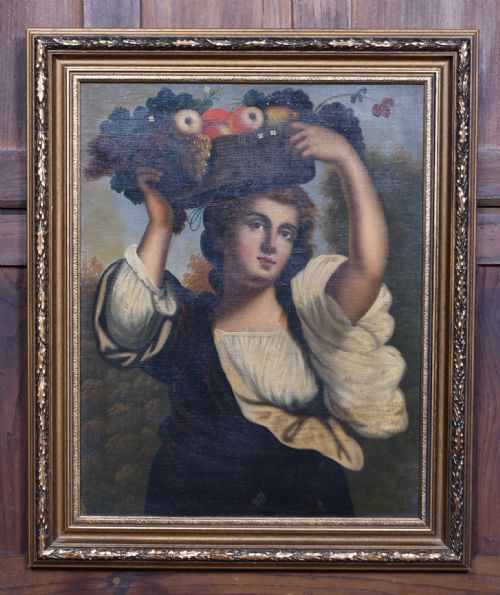
Classical Allegorical Artwork
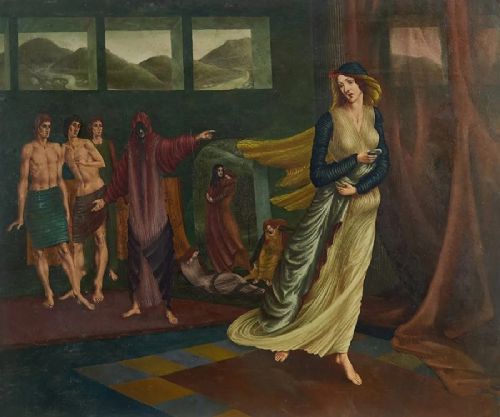
Classical allegorical artwork transports mythological figures and symbolic subjects onto canvas, paper and bronze to embody abstract ideas.
Classical Allegorical Artwork
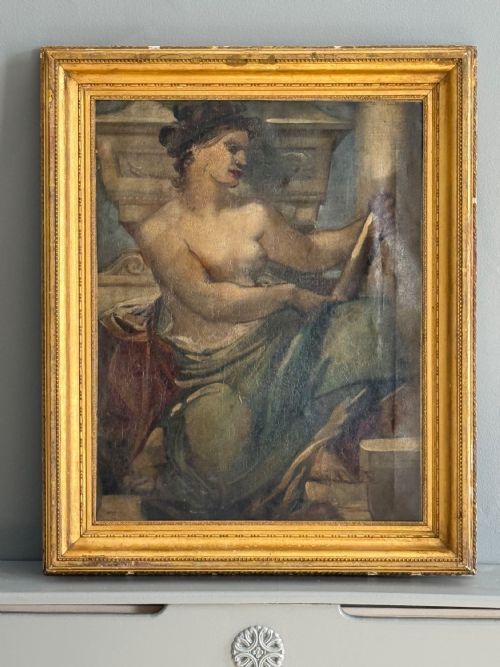
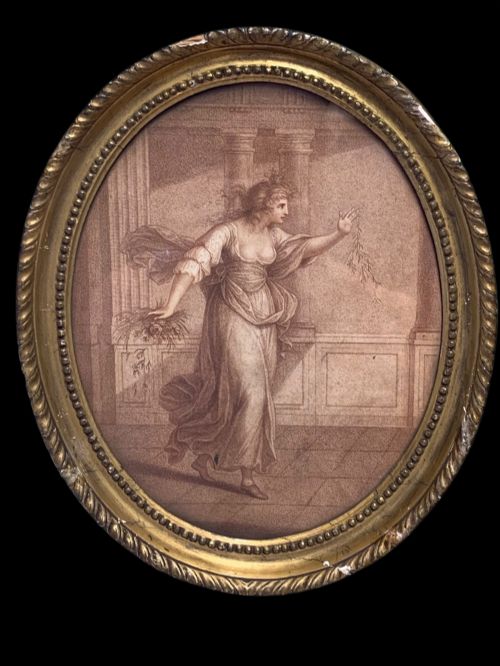
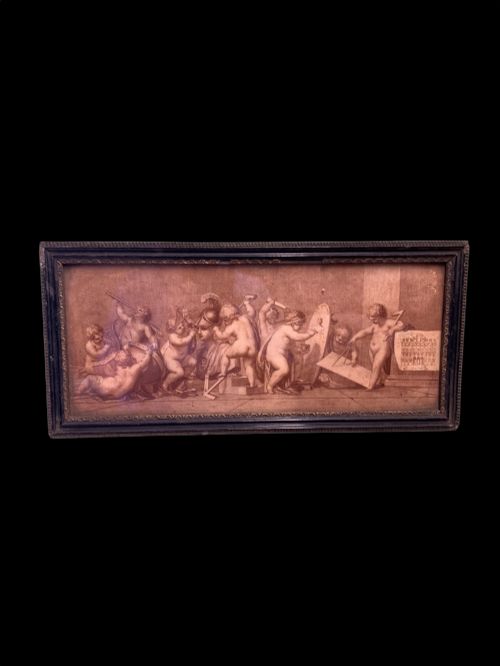
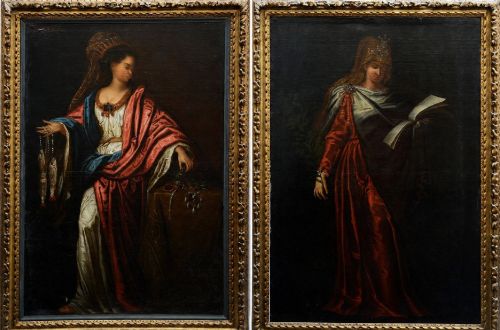
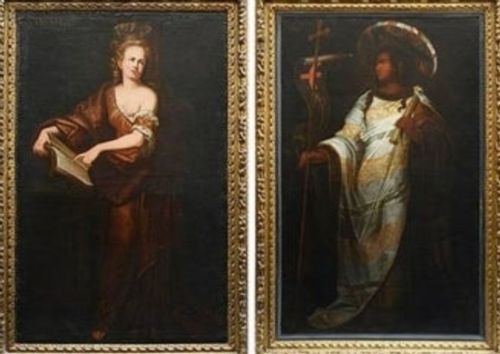
Buyers seeking classical allegorical artwork encounter visual narratives populated by figures drawn from mythology and history. These pieces frequently depict subjects such as sibyls, cherubs, cupids and personifications like peace and labour.
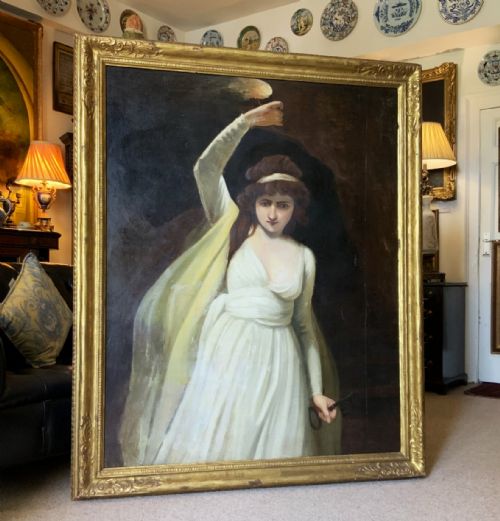
The selections available range widely across centuries, incorporating 18th century French paintings alongside 19th century Italian Renaissance revival pieces and bronze sculptures. Works in oil on canvas and paper dominate the selections.
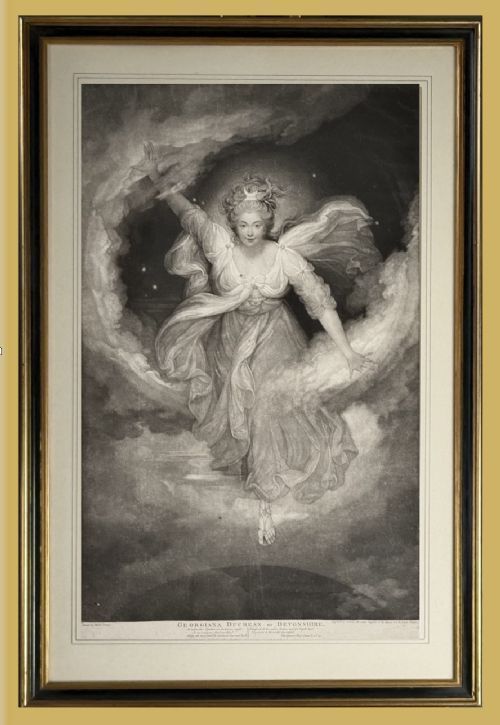
Representations of the four seasons and mythological deities appear alongside framed prints and engravings. Each piece uses traditional iconography to communicate moral or historical meanings through human form.
Distinctions in quality
Distinctions in quality rest upon the handling of anatomy, expression and drapery within the painted or sculpted form. Master painters achieve fluid movement in figures like cherubs and sibyls, whereas lesser hands produce rigid compositions.
The depth of detail in bronze chasing and the crispness of impression in engravings separate standard productions from accomplished works. Original framing and scale further differentiate monumental canvases and sculptures from smaller prints.
Cupids and cherubs flutter through numerous canvases, seemingly unable to complete an era without dropping flowers.
John Opie RA·Emile Louis Picault·Jean Baptiste Isabey·Guiseppe Mazzolini·Charles Augustus Henry Lutyens·Eduard Veith
The Classical Allegorical Artwork Glossary
- Allegory
- A symbolic representation where figures or events convey a deeper moral or spiritual meaning. Artists utilise personified concepts such as peace or the seasons to communicate abstract ideas.
- Sibyl
- An ancient prophetic priestess depicted in classical art. Famous examples include the Cumaean and Delphic sibyls shown in 18th century paintings.
- Mezzotint
- A printmaking process of the intaglio family where tonal gradations are scraped onto a copper plate. This technique allows for rich dark areas and subtle light transitions.
- Collotype
- A planographic printing process utilising bichromated gelatin. It produces continuous tone photographic reproductions found in early 20th century works.
- Toile de Jouy
- A cotton or linen fabric printed with repetitive pastoral or allegorical scenes. Fragments preserve historical textile designs from the 18th century.
Classical Allegorical Artwork: Frequently Asked Questions
What is an allegorical painting?
An allegorical painting uses human figures and symbolic elements to represent abstract concepts like virtues, seasons or historical events.
These works draw heavily from classical mythology to communicate deeper moral or philosophical messages to the viewer.
How do I identify a sibyl?
Sibyls appear as prophetic women, often holding scrolls, books or prophetic symbols in classical compositions.
Pairs of sibyls, such as the Cumaean and Delphic figures, recur frequently in 18th century French and Italian artwork.
What is a bronze sculpture of pax?
Bronze sculptures depict allegorical figures such as Pax, representing peace, often paired with labour or other civic virtues.
French founders cast these works in the 19th century with detailed chasing and patination.
How should I display antique engravings?
Antique engravings require protection from direct sunlight to prevent fading on paper supports.
Original frames and mounts preserve the historical context of stipple engravings and lithographs.