


Ebonised Frame Art
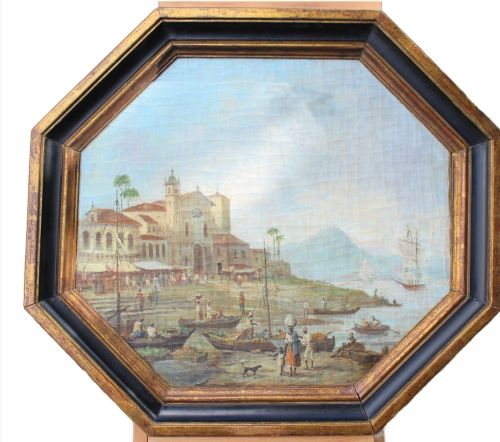
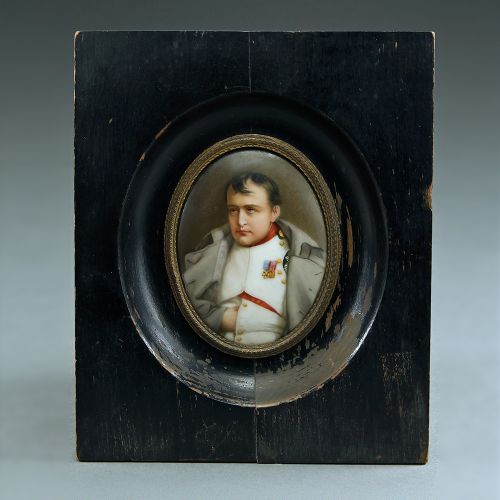
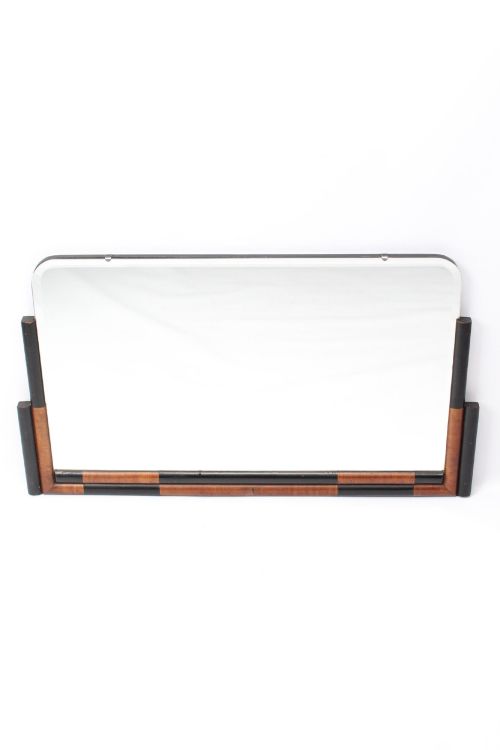
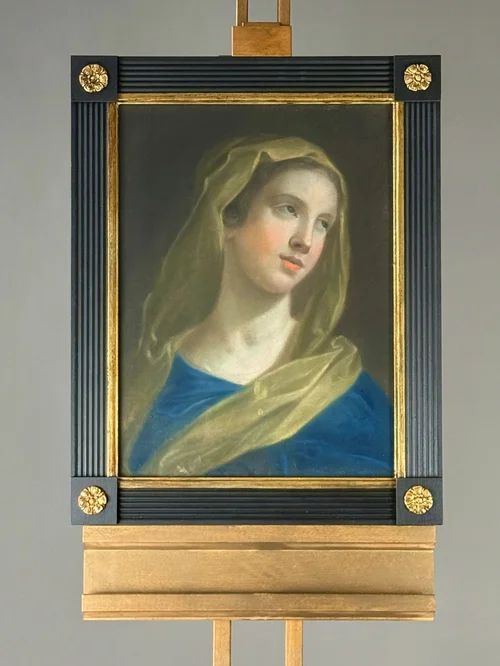
These ebonised frame art pieces combine dark timber mouldings with historic paintings, prints, and miniatures spanning multiple centuries.
Ebonised Frame Art
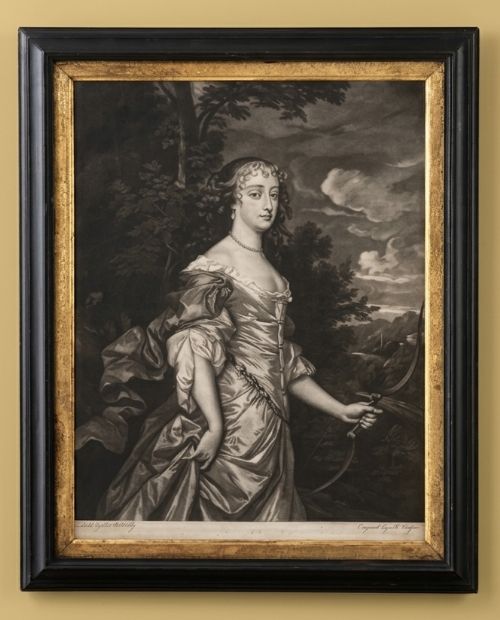
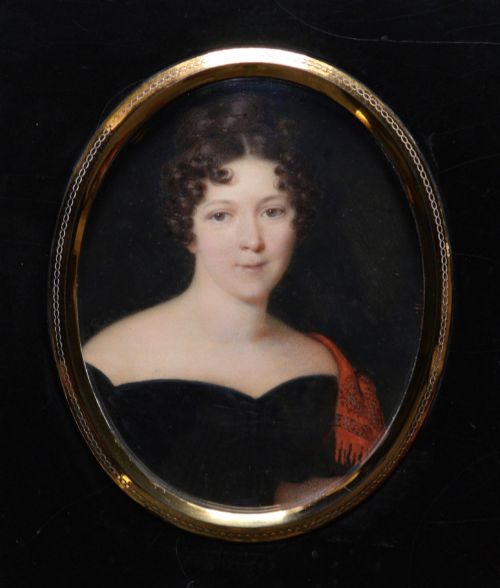
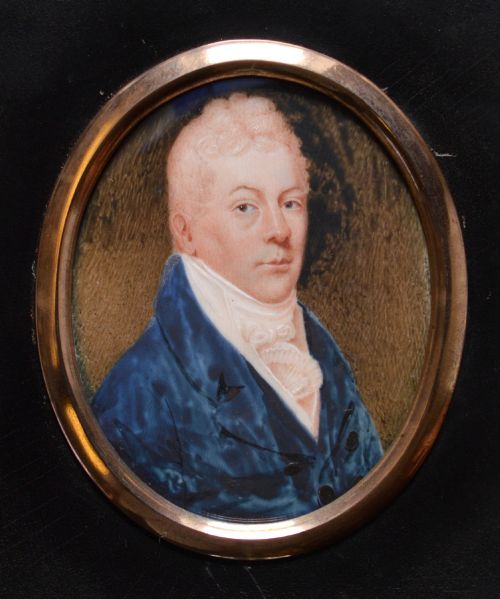
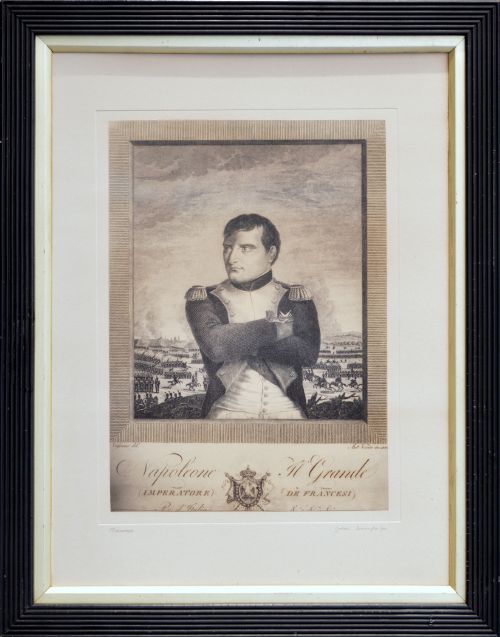
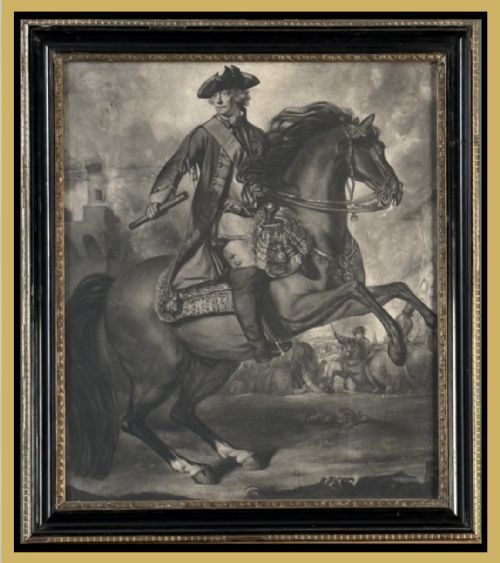
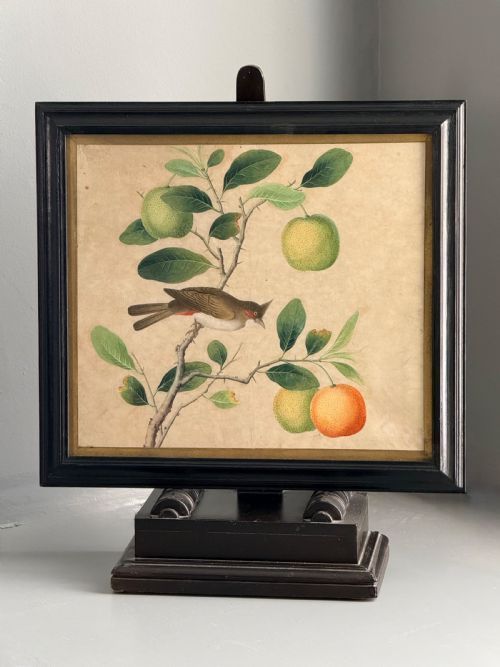
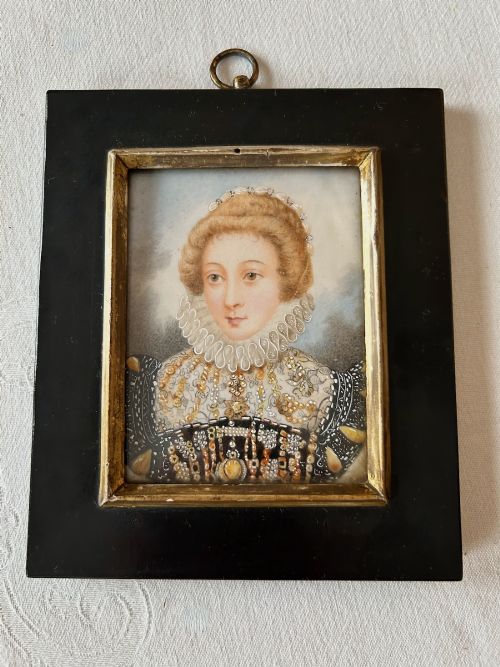
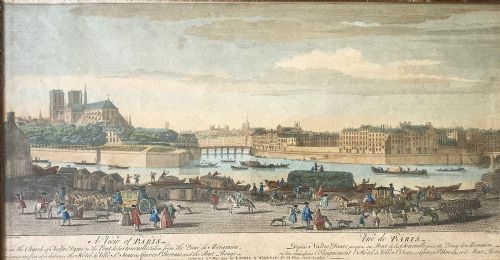
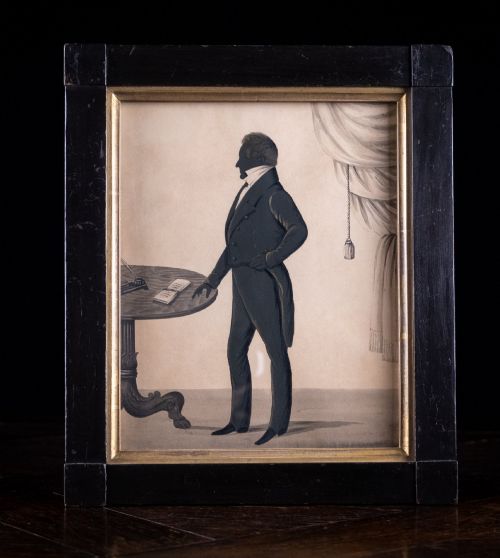
When buyers search for ebonised frame art, they are looking at historic pictures and portraits enclosed within blackened wooden borders. These works encompass oil paintings, watercolours, silhouettes, gouache, and mezzotints from the seventeenth, eighteenth, and nineteenth centuries.
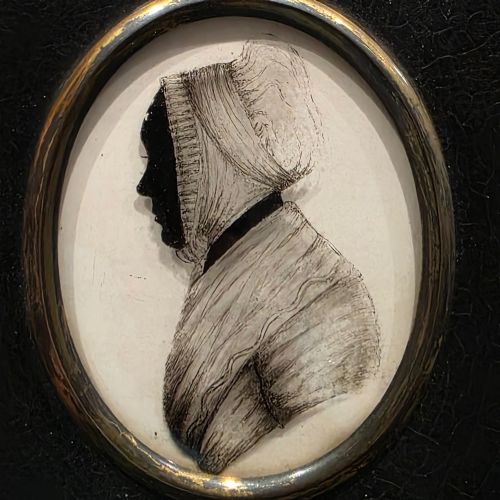
The pieces on this page lean heavily toward British and European portraits, landscapes, and still lifes. You will frequently encounter eighteenth-century mezzotints and nineteenth-century silhouettes housed in these dark, contrasting surrounds.
Materials and construction
The frames utilise solid wood treated to achieve a deep, dark finish that mimics costly ebony. Artisans combined these timber mouldings with glass, brass fittings, and gold leaf highlights to protect and accentuate the artwork within.
The imagery itself spans oil paint on panel or canvas, paper prints, gouache on pith paper, and delicate wax portraits. Each medium required specific handling, from the layering of oil glazes to the precise cutting of silhouette profiles.
The listings feature works from the 17th, 18th, and 19th centuries, utilising oil paint, glass, paper, and gold leaf.
Judging the quality
Quality rests upon the skill evident in both the artwork and its housing. Finer pieces demonstrate superior draughtsmanship in portraits or landscapes, alongside crisp execution in printmaking or miniature painting.
The integrity of the frame matters equally. Examples that retain their original ebonised wood finish, secure glass panes, and appropriate period mountings command greater appreciation than those with mismatched or heavily altered elements.
Edward Fisher·Sir Joshua Reynolds·Henri Fradelle·George Atkinson·Valentine Green·John Faber Snr·Hans Holbein The Younger·John Smith·Charles D'Agar·Thomas Frye·Richard Purcell·Benedetto Luti·W.D. Almond·James Gillespie·Guillaume Courtois·Gaspar Peeter Verbruggen·Albin Mattenheimer·Le Brun
The Ebonised Frame Art Glossary
- Ebonised wood
- Timber stained or treated to resemble dense, black ebony wood. This finish was widely applied to picture frames to provide a dark, neutral border that throws colourful or luminous artwork into relief.
- Mezzotint
- A printmaking process of the intaglio family where the plate is roughened to produce rich tones and subtle gradations of light and shade. It became a favoured method for reproducing oil paintings during the eighteenth century.
- Silhouette
- A portrait cut from black paper or painted onto card, glass, or plaster, depicting a profile view in solid shadow. They gained widespread popularity during the late eighteenth and nineteenth centuries.
- Gouache
- An opaque water-based paint composed of ground pigments and a binding agent, often featuring added white for opacity. It produces matte surfaces with intense colour depth.
- Pith paper
- A delicate material formed from the pith of the Tetrapanax papyrifer plant, used in nineteenth-century Chinese export art for botanical and figurative watercolours.
Ebonised Frame Art: Frequently Asked Questions
What periods do these framed pieces come from?
The selection spans from the seventeenth century through the Georgian and Regency eras into the Victorian period and the early twentieth century. Each era brought distinct aesthetic preferences in both the creation of the artwork and the profiling of the frames.
Earlier pieces often feature deep, austere timber mouldings suited to Dutch or Italian school subjects, while later nineteenth-century examples incorporate sleeker lines around silhouettes and watercolours.
How should I hang ebonised frame art?
These dark frames work particularly well against light or mid-toned walls, where the ebonised wood creates a strong visual boundary. Ensure you use appropriate wall fixings matched to the weight of the specific frame and glass.
Keep them away from direct sunlight to protect vulnerable works on paper, watercolours, and early pigments from fading over time.
Are the frames original to the art?
Many pieces retain their period frames, which were chosen to complement the tone and era of the artwork. Ebonised finishes were popular across several centuries for framing portraits and prints.
Examining the construction of the corners and the backing materials helps determine whether the frame has accompanied the piece for its entire history.
How do I care for antique ebonised wood?
Dust the frames gently with a dry, soft cloth to prevent particle buildup. Avoid using modern chemical polishes or excessive moisture, which can damage the historic surface treatment.
Maintain stable room temperatures and humidity levels to prevent the underlying wood from expanding or contracting.