


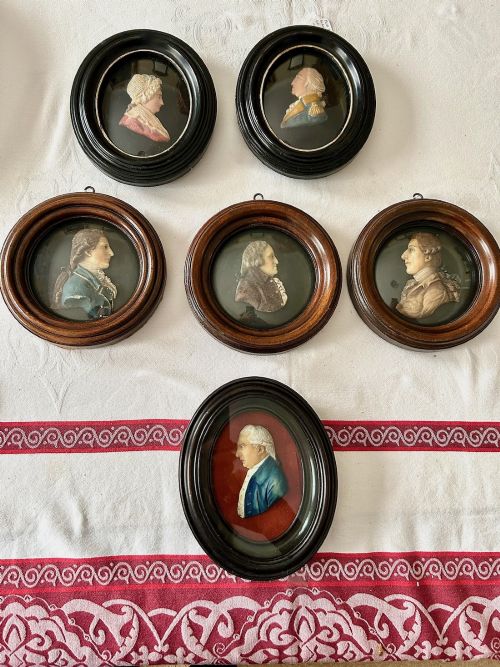
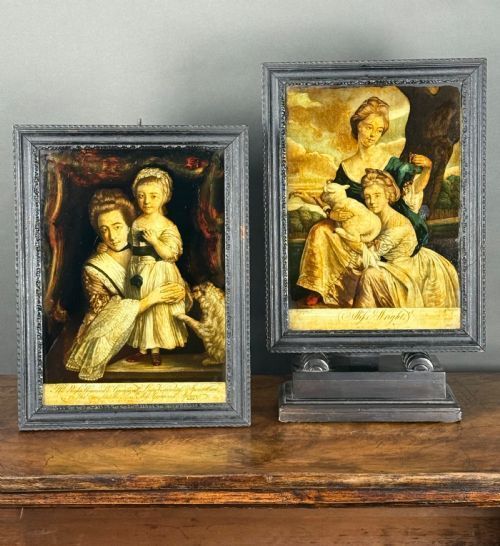
Ebonised Framed Portrait
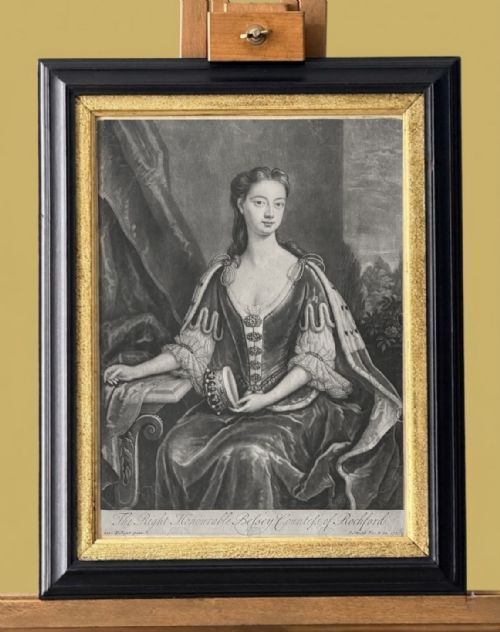
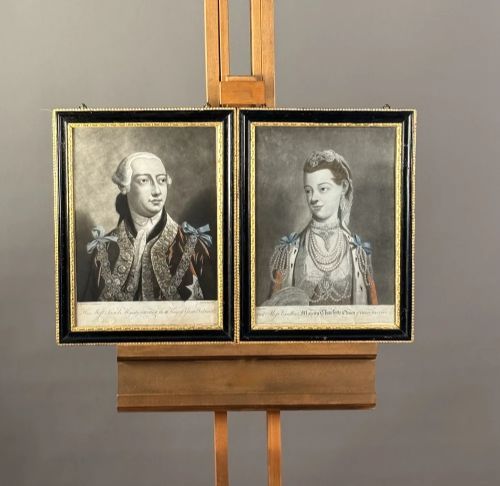
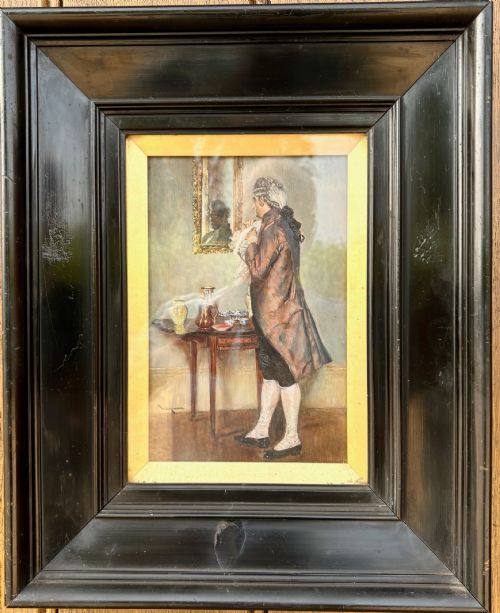
An ebonised framed portrait brings dark, striking timber borders to historical likenesses ranging from 16th-century panels to 19th-century silhouettes.
Ebonised Framed Portrait
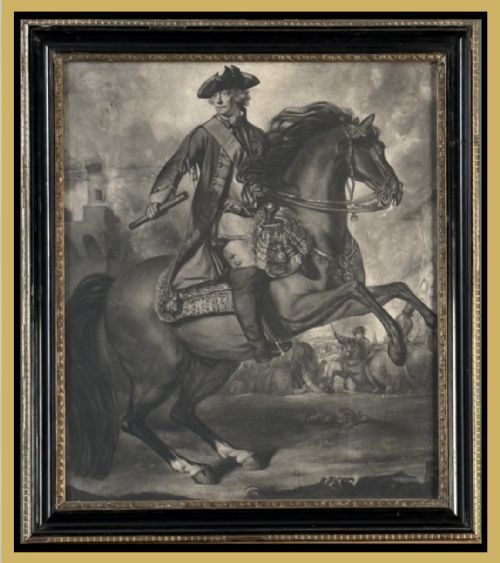
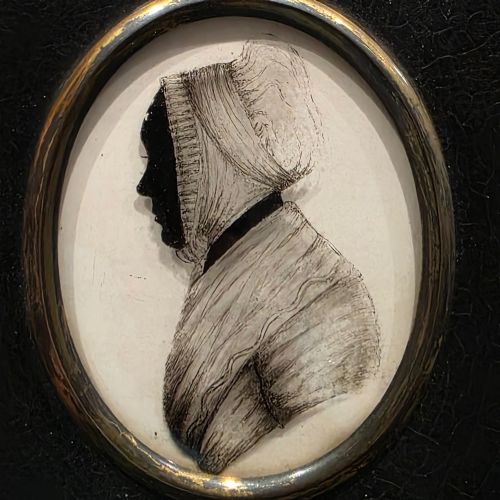
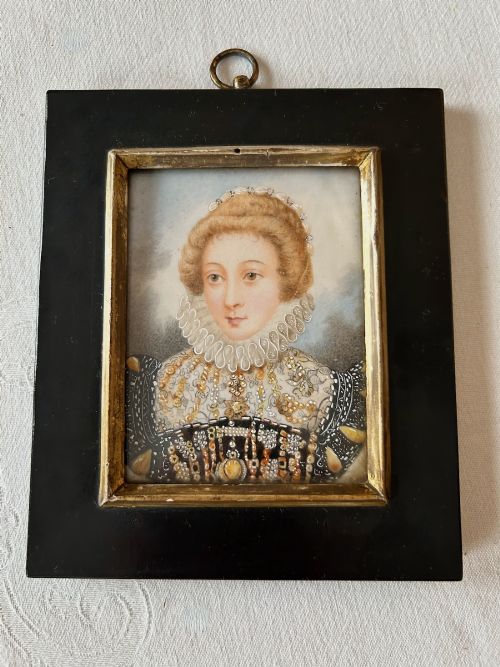
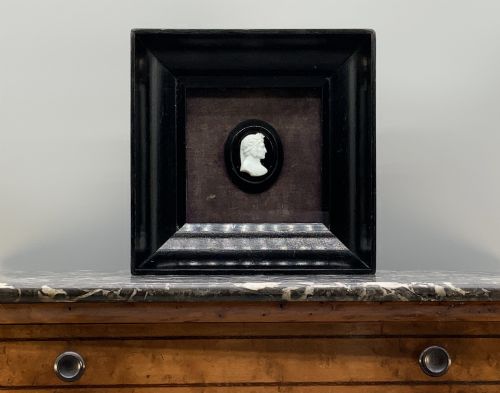
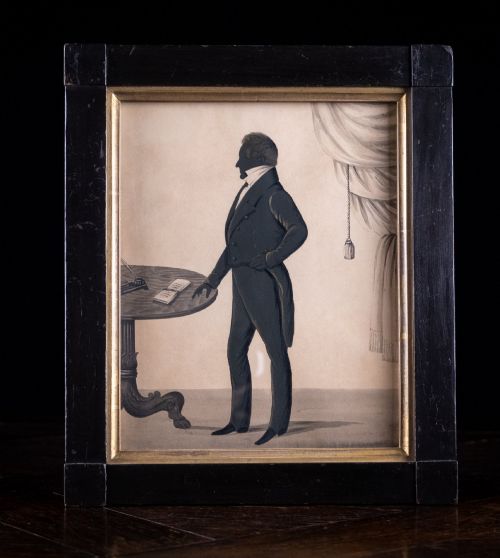
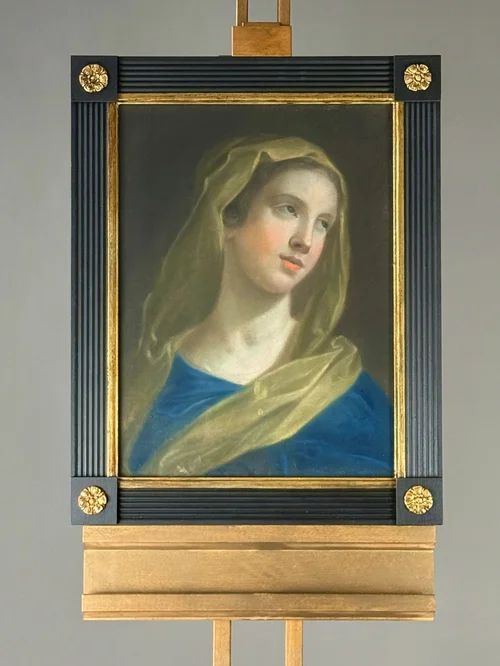
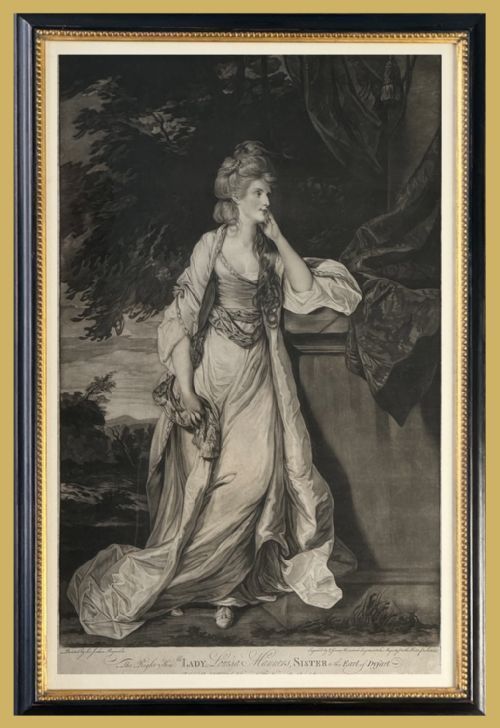
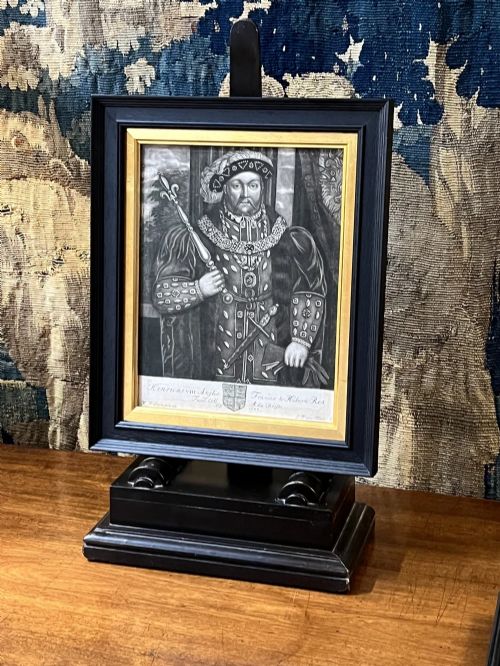
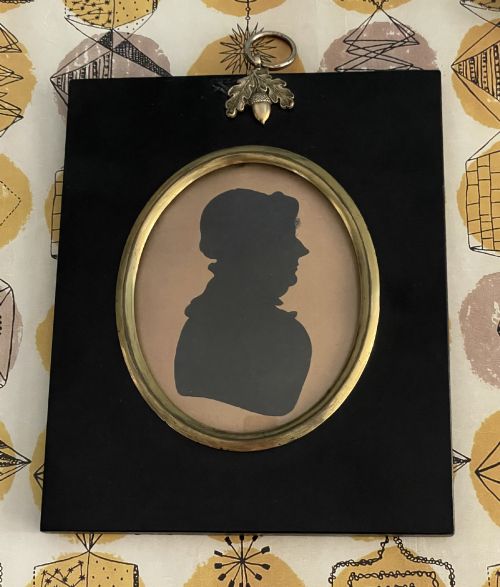
An ebonised framed portrait encompasses historical likenesses enclosed within dark, blackened timber surrounds. These works span centuries of portraiture, featuring oil paintings, mezzotints, watercolours, and silhouettes.
The selections on this page lean heavily into the 18th and 19th centuries, while offering glimpses into earlier periods such as the 16th and 17th centuries. Buyers encounter diverse formats including miniature paintings, reverse glass prints, and carved ivory plaques.
Subjects range from noblemen and royalty to anonymous folk art sitters and literary figures. The consistent thread is the dark, contrasting frame that isolates and emphasises the countenance within.
How they were made
Makers achieved the distinct dark surrounds utilising timber stained or painted to mimic costly ebony. These frames often house works executed in oil paint, watercolour, pastel, or executed as delicate mezzotint engravings.
Glazing frequently protects fragile mediums such as paper, wax, and reverse glass prints. Structural components often incorporate glass, brass accents, and gold leaf details to complement the dark wooden borders.
Ebonised Framed Portrait Retail Price Guide 2026
Typical asking prices for ebonised framed portrait among the pieces listed under this phrase on Sellingantiques today, from the lower quarter to the upper quarter. They describe what is for sale here now, not the wider market.
The inventory records pieces spanning from the 16th century through the 17th, 18th, and 19th centuries.
What varies in quality
Quality rests in the fidelity and execution of the likeness, alongside the harmony between the artwork and its dark housing. Superior examples display masterful handling of light and shadow, particularly in oil paintings and delicate plumbago drawings.
The integrity of the ebonised surface and the originality of the framing materials elevate certain pieces. Age-appropriate preservation of delicate mediums like pastel, wax, and reverse glass painting also defines the upper tier of the range.
Edward Fisher·Sir Joshua Reynolds·Henri Fradelle·George Atkinson·Benedetto Luti·Valentine Green·John Faber Snr·Hans Holbein The Younger·John Smith·Charles D Agar·Thomas Frye·Richard Purcell·W D Almond·James Gillespie·James Ward·John Hoppner·Henri and Charles Beaubrun·Albin Mattenheimer·Frans Hals·Godfried Schalcken·John Taylor
The Ebonised Framed Portrait Glossary
- Ebonised
- Timber treated with stain, dye, or polish to simulate the dark, dense appearance of true ebony wood.
- Mezzotint
- A printmaking process of the intaglio family where the plate is roughened to achieve rich tonal gradations in portraits.
- Plumbago
- A delicate portrait drawing executed in graphite, taking its name from the early term for the material.
- Silhouette
- A solid dark profile likeness cut from paper or painted onto a pale background.
- Reverse glass painting
- An art form where the image is applied directly to the rear side of a glass panel and viewed from the front.
Ebonised Framed Portrait: Frequently Asked Questions
What periods do these portraits cover?
The pieces span multiple centuries, stretching from the 16th century through the Georgian and Regency eras into the Victorian period and 1900.
Earlier examples include Renaissance panels, while later items feature 19th-century silhouettes and folk art.
What materials are used for the frames?
The surrounds consist of wood treated with ebonised finishes to create a dark, uniform appearance.
Some designs incorporate brass elements, gold leaf highlights, or glass protection for delicate interior mediums.
How should I display them at home?
These pieces suit spaces where the dark timber borders can contrast cleanly against lighter wall colours.
Avoid direct sunlight to protect sensitive mediums like watercolours, wax, and paper from fading over time.
Are the frames original to the art?
Many listings pair historical portraits with period-appropriate ebonised or Hogarth frames from the 18th or 19th centuries.
Specific pairings vary, with some items noting direct period housing like Regency or early Victorian frames.