

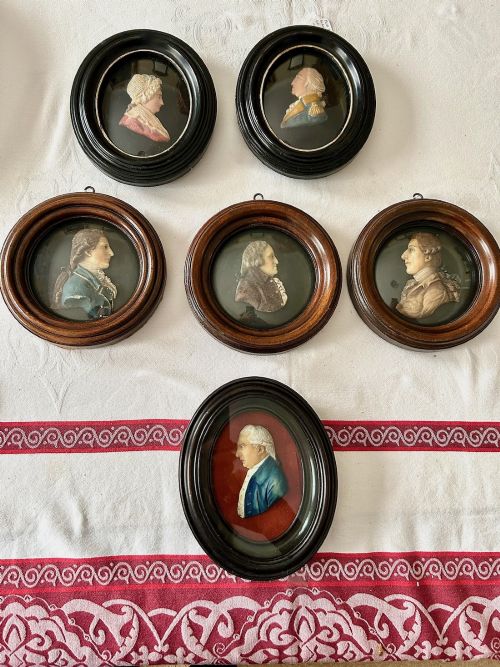
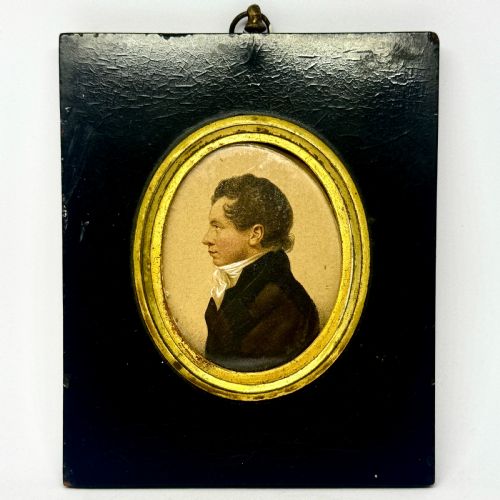


Ebonised Frame Profile Portrait
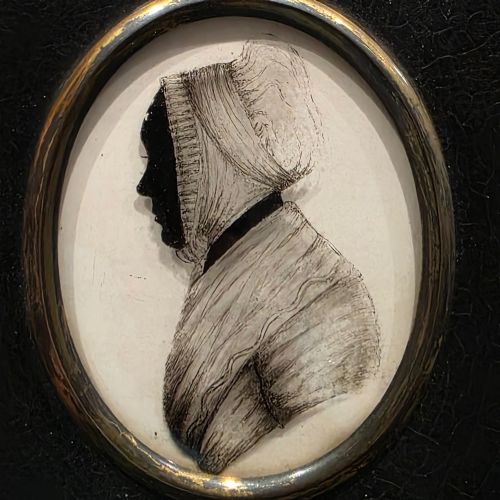
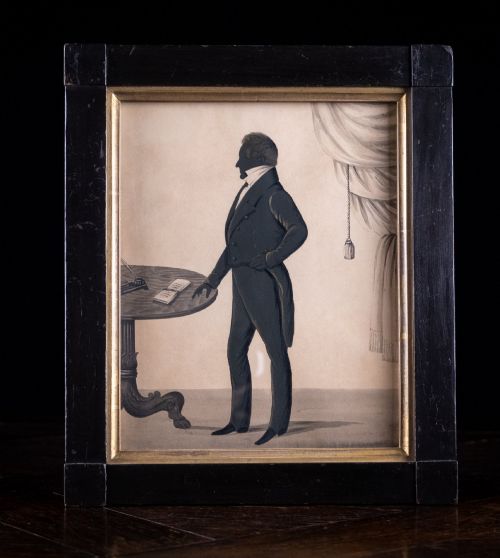
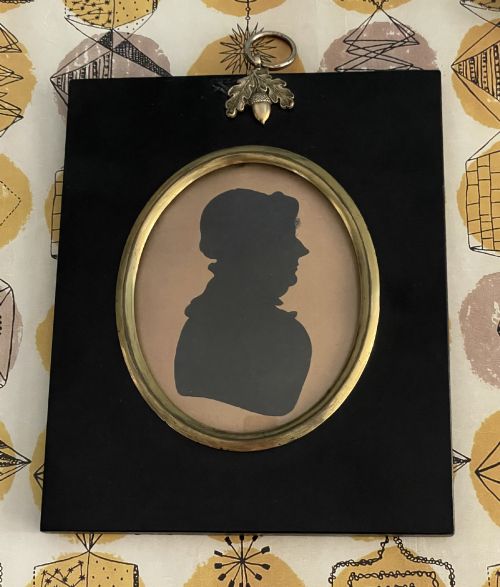
An ebonised frame profile portrait captures the precise shadow or likeness of a sitter, prized for its dark wood surround and crisp silhouette.
Ebonised Frame Profile Portrait
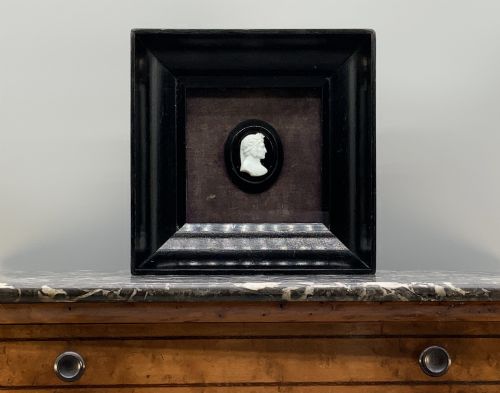
An ebonised frame profile portrait offers a direct window into Georgian and Regency life, showing sitters from the eighteenth and nineteenth centuries. These works include silhouette portraits, painted miniatures, cut paper pieces, and carved ivory plaques.
Most examples on this page date from the Georgian, Regency, and nineteenth century periods. They arrive as framed wall art, miniature portraits, and detailed portrait miniatures enclosed within dark timber mouldings.
The profile view focuses attention entirely on the facial structure and hair of the subject. Artists of the era recorded named individuals such as Mrs Grace Williams and Mary Watts-Russell, alongside anonymous gentlemen, ladies, and children.
What varies in quality
Materials and mounting also set pieces apart. Original ebonised frames paired with clean glass, clear painted details, or documented provenance elevate the standing of a portrait.
A few sitters left behind their personal mottoes alongside their profiles.
George Atkinson·James Gillespie·Thomas London·John Miers·Archibald Skirving·Jeremiah Steele
The Ebonised Frame Profile Portrait Glossary
- Ebonised wood
- Timber treated to imitate ebony, giving a deep black finish that contrasts with the portrait inside. This dark surround was widely used in Georgian and Regency framing.
- Silhouette
- A solid dark profile image of a person, typically cut from paper or painted. These works rely entirely on the outer outline and minimal interior details.
- Portrait miniature
- A small-scale painting or likeness executed with high precision. Artists created these on materials such as ivory, card, or glass.
- Cameo
- A method of carving or moulding where the subject is raised in relief against a contrasting background. Pressed white glass paste achieves this effect in some portrait pieces.
Ebonised Frame Profile Portrait: Frequently Asked Questions
What periods do these portraits come from?
The pieces span the eighteenth and nineteenth centuries, with strong representation from the Georgian and Regency eras. Many date from the late seventeen hundreds through to the mid-nineteenth century.
This timeframe covers the height of the popularity for silhouette cutouts, painted glass works, and detailed miniature watercolours.
How should I hang these framed pieces?
These small artworks suit intimate spaces, narrow wall sections, or group arrangements alongside other framed miniatures. Because the frames are ebonised wood, they pair easily with various wall colours and interior styles.
Keep them away from direct sunlight to protect the paper, paint, or watercolour surfaces inside the glass.
What materials make up the portraits?
Artists worked with watercolour, paint, wax, and cut paper to depict their subjects. Some portraits feature carved ivory or pressed white glass paste mounted within the frame.
The surrounds themselves utilise wood treated to look like ebony, frequently complemented by glass and brass fittings.
Are the sitters usually identified?
Some pieces retain written names, family histories, or inscriptions on the reverse that identify the sitter and occasionally the artist. Examples include portraits of named figures like Mary Watts-Russell and Viscountess Gormanston.
Many other pieces depict anonymous gentlemen, ladies, or children whose names were lost over the centuries.