
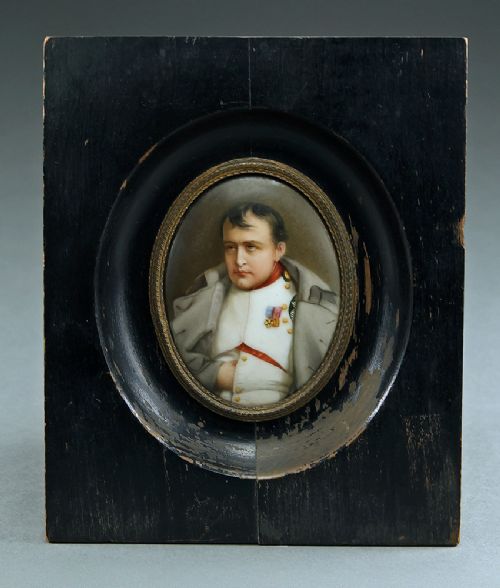
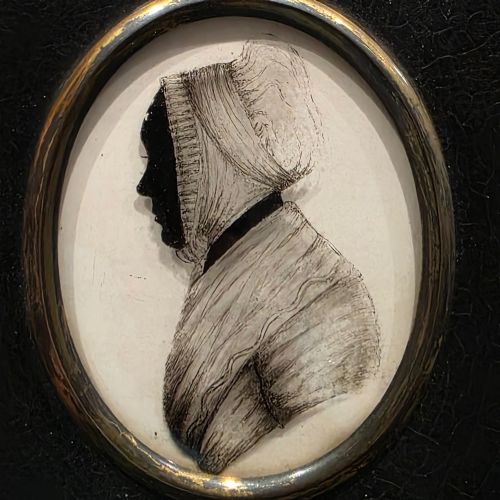
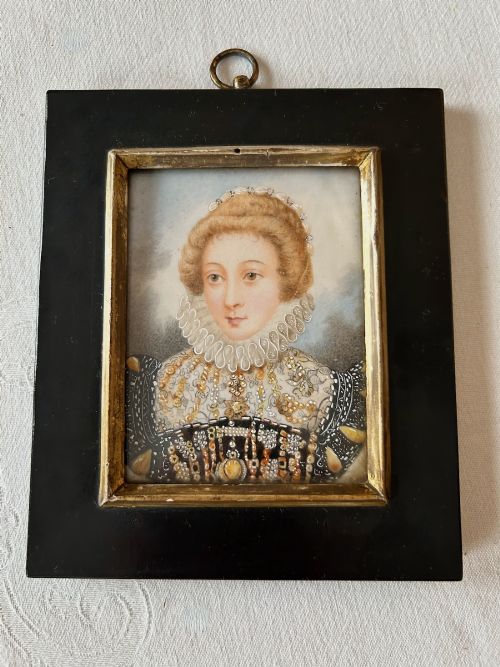

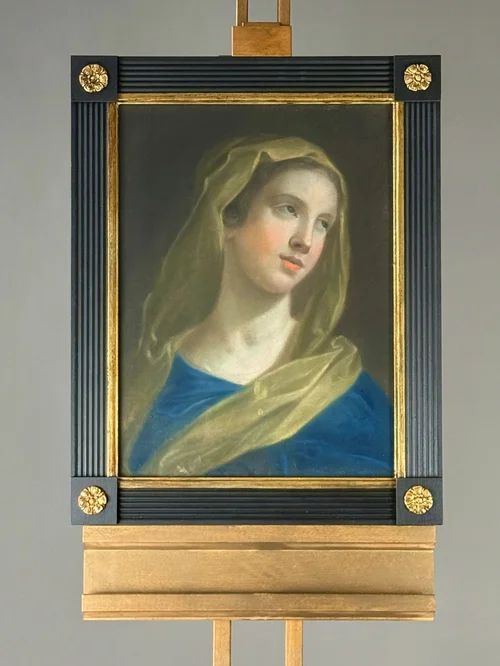
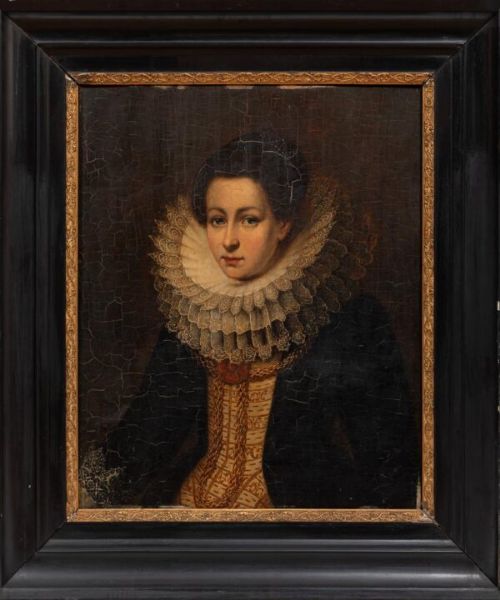

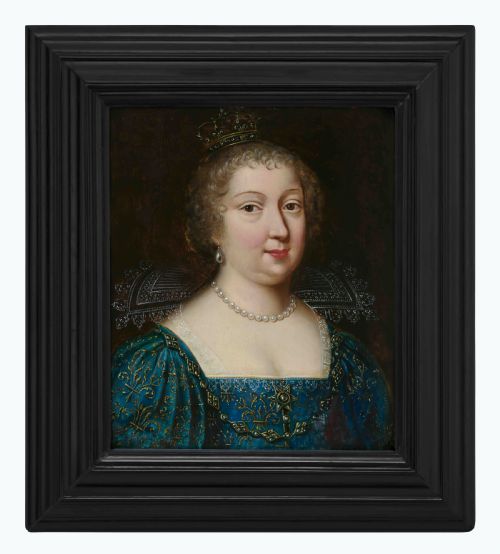
Ebonised Frame Portrait Painting
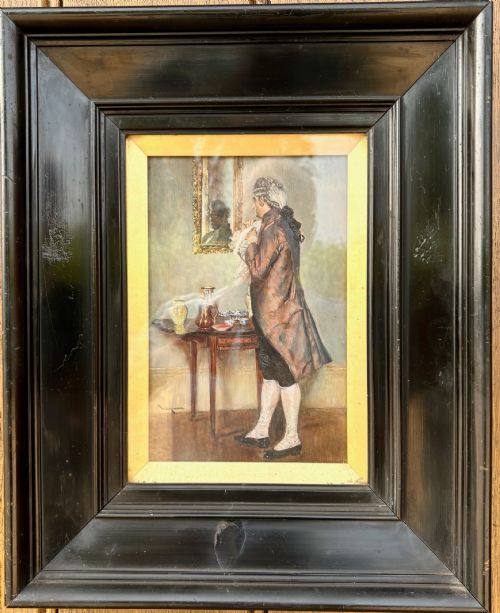
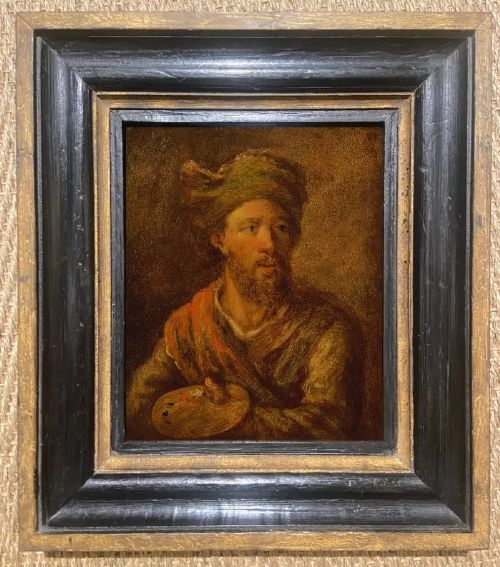
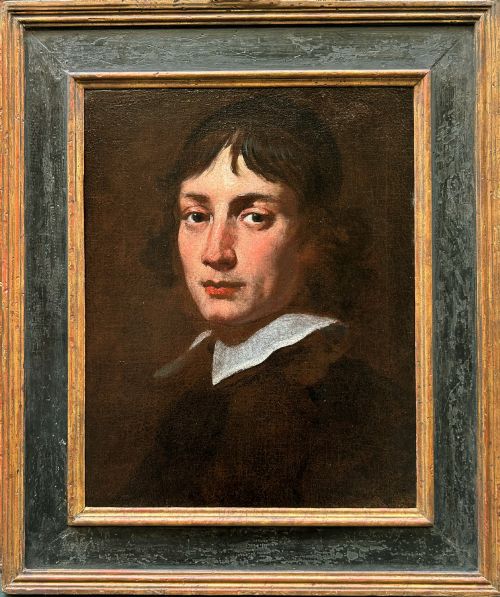
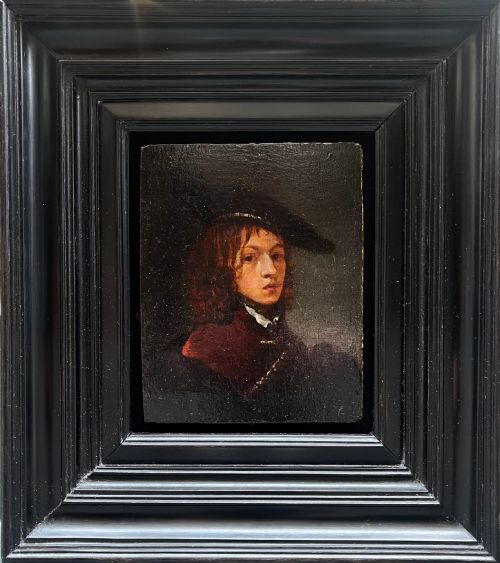
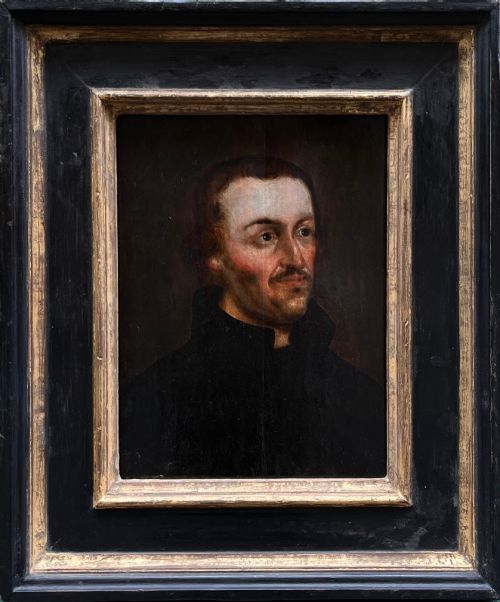
An ebonised frame portrait painting brings intense depth and stark monochrome contrast to a wall, drawing the eye directly to the subject's face.
Ebonised Frame Portrait Painting
When searching for an ebonised frame portrait painting, you encounter works spanning from the sixteenth century through the Victorian era and up to nineteen hundred, encompassing oil paintings, pastels, watercolours, and silhouettes.
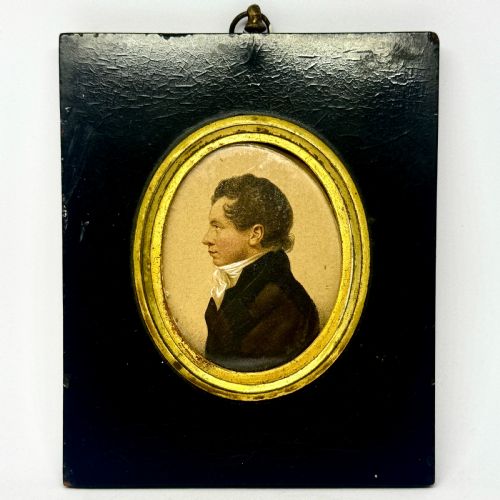
The pieces on this page range from small oval portrait miniatures and enamel plaques to large panel paintings and canvas works, created by various European, British, and American schools.
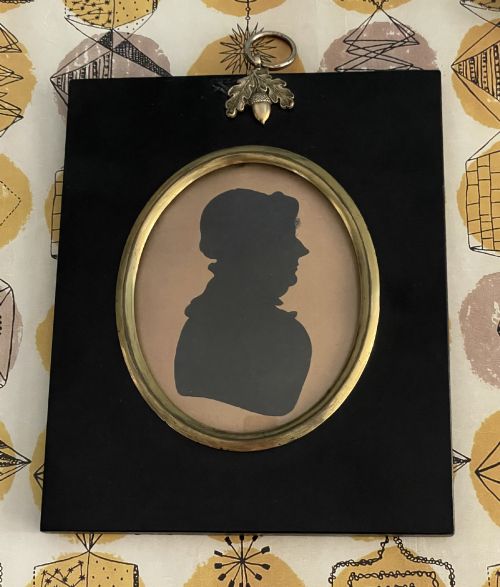
The most common version you will meet is the nineteenth-century watercolour, silhouette, or miniature housed in a dark wood profile, often accompanied by earlier oil and glass pieces.
Materials and construction
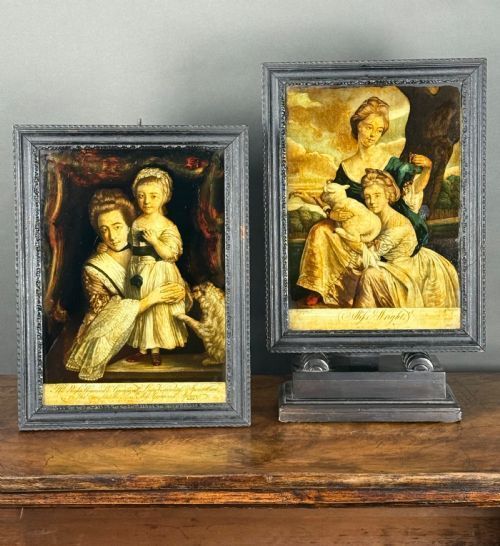
Artists painted on canvas, wood panels, paper, glass, and copper enamel plaques utilising oils, watercolours, pastels, and glass painting techniques.
Frames fashioned from wood received a dark ebonised finish to mimic costly ebony, occasionally accented with glass and brass elements.
Makers layered gold leaf and applied delicate varnishes to protect the painted surfaces of miniatures and larger canvases alike.
Materials recorded across the archive feature brass, glass, paper, and oil on canvas.
Assessing quality and execution
Original period frames that retain their genuine ebonised finish and glass enhance the integrity of the artwork compared to later replacements.
Henri Fradelle·Benedetto Luti·W.D. Almond·Guillaume Courtois·Albin Mattenheimer·Michael Dahl
The Ebonised Frame Portrait Painting Glossary
- Ebonised wood
- Timber stained or treated to resemble dense, dark ebony. This dark finish provides a high-contrast boundary that isolates the painted subject.
- Silhouette
- A solid dark profile portrait, often cut from paper or painted directly on card or glass. These feature strongly in nineteenth-century collections.
- Reverse glass painting
- An image applied directly to the rear of a glass sheet so the viewer sees the composition through the transparent front. Georgian prints and portraits frequently utilise this method.
- Portrait miniature
- A small-scale painting designed for intimate viewing. They capture fine facial details on ivory, vellum, or paper.
- Grisaille
- A painting executed entirely in shades of grey or neutral monochrome. This technique creates a sculptural effect resembling stone relief.
Ebonised Frame Portrait Painting: Frequently Asked Questions
What is an ebonised frame portrait painting?
It is a historical artwork depicting a person, housed within a dark, artificially blackened wooden border. These works range from tiny silhouettes to large oil canvases.
They reflect diverse European and British artistic traditions spanning several centuries.
How were these portraits displayed historically?
Owners hung smaller miniatures and silhouettes in intimate groups on parlour walls or kept them in protective cases. Larger oil paintings served as principal wall decor in grand rooms.
The dark frames allowed the painted subjects to stand out against patterned wallpaper or wood-panelled walls.
How do I care for an antique painted portrait?
Keep the artwork away from direct sunlight to prevent the watercolours or oils from fading. Maintain stable room temperatures to protect the wooden ebonised frames from warping.
Dust the frame gently with a soft dry cloth and avoid using liquid cleaners near the painted surface.
How can I tell the period of a portrait?
Examine the clothing, hairstyle, and collar style of the sitter, such as ruff collars or Victorian bonnets, which point to specific eras. The construction methods of the wood frame and backing materials also offer clues to the date.
Signatures, inscriptions, and artist attributions help narrow down the historical context.