

Ebonised Frame Artwork
Ebonised frame artwork brings together dark, polished wood and centuries of painting, printmaking, and miniature work.
Ebonised Frame Artwork
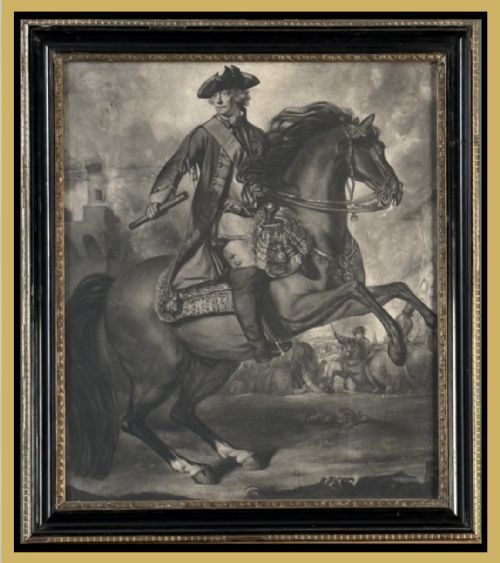
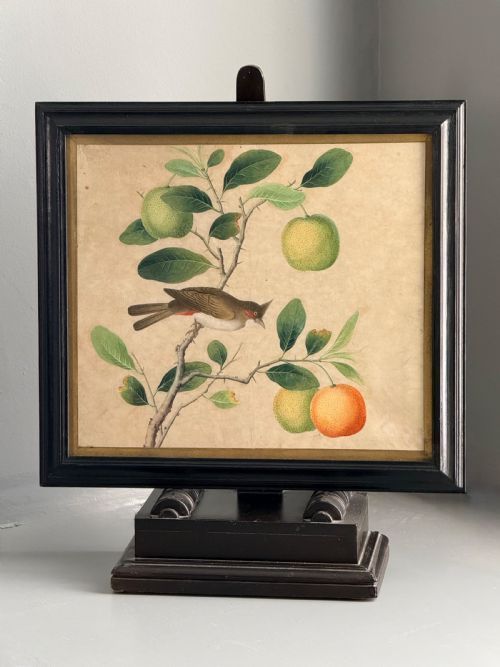
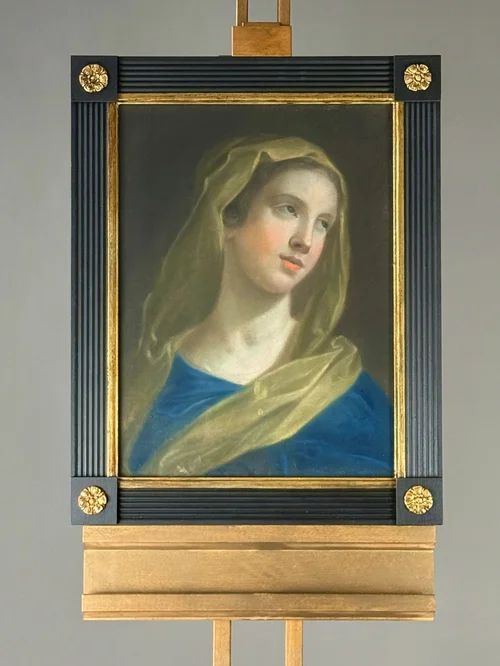
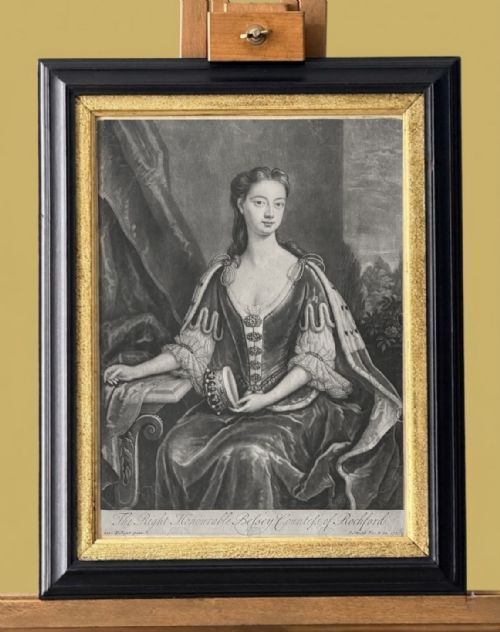
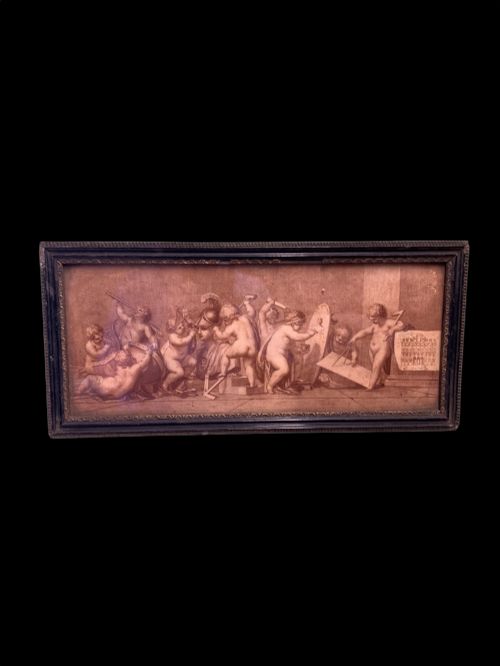
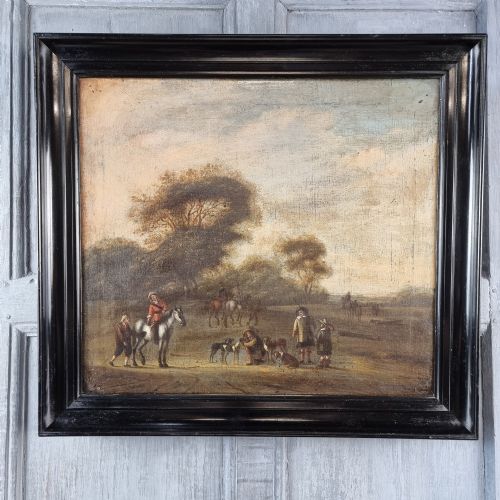
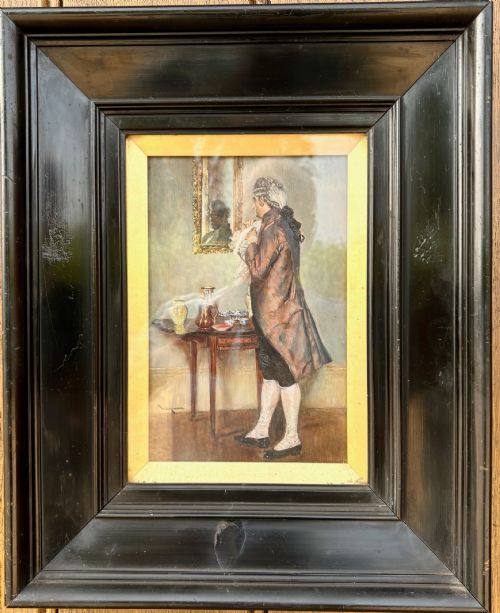
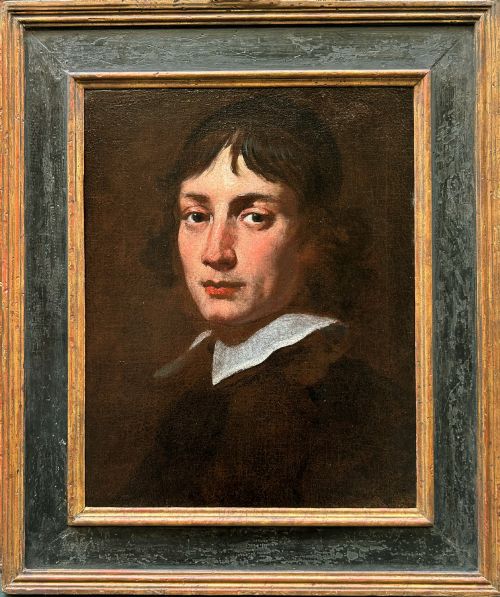
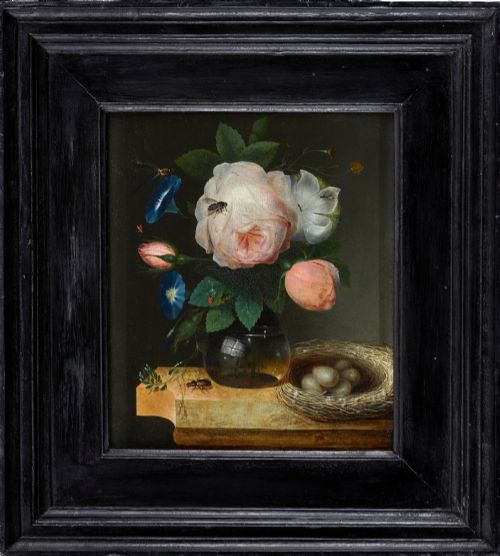
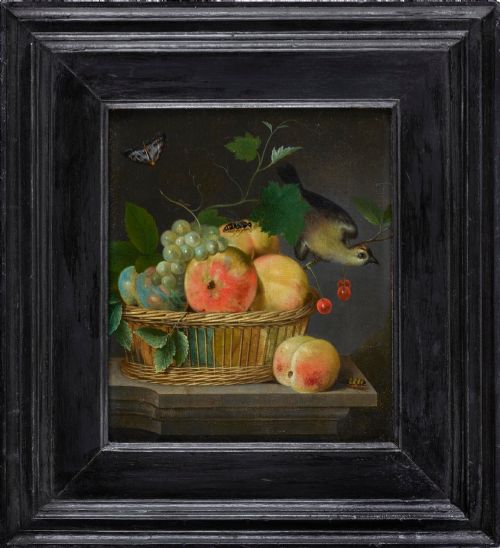
When you search for ebonised frame artwork, you are looking at pictures housed in timber treated to resemble heavy, dark ebony. These pieces span from the seventeenth century through the Victorian era and into the twentieth century, bringing together diverse visual media.
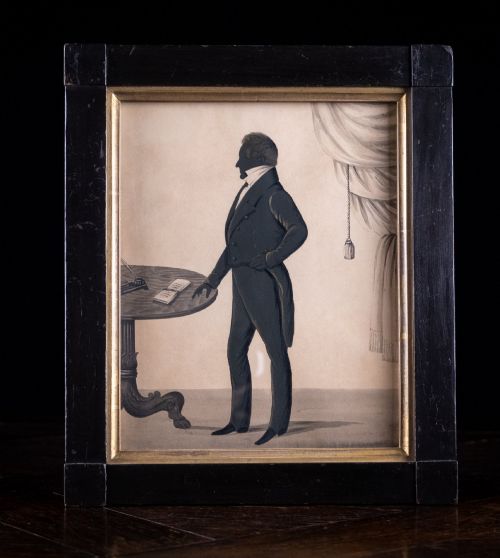
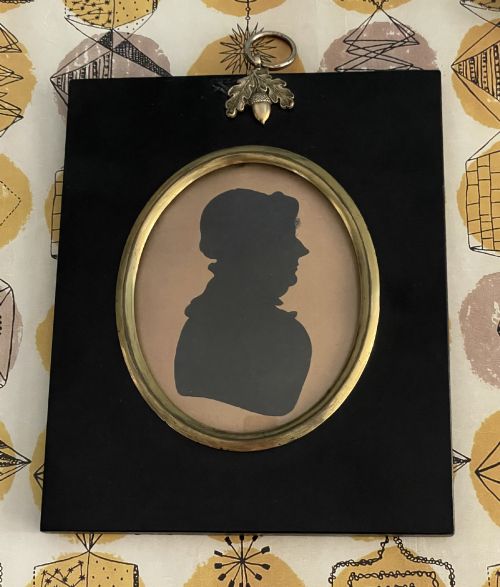
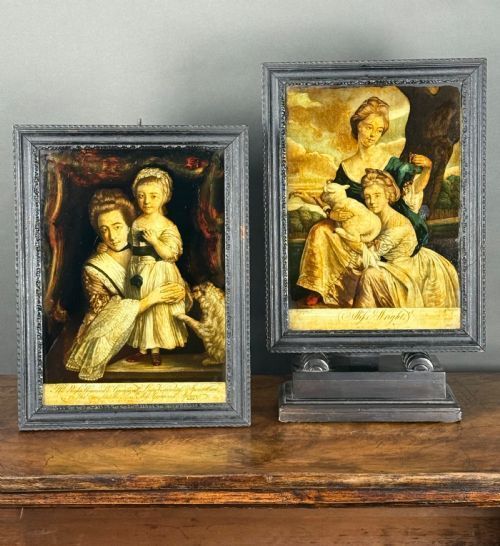
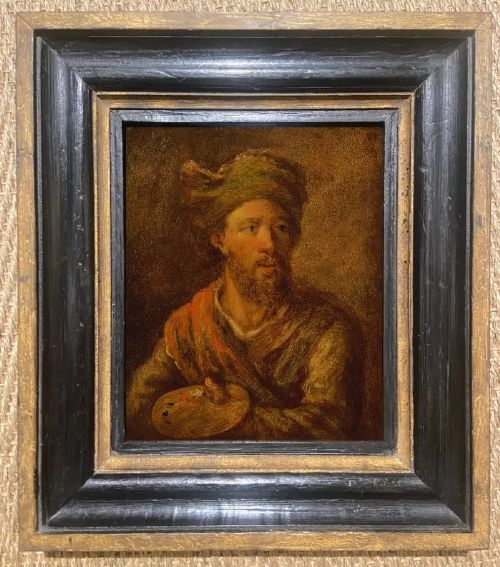
The most common examples you will encounter on this page are portraits and landscapes rendered in oil, gouache, watercolour, pastel, or print formats. Many pair dark wooden surrounds with older reverse glass prints, silhouettes, or micromosaic plaques.
Origins stretch across British, French, Italian, and Dutch schools, capturing everything from grand aristocratic portraits to naive topographical studies. The unifying thread is the dark perimeter that frames the image rather than competing with it.
Materials and Construction
Makers achieved the ebonised finish by staining, painting, or chemically treating accessible woods such as pear or fruitwood to mimic tropical ebony. This dark surface frequently contrasts with highlights of gold leaf or gilt slip within the moulding profile.
The artwork itself relies on traditional substrates including canvas, panel, pith paper, copper, and glass. Oil paint, gouache, plumbago, and ink provide the imagery, protected behind early hand-blown glass held inside the timber housing.
Listings feature works from seventeenth-century English and Italian schools alongside nineteenth-century Victorian watercolours.
Assessing Quality and Execution
The standard of an ebonised frame artwork depends heavily on the crispness of the framing profile and the preservation of the surface finish. Subtle mouldings with clean lines and minimal modern intervention outrank clumsy replacements or over-painted repairs.
Quality also rests in the skill of the artist and the stability of the medium, whether dealing with a finely rendered oil painting or a delicate cut paper silhouette. The harmony between the dark timber boundary and the tonal range of the image determines the visual success of the piece.
Edward Fisher·John Smith·Benedetto Lutti·Albin Mattenheimer·Gaspar Peeter Verbruggen
The Ebonised Frame Artwork Glossary
- Ebonised wood
- Timber treated to imitate ebony by darkening the grain with stain or black pigment. This technique offered a sophisticated alternative to expensive imported hardwoods.
- Mezzotint
- A printmaking process of the scraper method that allows half-tints and rich tonal variations. It gained immense popularity for portraiture during the eighteenth century.
- Reverse glass painting
- An artwork applied directly to the back of a glass panel and viewed from the front. This technique produces vibrant colour saturation and a glossy protective surface.
- Micromosaic
- Tiny coloured glass tesserae assembled into intricate pictorial plaques. Italian artisans frequently set these detailed miniatures into protective wooden frames.
- Plumbago
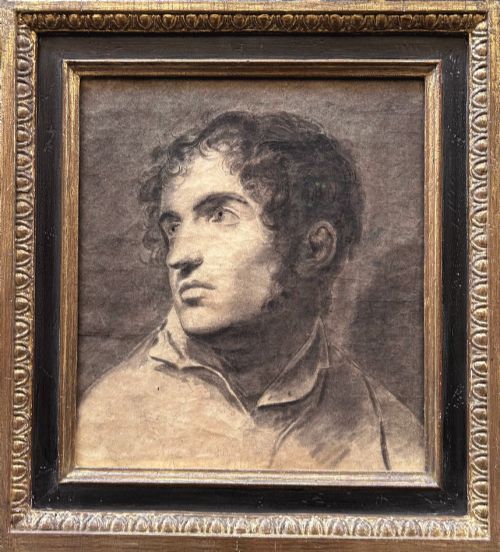
- A delicate drawing executed in graphite, taking its name from the Latin word for lead ore. These monochromatic works often record fine facial details in early portraiture.
Ebonised Frame Artwork: Frequently Asked Questions
What periods do these artworks come from?
The listings on this page span from the late sixteenth century through the Georgian and Regency eras into the Victorian period and the twentieth century.
Earlier pieces often feature classical portraiture and religious subjects, while later examples include topographical views and domestic scenes.
How do I care for ebonised frames?
Keep these items away from direct sunlight and fluctuating humidity to protect both the wooden moulding and the paper or canvas within.
Dust the frame gently with a dry, soft cloth and avoid liquid cleaners that might strip the dark finish.
Are the frames original to the art?
Many pieces retain their period housings, which were chosen to complement the dark tones of the internal imagery.
Over the centuries, some works were matched with new surrounds from related eras, making the pairing an important detail to examine.
What is a silhouette portrait?
Silhouette portraits capture a profile shadow using cut paper, painted card, or delicate ink work. These likenesses gained favour before photography became widespread.
They appear here mounted inside compact dark wooden surrounds designed to highlight the stark profile.