




Earthy Tone Watercolour Art
These earthy tone watercolour art pieces bring muted, natural pigments and atmospheric landscapes directly to your walls.
Earthy Tone Watercolour Art
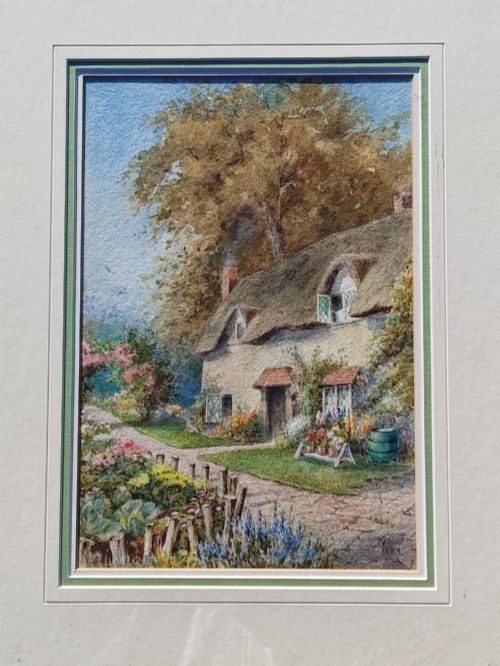
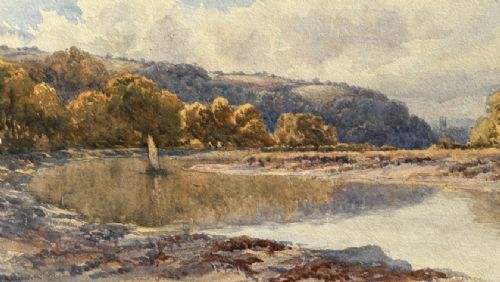
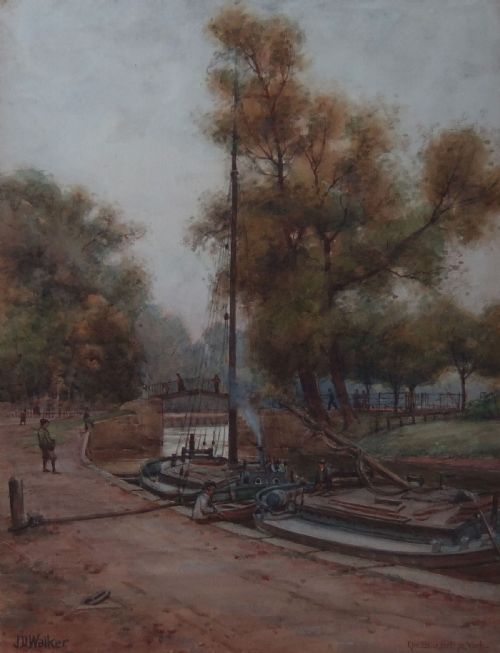
When you search for earthy tone watercolour art, you are looking at original paintings executed in water-soluble pigments on paper supports. These works capture natural landscapes, rural scenes, and architectural views through subdued palettes and delicate washes.
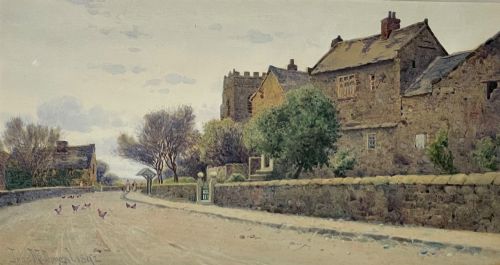
The versions you are most likely to meet on this page span from the Victorian period through the Edwardian era and into the mid-twentieth century. They range from intimate village street scenes and farmyards to detailed studies of foreign topography and still life compositions.
Makers and artists represented here include traditional watercolourists of the nineteenth century as well as members of later art groups working with paper, ink, and watercolour paint. Each piece offers a window into historical depictions of the British countryside and continental locations.
How they were made
These works rely primarily on watercolour pigment and ink applied to paper supports, often framed beneath protective glass and housed within wooden frames. Artists built up their compositions using translucent washes to create depth in skies and foliage, sometimes reinforcing outlines with fine ink lines.
The physical construction typically involves watercolour paint brushed onto handmade or commercial papers of the period. Protective framing preserves the delicate water-soluble pigments from moisture and light damage over the decades.
The selection includes British Impressionism, Post-Impressionism, and Edwardian Landscape styles across fine art paintings.
What varies in quality
The distinction between works rests on the artist's handling of tone, light, and perspective within the paper medium. Stronger examples demonstrate confident brushwork and a sophisticated balance of muted pigments that convey atmosphere without muddying the paper.
Context and provenance also influence the standing of a piece, particularly when connected to documented artists or established regional schools of painting. The clarity of the composition and the preservation of the original paper surface further distinguish individual works.
David Law·John McDougal·James Hayllar·James Tower·John Atkinson·G Villiers Stuart·Charles H Poingdestre·Rowland Henry Hill·Francis William Topham·Maurice Asselin·Fred C Jones·John D Walker·William Kay Blacklock·Fred Lawson·George Soper
The Earthy Tone Watercolour Art Glossary
- Watercolour pigment
- Finely ground colour particles mixed with a water-soluble binder, used to create transparent washes on paper.
- Support
- The physical base material, typically paper in these works, upon which the artist applies the watercolour paint and ink.
- Wash
- A thin, fluid layer of diluted watercolour pigment spread evenly across the paper to represent skies, water, or broad background areas.
- Provenance
- The documented history and succession of ownership of a work of art, helping to establish its authenticity and origin.
Earthy Tone Watercolour Art: Frequently Asked Questions
What is earthy tone watercolour art?
It encompasses original paintings on paper created with water-based pigments in natural, subdued shades. The works focus primarily on landscapes, rural life, and architectural studies.
These pieces originate from periods spanning the Victorian era through the early twentieth century, reflecting the stylistic preferences of British and European artists of those times.
How should I frame and display them?
Watercolours require careful framing behind glass to protect the paper and pigments from atmospheric moisture and direct sunlight. Acid-free mounts prevent chemical damage to the paper edges.
Keep them away from direct sunlight and rooms with high humidity, such as unventilated bathrooms, to preserve the integrity of the paper and muted tones.
How do I identify the period?
Dating relies on stylistic clues, framing materials, signature styles, and the type of paper support used. Victorian works often feature detailed narrative realism, while later pieces lean towards impressionistic brushwork.
Signatures, inscriptions on the reverse, and artist attribution provide further evidence for placing a work within the nineteenth or twentieth century.
What subjects are most common?
Landscape views dominate the selection, including rural farmyards, village streets, hay meadows, and coastal scenes. Artists also captured foreign travels and quiet still life compositions.
These subjects reflect a broader cultural interest in pastoral life and topography during the Victorian, Edwardian, and interwar periods.