




Earthy Landscape Painting
An earthy landscape painting captures rural life and natural terrain through muted tones and weathered textures, bringing a grounded atmosphere indoors.
Earthy Landscape Painting
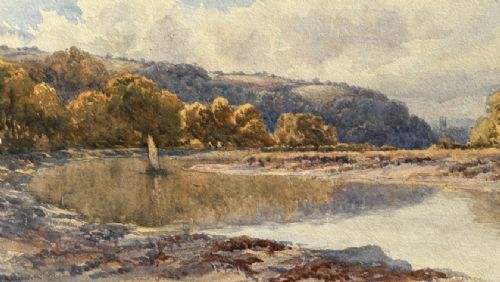
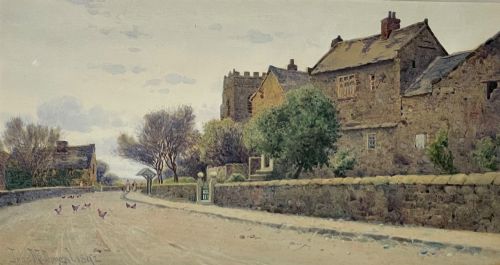
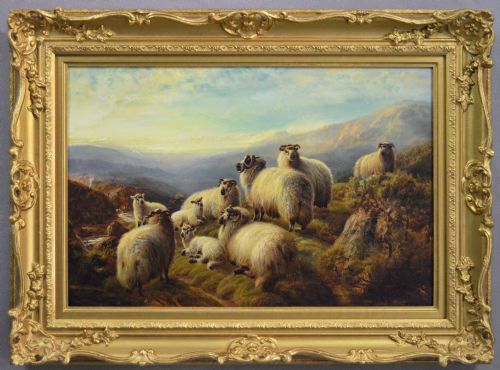
An earthy landscape painting depicts countryside settings, agricultural life, and natural scenery using natural, muted tones. These works focus on regional topography, farmyards, and river valleys rather than grand, idealised vistas.
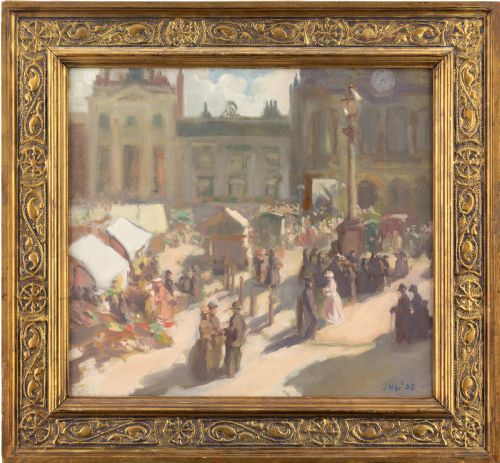
The pieces on this page span the nineteenth and twentieth centuries, encompassing Victorian, Edwardian, and post-impressionist movements. Many works originate from British and French regional schools, capturing specific locales from Yorkshire to Normandy.
Common subjects include working horses, cattle, farm buildings, and moorland streams under overcast or subdued daylight. Oil on canvas and watercolour on paper dominate the selection, reflecting the preferred mediums of the period.
Canvas, wood panels and pigments
Artists built these compositions primarily using oil paint on stretched canvas or wooden panels, applying pigment with brushes or palette knives to create tactile depth. Watercolour on paper served artists who sought lighter, more translucent atmospheric effects.
Earth pigments such as ochres, siennas, and umbers provided the foundational palette for rendering soil, stone, and weathered timber. Binders and oils were handled to achieve matte or satin finishes that absorbed light rather than glaring.
Hens, pigs, ducks, and working horses populate these fields, ensuring a farmyard chorus accompanies the view.
Execution and tonal control
Quality rests in the handling of light and shadow, where superior works achieve convincing atmospheric depth through restrained tonal relationships. Weaker examples rely on flat application and formulaic composition without observing natural illumination.
Brushwork reveals the artist's confidence, distinguishing hasty decorative pieces from perceptive studies executed directly from nature. Structural integrity in the support, whether sound canvas tension or stable wood panels, underpins longevity.
William H Myers·Tom Campbell·John McDougal·John Hodgson Lobley·Robert Watson·Raimond Louis Lecourt·Herbert Royle·William JB Jenkins·Reginald Grange Brundrit·James Orrock·John Atkinson·John Frederick Herring·Robert Finley McIntyre·G Villiers Stuart·Alfred Grey·R P Noble·Paul Jones·Thomas Creswick·Owen Bowen·William Traies·Charles H Poingdestre·Ernest Higgins Rigg·Rowland Henry Hill·Tom Dudley·Alfred Banner
The Earthy Landscape Painting Glossary
- Barbizon School
- A French art movement focusing on realism in landscape painting, emphasising rural working life and atmospheric tones. Artists painted outdoors to capture natural light directly.
- Wood Panel
- A rigid support base made from timber used by artists before canvas became universal. Panels provide a stable surface that prevents cracking in older oil applications.
- Provenance
- The documented history of ownership of an artwork, establishing authenticity and origin. Provenance often includes gallery labels, studio sales, and exhibition records.
- Stretcher
- The wooden frame that holds a canvas taut during painting and display. Inscriptions left on stretcher bars frequently reveal title, date, and artist notes.
Earthy Landscape Painting: Frequently Asked Questions
What defines an earthy colour palette?
An earthy palette relies on natural pigments like burnt umber, raw sienna, ochre, and muted greens to reflect soil, rock, and vegetation.
These restrained tones create a calm, grounded atmosphere that avoids the bright, saturated hues found in decorative studio works.
How do I care for antique watercolours?
Watercolours on paper require protection from direct sunlight to prevent the fugitive pigments and paper supports from fading and yellowing over time.
Displaying them behind conservation glass with acid-free mounts ensures stable humidity control and prevents environmental damage.
Where were these landscape scenes painted?
Artists painted these scenes outdoors directly from nature or inside studios using field sketches gathered across rural Britain and France.
Common locations include Yorkshire farmyards, Scottish highlands, Welsh riversides, and French provincial courtyards.
How can I tell canvas from wood panels?
Canvas surfaces exhibit a woven fabric texture beneath the paint layer and yield slightly to gentle pressure on the reverse side.
Wood panels present a rigid, unyielding surface and occasionally display wood grain or maker stamps on the back.