



Earthenware Wall Display Platter
An earthenware wall display platter brings centuries of tin-glazed pigment and bold ceramic form directly onto your wall.
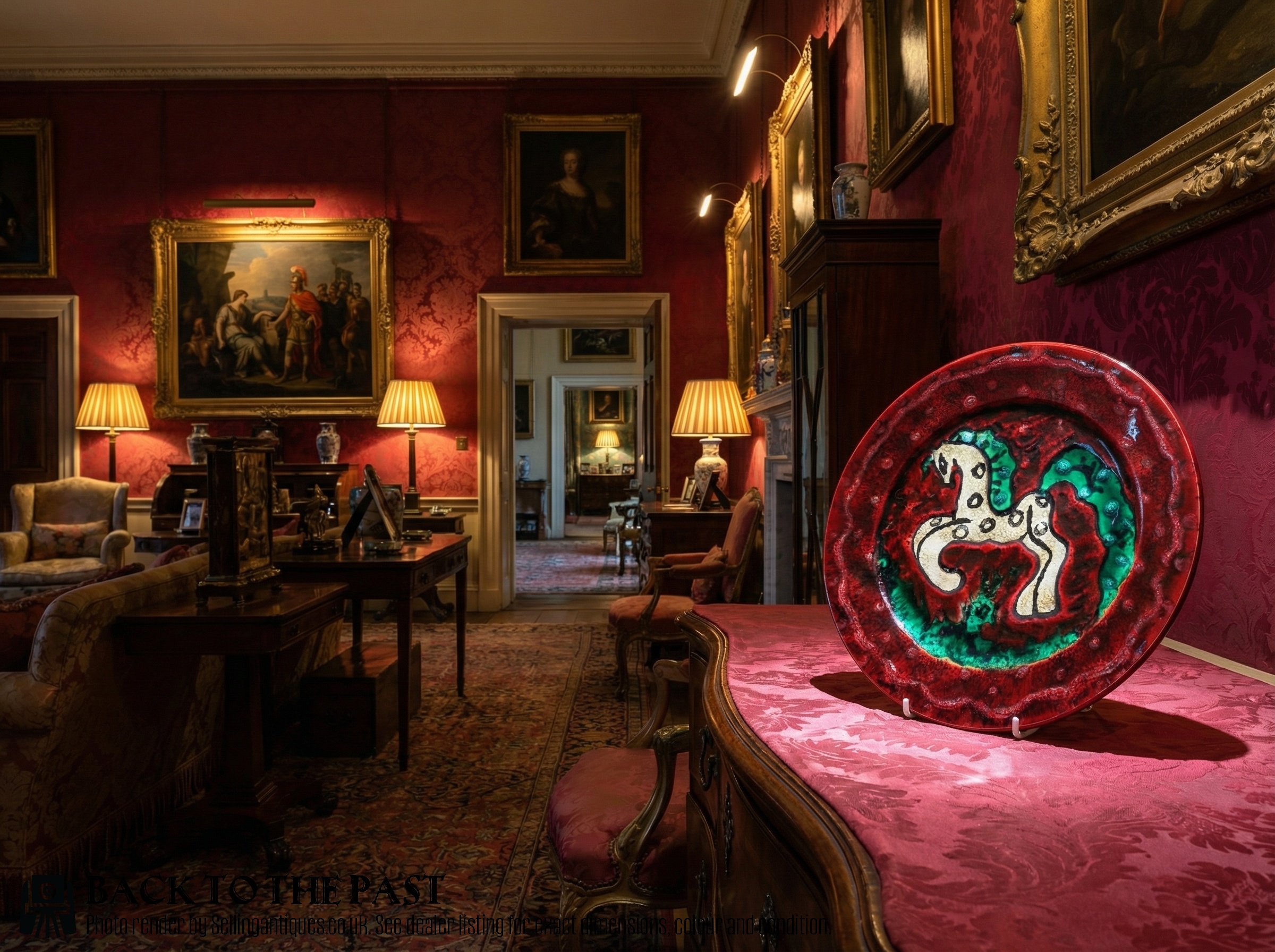
Earthenware Wall Display Platter
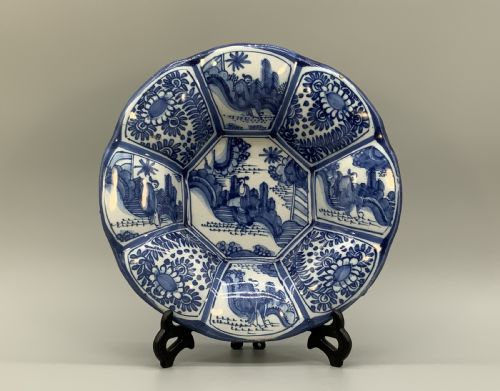
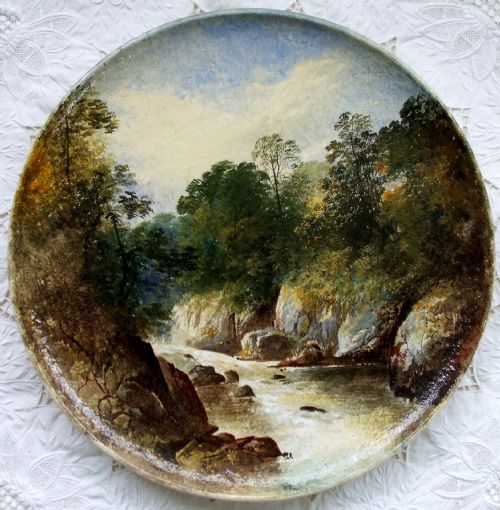
An earthenware wall display platter is a broad decorative dish created to be hung for visual impact rather than dining use. These pieces span centuries, encompassing seventeenth, eighteenth, and nineteenth-century examples alongside later twentieth-century studio and art pottery.
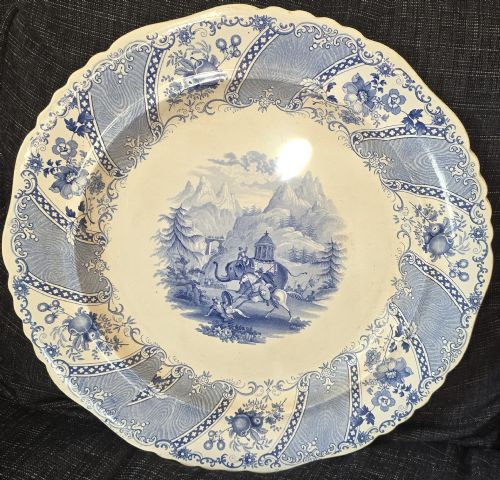
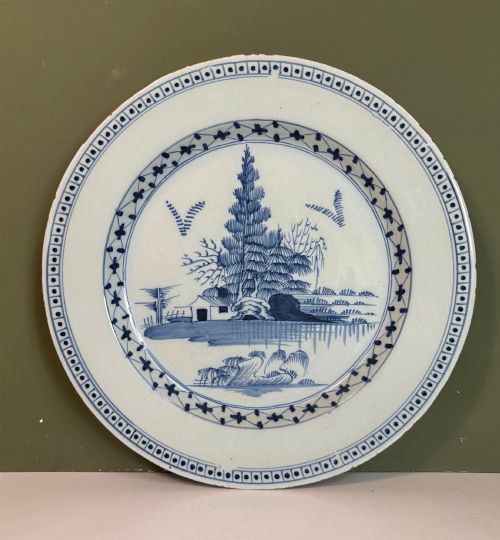
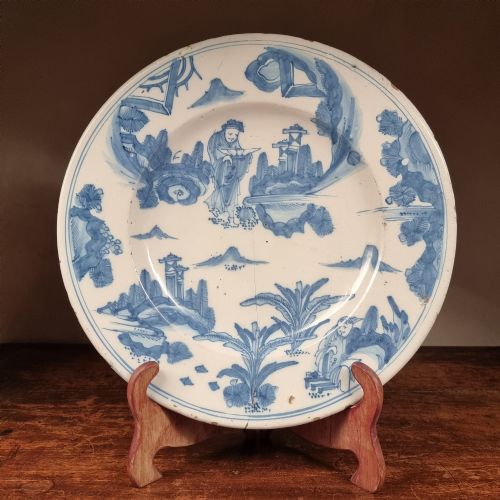
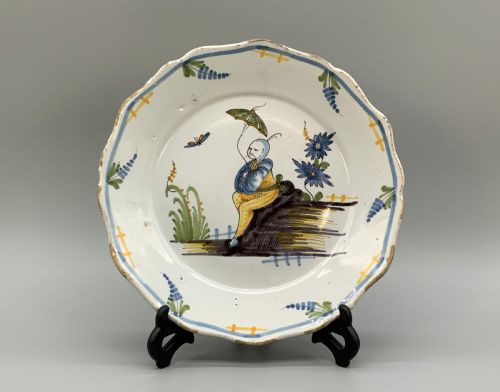
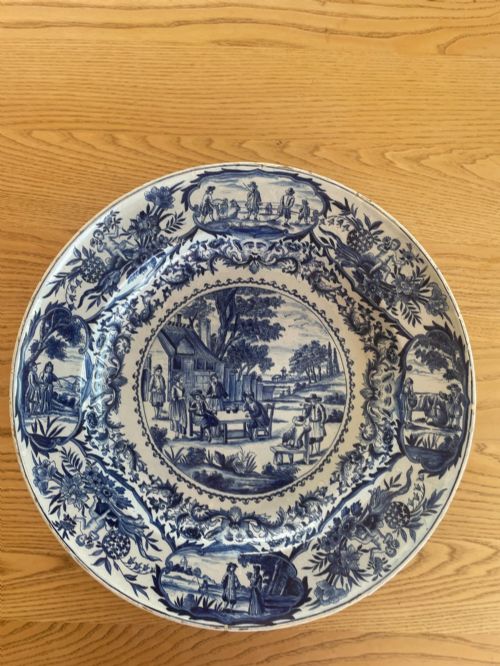
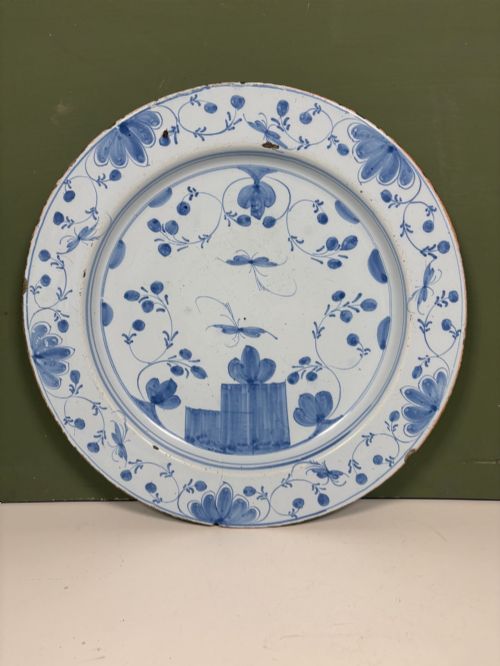
The selections encountered here lean heavily towards historic delftware chargers originating from English and Dutch kilns. Alongside these tin-glazed pieces appear Staffordshire blue and white prints, French faience, majolica, and distinct Art Deco tubelined designs.
Forms range from large chargers exceeding forty centimetres in diameter down to decorative plates and plaques. Their primary purpose remains visual display, often utilising wall hanging holes or mounting rims integrated by the potter.
Assessing quality and execution
Quality rests in the crispness of the hand-painted brushwork and the stability of the tin glaze over the earthenware body. Superior examples display confident, fluid brush strokes in cobalt or polychrome pigments, whereas weaker pieces show hesitant lines or muddy pigment separation.
The ambition of the pictorial design also separates standard domestic plates from exhibition chargers. Large diameters executed with complex chinoiserie or landscape scenes demonstrate greater technical mastery by the potter than simple geometric borders.
Listings feature earthenware wall display platters spanning from the seventeenth century through to Art Deco studio pottery.
Charlotte Rhead Crown Ducal·William Yale·Minton
The Earthenware Wall Display Platter Glossary
- Charger
- A large decorative plate traditionally hung on walls or stood on sideboards. These wide earthenware dishes provide an expansive canvas for painted scenes.
- Tin glaze
- An opaque white glaze containing tin oxide applied over a fired earthenware body. It creates the characteristic smooth surface used in delftware and faience.
- Grand feu
- A high-temperature kiln firing technique used for tin-glazed ceramics. This method fuses the pigments directly into the raw glaze layer.
- Tubelining
- A ceramic decoration technique where a fine line of liquid clay is squeezed onto the surface to outline patterns before glazing. It creates raised borders that hold coloured pigments in place.
- Polychrome
- Multi-coloured painted decoration utilising several pigments beyond standard blue and white. On these platters, manganese, yellow, and green frequently complement the primary design.
Earthenware Wall Display Platter: Frequently Asked Questions
How do I hang a heavy charger?
Most historic chargers lack modern hanging hardware, requiring specialised spring-loaded brass wall hangers that grip the rim securely without causing damage.
Ensure the wall fixing engages directly with masonry or a stud, given the substantial weight of large earthenware bodies.
Are these platters safe for food use?
Historic tin-glazed earthenware platters are intended strictly for visual display rather than culinary service. The softer historic glazes and porous clay bodies absorb moisture and can be sensitive to modern detergents.
Additionally, older glazes on early earthenware may contain compounds unsuited for contact with acidic foods.
How should I clean my display platter?
Dust the surface gently with a dry, soft microfibre cloth to remove accumulated particles without disturbing the glaze. Avoid submerging historic earthenware in water, as moisture entering through hairline cracks can destabilise the clay body.
Professional conservation advice should be sought if deeper cleaning becomes necessary.