


Art Deco Studio Pottery
Art deco studio pottery brings together bold modernist forms and experimental glazes from the early twentieth century.
Art Deco Studio Pottery
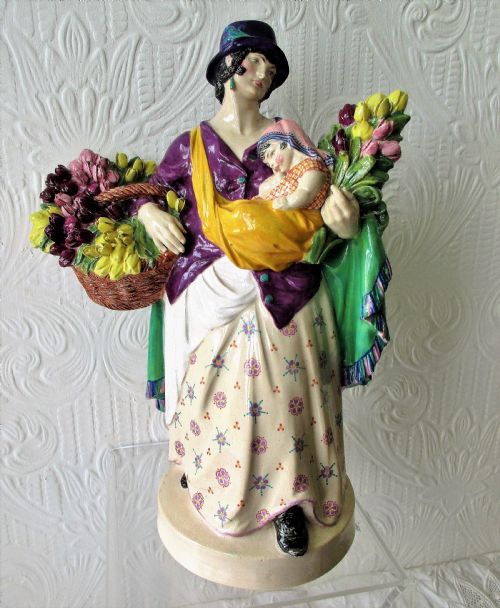
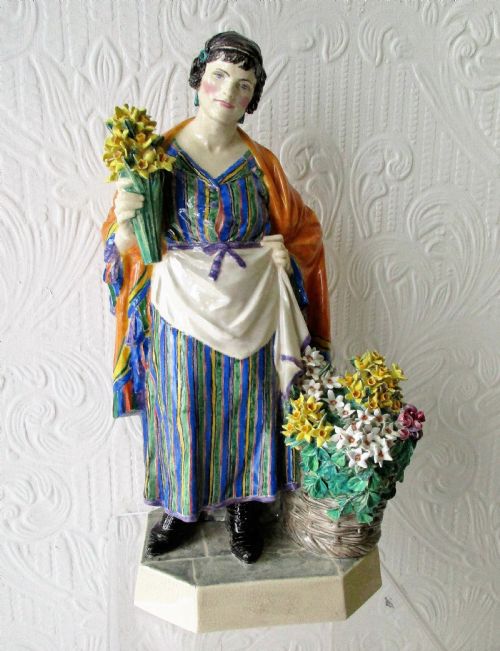
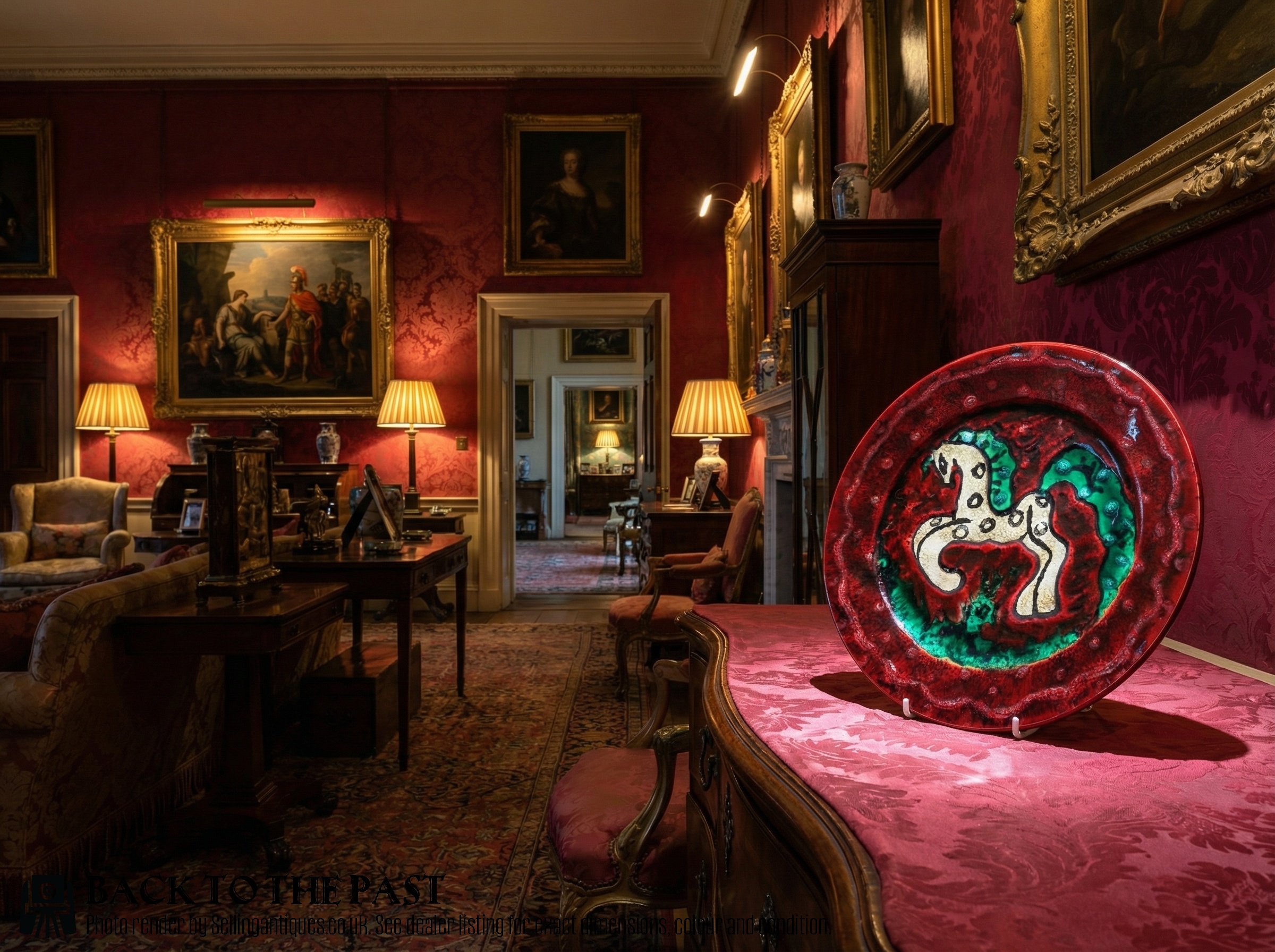
Art deco studio pottery encompasses vases, figurines, sculptures, and decorative chargers produced across the early decades of the twentieth century. These pieces reflect the shift towards modernist aesthetics, featuring distinct sculptural shapes and stylised motifs.
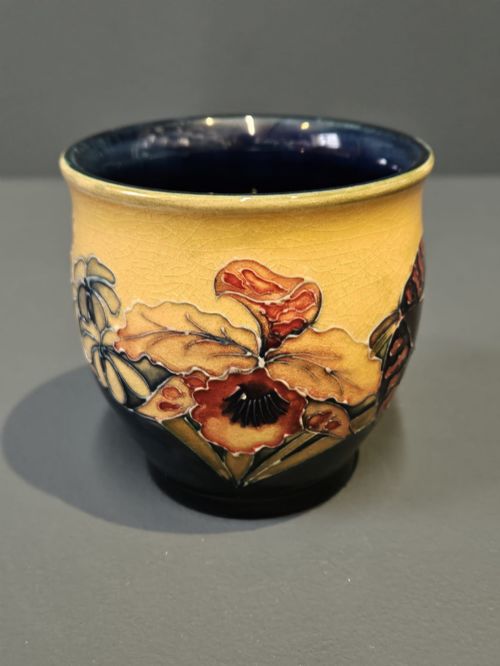
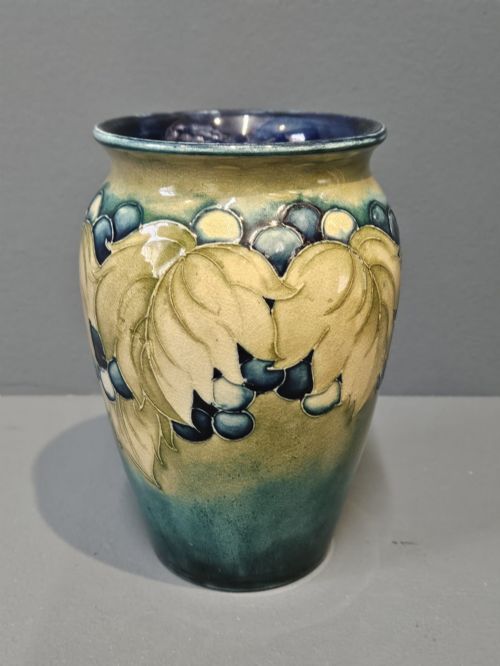
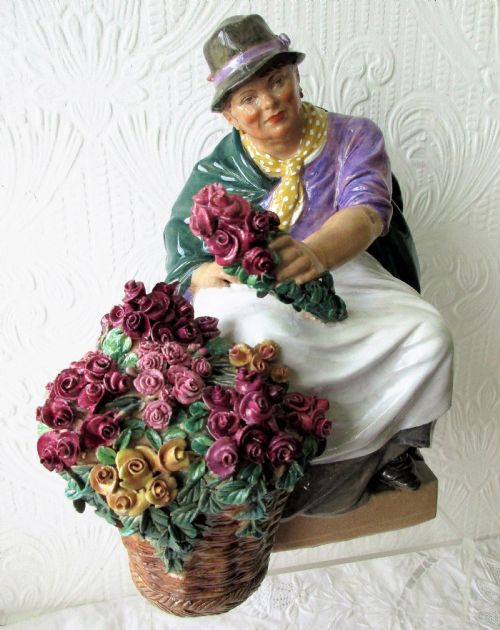
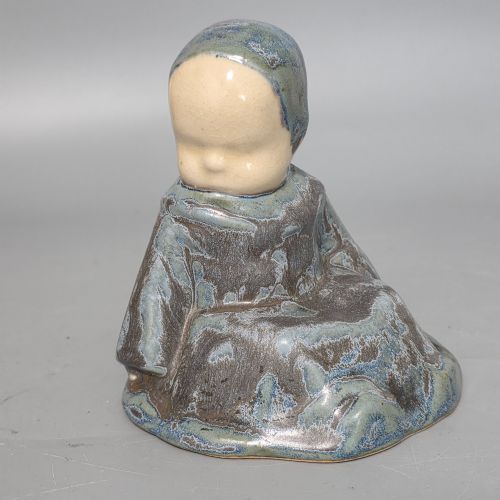
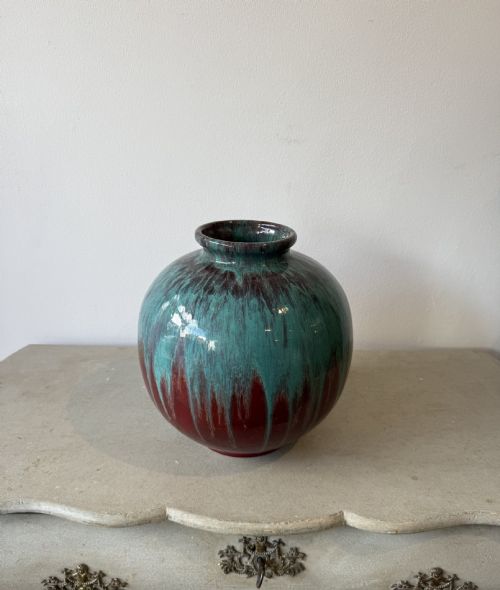
Vases and vessels form the largest share of what meets the eye, often decorated with vibrant monochrome glazes or metallic lustre finishes. Alongside these utilitarian vessels stand sculptural figurines and terracotta busts that capture the sculptural ambition of the period.
How they were made
Potters utilised earthenware, stoneware, and terracotta as the primary bodies for their work, shaping them by hand or throwing them on the wheel. High-fired techniques allowed certain makers to achieve robust structural forms and dense ceramic bodies.
Surfaces were finished with specialised ceramic glazes, ranging from smooth celadon and lapis blue to complex metallic lustre glazes. These chemical formulations reacted in the kiln to produce the characteristic sheen and depth associated with the era.
Listings feature works spanning the late nineteenth century through to the nineteen forties, with a strong concentration around the nineteen twenties and thirties.
What varies in quality
Quality rests in the ambition of the form and the control demonstrated in the handling of difficult glazes. Stronger pieces display confident modelling and a harmonious relationship between the glaze effect and the underlying ceramic body.
The execution of detail distinguishes standard production from exceptional studio output, particularly in hand-painted figurines and individually thrown vessels. Successful pieces retain a crispness in their lines and a deliberate balance in their proportions.
Charles Vyse·Berthe Savigny·Robert T Lallement·Richard Joyce·Roger Guerin
The Art Deco Studio Pottery Glossary
- Earthenware
- Porous pottery fired at lower temperatures, commonly coated with a glaze to ensure it holds water. It forms the base for many brightly coloured decorative vessels.
- Stoneware
- A dense, impermeable ceramic fired at high temperatures until the clay body vitrifies. This material allows for robust vessels that require no interior glaze.
- Lustre Glaze
- A metallic film applied over the fired ceramic and refired in a reduced oxygen atmosphere to produce an iridescent sheen. It creates a shimmering surface effect.
- Celadon
- A pale green jade-like glaze originating in East Asia that was later adapted by European studio potters. It pools softly in the recessed carved details of ceramic pieces.
Art Deco Studio Pottery: Frequently Asked Questions
What is art deco studio pottery?
It is ceramic work produced by individual artists and potteries during the interwar years, combining modernist design with traditional craft.
The pieces range from functional vases with metallic lustre to hand-modelled figurative sculptures.
How do I identify the period?
Dating relies on stylistic markers such as geometric motifs, modernist silhouettes, and the specific composition of the glaze.
Makers often marked their bases with incised signatures or factory stamps characteristic of the 1920s and 1930s.
What materials were used?
Makers utilised earthenware, stoneware, and terracotta depending on the desired weight and texture of the finished sculpture or vessel.
Surfaces were then finished using specialised ceramic glazes or metallic lustre applications.
How should I display them?
These ceramic works benefit from placement on stable surfaces where adequate lighting highlights the depth of the glaze.
Keeping them away from direct heat sources protects the integrity of both the earthenware body and the surface finish.