




Earthenware Toby Jug
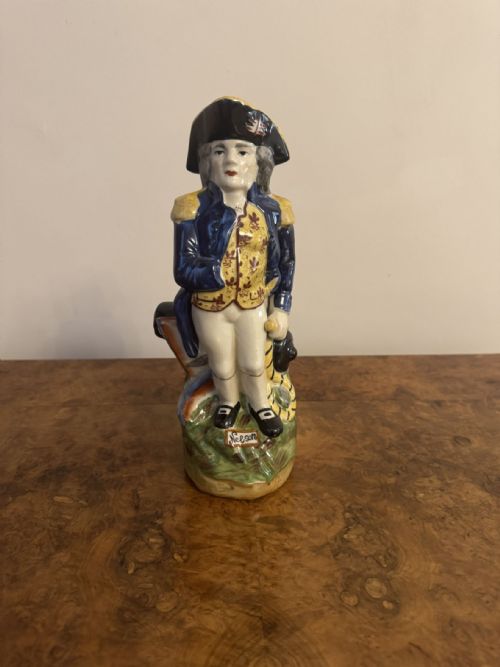
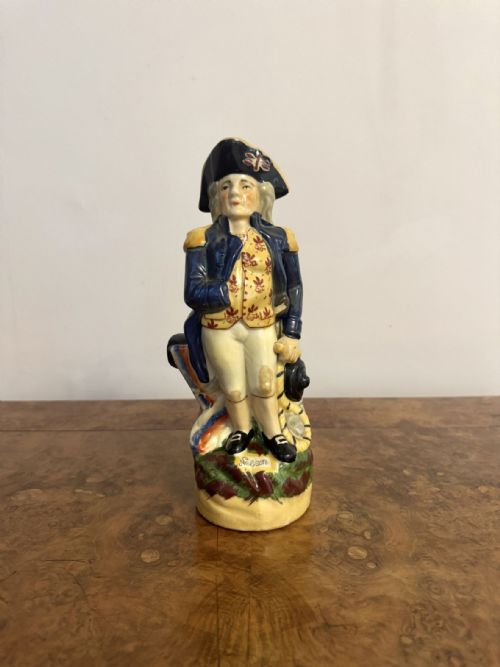
An earthenware toby jug brings centuries of character and robust ceramic craft to a room, depicting cheerful figures from Nelson to the Squire.
Earthenware Toby Jug
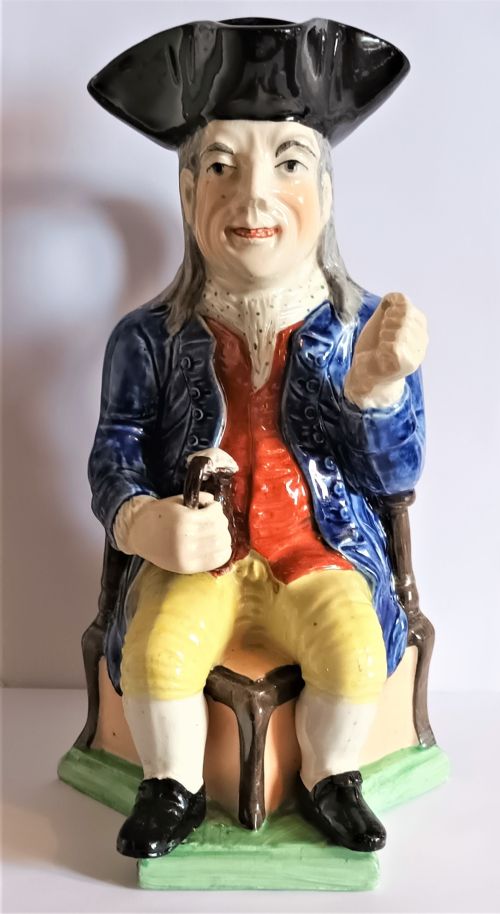
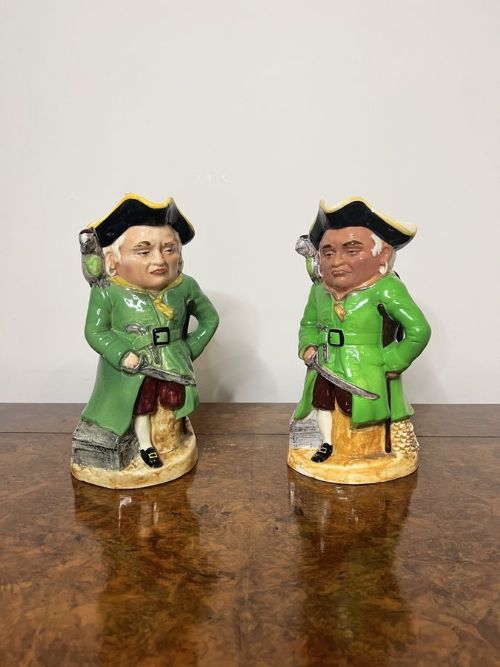
An earthenware toby jug is a seated, stout drinking figure modelled in ceramic and painted with rich glazes, forming a tradition that spans Georgian, Victorian, and Edwardian eras. You will encounter familiar character depictions on this page, including Lord Nelson, the Squire, Mr Snuff, and spaniels, alongside Dutch Delftware interpretations.
Most examples hail from Staffordshire pottery workshops or Dutch Delft factories, taking the form of jugs, pitchers, and even small pepperpot figures. The typical form shows a seated drinker holding a jug of ale or a pipe, rendered with distinct period clothing and facial expressions.
How they were made
Dutch Delft pieces utilised tin glaze and polychrome paint over faience bodies, whilst Staffordshire potters relied on rich earthenware and applied lead or enamel glazes to achieve a glossy finish.
Listings span periods from Georgian and Victorian to Edwardian eras, utilising earthenware, tin glaze, and enamel materials.
What varies in quality
Quality rests in the crispness of the moulding and the expressive detail of the hand-painted glazes, separating lively character studies from flat productions. Earlier pieces often display finer facial modelling and deeper polychrome colour application.
The sophistication of the glaze and the complexity of the subject matter distinguish standard production jugs from more ambitious works by established potters.
Pieter Verburg
The Earthenware Toby Jug Glossary
- Earthenware
- Porous pottery fired at lower temperatures than stoneware or porcelain. It requires a glaze to hold liquids.
- Tin Glaze
- An opaque white glaze containing tin oxide, providing a smooth surface for painted decoration. It is characteristic of Delftware.
- Polychrome
- Decoration utilising several colours painted onto the ceramic body. This technique brings depth to traditional figures.
- Staffordshire Pottery
- Ware produced in the pottery districts of Staffordshire, known for robust domestic figures and jugs. Many nineteenth century examples originate here.
Earthenware Toby Jug: Frequently Asked Questions
What is an earthenware toby jug?
An earthenware toby jug is a traditional ceramic vessel shaped as a seated, jovial person holding a mug or pipe. These figures capture historical and fictional characters with distinct painted details.
Potters created them primarily for domestic use and display across the eighteenth and nineteenth centuries, combining sculpture with functional pouring vessels.
How were these jugs used?
Historically, these vessels served as functional pitchers for ale and beer at the table or in taverns. Their humorous designs also made them popular decorative ornaments on mantelpieces.
Over time, many transitioned purely into display pieces, appreciated for their sculptural form and historical uniforms or dress.
How do I date an antique toby jug?
Dating relies on examining the ceramic body, the style of the clothing, and the type of glaze applied. Georgian pieces show different moulding characteristics compared to later Victorian or Edwardian examples.
Makers' marks or specific historical subjects, such as Lord Nelson or Lord Kitchener, also help narrow down the period of production.
How do I display them at home?
These colourful ceramic figures suit prominent placement on sturdy shelving, mantelpieces, or inside glazed cabinets where their painted details remain visible. Grouping them by period or subject highlights their varied character.
Ensure they sit safely away from heavy foot traffic due to their ceramic composition and protruding handles.