
Earthenware Pottery Vessel
When you search for an earthenware pottery vessel, you step into a vast lineage of fired clay containers spanning centuries and continents.
Earthenware Pottery Vessel
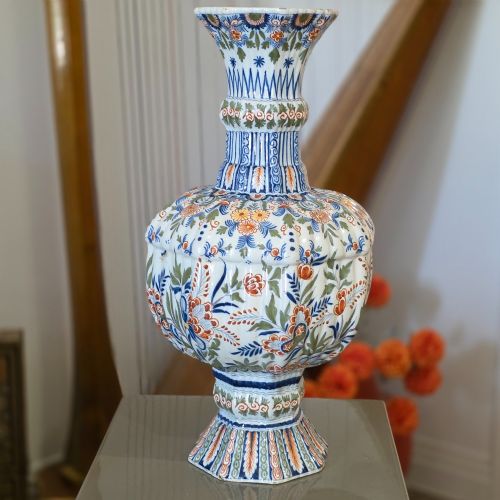
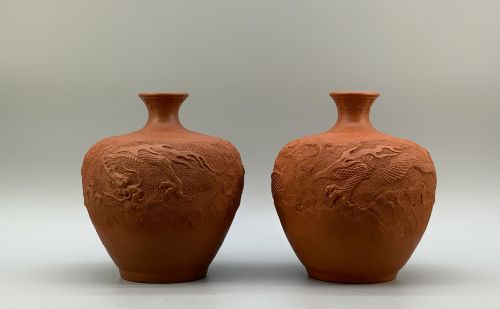
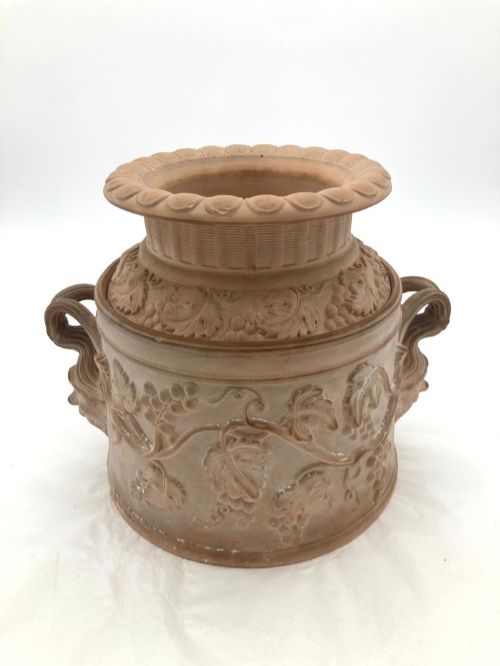
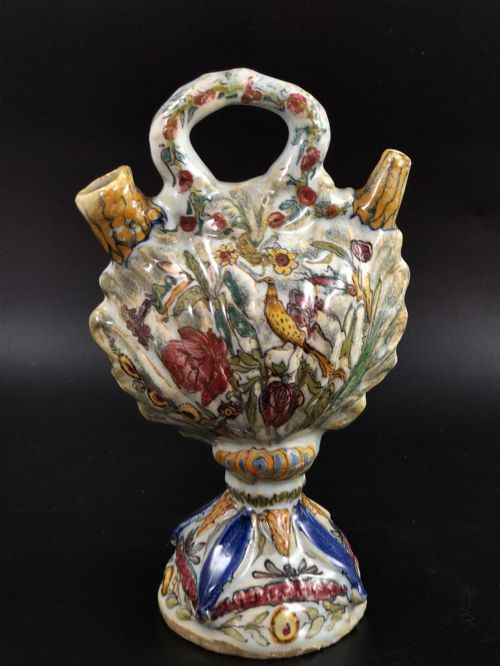
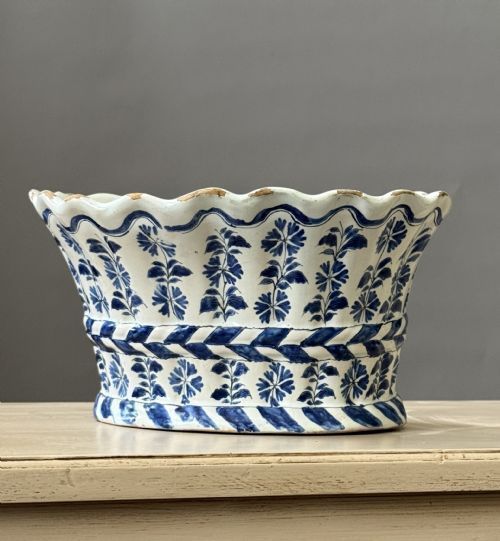
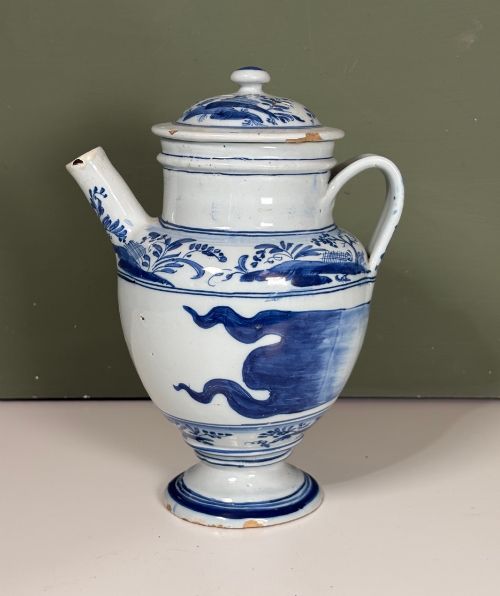
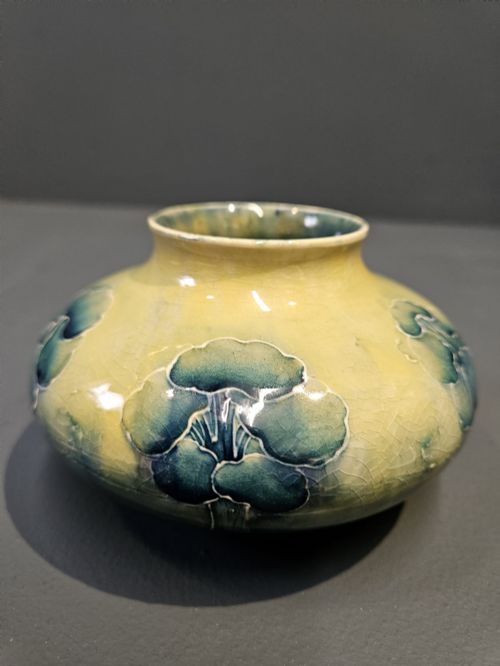
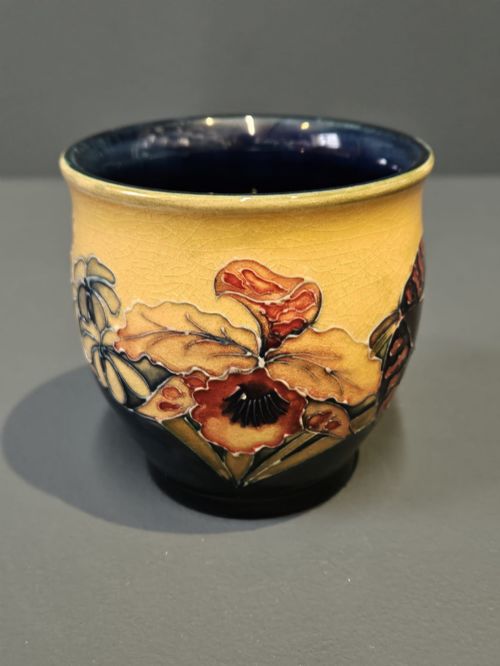
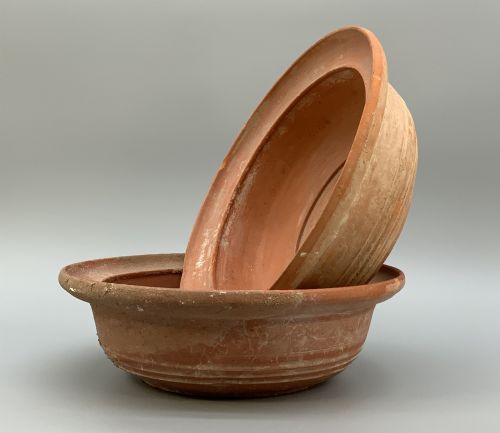
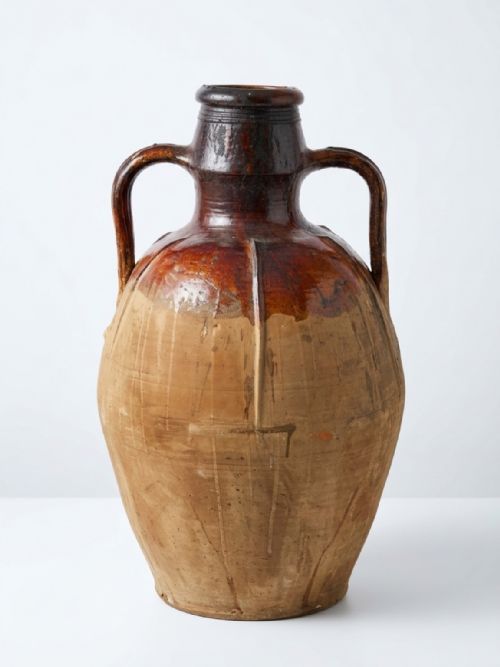
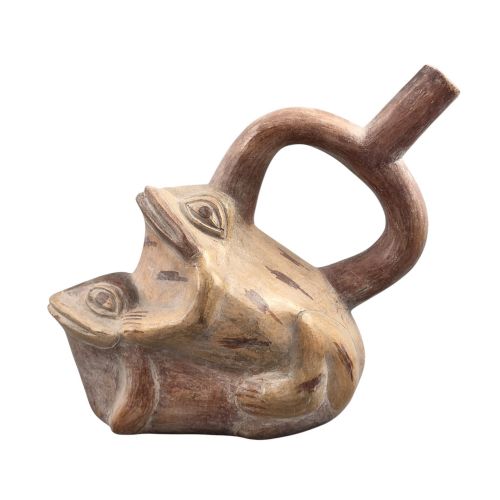
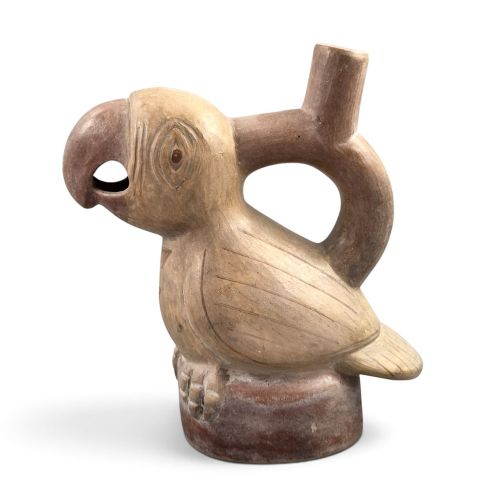
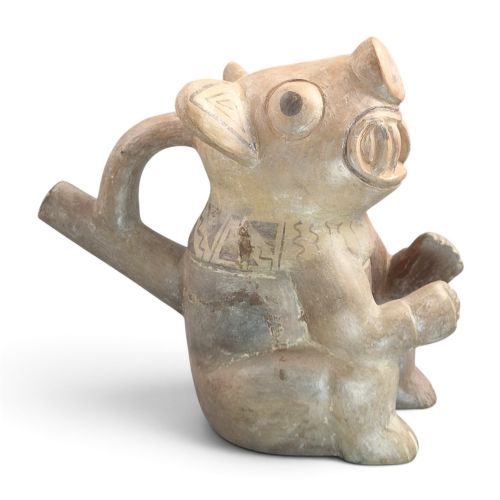
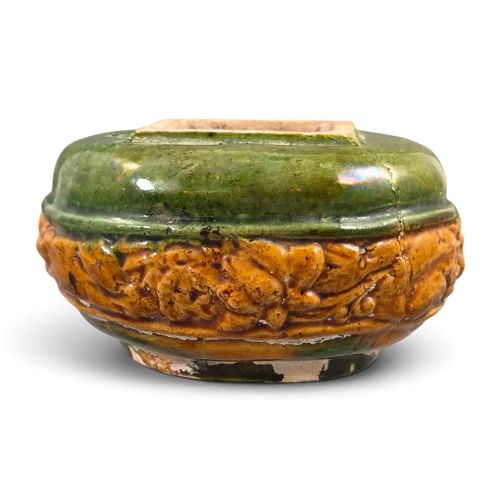
An earthenware pottery vessel encompasses everything from utilitarian storage jars and kitchenware to highly decorative vases, jugs, and apothecary containers moulded from porous clay. These pieces arrive from diverse historical contexts, including English slipware, Dutch Delft, Italian majolica, and ancient Pre-Columbian or Chinese dynasties.
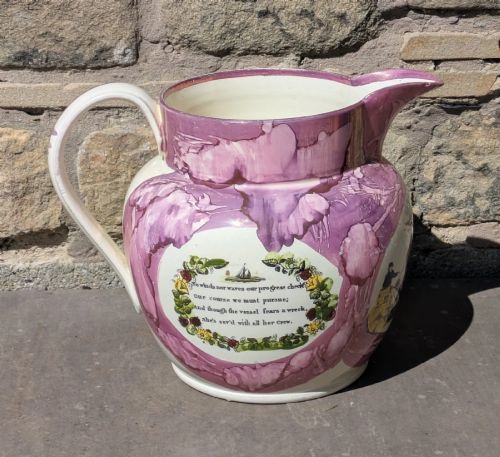
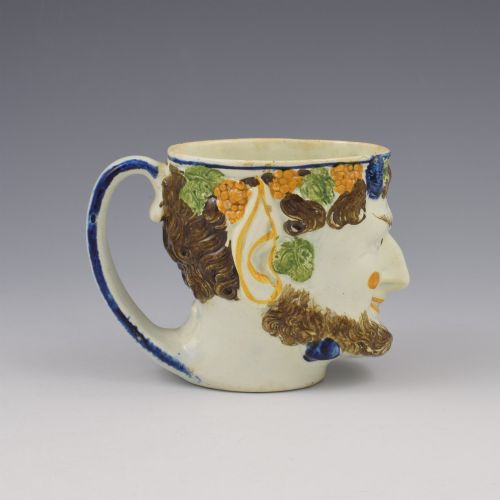
The versions most commonly met on this page range from nineteenth-century Victorian Staffordshire jugs and French faience to early twentieth-century Japanese Satsuma and decorative European vases. Utilitarian forms share space with ornamental vessels created for display, drinking, or specialised domestic tasks.
How they were made
Makers shaped these objects using terracotta, earthenware, and ceramic bodies, often applying tin-glaze, enamel, or slip to seal the porous clay and provide a smooth ground for painting. Firing techniques varied according to the traditions of the kiln, ranging from low-temperature earthenware firings to sophisticated polychrome glaze applications.
Surface decoration frequently involved hand-painted pigments, lustre highlights, and occasionally gold leaf or modelled relief elements. Potters utilised simple throwing wheels or moulds to achieve the desired vessel form before applying surface glazes and secondary kiln firings.
Listings feature earthenware vessels spanning from ancient Pre-Columbian periods through the seventeenth, eighteenth, and nineteenth centuries into twentieth-century studio and factory productions.
What varies in quality
Quality rests upon the crispness of the modelled form, the control shown in the hand-painted brushwork, and the depth of the glaze. Master potters and established factories achieved superior definition in relief details and greater harmony in polychrome or blue-and-white palettes.
The reputation of the maker, whether a historic English pottery, a Japanese Satsuma atelier, or a named artist, significantly influences the standing of a piece. Preservation of the original glaze surface and the integrity of the ceramic body without extensive structural restoration define the better examples.
Davenport·Moorcroft·Royal Doulton·Burmantoft's Pottery·Doulton Lambeth
The Earthenware Pottery Vessel Glossary
- Earthenware
- Porous pottery fired at relatively low temperatures that requires a glaze to become water-tight. It forms the baseline material for the majority of historical utility and decorative vessels.
- Majolica
- Tin-glazed earthenware decorated with opaque coloured glazes, originating in Italy and later revived in various nineteenth-century European forms. It is known for its bright polychrome surface work.
- Delft
- Tin-glazed earthenware produced in the Netherlands and England, typically painted in blue and white with floral or narrative motifs. The style imitates imported Chinese porcelain.
- Slipware
- Pottery decorated with a thin mixture of clay and water applied to the unfired body before glazing and firing. This technique creates contrasting linear or marbled patterns on utilitarian items.
- Terracotta
- Unglazed or glazed fired brown-red clay used historically for both large storage jars and sculptural vessels. The material retains a porous and tactile earthy quality.
Earthenware Pottery Vessel: Frequently Asked Questions
What is an earthenware pottery vessel?
An earthenware pottery vessel is a container shaped from clay, fired in a kiln, and typically coated in a glaze to hold liquids or serve as decoration. These objects include functional storage jars, apothecary vessels, and decorative vases made across global ceramic traditions.
Because earthenware remains porous before glazing, makers applied tin-glazes, slips, or enamels to seal the body. This created a durable surface suitable for both daily domestic use and ornate display.
How were these vessels used?
Historical vessels served varied purposes ranging from holding dry goods, liquids, and medicines to displaying cut flowers and serving tea. Utilitarian items managed kitchen and cellar tasks, while decorative pieces filled domestic display roles.
Specialist vessels, such as puzzle jugs, posset pots, and wine coolers, fulfilled specific social and ceremonial functions within historical households. Their designs accommodated specific drinking games, communal dining customs, or food storage needs.
How can I tell different periods apart?
Distinguishing periods relies on observing the interplay of clay body composition, glaze chemistry, decorative motifs, and manufacturing marks. Earlier pieces often display heavier thrown bodies and hand-mixed mineral pigments, while nineteenth-century and later works show more industrial standardisation.
Stylistic cues such as Art Nouveau curves, Georgian forms, or Meiji period ornamentation provide chronological markers. Comparing the handling of the base and interior glaze layers further clarifies the era of production.