




Earth Tone Portrait Painting
Earth tone portrait painting brings quiet warmth and depth to a room through muted palettes and human character.
Earth Tone Portrait Painting
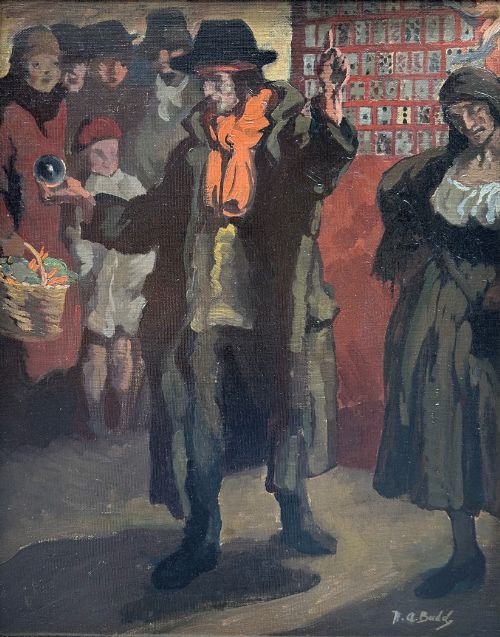
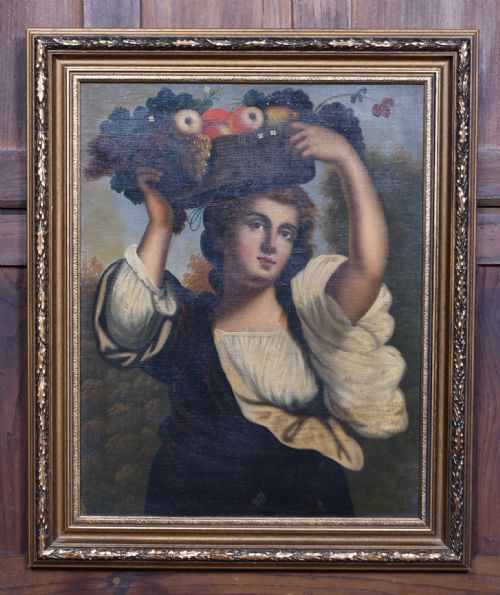
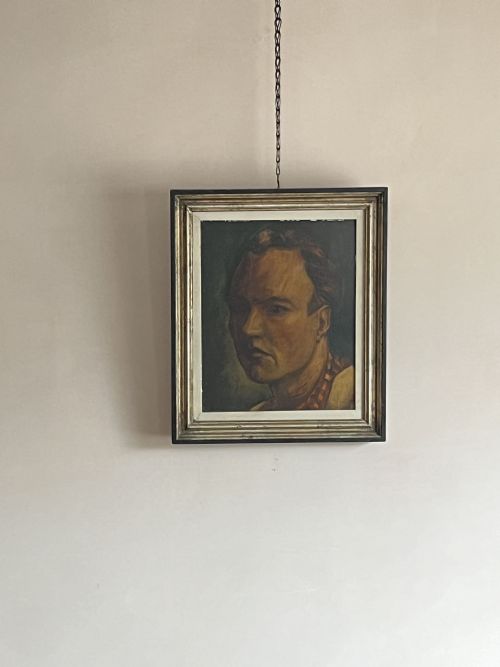
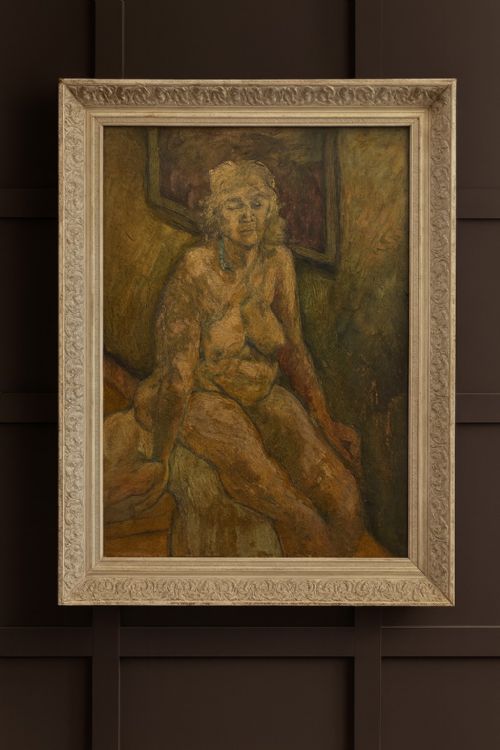
An earth tone portrait painting captures a human subject using natural pigments such as umber, ochre, and sienna. These works range from seventeenth-century Flemish and Spanish baroque interpretations to mid-century modernist and twentieth-century realist studies.
Buyers encounter subjects rendered on canvas, board, and paper across varied periods including the seventeenth, eighteenth, nineteenth, and twentieth centuries. The selection includes British and European realists alongside post-impressionist and mid-century compositions.
Figurative interiors, genre scenes, and direct character studies dominate the current offering. Each piece relies on restrained colour palettes to establish mood and focus attention upon the sitter.
Materials and methods
Artists painted primarily with oil paint on canvas, wood panels, or board, occasionally utilising watercolour on paper. Ground layers and traditional binding mediums provided the stable foundation necessary for these durable compositions.
Subtle manipulation of tone and pigment achieved the characteristic warmth seen across the centuries. Brushwork varies from the tight finish of early European portraitists to the looser application found in twentieth-century modernist works.
The selection includes British Realism, Flemish Baroque, Spanish Baroque, Victorian Realism, and Mid-Century Modernist styles.
Assessing quality and execution
The preservation of the original canvas, board, or paper surface dictates the visual integrity of the piece. Subtle modulation within the restricted palette separates exceptional historic portraits from ordinary examples.
Herbert Ashwin Budd·Juan Ruiz Soriano·Ralph Hedley·Adrian Jones·Leonardo Morello·Raymond Arthur Roadnight
The Earth Tone Portrait Painting Glossary
- Canvas
- A heavy woven fabric stretched across a wooden frame to serve as a support for oil paint. It provides a flexible yet resilient surface that has remained popular for centuries.
- Genre scene
- A painting depicting aspects of everyday life by portraying ordinary people caught in common activities. These works offer social insight alongside artistic merit.
- Oil paint
- A slow-drying paint made by mixing pigments with oils such as linseed. It allows for rich colour depth and smooth blending.
- Board
- A rigid wooden or fibrous sheet used as a solid painting support instead of fabric. Artists often favoured it for smaller or more immediate studies.
- Watercolour
- A paint consisting of pigment suspended in a water-based solution. It is typically applied to paper to achieve transparent washes and delicate tones.
Earth Tone Portrait Painting: Frequently Asked Questions
How do I date an old portrait?
Examination of the canvas preparation, stretcher frames, and stylistic conventions provides reliable chronological markers.
Clothing styles and hair ornamentation depicted in the subject further narrow the window of creation.
Where should I hang these paintings?
These works suit libraries, studies, and living rooms where muted colours harmonize with traditional or contemporary interiors.
Avoid placing them in direct sunlight to protect the natural pigments from fading over time.
What is the difference between oil and watercolour portraits?
Oil portraits utilise heavy pigments on canvas or board to build rich textures and deep shadows. Watercolour works rely on translucent layers upon paper for a lighter effect.
Both mediums employ earth tones to capture the mood of the sitter.
Are these paintings ready to hang?
Most works arrive stretched or framed appropriately for immediate wall mounting. Inspect the hanging hardware on the reverse before installation.
Professional framing secures older canvases and prevents warping.