


European School Painting
When you examine a european school painting, you step into centuries of continental tradition spanning portraits, landscapes and still lifes created across distinct regional workshops.
European School Painting
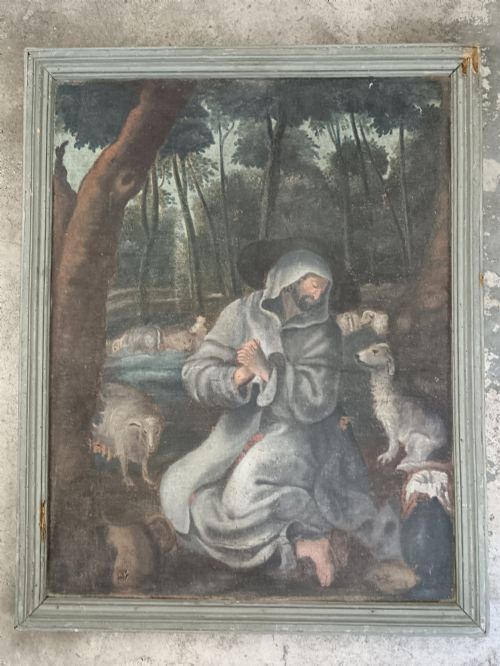
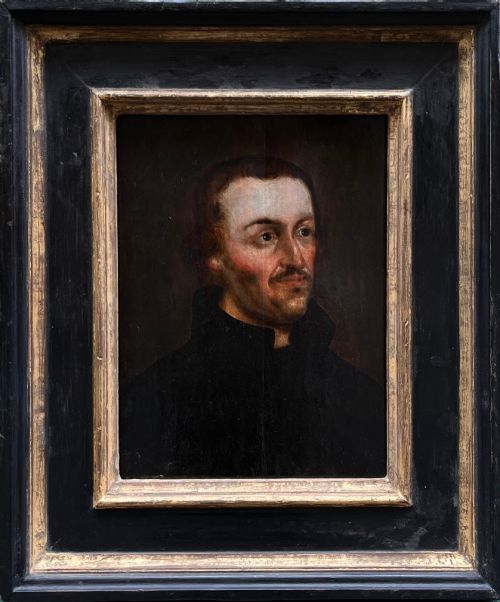
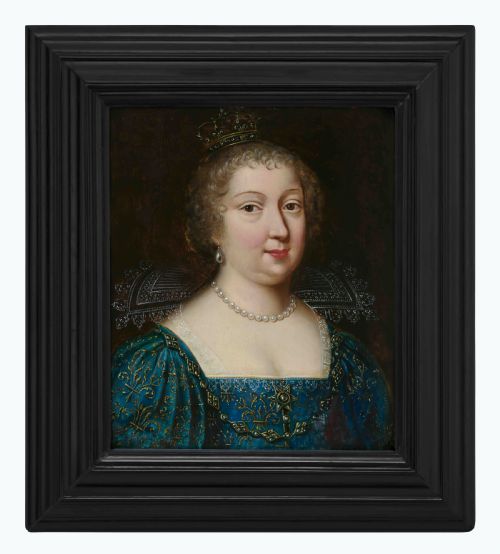
A european school painting encompasses works originating from diverse continental traditions rather than a single unified movement, reflecting distinct regional characteristics from the seventeenth century onward. Buyers exploring this category encounter a broad spectrum of subjects, including aristocratic portraits, religious iconography, floral still lifes and expansive landscapes.
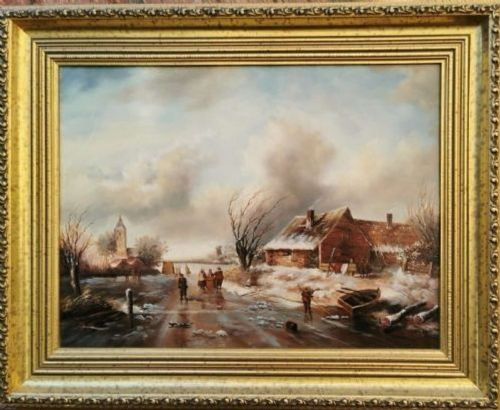
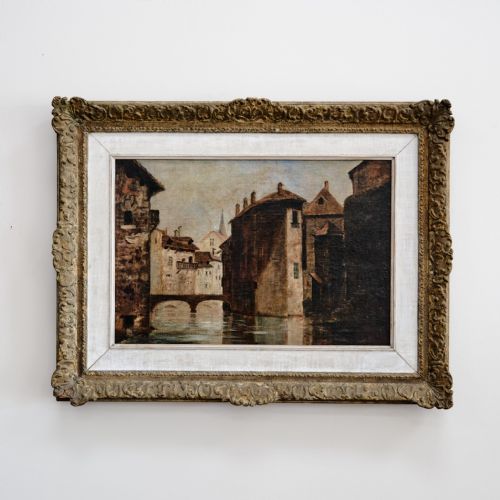
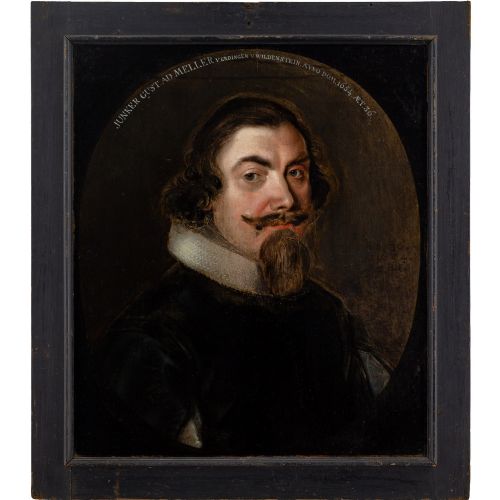
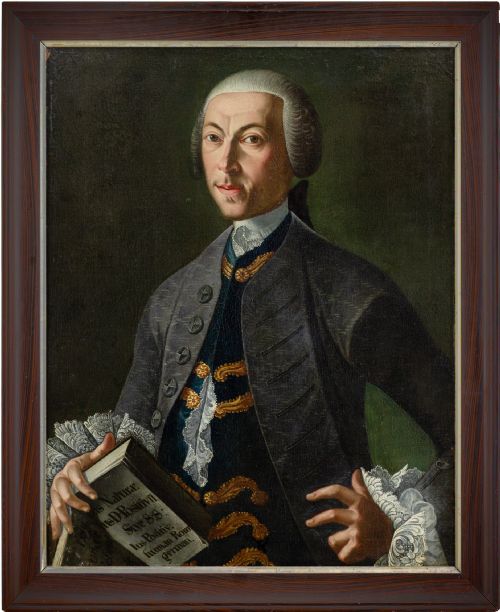
The nineteenth century forms a substantial part of the available range, alongside earlier seventeenth and eighteenth-century examples originating from Flemish, Dutch, German, French and Italian workshops. These pieces frequently record historical sitters, coastal scenes or pastoral views executed by regional artists whose specific identities remain unrecorded.
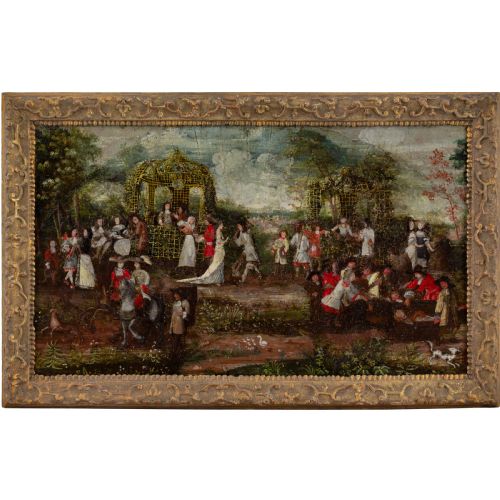
Works attributed broadly to a regional school offer a direct connection to historical European art production, bridging the gap between named masters and anonymous studio output. The selection balances formal portraiture with narrative genre scenes and atmospheric landscapes typical of continental artistic output.
Materials and technique
Traditional works rely primarily on oil paint applied to woven canvas stretched over wooden frames, though early panels of oak or other timbers appear frequently among seventeenth-century examples. Artists built up compositions using layered oil colours that permitted subtle tonal shifts and deep glazing effects characteristic of historical painting methods.
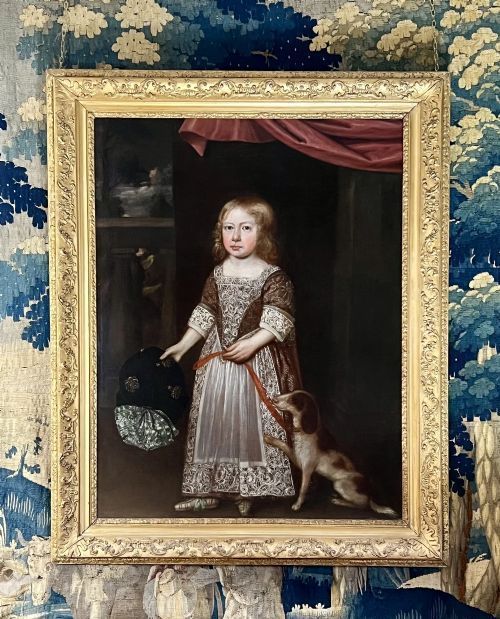
Many historical examples retain their original or period surrounds fashioned from carved wood and finished with gold leaf or giltwood, framing the canvas to complement the visual weight of the pigment. The physical structure of these works often displays evidence of past conservation, including relining of canvases or repairs to wooden supports.
Listings feature oil paintings on canvas, wood panels, and board across seventeenth, eighteenth, and nineteenth-century European periods.
Assessing quality and execution
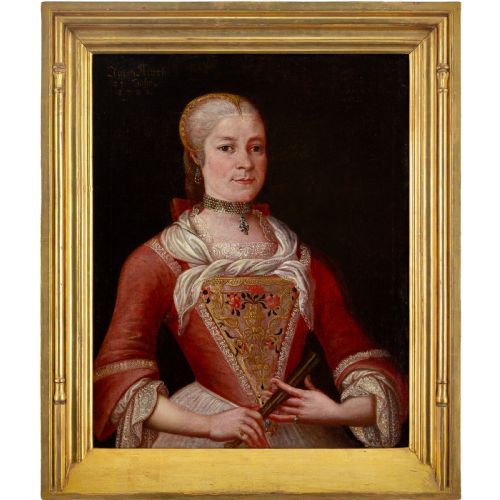
The sophistication of brushwork and the handling of light and shadow set the finest examples apart from more modest studio output, particularly in the rendering of facial expressions and textile textures. Portraiture demonstrates this clearly through the careful depiction of lace collars, armour and flesh tones.
Condition plays a central role in evaluation, distinguishing works that retain their original pigment layers and untouched surfaces from those affected by extensive overpainting or structural damage. The integration of a well-preserved period giltwood frame enhances the integrity of the piece.
Joseph Emmanuel Weiser·Louis Smets·Laurens Plas·Paul Paul·Johan Horner
The European School Painting Glossary
- Pentimento
- A visible trace of an earlier painting beneath the layers of paint, showing where the artist changed their mind during the creation of the work.
- Giltwood
- Wood that has been coated with a thin layer of gold leaf or gilt, commonly used in historical picture frames.
- Tondo
- A circular painting or relief, popular in Italian art traditions.
- Ruff
- A voluminous pleated collar worn in European fashion during the sixteenth and seventeenth centuries, frequently seen in period portraits.
- Genre painting
- The pictorial representation of scenes from everyday life, typically depicting figures engaged in ordinary activities.
European School Painting: Frequently Asked Questions
What defines a European school painting?
This designation applies to artworks produced by continental European artists where the specific individual creator is either unknown or attributed to a wider regional tradition.
The grouping encompasses various centuries and styles, ranging from Flemish baroque portraits to nineteenth-century continental landscapes.
How do I identify the age of these paintings?
Dating relies on stylistic evidence, costume details of sitters, preparation of the canvas or panel, and framing materials typical of specific periods.
Seventeenth and eighteenth-century works often feature distinct portrait formats and pigments that differ from later nineteenth-century output.
Are these paintings supplied with frames?
Many listings include period frames, such as ornate giltwood surrounds that complement the era in which the artwork was created.
These frames range from simple wooden mouldings to elaborate Victorian gilt designs tailored to the specific painting.
How should I care for an antique oil painting?
Maintenance involves hanging the canvas away from direct sunlight, excessive moisture, and rapid temperature fluctuations to protect the oil pigment and wood support.
Dusting should be performed gently with a dry, soft brush without applying cleaning solutions to the painted surface.