




Earth Tone Canvas Art
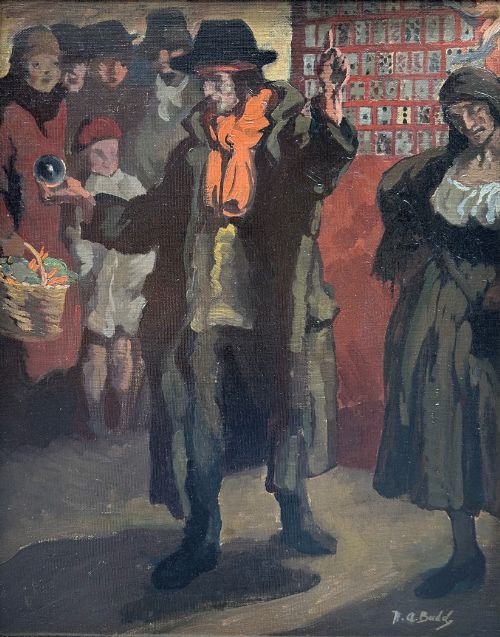
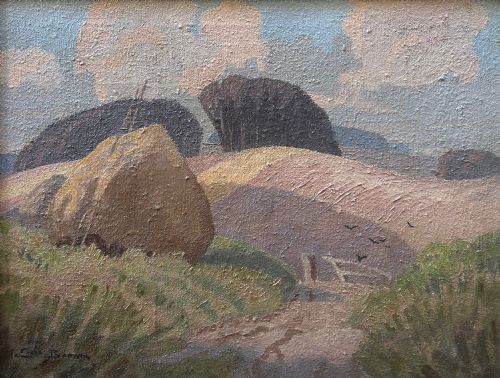
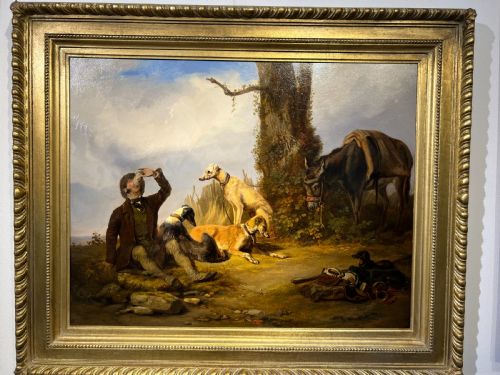
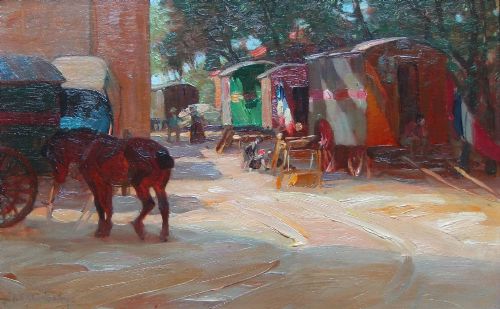
Earth tone canvas art spans centuries of oil painting on canvas and board, offering muted palettes and historic subjects that ground a room.
Earth Tone Canvas Art
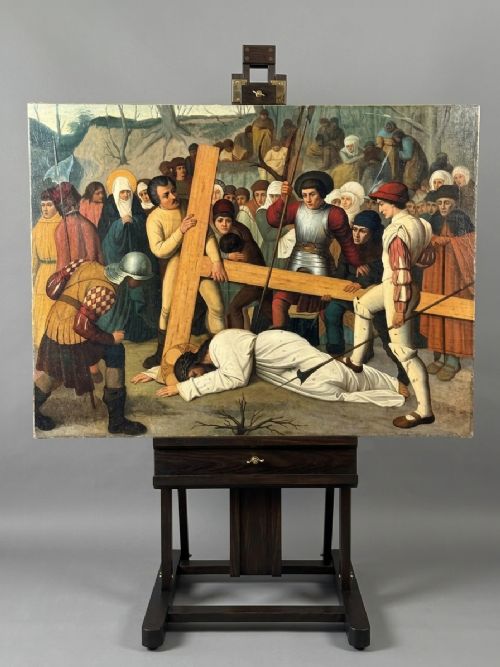
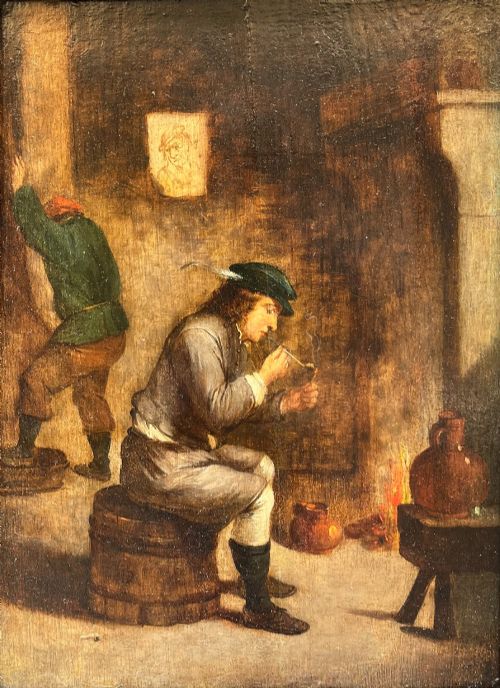
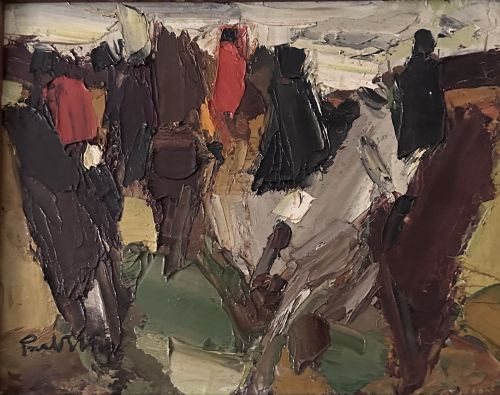
Earth tone canvas art encompasses centuries of painted works, ranging from seventeenth-century Flemish Baroque compositions to mid-twentieth-century abstract cityscapes and landscapes. Buyers encounter traditional oil paintings executed on canvas or board, often secured within period wood frames.
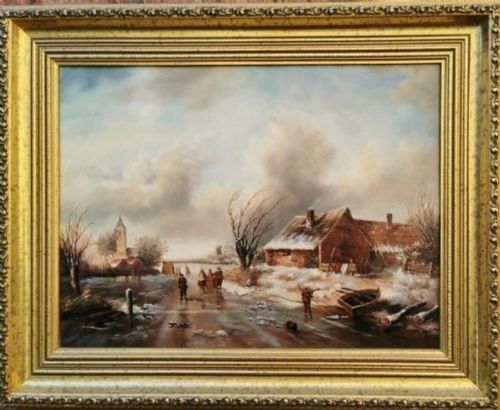
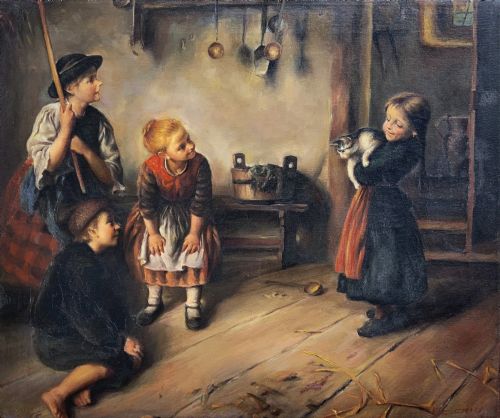
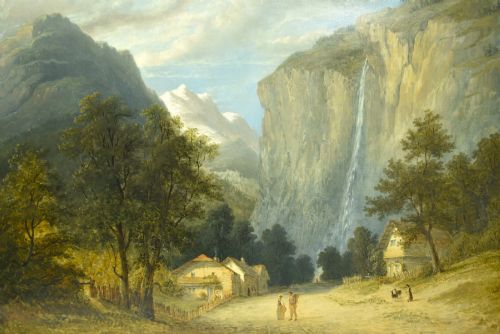
The selection leans heavily toward historic oil paintings capturing rural scenes, horse racing, genre portraits, and winter landscapes. Works span the nineteenth century, Victorian era, and various decades of the twentieth century, bringing aged patinas and natural hues into modern spaces.
Materials and Techniques
Artists relied primarily on oil paint applied to woven canvas or rigid board surfaces, building rich textures and deep chromatic layers over time. Many compositions utilise heavy impasto or delicate glazing to manipulate light and shadow across natural landscapes and interior scenes.
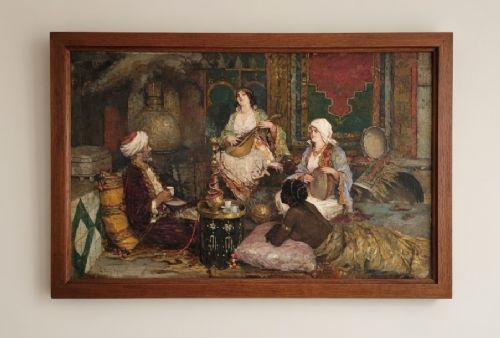
Surviving works are typically housed in traditional wood frames that protect the perimeter of the canvas and complement the earthy pigments of the primary image. Supports range from stretched linen canvas to wooden panels, reflecting the studio practices of each respective period.
Earth Tone Canvas Art Retail Price Guide 2026
Typical asking prices for earth tone canvas art among the pieces listed under this phrase on Sellingantiques today, from the lower quarter to the upper quarter. They describe what is for sale here now, not the wider market.
Listings feature oil paint on canvas and board across periods from the seventeenth century to 1960, housed in wood frames.
Evaluating Quality and Execution
Quality rests in the handling of brushwork and the structural integrity of the painted surface, distinguishing master studios from routine output. Finer examples display confident pigment application and stable adhesion across the canvas or board.
The sophistication of the composition and the preservation of the original wood frame influence the overall character of each piece. Superior execution is evident in the depth of the tonal palette and the anatomical or architectural precision within the scene.
David Teniers·Herbert Ashwin Budd·Sir Edwin Henry Landseer·Ernest Higgins Rigg·Gabriel Puig Roda·George Armfield·William Greaves·Frederick W. Jackson·Percival Glenfern·Kershaw Schofield·Fred Stead·Ralph Hedley·William Manners·Thomas Sidney Cooper·Charles Henry Harrison Burleigh·Frederick J. Knowles
The Earth Tone Canvas Art Glossary
- Canvas
- A heavy woven fabric utilised as a support surface for oil painting. It is typically stretched tightly over a wooden frame before application.
- Impasto
- A technique where oil paint is laid thickly on the canvas, standing out noticeably from the surface. This creates tactile relief and catches ambient light.
- Genre Painting
- The pictorial representation of scenes from everyday life, depicting ordinary people engaged in common activities. These works form a large portion of historic collections.
- Board
- A rigid flat panel used as a painting support in place of flexible fabric. Artists often applied oil directly to these wooden or composite surfaces.
Earth Tone Canvas Art: Frequently Asked Questions
What periods do these paintings cover?
The available selection spans from the seventeenth century through the Victorian era and into the mid-twentieth century. Works include pieces from the 17th, 18th, 19th, and 20th centuries.
Each period brings distinct stylistic conventions, ranging from baroque village scenes to mid-century abstract cityscapes.
What surfaces were used for these artworks?
Artists primarily utilised stretched canvas and rigid board as the foundational supports for their oil pigments. These materials provide the durability necessary for centuries of preservation.
Wooden panels and woven fabric both appear frequently across the different eras represented.
How should I display an antique oil painting?
Historic oil paintings are typically housed in their original wood frames, which are designed to support and complement the artwork. Hang them away from direct sunlight and excessive moisture to protect the canvas and oil paint.
Ensure proper wall fixings that match the weight of the wood frame and support structure.
What subjects are common in these paintings?
Common subjects include rural landscapes, winter scenes, agricultural labour, animal portraits, and historic genre figures. Artists frequently captured local countryside views and domestic daily life.
These traditional themes contribute to the natural, grounded colour palettes found across the collection.