





Early Twentieth Century Sculpture
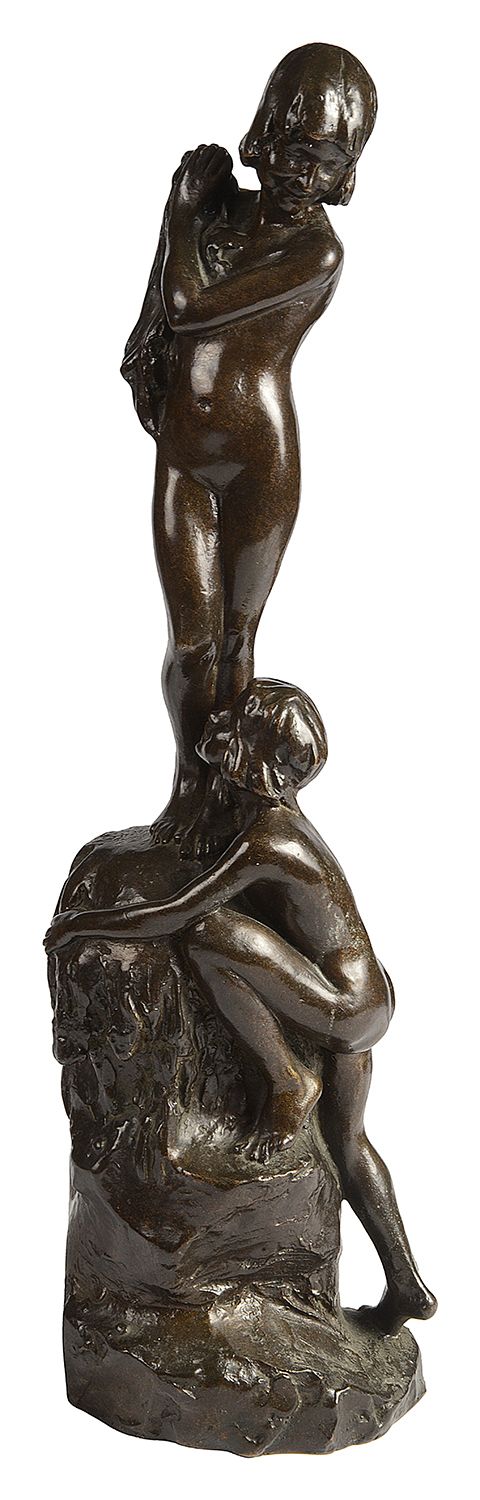
Early twentieth century sculpture encompasses figurative works, animal studies, and decorative objects cast in bronze or carved from wood, marble, and plaster.
Early Twentieth Century Sculpture
Early twentieth century sculpture brings together figurative works, animal studies, and decorative objects spanning distinct stylistic movements. The selection draws on periods such as the Edwardian era, the nineteen-twenties, and the nineteen-thirties, reflecting a broad shift in sculptural forms.
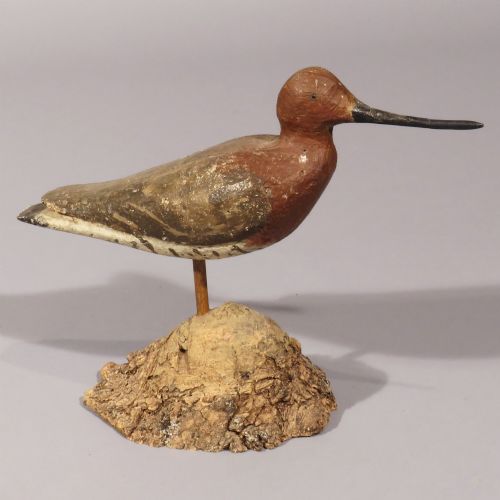
Buyers encounter subjects ranging from animalier bronzes and Grand Tour models to folk art decoys, portrait busts, and architectural obelisks. These pieces demonstrate the varied output of European and American workshops during a period of transition in decorative arts.
Materials vary widely across the inventory, including cast bronze, carved wood, marble, terracotta, plaster, and painted metal. This diversity allows collectors to find works suited to traditional interiors as well as more specialised displays.
Materials and Techniques
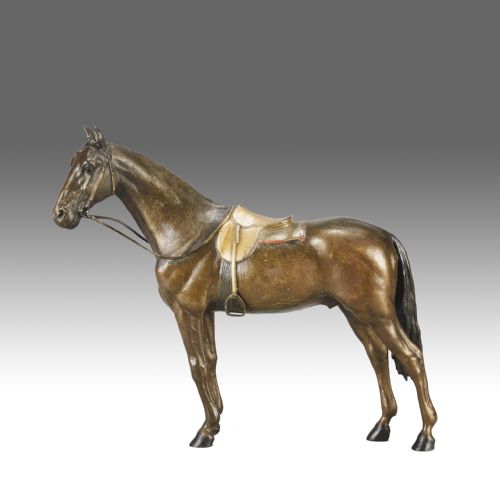
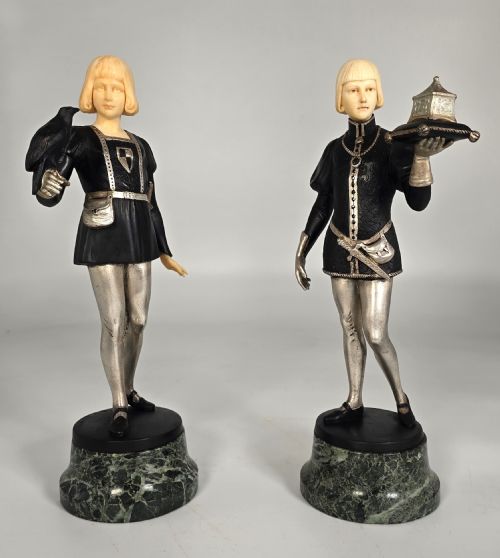
Foundries and studios relied heavily on traditional casting methods, particularly the lost-wax technique for bronze figures, often finished with cold-painting or patination. Metalwork from this era frequently highlights meticulous detail in feathered birds, equine subjects, and human figures.
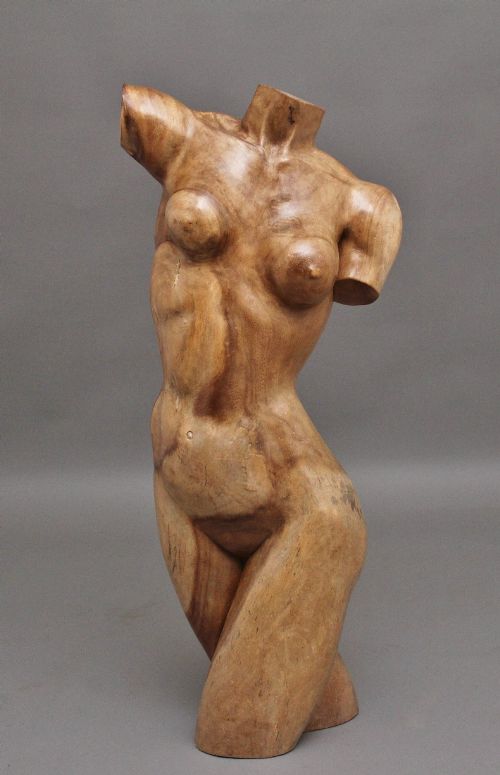
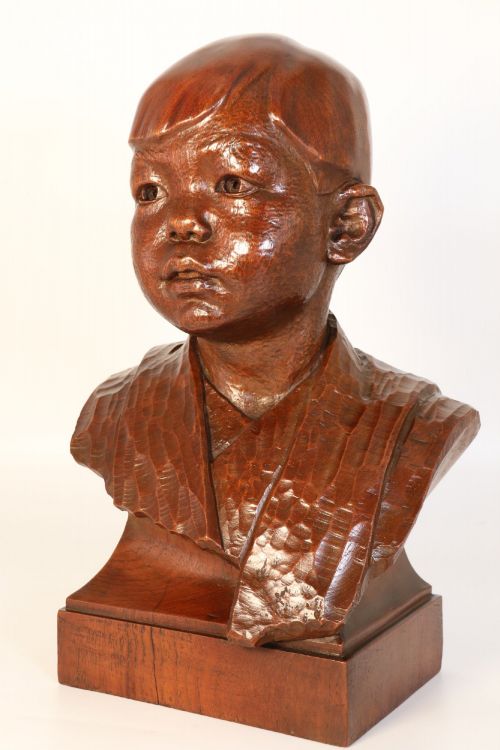
Carving traditions remained strong in wood, marble, and stone, yielding life-size portrait busts, anatomical studies, and decorative obelisks. Artisans worked with walnut, softwoods, and various marbles to achieve texture and form.
Alternative mediums such as plaster, terracotta, and porcelain appear in botanical models, relief portraits, and figural groups. These materials allowed makers to capture fine details in domestic decorative objects and botanical studies.
Early Twentieth Century Sculpture Retail Price Guide 2026
Typical asking prices for early twentieth century sculpture among the pieces listed under this phrase on Sellingantiques today, from the lower quarter to the upper quarter. They describe what is for sale here now, not the wider market.
Materials represented include bronze, carved wood, marble, terracotta, plaster, cast iron, and paint.
Assessing Quality and Execution
Quality rests in the crispness of the casting and the precision of the hand-finishing, particularly on cold-painted bronzes and figural works. Superior pieces retain their original surface patination and show deliberate, clean chisel or tool marks in carved wood and stone.
The reputation of the maker or foundry plays a role in the standing of a piece, with documented signatures from established sculptors and recognised foundries marking finer execution. Anatomy, proportion, and balance separate standard decorative items from works of higher artistic ambition.
Franz Bergman·George Henry Paulin·Giuseppe Moretti·Gotthilf Jaeger·Clovis Masson·Franz Keller·P J Mêne·P de Soete·Jennings Brothers·Georges Van De Voorde
The Early Twentieth Century Sculpture Glossary
- Animalier
- A nineteenth and early twentieth century style focusing on realistic depictions of animals, particularly wild beasts and domestic creatures in motion or repose.
- Cold-painted bronze
- A technique where bronze figures are painted with oil-based colours after casting, rather than patinated with heat and chemicals.
- Grand Tour
- Souvenirs and classical replicas purchased by travellers visiting cultural sites in Europe, particularly Italy, during the nineteenth and early twentieth centuries.
- Écorché
- A figure drawn, painted, or sculpted to show the muscles of the body without skin, commonly used for anatomical study.
- Putto
- A motif depicting a small chubby male child, frequently winged, appearing in art from the Renaissance onwards and revived in Art Nouveau sculpture.
Early Twentieth Century Sculpture: Frequently Asked Questions
What materials were used in early twentieth century sculpture?
Makers worked in a wide variety of materials including bronze, carved wood, marble, terracotta, plaster, and painted metal. Metal pieces often featured cold-painted or patinated surfaces.
Softer mediums like plaster and terracotta were utilised for botanical models and portrait reliefs, while hardwoods and stones formed larger busts and architectural items.
How do I identify an animalier sculpture?
Animalier works focus specifically on the realistic portrayal of animals, capturing natural behaviour, anatomy, and movement. These studies are frequently cast in bronze by European foundries.
Common subjects in this category include birds, horses, lions, and hunting dogs, often reflecting the naturalistic tastes of the period.
Where were cold-painted bronzes made?
Many of the cold-painted bronzes from this era originated in Austrian foundries, notably associated with makers like Franz Bergman. These pieces gained popularity for their vibrant polychrome finishes.
Such items typically depict animal figures, Orientalist scenes, or small decorative table sculptures requiring precise hand-painting over cast bronze.
What is a Grand Tour model?
Grand Tour models are miniature replicas of famous classical antiquities, architecture, or sculptures collected by travellers touring Europe. Bronze lions and marble obelisks are typical examples.
These items served as educated mementos of travel and were produced in workshops aiming to replicate the art of antiquity for domestic display.