




Early Georgian Wine Glass
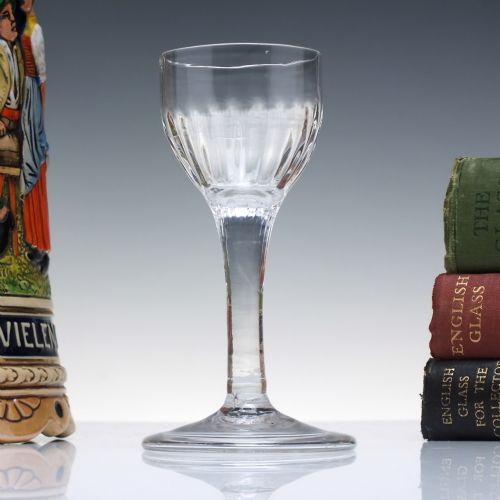
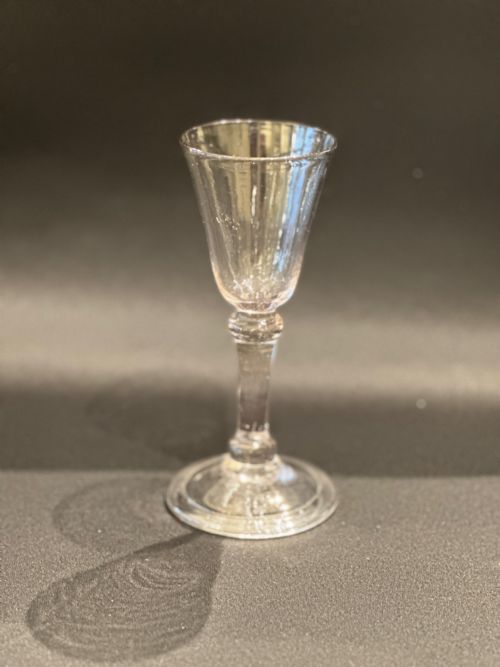
An early georgian wine glass is a heavy lead crystal drinking vessel from the eighteenth century, sought after for its tactile weight and tactile historical presence.
Early Georgian Wine Glass
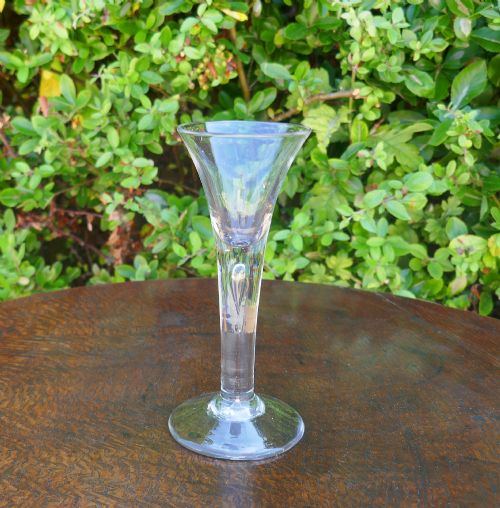
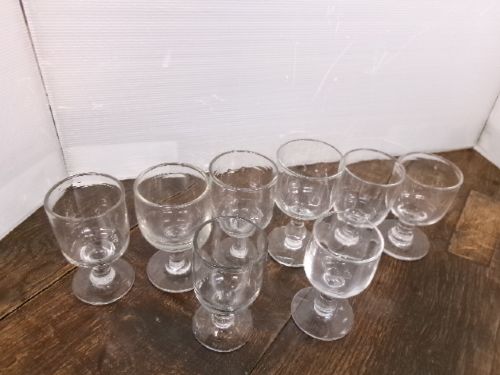
When you search for an early georgian wine glass, you encounter substantial vessels forged during the reigns of Queen Anne and George II, spanning from around seventeen ten to the mid-eighteenth century. These forms include robust baluster, balustroid, and trumpet-bowl wine glasses, alongside goblets and occasional onion bottles.
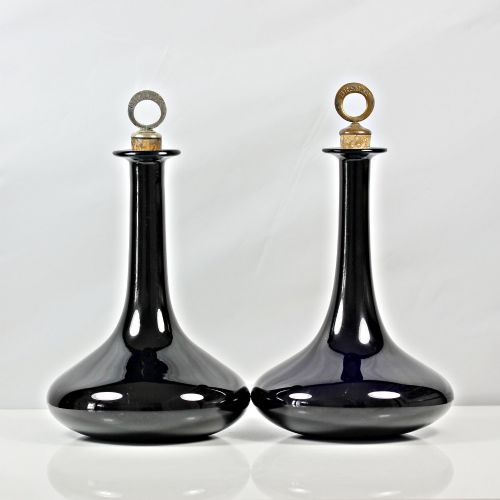
The pieces you meet most frequently on this page feature heavy lead glass or flint glass construction, often displaying folded feet, air bubbles trapped in the stem, and ribbed or nut-moulded bowls. Some examples extend into later periods, showing William IV, Regency, and nineteenth-century variations such as rummers and Bristol blue decanters.
How they were made
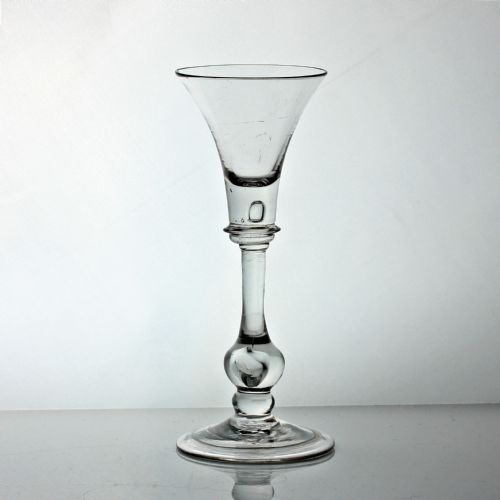
Maker-hands shaped these vessels using hot lead glass and flint glass, leveraging the pliable nature of the molten material to pull thick stems and form solid, domed feet. Artisans manipulated the metal to create internal air bubbles within the stems, adding decorative interest without surface engraving.
Techniques evolved from the hefty baluster forms of the early eighteenth century to lighter balustroid profiles and nut-moulded Liege variations. Workshops utilised clear glass alongside coloured metals like Bristol blue and green, finishing selected surfaces with ribbing and hand-cut facets.
An eighteenth-century glassblower trapped an air bubble inside a stem just so someone three hundred years later could smile at it.
What varies in quality
The distinction between ordinary and exceptional examples rests in the heft and distribution of the lead crystal, where superior vessels possess a profound physical presence and satisfying balance in the hand. The clarity of the glass and the crispness of the moulded or ribbed details further elevate the stature of a piece.
Proportion and form define the upper tier of these objects, particularly in the confident draw of a baluster stem or the stability of a domed foot. Simpler utility vessels occupy a different tier from ambitious balustroids with integrated air bubbles or engraved decoration.
The Early Georgian Wine Glass Glossary
- Baluster
- A heavy, thick glass stem characterised by knops and nodes, reflecting seventeenth and eighteenth-century furniture supports. This form provides the substantial weight typical of early eighteenth-century drinking vessels.
- Balustroid
- A lighter, more slender relative of the full baluster stem, popular in the second quarter of the eighteenth century. It maintains the silhouette of earlier stems while reducing overall bulk.
- Lead glass
- A dense glass formula containing lead oxide, developed to increase brilliance and weight. This material forms the primary substance of heavy eighteenth-century stemware.
- Folded foot
- A base whose outer edge is doubled back underneath to create a thickened rim. This technique strengthens the resting point of the glass and prevents chipping.
- Nut-moulded
- A bowl pattern impressed with a faceted, kernel-like texture reminiscent of nut shells. This technique appears on continental Liege pieces from the early eighteenth century.
Early Georgian Wine Glass: Frequently Asked Questions
How do I date an early glass wine glass?
Dating relies upon observing the form of the stem, the shape of the bowl, and the presence of manufacturing traits like pontil marks and folded feet. Heavier baluster forms typically indicate the early decades of the eighteenth century, while lighter balustroids and cut facets point toward later decades.
Changes in glass chemistry, specifically the heavy lead content introduced in the late seventeenth century, distinguish these pieces from later nineteenth-century crystal. Comparing the silhouette and weight against documented period examples clarifies the timeline.
What is the difference between baluster and balustroid stems?
A true baluster stem is heavy, thick, and dominated by substantial knops that give the drinking vessel a massive, grounded feel. These dominate the earliest decades of the eighteenth century.
A balustroid stem scales down that mass into a slender, more delicate profile that emerged as glass-making techniques refined. Both styles utilise lead glass, but the balustroid offers a lighter interaction in the hand.
Were these glasses used for drinking wine?
Contemporary records and the compact capacities of the bowls confirm these vessels served for consuming wine during formal dining and social gatherings. Their modest internal volume reflects the potency and value of wines served in the period.
The heavy lead glass construction allowed the vessels to withstand regular toasts and communal circulation around the dining table.
Why do some stems contain air bubbles?
Internal air bubbles formed naturally during the melting and manipulation of lead glass in seventeenth and eighteenth-century furnaces. Rather than treating them as flaws, makers sometimes manipulated the molten metal to trap attractive bubbles symmetrically within the stem.
These optical inclusions provide a signature visual characteristic of period hand-blown lead crystal.
Can I use antique wine glasses today?
These fragile lead crystal vessels survive as historical objects and collectible works of art rather than daily utility items. Hand-washing in lukewarm water without harsh detergents preserves the historic lead glass surface.
Displaying them away from direct heat and vibrations ensures the preservation of their eighteenth-century material integrity.