



Continental Glass
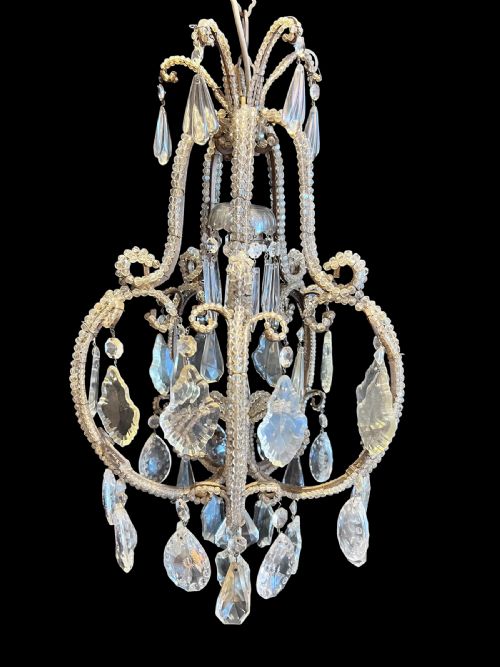
Continental antique glass brings together centuries of European craftsmanship, offering everything from delicate 18th-century wine vessels to grand Italian chandeliers that anchor a room.
Continental Glass
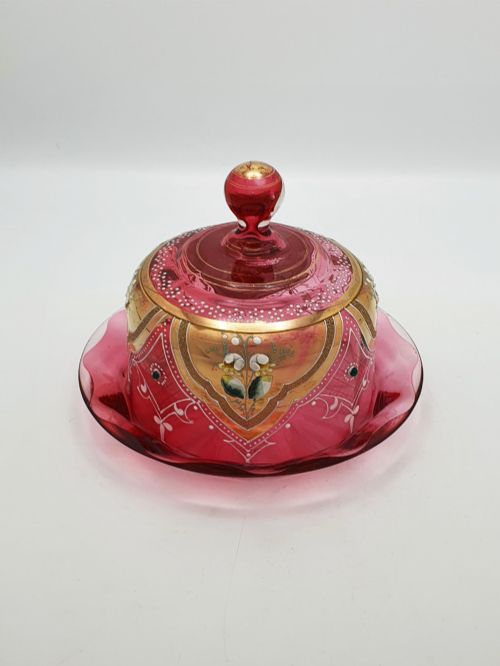
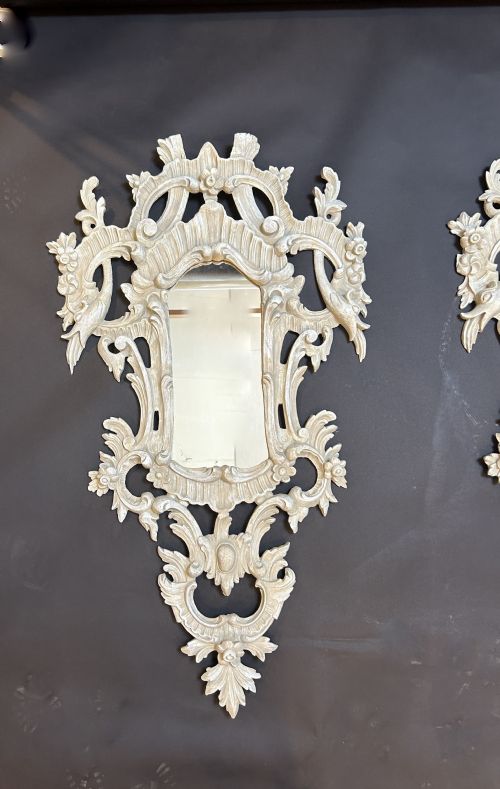
The objects span multiple centuries, capturing the transition from hand-blown domestic drinking vessels to ornate Victorian display pieces and gilded Italian mirrors featuring integrated glass elements. Pieces such as cranberry cheese dishes and ruby red candlesticks demonstrate the decorative shift towards vibrant hues during the later nineteenth and early twentieth centuries.
Materials and construction techniques
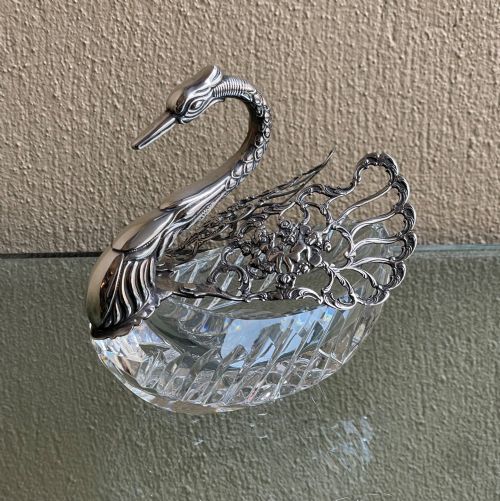
The creation of these pieces relies on traditional glassblowing, crystal cutting, and moulding techniques, often combined with precious mounts in silver or brass. Makers utilised lead crystal and coloured glass alongside structural timbers like walnut, giltwood, and gesso for associated furniture frames and display housings.
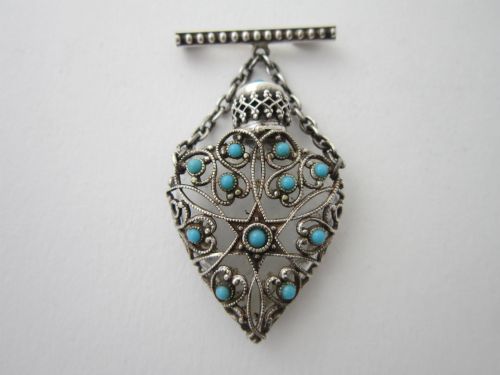
Surface decoration frequently involves hand-painting, polychrome enamelling, and floral etching directly onto the glass body. Metalwork elements, including silver mounts and bronze frames, are secured via hinged fastenings or traditional joinery suited to the period.
An Austrian cold-painted terracotta pug dog stands guard among the glassware.
Distinctions in execution and design
Quality in continental antique glass is defined by the precision of the glass cutting, the clarity of the material, and the integration of decorative mounts. Superior examples exhibit crisp facet cuts, well-balanced proportions, and hand-applied enamelling that retains its original saturation and detail.
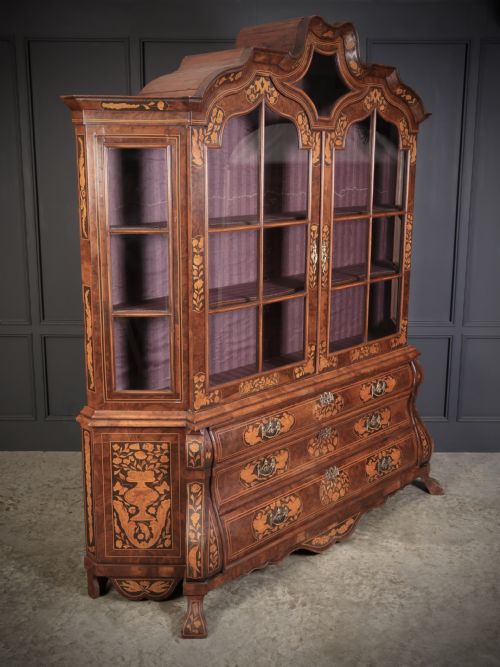
The sophistication of the accompanying framework, whether carved giltwood on a mirror or solid walnut on a display cabinet, heavily influences the standing of an item. Pieces retaining original components, such as matched stoppers on decanters or untouched glass domes, represent higher standards of preservation.
Posen of Frankfurt and Berlin·Moser Glass
The Continental Glass Glossary
- Cranberry glass
- A rich red-pink transparent glass produced by adding gold chloride to the molten batch. It gained popularity during the Victorian era for decorative tableware and small domestic items.
- Traforato
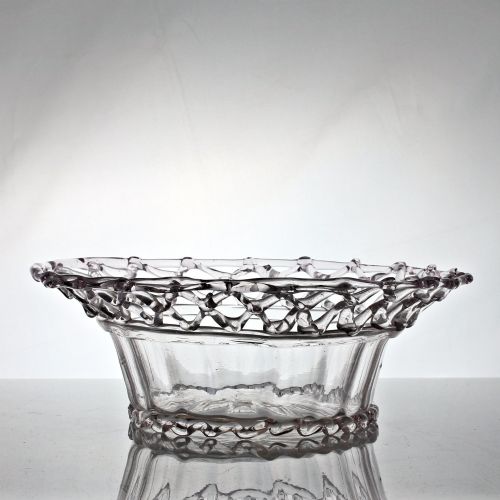
- A decorative openwork technique found on European glassware and ceramics. It creates intricate pierced patterns reminiscent of lace.
- Enamel painted
- The application of coloured vitreous glass pastes onto the surface of a finished glass object before firing. This technique allows for detailed floral and figurative motifs.
- Spiral twist
- A descriptor for glass stems containing internal threads of white or coloured glass twisted into a helical pattern. This method was widely used by 18th-century continental and Dutch glassmakers.
- Toleware
- Painted or enamelled sheet metal objects used historically for lighting fixtures and decorative containers. It frequently appears alongside glass components in continental lanterns and chandeliers.
Continental Glass: Frequently Asked Questions
How can I date 18th-century glassware?
Examine the pontil mark on the base, where the glassblower's pontil rod was snapped off, leaving a rough or polished scar typical of hand-blown production. Form, weight, and the presence of natural imperfections within the metal offer further clues.
Styles of engraving and stem construction, such as air twists or folded feet, align closely with specific decades. Comparing documented regional variations from production centres like Liege helps narrow the origin.
Where should I place a glass chandelier?
Hang chandeliers in rooms with adequate ceiling clearance and structural support capable of bearing the combined weight of glass and metal components. Entryways, dining rooms, and high-ceilinged drawing rooms provide ideal settings for multi-tiered Italian fixtures.
Position them away from direct heat sources and constant vibrations from heavy traffic areas. Proper placement protects fragile crystal drops and structural wiring.
What defines Biedermeier furniture with glass?
Biedermeier pieces combine clean, utilitarian lines with rich wood veneers such as flame mahogany or walnut, frequently incorporating glass doors or associated mirror plates. This Central European style prioritises domestic comfort and functional elegance over elaborate ornamentation.
Cabinets and console tables from this period utilise large glass panes to display ceramics and glassware. The restrained aesthetic allows the natural grain of the timber and the clarity of the glass to dominate.