
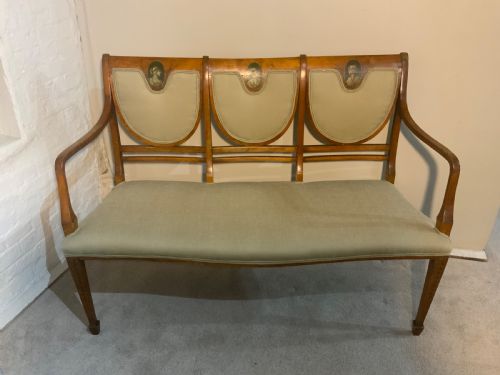




Early Georgian Sofa
An early georgian sofa brings substantial proportions and stately character to a room, offering genuine historical presence for daily seating.
Early Georgian Sofa
When you search for an early georgian sofa, you encounter seating pieces originating from 18th century workshops alongside later revival interpretations. The listings on this page include examples spanning from Queen Anne walnut pieces to subsequent 19th century and Edwardian adaptations.
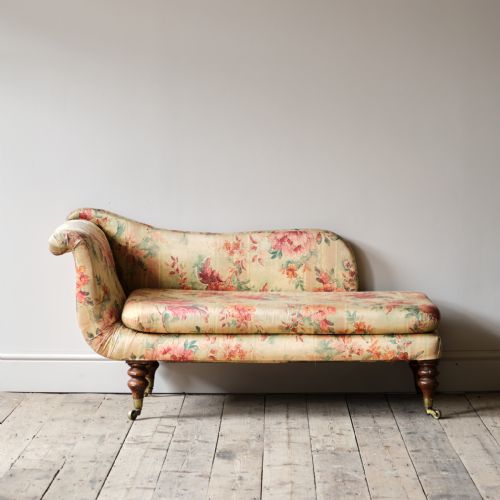
The physical forms present in the inventory encompass multiple variations of settees and scroll-ended sofas. Buyers most frequently meet mahogany frameworks and upholstered seating types reflecting the stylistic shifts of the period.
How they were made
Cabinet makers constructed these frames using dense hardwoods such as mahogany, walnut, and oak, often incorporating intricate carving or turned supports. The structural integrity relies on traditional joinery methods suited to heavy daily use.
Surfaces received decorative treatments ranging from polished wood finishes to brass inlay and giltwood accents. Upholstery fabrics and leather were applied to interior stuffing materials to complete the seating structure.
Several pieces feature carved scrolls that appear to have absorbed generations of polite leaning.
What varies in quality
The refinement of the carved details and the choice of primary timber define the upper tier of these seating pieces. Finer examples display crisp hand-carved elements and well-figured wood grains.
Structural alterations and the survival of original framing components influence the integrity of each piece. Greater consistency in period materials indicates a higher standard of original workshop production.
The Early Georgian Sofa Glossary
- Settee
- An upholstered wooden bench with a back and arms designed for multiple occupants. This form appears across 18th century and later revival periods.
- Camelback
- A sofa style featuring a graceful undulating curved top rail that resembles a camel's hump. This profile is typical of formal 18th century seating design.
- Scroll End
- A seating arm design that curves outward and downward in a spiral or scroll formation. It provides distinct terminal support on Regency and later couches.
- Giltwood
- Timber that has been coated with a thin layer of gold leaf or metallic gilt paint. This finish appears on decorative 19th century frames.
Early Georgian Sofa: Frequently Asked Questions
How do I identify a genuine period piece?
Examine the timber construction, joinery methods, and wear patterns visible on the frame. Consistent ageing of the wood and traditional construction techniques help distinguish original pieces from later revivals.
Compare the overall proportions and decorative motifs against documented examples from specific design eras. Subtle variations in hand-carved details often indicate authentic period manufacture.
Where should I place a settee in my home?
These seating pieces suit formal living spaces, large hallways, or drawing rooms where their architectural presence can be appreciated. Position them away from direct heat sources to protect the wooden frame and upholstery.
Allow sufficient surrounding floor space so the carved arms and legs remain clearly visible. Pairing them with complementary tables creates a balanced interior arrangement.
What maintenance do these wooden frames require?
Dust the wooden surfaces regularly with a soft, dry cloth to prevent particulate accumulation. Apply a suitable microcrystalline wax periodically to nourish the timber finish without building up heavy residues.
Avoid placing furniture in direct sunlight to prevent fading or drying of the wood. Maintain stable indoor humidity levels to protect joints and prevent timber splitting.