

Early Georgian Dressers
Early georgian dressers and related case furniture bring robust timber and careful joinery into a room, offering enduring storage built by hands long gone.
Early Georgian Dressers
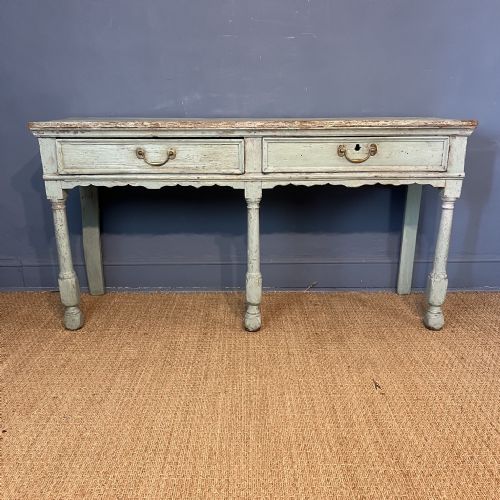
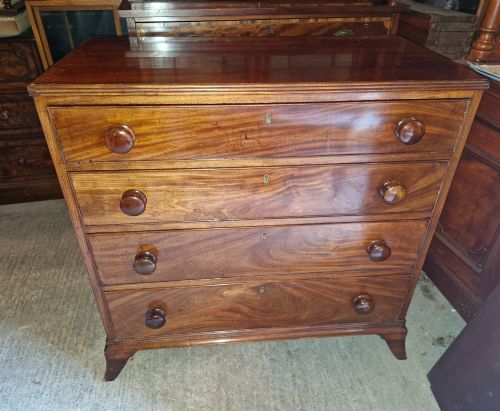
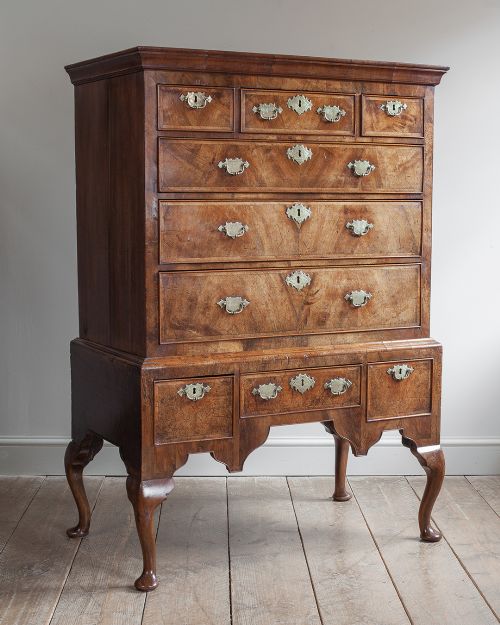
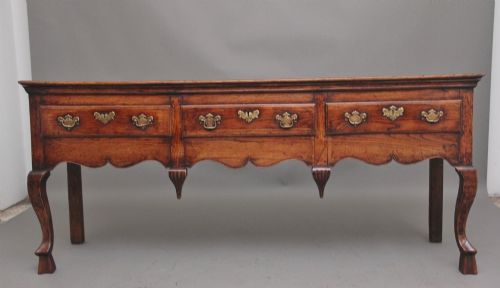
When you search for early georgian dressers, you encounter practical domestic storage pieces alongside dresser bases, chests of drawers, and chests on stands shaped during the eighteenth century and subsequent periods. These items reflect the domestic requirements of past households, utilising sturdy timbers to form functional furniture that served kitchens, parlours, and bedchambers.
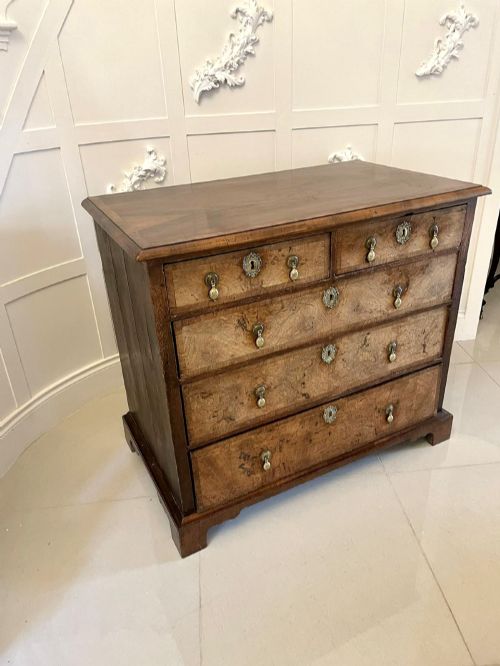
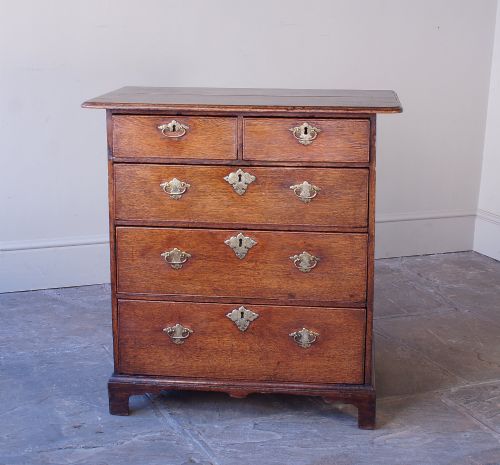
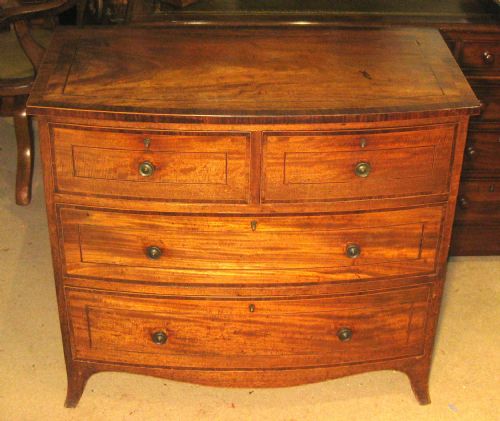
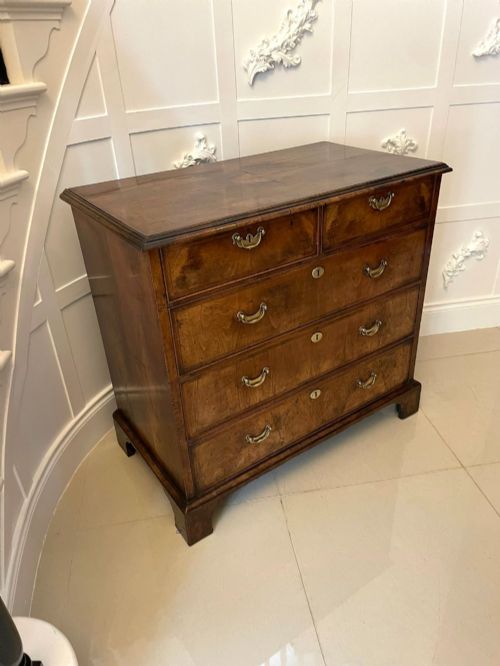
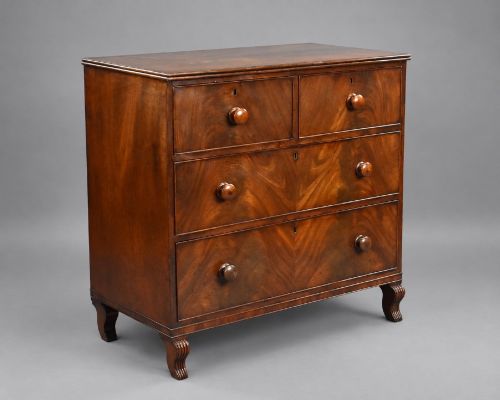
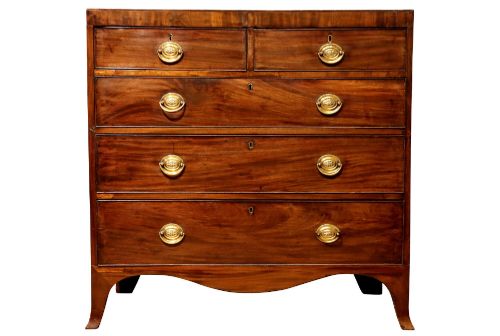
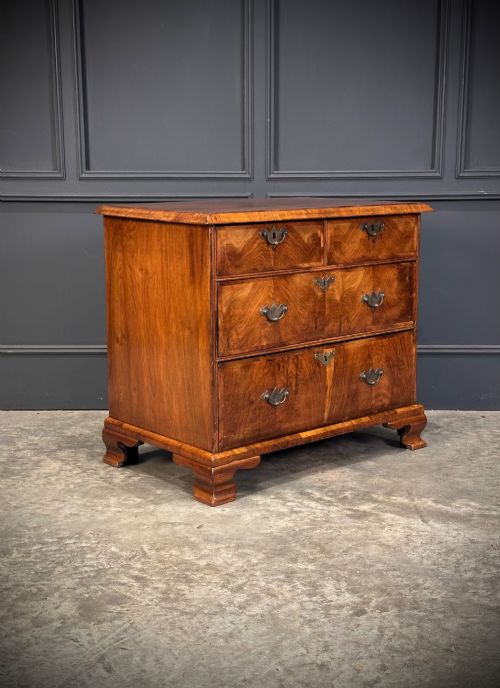
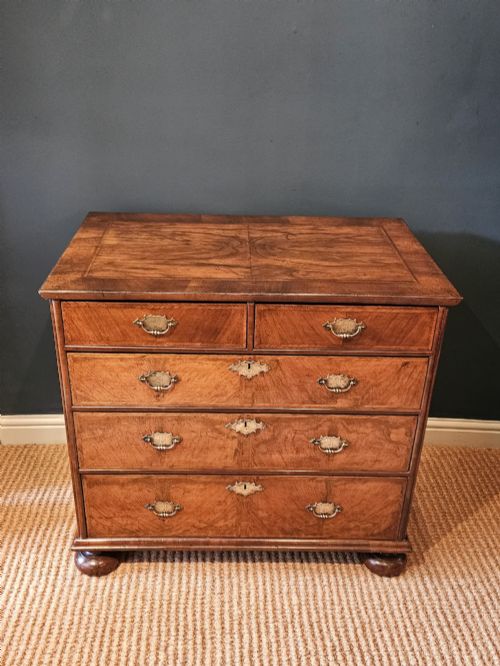
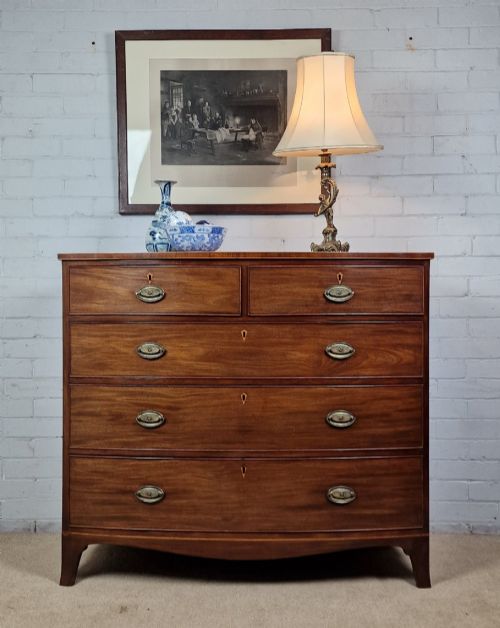
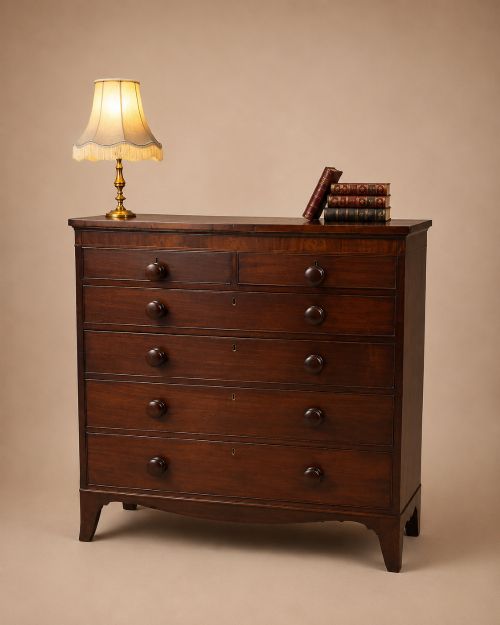
The selection on this page predominantly includes oak and walnut examples from the eighteenth century, alongside mahogany pieces and later interpretations spanning into the nineteenth century. Welsh vernacular pieces and country workshop items appear alongside formal urban forms, showing varied regional preferences in construction and ornamentation.
Buyers also find related forms such as tridarns, sideboards, and bachelor chests sharing the same structural vocabulary and timber selection. Each piece demonstrates the utilitarian goals and decorative ambitions of its period, whether through simple boarded construction or complex veneered surfaces.
How they were made
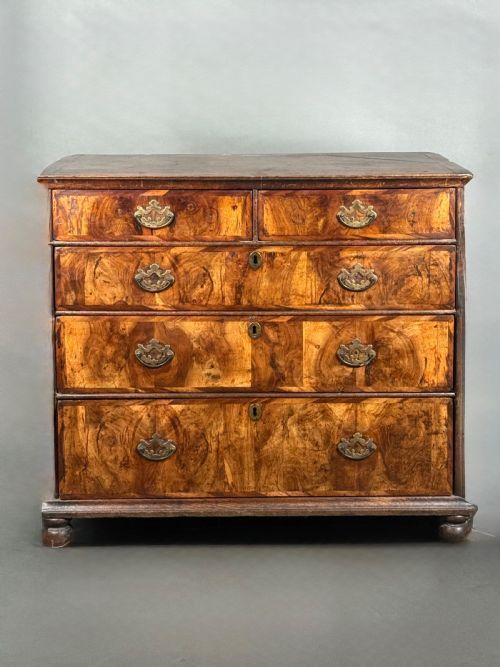
Cabinet makers relied primarily on solid oak, walnut, and mahogany, often applying burr walnut or flame mahogany veneers to primary display surfaces. Secondary woods such as pine appear in internal drawer linings and backboards, reflecting period economy and structural necessity.
Construction techniques combined pegged mortise and tenon joints for heavy framework with hand-cut dovetails for drawer boxes. Surfaces received decorative enrichment through herringbone banding, feather-banding, inlay, or painted finishes, matched with brass handles and escutcheons.
Listings feature oak, walnut, mahogany, and pine across eighteenth and nineteenth-century periods, including Queen Anne, Regency, and Georgian styles.
What varies in quality
The standard of a piece rests on the selection of timber figures, the precision of veneer matching, and the integrity of the underlying construction. Higher grade examples display carefully chosen grain patterns, such as figured walnut or flame mahogany, arranged with symmetry across drawer fronts and tops.
Proportion and surface survival define the upper tier of surviving examples. Retaining original brass hardware, unblemished timber patination, and undisturbed structural framing separates superior survivals from pieces that have undergone extensive timber replacement or unsympathetic surface stripping.
The Early Georgian Dressers Glossary
- Dresser base
- A low wooden sideboard fitted with drawers and frequently an open pot board or shelf tier below. These items provided functional working and storage space in historic kitchens and dining spaces.
- Herringbone banding
- Narrow strips of veneer laid diagonally to form a zig-zag pattern around the perimeter of drawer fronts or tops. This decorative technique frames the primary wood grain.
- Feather-banding
- Two strips of veneer laid so their grains point in opposite directions, creating a central light line resembling a feather shaft. It is typical of high-status walnut furniture from the early eighteenth century.
- Tridarn
- A large tripartite Welsh cupboard featuring three stacked sections with enclosed shelving and display space. These regional case pieces demonstrate complex vernacular framing techniques.
- Chest on stand
- A tall drawer chest elevated upon a separate table frame with legs. This form raises storage off the floor and lightens the visual mass of heavy timber case furniture.
Early Georgian Dressers: Frequently Asked Questions
What is an early georgian dresser?
Early georgian dressers and related dresser bases are utilitarian timber storage furniture constructed primarily during the eighteenth century. They combine surface display capacity with enclosed drawer storage for domestic tableware and household goods.
These pieces reflect the transition from vernacular oak framing towards more refined urban cabinet-making styles. Their forms range from simple country workshop items to sophisticated walnut and mahogany designs.
How do I care for antique timber?
Maintain antique oak and walnut furniture by placing them away from direct heat sources and fluctuating sunlight. Applying occasional natural beeswax preserves the aged surface patination without sealing the timber.
Avoid modern silicone polishes, which penetrate historic wood pores and attract dust. Gentle cleaning with a dry cloth keeps the surface stable over time.
How do I distinguish walnut from mahogany?
Walnut displays a rich brown colour with darker figuring and occasional grain contrast, popular during the early eighteenth century under Queen Anne and the early Georges. Mahogany exhibits a redder tone with straight or flame grain patterns that became dominant later in the century.
Examining the weight, density, and natural undertones of the exposed timber helps identify the primary material used by the cabinet maker.
Where were these pieces used?
Historic households placed dressers and drawer chests in kitchens, dining parlours, and private bedchambers for daily storage. Kitchens utilised dresser bases for holding ceramics and utensils, while bedchambers housed chests for garments and linens.
Today, these versatile case pieces fit easily into modern living spaces, serving as sideboards, hallway storage, or focal points in reception rooms.