


Early Georgian Desk Cabinet
An early georgian desk cabinet combines a writing slope and storage in walnut, oak, or mahogany, offering a structured workspace that anchors a room.
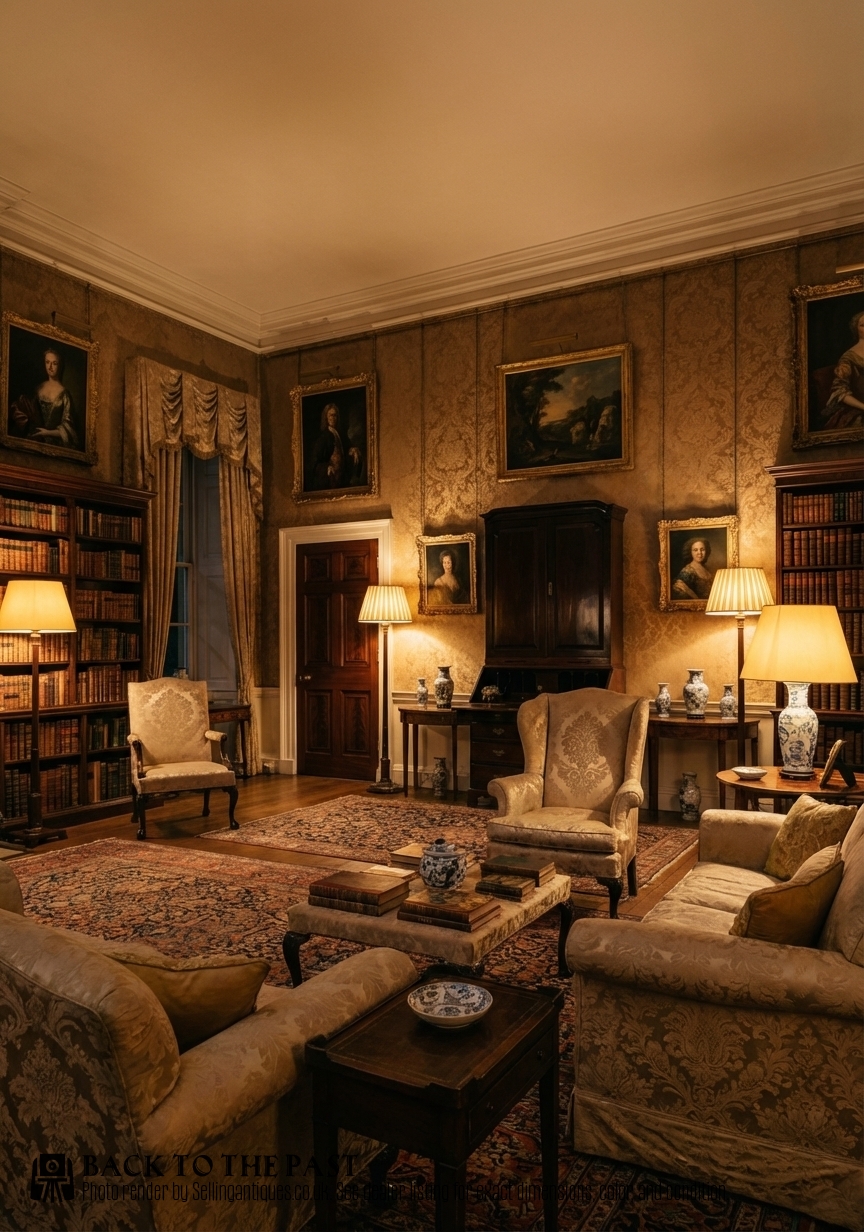
Early Georgian Desk Cabinet
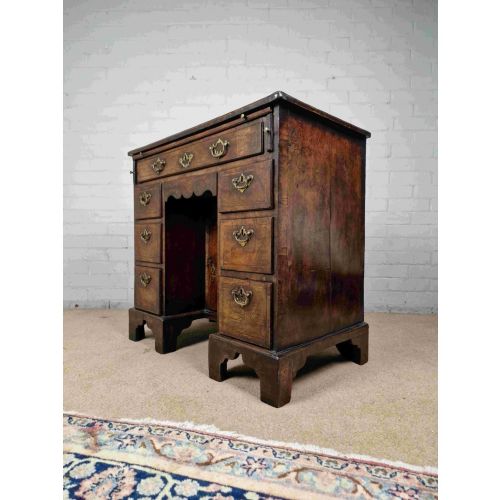
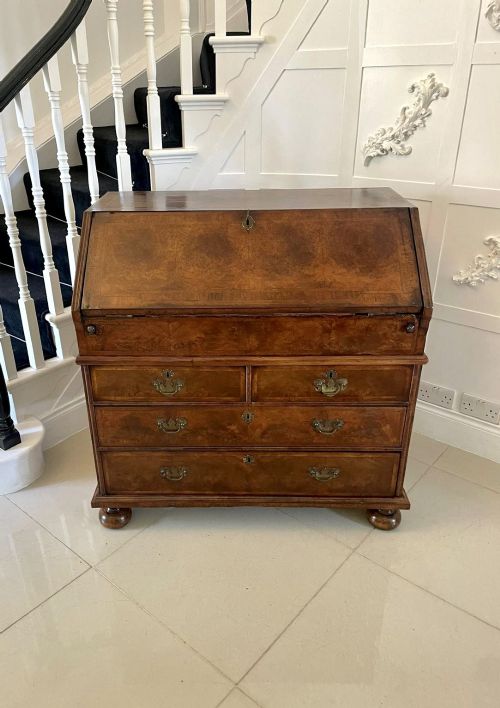
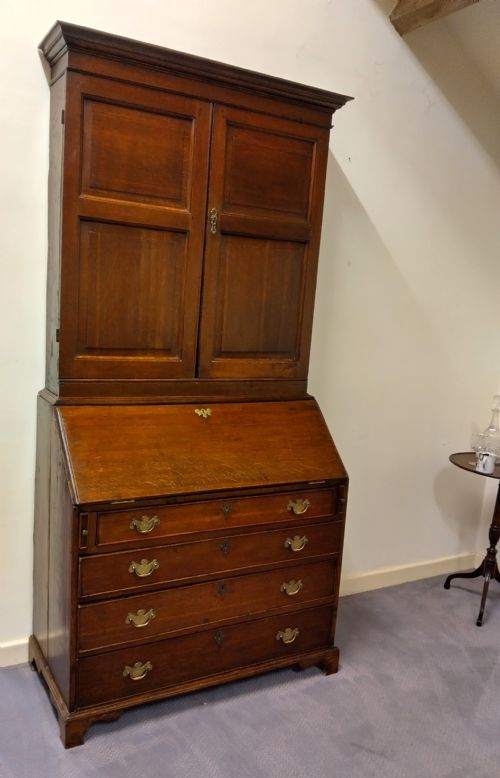
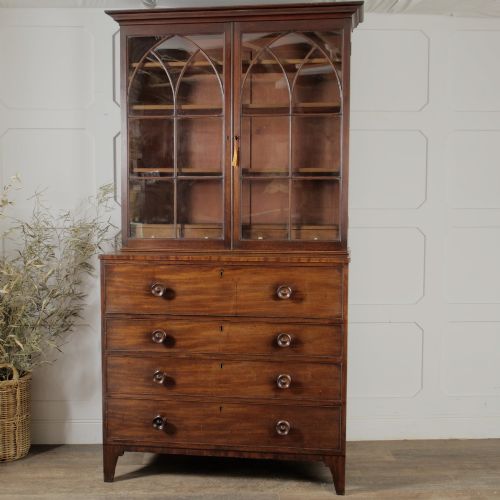
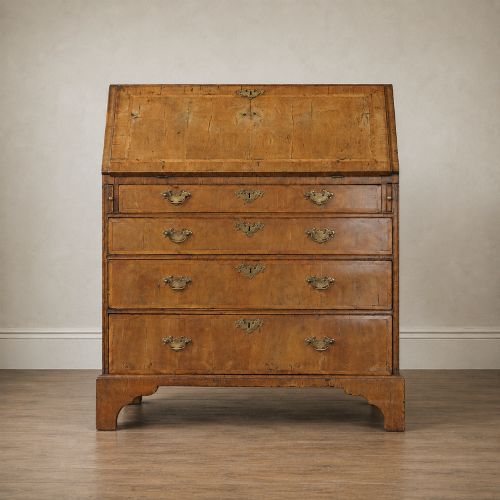
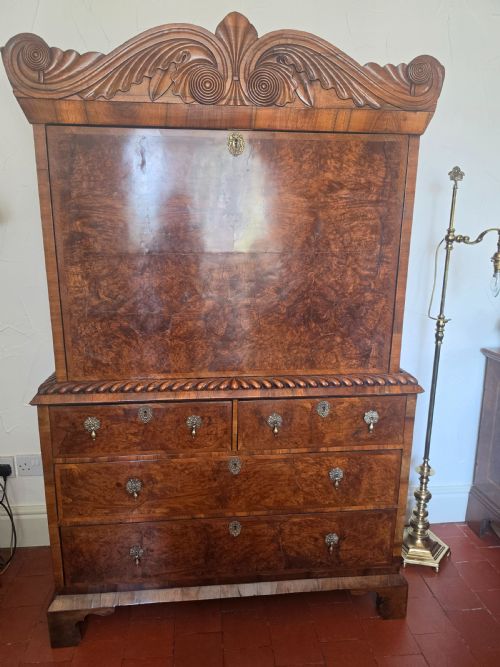
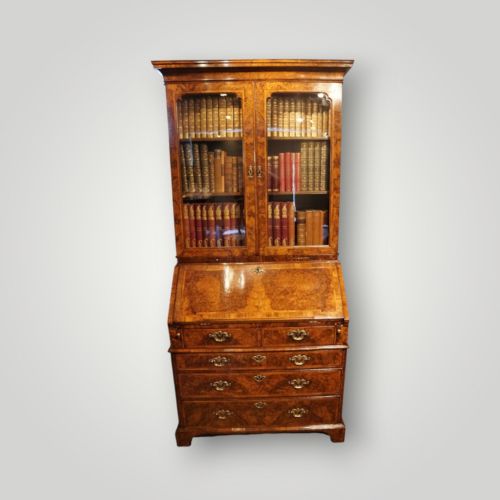
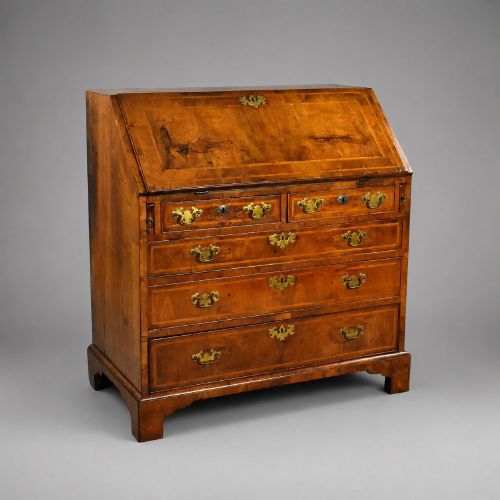
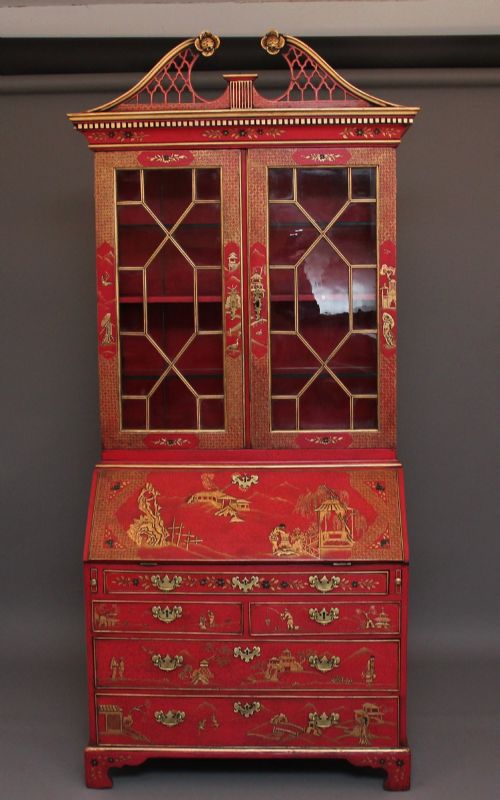
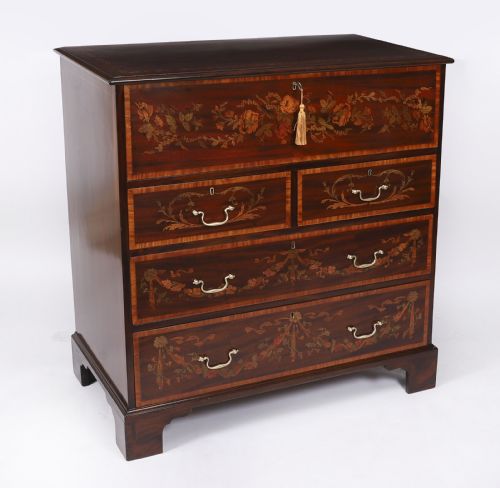
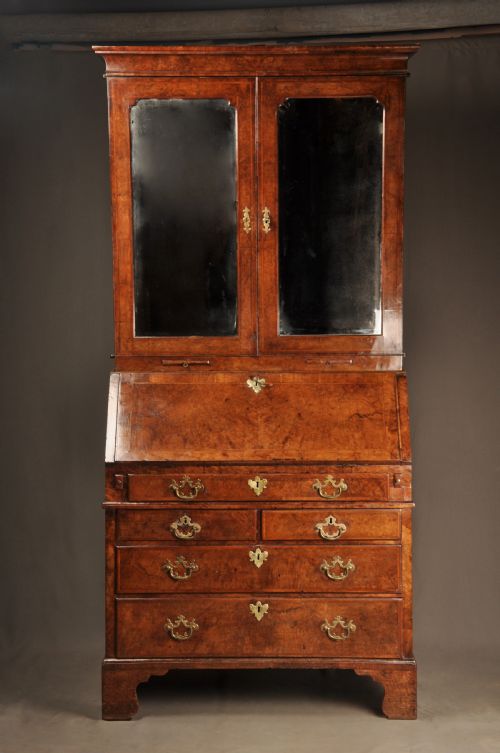
An early georgian desk cabinet encompasses bureau bookcases, escritoires, and secretaire chests originating largely from the eighteenth century, alongside related forms in oak and walnut. Buyers meet tall two-part bureau bookcases with glazed upper sections as well as compact kneehole desks and sloping writing cabinets.
The prevailing styles bridge the late seventeenth century through the reigns of George I and George II, with occasional later interpretations appearing in mahogany and satinwood. Walnut remains the dominant wood, often highlighted by burr veneers, herringbone inlay, and figured grain patterns.
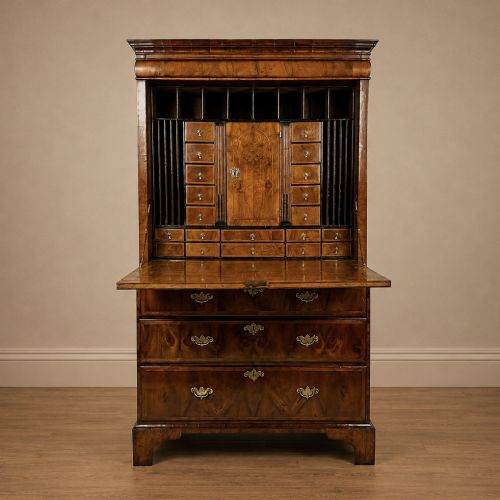
Makers of these pieces constructed them to serve domestic writing and document storage, housing fitted interiors with small drawers and pigeonholes behind a fall-front flap. Lower sections typically comprise banks of graduating drawers resting on bracket feet or bun feet.
Materials and Construction Methods
Cabinetmakers utilised dense timbers such as walnut, oak, and mahogany, frequently applying burr walnut veneers to primary surfaces to create dramatic grain figures. Crossbanding and herringbone stringing in contrasting woods delineate drawer fronts and fall-front writing slopes.
Joinery techniques involve solid plank construction for carcases and internal dividers, alongside dovetailed drawer construction and brass hardware including drop handles and escutcheons. Glazed upper doors employ timber glazing bars holding individual panes of glass above candle slides.
Several pieces include hidden compartments behind inner pigeonholes for stashing secret letters.
Distinctions in Quality and Execution
The upper tier of these pieces displays superior timber selection, where burr walnut veneers match symmetrically across large surfaces and retain crisp herringbone inlay. Lesser examples utilise plain domestic timbers or bear extensive later repairs to surface veneers and cockbeading.
Internal configuration dictates value, with top-tier cabinets featuring intricate sliding wells, secret compartments, and well-proportioned pigeonholes rather than plain replacement fitments. Original brasses, intact glass panes, and untouched surface patination separate authentic survivals from heavily altered pieces.
The Early Georgian Desk Cabinet Glossary
- Bureau bookcase
- A writing cabinet featuring a sloping desk flap above drawers, surmounted by a glazed or panelled bookcase section. This two-part form provides substantial storage and display space.
- Escritoire
- A tall writing cabinet with a fall-front writing surface that drops down to reveal internal compartments. These pieces date predominantly to the late seventeenth and early eighteenth centuries.
- Herringbone inlay
- Small strips of veneer laid diagonally in opposing directions to form a V-shaped pattern. Cabinetmakers used this decorative border to frame drawer fronts and panel edges.
- Kneehole desk
- A compact writing table featuring a central recess flanked by pedestals of small drawers. They sit on short feet and offer a streamlined alternative to larger bureaus.
Early Georgian Desk Cabinet: Frequently Asked Questions
How were these cabinets used originally?
Wealthy households utilised these pieces for private correspondence, record-keeping, and the storage of valuable documents. The fitted interior provided secure compartments for inkwells, quills, and ledger books.
Candle slides pulled out from beneath the upper bookcase to illuminate the writing slope during evening hours. The lower drawers held personal papers, household accounts, and small valuables.
How do I identify walnut veneers?
Walnut veneer involves thin slices of figured timber applied over a secondary wood carcase to create decorative swirling patterns. Burr walnut exhibits knotty, mottled grain formations prized by period cabinetmakers.
Examining the edges reveals the thickness of the timber layer and any historical patch repairs. Variations in colour and fading across the surface help confirm the age of the finish.
Where should I place a bureau bookcase?
These tall cabinets require adequate wall space and stable environmental conditions away from direct heat sources. Placing them in a study, library, or drawing room provides a suitable period context for daily use.
Ensure the floor is level so the heavy two-part carcase distributes its weight evenly. Leave sufficient clearance in front of the piece for the fall-front writing flap to open fully.