


Early English Chest Drawers
These early english chest drawers span the seventeenth and eighteenth centuries, offering serious timber and quiet presence for a traditional room.
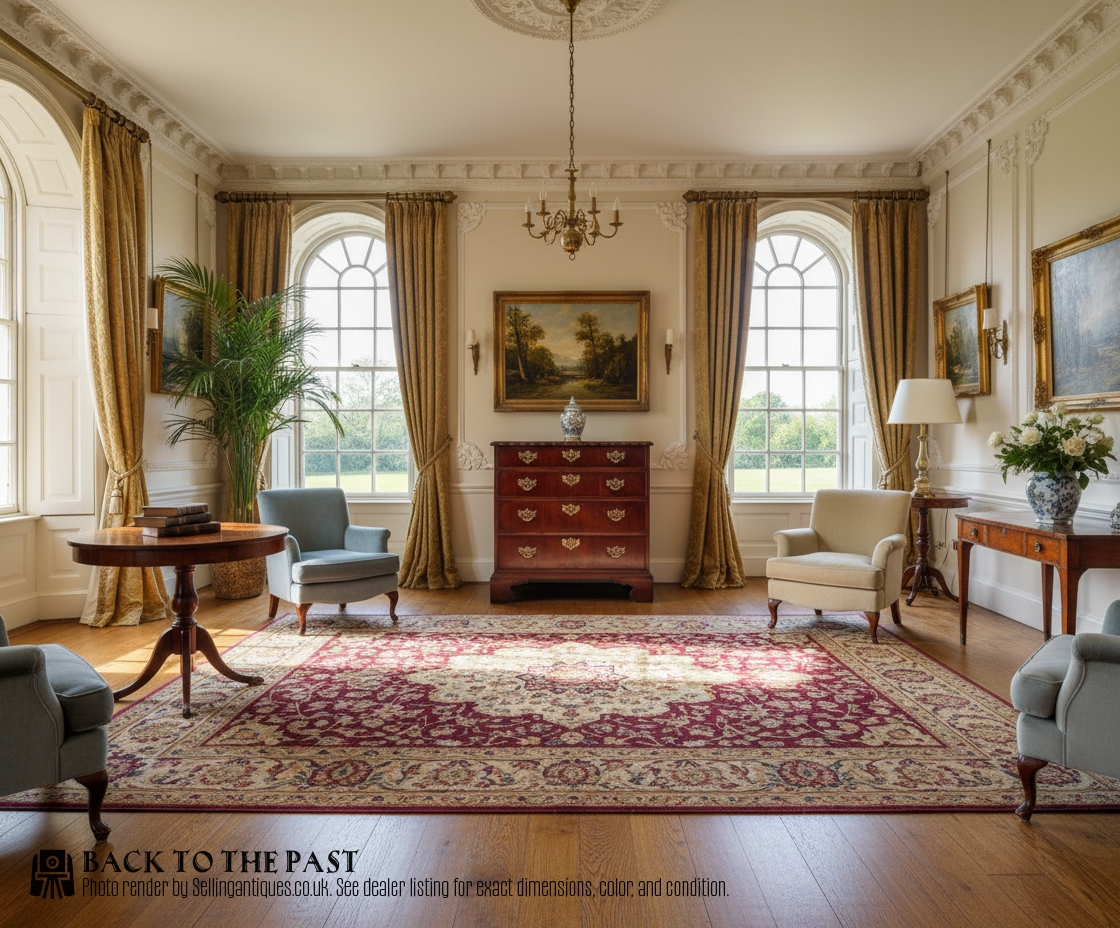
Early English Chest Drawers
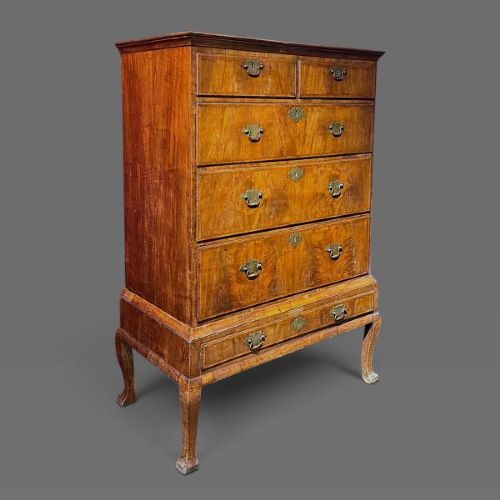
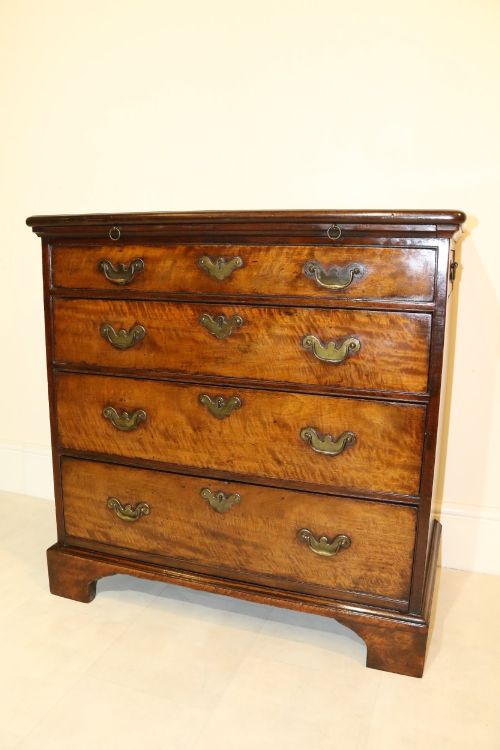
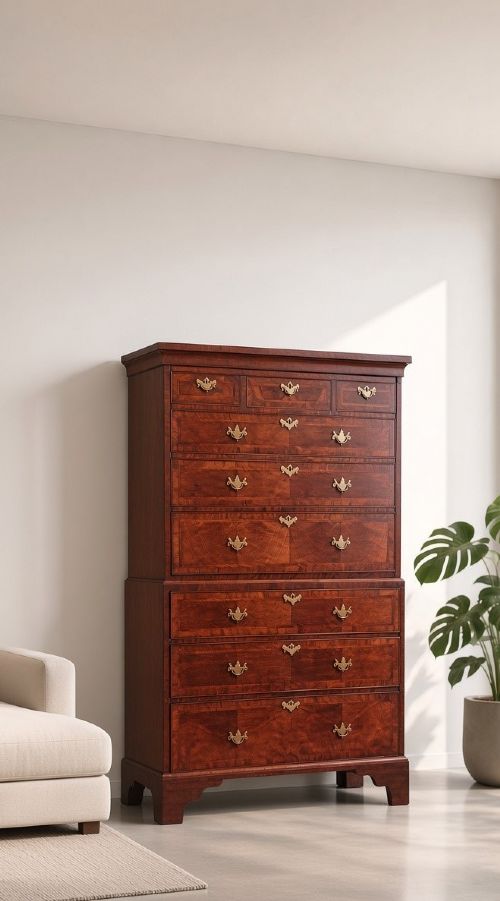
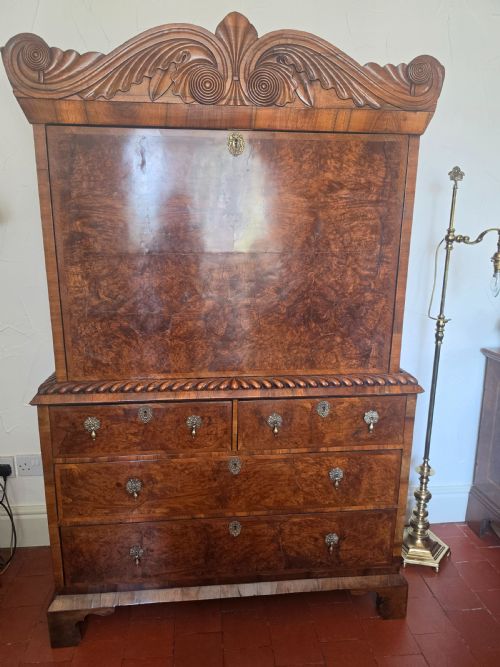
When searching for early english chest drawers, buyers encounter substantial pieces built in oak and walnut from the seventeenth and eighteenth centuries. These items serve primary storage functions through stacked drawers or bureau formats.
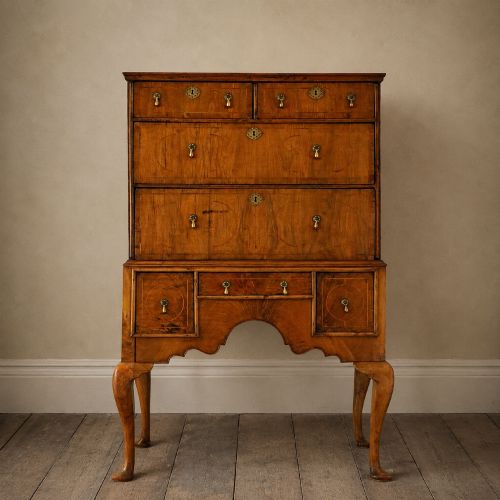
The pieces on this page lean heavily toward walnut and oak examples from the Georgian and Queen Anne periods, alongside earlier Charles II and William and Mary iterations. Lowboys, chests on stands, and tallboys frequently appear among the standard drawer configurations.
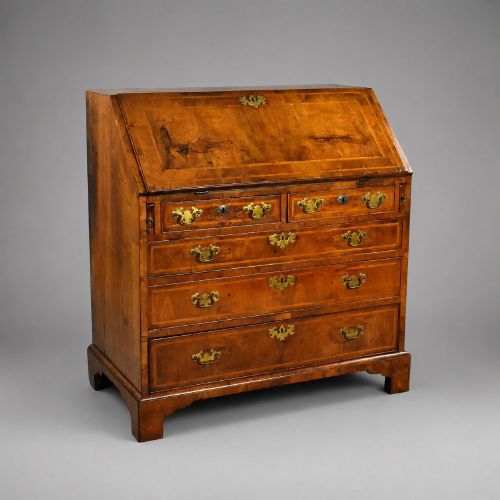
Meticulous construction defines these items, often incorporating stands, associated bases, or fall-front desks that double as writing surfaces. Buyers select them for their historical depth and patinated timber surfaces.
How they were made
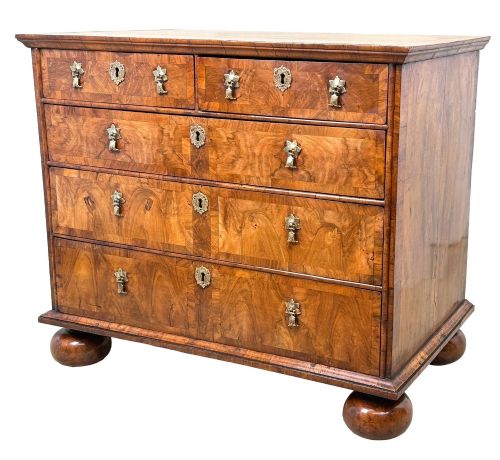
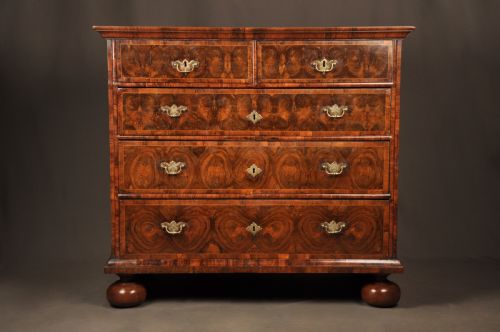
Cabinet makers utilised solid oak and walnut timbers, frequently applying fine walnut veneers and burr walnut across drawer fronts and primary panels. Cross-banding, feather-banding, and geometric moulding added visual definition to plain surfaces.
Brass drop handles, escutcheons, and iron hardware secured the drawers and doors, while gold leaf occasionally appeared on decorated japanned surfaces. Pine and secondary softwoods formed the internal carcase linings and drawer bases.
Listings feature oak, walnut, burr walnut, and olive woods, spanning the seventeenth century through the Georgian and Victorian eras.
What varies in quality
The degree of figuring in the walnut veneer and the crispness of geometric oak mouldings separate standard examples from finer commissions. Timber selection dictates the initial visual impact of the piece.
Originality of the brass hardware, feet, and supporting stands heavily influences the standing of a piece within the period. Surfaces showing deep, undisturbed patina and minimal timber replacement retain stronger character.
The Early English Chest Drawers Glossary
- Chest on stand
- A drawer section elevated on a separate framework with legs. This form lifts the primary storage off the floor.
- Cross-banding
- A narrow strip of veneer laid perpendicular to the grain of the surrounding wood. It frames drawer fronts and panels.
- Escutcheon
- A protective plate surrounding a keyhole. It is commonly cast in brass.
- Feather-banding
- Two strips of veneer laid to meet at a central point creating a chevron pattern. It is also known as herringbone banding.
- Lowboy
- A small low table with drawers, functioning as a dressing table or side table. It shares stylistic traits with contemporary chests.
- Oyster piece
- A circular or oval veneer cut transversely from small branches. This technique creates intricate circular patterns across walnut surfaces.
Early English Chest Drawers: Frequently Asked Questions
What is the difference between an oak and walnut chest?
Oak pieces generally date to the seventeenth century or earlier provincial workshops, displaying visible grain and robust plank construction. Walnut examples emerge prominently around the turn of the eighteenth century, featuring finer veneers and decorative banding.
Walnut versions often appear lighter in scale and incorporate more sophisticated desk or stand configurations. Oak pieces rely on geometric mouldings and pegged joints for structural ornament.
How do I date an early chest?
Dating relies on timber choice, construction methods, and hardware styles. Seventeenth-century pieces typically show framed panel construction in oak with moulded drawer fronts.
Early eighteenth-century pieces introduce walnut veneers, dovetail joints on drawers, and bracket or stand supports. Handles shift from simple wooden knobs and iron drops to cast brass batwings.
Where should I place a chest on stand?
These elevated pieces require clearance to display the legs and stretcher base properly. Placing them in hallways, bedrooms, or reception rooms allows the stand to remain visible.
Avoid positioning them in direct sunlight or against active heat sources to protect the fragile walnut veneers and aged timber.
What is a bureau chest?
A bureau chest combines a sloping writing flap with traditional drawer storage below. Opening the flap reveals a fitted interior of small drawers and pigeonholes.
This form emerged to accommodate personal correspondence and record keeping in domestic settings. The lower drawers maintain standard storage capacity.