
Early Century Illustration
Early century illustration brings together original watercolours, ink drawings and period prints from the eighteenth century onwards.
Early Century Illustration
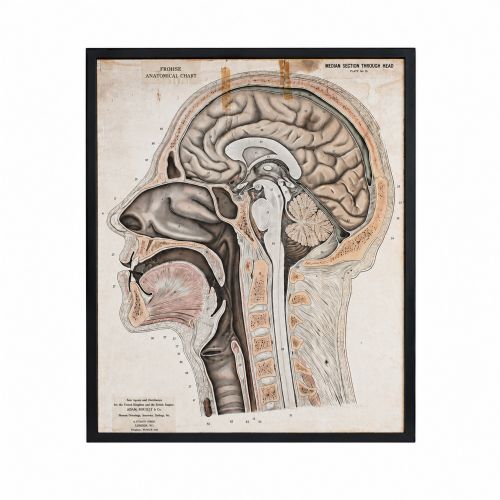
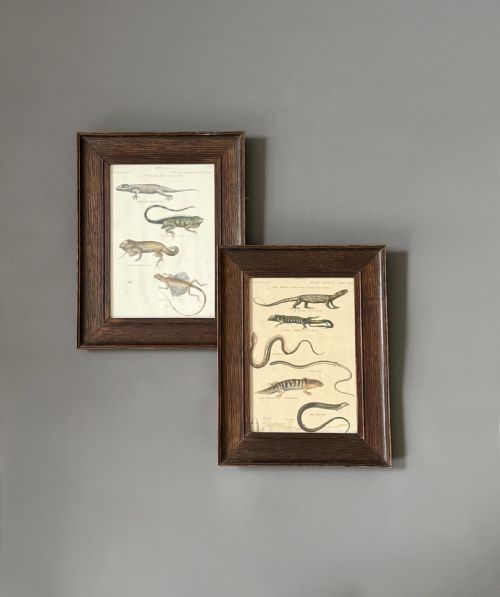
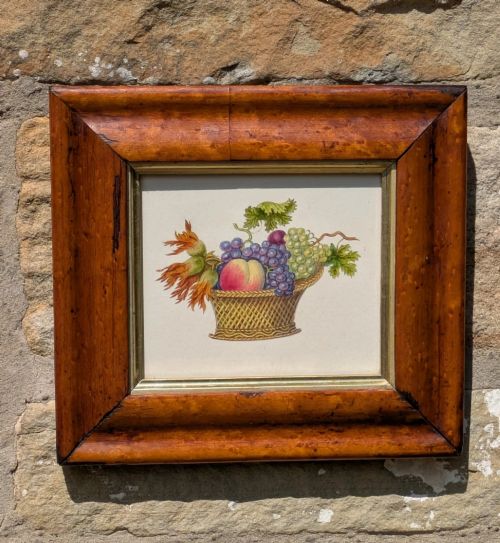
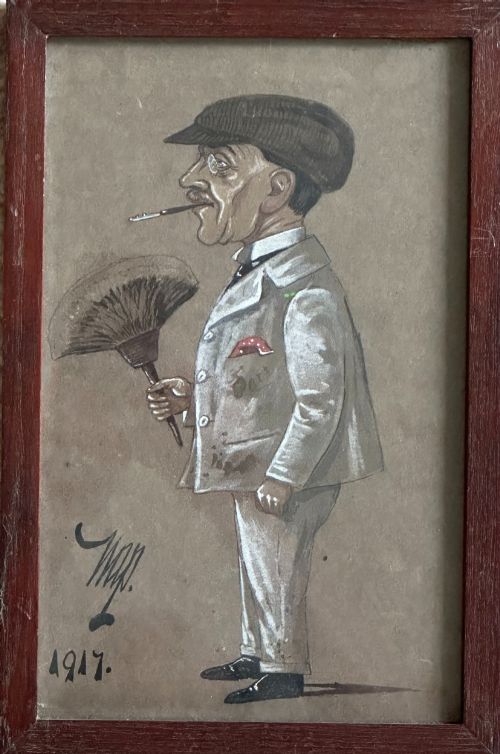
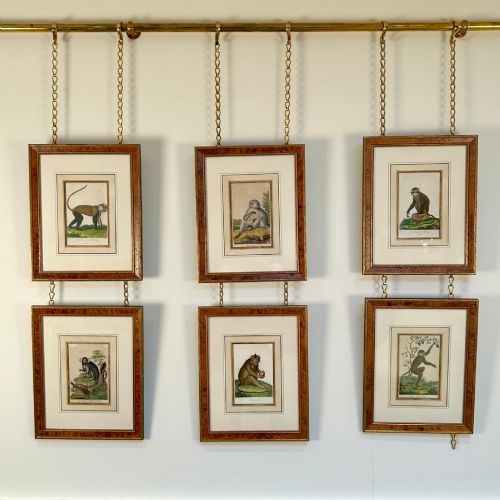
When you search for early century illustration, you encounter works on paper spanning several centuries of artistic production. These pieces range from detailed nineteenth century natural history engravings and Regency fruit studies to early twentieth century watercolours, caricatures and book illustrations.
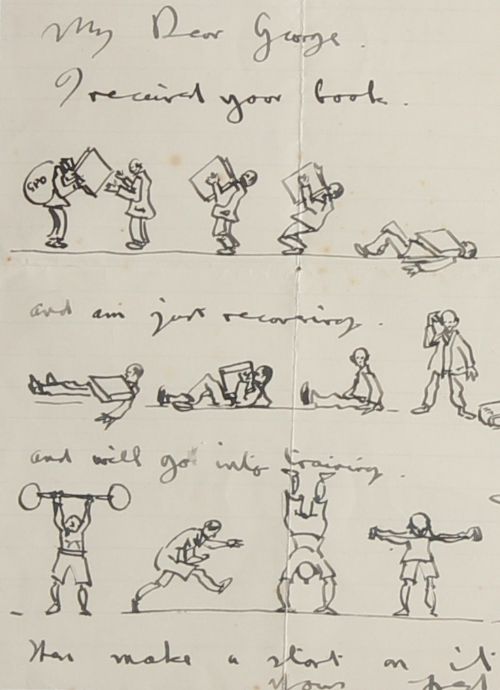
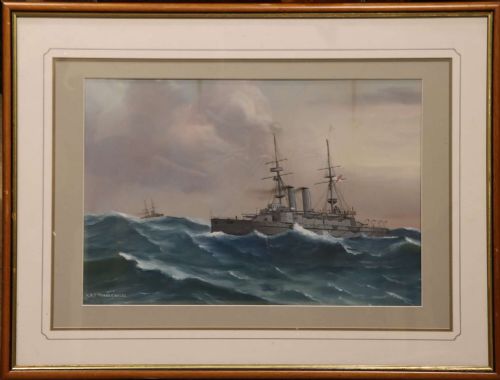
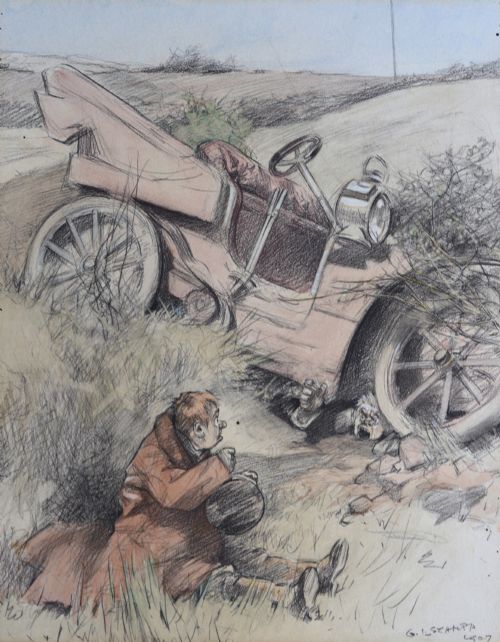
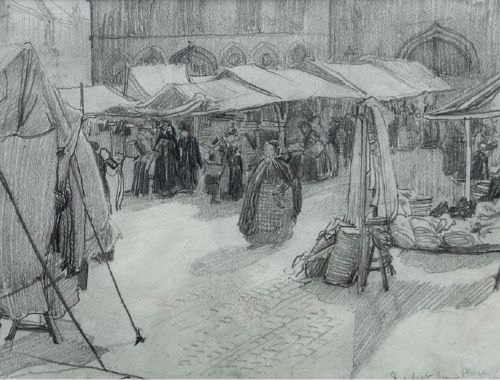
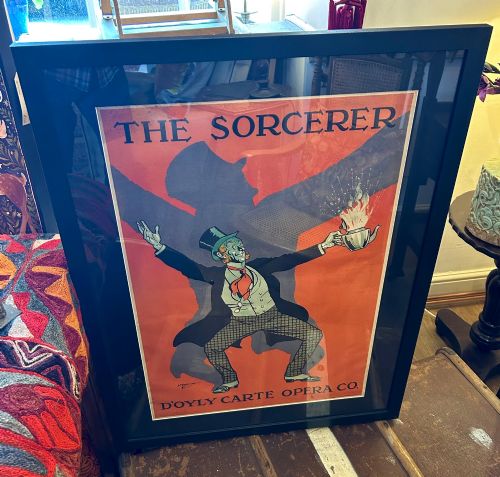
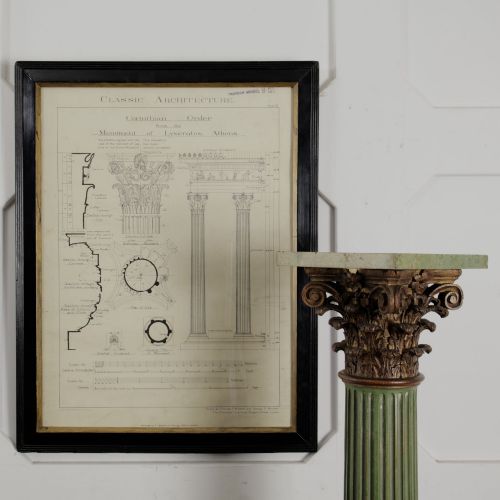
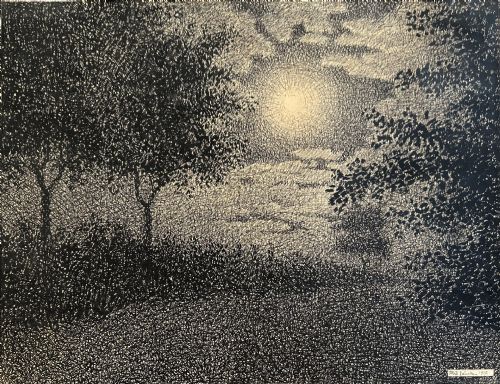
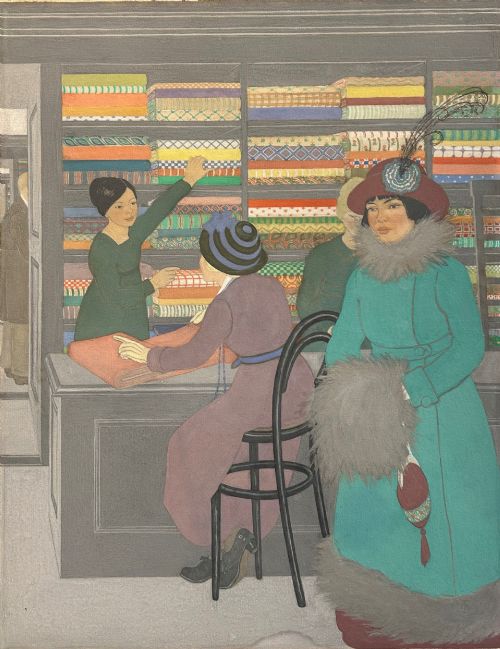
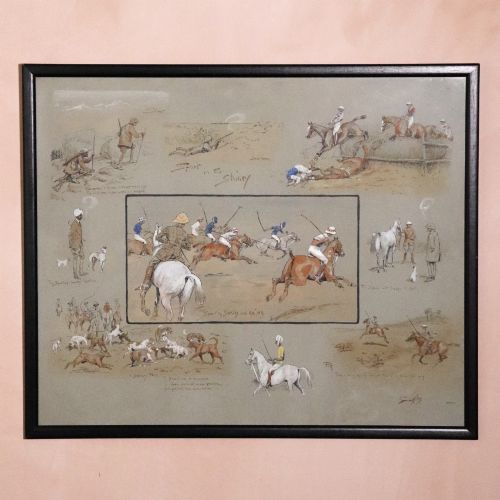
You are most likely to meet framed artwork and works on paper dating from the Edwardian era and the 1920s on this page. These examples often feature ink, pencil, gouache or watercolour on paper, presenting everything from maritime scenes and architectural studies to theatrical posters and landscape views.
Materials and techniques
Artists relied primarily on paper supports, applying ink, graphite pencil, watercolour and gouache to create both finished paintings and preparatory sketches. Hand-coloured engravings and mixed-media techniques also appear frequently across the periods represented in the archive.
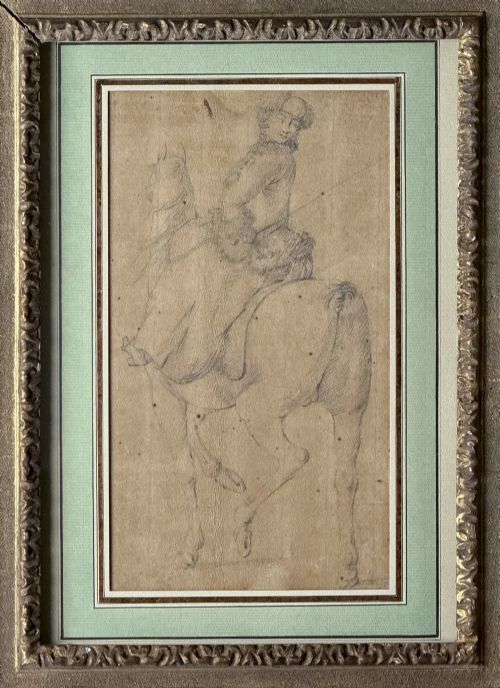
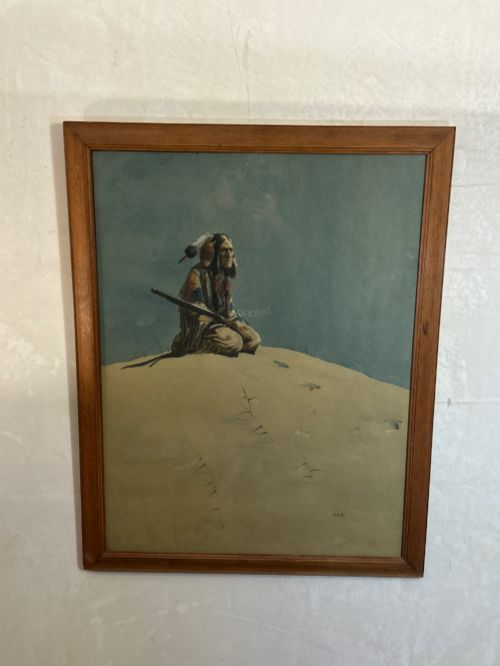
Framed prints and original drawings utilise traditional mounting materials, often secured behind glass within wooden frames that protect the fragile paper works. Pigments applied in wash techniques provide the tonal depth characteristic of these historical illustrations.
Expect encounters with adventurous monkeys, seafaring soldiers on wooden legs, and very serious dogs carrying game birds.
Factors of quality
The distinction between ordinary and exceptional pieces rests upon the surety of the draughtsmanship and the expressiveness of the medium. Works executed with confident ink lines and controlled watercolour washes demonstrate a higher level of artistic competence than rigid or hesitant compositions.
Historical significance and direct attribution to named artists elevate certain pieces above anonymous works of the same period. The preservation of the paper support, alongside the clarity of hand-colouring or printing, also determines the standing of an individual illustration.
William Bird MD FLS·Fred Lawson·George Lorain Stampa·Henry Percy Huggill·John Hassall·Warwick Goble·John Flaxman·C. Lain·Sir Francis Leggatt Chantrey·Albert Guillaume·Karl Feiertag·Dame Laura Knight·Peter Tillemans·Mary Wheelhouse·George M. Brighty
The Early Century Illustration Glossary
- Gouache
- An opaque watercolour paint consisting of natural pigment, water, and a binding agent such as gum arabic. This medium yields solid, matte areas of colour that sit visibly upon the surface of the paper.
- Engraving
- A printmaking method where an artist cuts an image directly into a metal plate using a sharp tool. Ink is then pressed into the incisions and transferred under pressure to paper.
- Wash
- A technique of diluting ink or watercolour with water to create a semi-transparent layer of tone. Artists utilise this method to establish shadows and atmospheric depth in monochrome or coloured drawings.
- Mixed-media
- An artwork incorporating two or more distinct artistic materials or mediums. Pieces described this way typically combine pencil, ink and watercolour on a single sheet of paper.
Early Century Illustration: Frequently Asked Questions
What defines an early century illustration?
These pieces comprise original drawings, watercolours and printed works produced from the eighteenth century through the early decades of the twentieth century. They encompass book illustrations, topographical studies, caricatures and decorative plates.
The category highlights works created on paper using traditional mediums such as ink, pencil and gouache. Many reflect the distinct aesthetic movements of their respective periods, from Georgian classicism to Edwardian illustration.
How should I care for works on paper?
Works on paper require careful placement away from direct sunlight to prevent the fading of watercolours, inks and hand-coloured details. Maintaining stable indoor humidity levels also protects the paper support and prevents warping inside the frame.
Framing with UV-resistant glass offers an additional layer of defence against environmental degradation. Handling should remain minimal, supporting the piece fully if removal from a wall is necessary.
How can I tell different periods apart?
Stylistic clues, framing materials and paper characteristics help distinguish between eighteenth, nineteenth and twentieth century pieces. Eighteenth and early nineteenth century works often employ muted palettes and laid paper, while later pieces introduce bolder pigments and machine-made paper.
Subject matter also provides a reliable indicator of date, reflecting the fashions, military uniforms and architectural styles of specific eras. Signatures, inscriptions and dates written on the reverse or front offer direct confirmation of the period.