




Early Bronze Vessel
An early bronze vessel brings centuries of tactile weight and enduring metalwork into a room.
Early Bronze Vessel
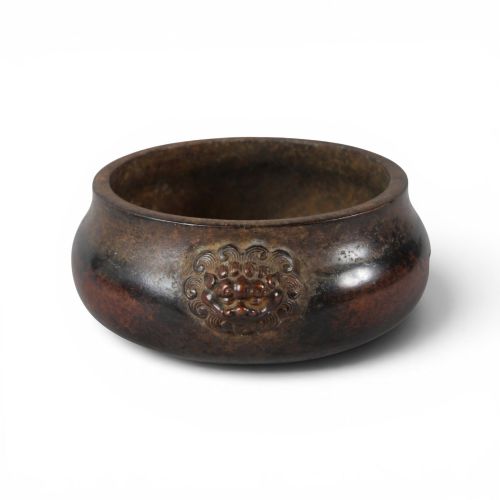
When you search for an early bronze vessel, you encounter utilitarian containers, ritual censers and decorative vases spanning from the seventeenth century through the early twentieth century. These pieces encompass domestic kitchen mortars, Chinese bowls, Japanese vases and European Grand Tour planters shaped from heavy metal.
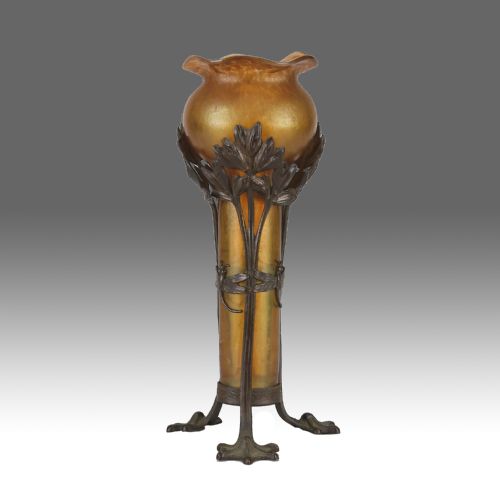
The versions most commonly met on this page range from seventeenth-century Dutch and British cast mortars to early twentieth-century Art Nouveau vases mounted with patinated bronze or glass. Each object carries the specific manufacturing hallmarks and stylistic preferences of its period of origin.
Originating from diverse workshops across Britain, continental Europe and East Asia, these vessels reflect both daily functional use and high decorative arts. Buyers select them for their honest material composition and the distinct historical character accumulated over generations.
How they were made
Metalworkers shaped these objects primarily through traditional casting techniques in bronze and brass, sometimes combining the metal with iridescent glass or applying distinct surface patination. Heavier items such as mortars and censers rely on thick-walled cast construction designed to withstand impact or hold heat securely.
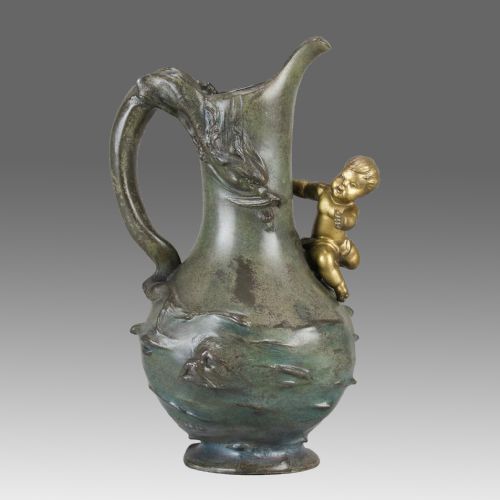
Decorative pieces incorporate specialised finishing methods, including patinated surfaces on bronze and intricate mounts that bind glass bottles or ceramic bodies to metal bases. Surface details on Art Nouveau and Asian export works demonstrate precise chasing, engraving and signature casting.
Listings feature bronze and brass items spanning the seventeenth century through the Victorian, Edwardian and early twentieth-century periods.
What varies in quality
Quality in an early bronze vessel rests in the crispness of the original cast, the depth of the metal patina and the integrity of the form. Pieces featuring heavier metal weight and purposeful proportions display superior craftsmanship compared to simpler utilitarian items.
The sophistication of the design, such as fluid Art Nouveau botanical mounts or well-defined traditional casting marks, distinguishes exceptional examples. Surface preservation and the natural ageing of the metal without inappropriate intervention define the desirability of the piece.
Loetz·Jean Dunand·Georges Van De Voorde
The Early Bronze Vessel Glossary
- Patina
- The natural surface sheen and oxidation developed on bronze and brass over centuries of handling and exposure to the air. This layer offers evidence of age and protects the underlying metal.
- Censer
- A vessel specifically designed for burning incense, frequently featuring a fitted lid and heavy cast walls. These items appear across various Asian and European decorative traditions.
- Mortar
- A heavy bowl used with a pestle for grinding substances, often cast in thick bronze or brass during the seventeenth century. Dutch and British domestic examples are particularly prevalent.
- Grand Tour
- A nineteenth-century tradition where wealthy travellers collected classical antiquities and souvenirs across Europe. Planters and decorative urns from this context emulate ancient forms.
Early Bronze Vessel: Frequently Asked Questions
How do I clean an early bronze vessel?
Maintenance requires only gentle dusting with a soft dry cloth to preserve the accumulated surface character. Aggressive metal polishes strip away historical patina and diminish the visual depth of the bronze.
Avoid using water, oils or chemical cleaners unless strictly necessary for removing active debris. Allowing the metal to age naturally maintains its historical integrity.
Were these vessels used daily?
Many items began as functional objects, such as kitchen mortars for grinding spices or censers for burning incense in scholarly or ritual settings. Other pieces, including Grand Tour planters and Art Nouveau vases, served purely decorative roles in domestic interiors.
Understanding the original context helps explain wear patterns and structural thickness. Utilitarian pieces display heavier walls designed for physical resistance.
How do I date a bronze mortar?
Seventeenth-century mortars exhibit thick, unpolished cast surfaces with simple utilitarian handles or decorative ribbing. Their proportions remain stout and heavy to withstand the force of a pestle.
Later Victorian and Edwardian interpretations shift toward lighter decorative utility or stylistic revivals. Examining the casting texture and rim profile clarifies the period.
Can I use these vases for water?
Metal vessels with integrated glass inserts or solid cast interiors may hold water, but solid bronze and brass items can develop internal corrosion over time. Placing a small glass or plastic liner inside historic vases prevents moisture damage.
Inspect the interior for existing cracks or historical repairs before introducing liquids. Preserving the dry internal state safeguards the structural metal.