


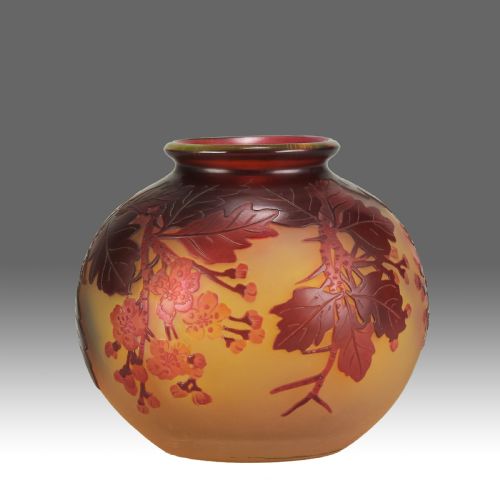
Early 20th Century Vase
This early 20th century vase selection spans delicate Art Nouveau cameo glass and substantial oriental cloisonné, offering collectors diverse decorative vessels for display.
Early 20th Century Vase
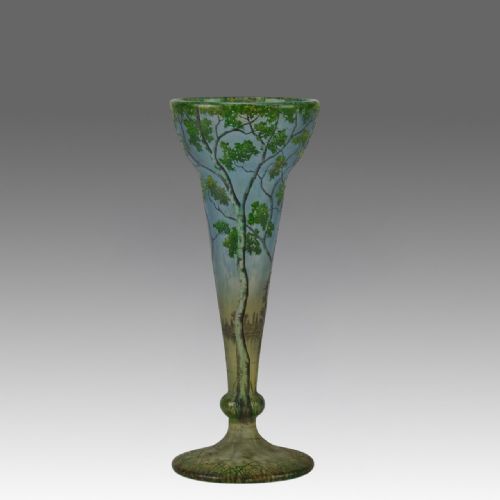
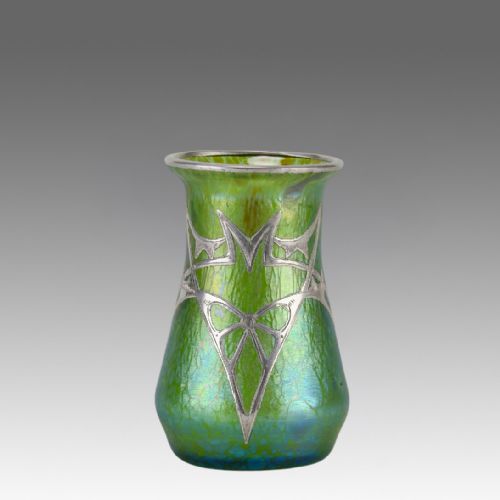
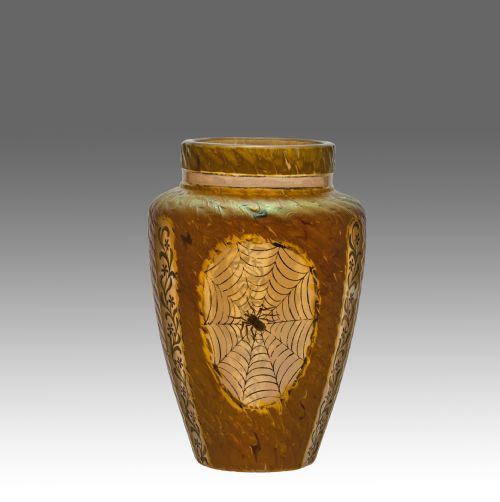
When searching for an early 20th century vase, collectors encounter a diverse array of decorative objects ranging from European art glass to Asian cloisonné enamels and earthenwares. These vessels reflect major design shifts from late Victorian ornamentation through the organic curves of Art Nouveau and into clean geometric Art Deco forms.
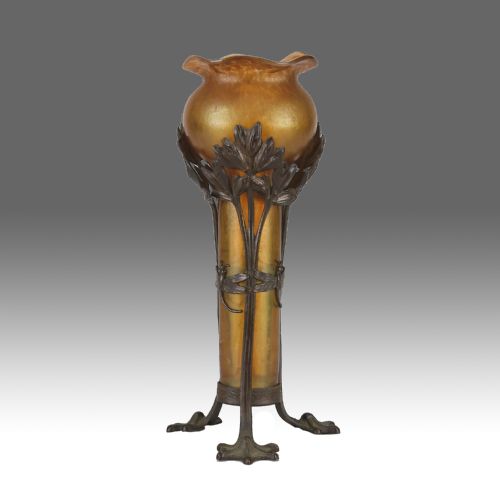
The objects available on this page include delicate cabinet pieces, large floor-standing vessels, campana garden urns, and items converted into table lamps. Many pieces combine functional ceramic or glass bodies with cast bronze, brass, or ormolu mounts characteristic of the Edwardian period.
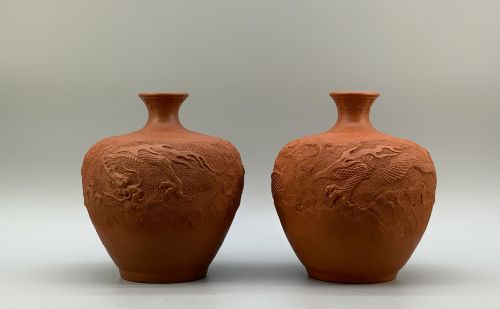
Asian export wares such as Japanese Satsuma and Chinese Canton or cloisonné pieces appear frequently alongside European studio ceramics and British earthenware. Alongside physical vessels, the selection occasionally includes oil paintings and watercolours depicting floral still life studies involving similar vases.
How They Were Made
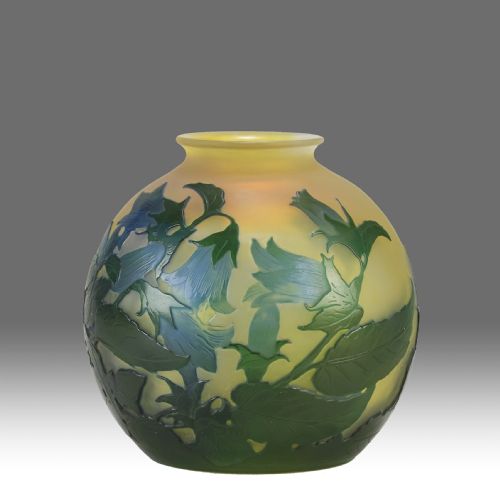
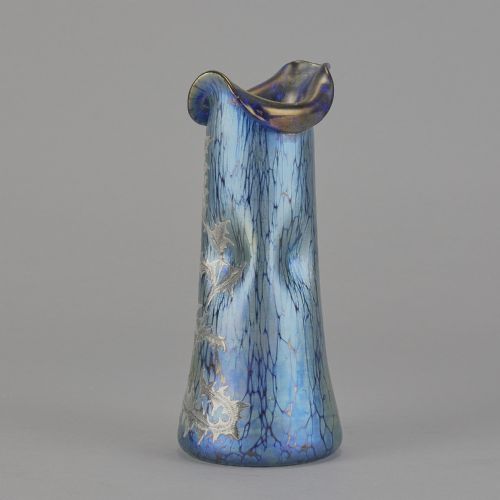
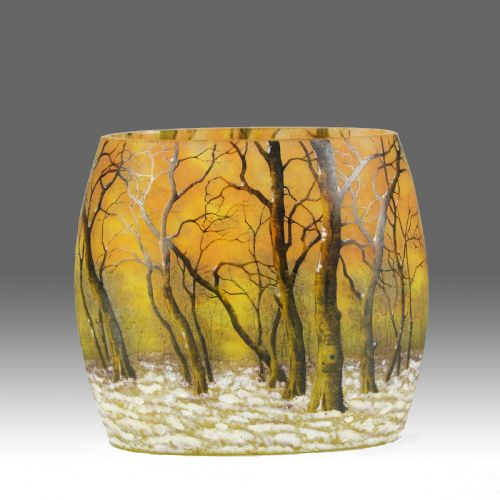
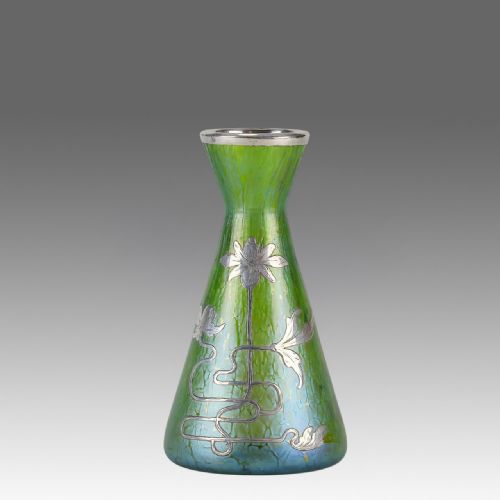
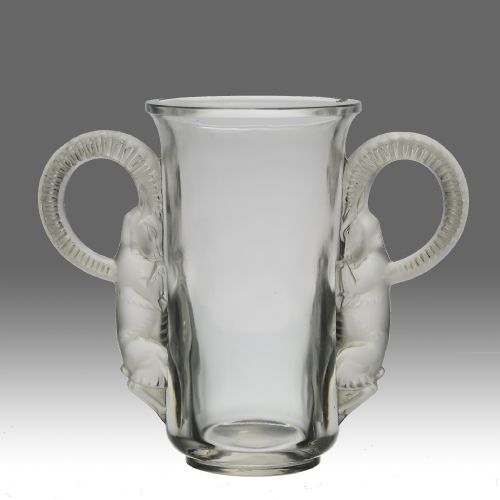
Glass production during this era relied on advanced techniques such as acid-etching, cameo carving across multiple glass layers, and chemical treatments to achieve iridescent or silvered surfaces. Makers manipulated molten materials to create distinct optical effects, capturing light within textured surfaces like frosted or crackle finishes.
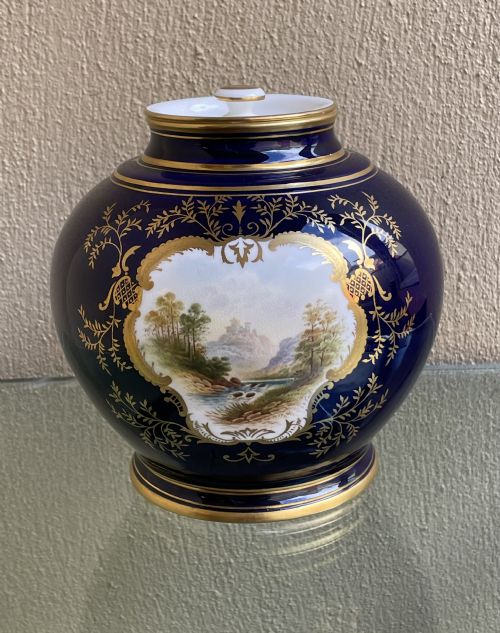
Metalwork pieces utilise bronze, brass, and copper, often formed through casting and embellished with applied enamel work or cloisonné wire cells. Ceramics combine traditional throwing and moulding methods with complex glazing processes, resulting in high-fired stoneware, earthenware, and porcelain decorated with hand-painted motifs.
Early 20th Century Vase Retail Price Guide 2026
Typical asking prices for early 20th century vase among the pieces listed under this phrase on Sellingantiques today, from the lower quarter to the upper quarter. They describe what is for sale here now, not the wider market.
Several artists chose to immortalise humble garden life, rendering delicate frogs and crawling snails permanently onto the sides of bronze and glass vessels.
What Varies in Quality
Quality in these vessels is dictated by the precision of execution, from the depth and sharpness of acid-etched cameo glass layers to the exactness of cloisonné wirework cells. Superior examples demonstrate confident hand-finishing, whether in the delicate rendering of botanical motifs or the clean integration of metal mounts.
The reputation of the producing workshop or artist heavily influences distinction, with signed factory pieces and documented designer productions holding greater artistic weight. Condition of the surface glaze, enamel, or glass integrity further separates standard decorative items from museum-grade collector pieces.
Emile Gallé·Loetz Witwe·Daum Frères·Kralik Glass·René Lalique·Ernst Wahliss·William Moorcroft
The Early 20th Century Vase Glossary
- Cameo Glass
- Glass vessels created by fusing two or more distinct layers of coloured glass and carving away the outer layer to reveal a contrasting design. This labour-intensive method was favoured by major French glasshouses during the Art Nouveau period.
- Cloisonné
- A decorative metalwork technique where thin metal wires are soldered onto a base to form compartments, which are then filled with enamel paste and fired. Pieces often feature intricate floral or abstract patterns across brass or copper bodies.
- Iridescent Glass
- Glass treated with metallic salts while hot to produce a shimmering, rainbow-like surface sheen that mimics natural oil films. Workshops utilised this technique to catch ambient light and enhance organic vessel contours.
- Campana Urn
- A bell-shaped classical vessel form featuring outward-flaring rims and pedestal bases, frequently rendered in cast metal, lead, or porcelain. These decorative garden and interior urns draw directly on ancient Greco-Roman prototypes.
- Spill Vase
- A slender tabletop vessel designed specifically to hold taper candles or wooden spills used for lighting fires and pipes. These practical household items were commonly produced in ceramic and earthenware.
Early 20th Century Vase: Frequently Asked Questions
What is cloisonne enamel?
Cloisonné involves applying thin metal ribbons to a metal vessel base to create partitioned cells, which are then packed with coloured glass paste and fired in a kiln. This process produces durable surfaces with distinct metallic outlines separating vibrant enamel colours.
Collectors often encounter these pieces in Chinese and Japanese decorative arts from the late 19th and early 20th centuries.
Are converted lamp bases original?
Many period vessels were adapted into table lamps either during the era of production or in subsequent decades to suit modern domestic lighting needs. These conversions often involve drilled bases or fitted metal hardware designed to secure electrical components.
While purists prefer untouched vessels, professional conversions remain a widely accepted part of the decorative history for larger ceramic and cloisonné pieces.
How are glass periods distinguished?
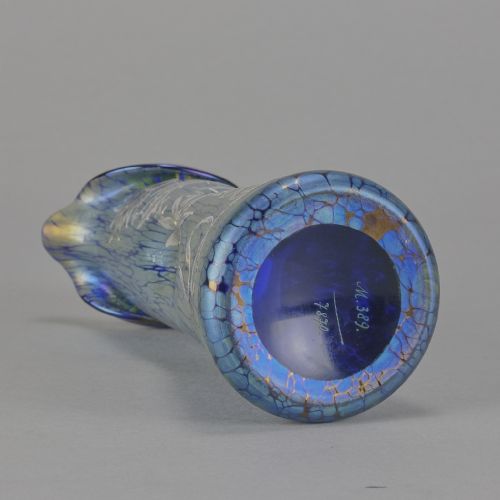
Early 20th century glass is differentiated from later productions by specific manufacturing signatures, chemical treatments, and stylistic adherence to movements like Art Nouveau and Secessionist design. Examination of pontil marks and base wear helps confirm period manufacture.
Documented workshop signatures and specific colour palettes provide the clearest indicators for dating individual glass items accurately.