



Early 20th Century Trade Sign
An early 20th century trade sign is a commercial marker made to catch the eye of the street, carrying history in its paint and metal.
Early 20th Century Trade Sign
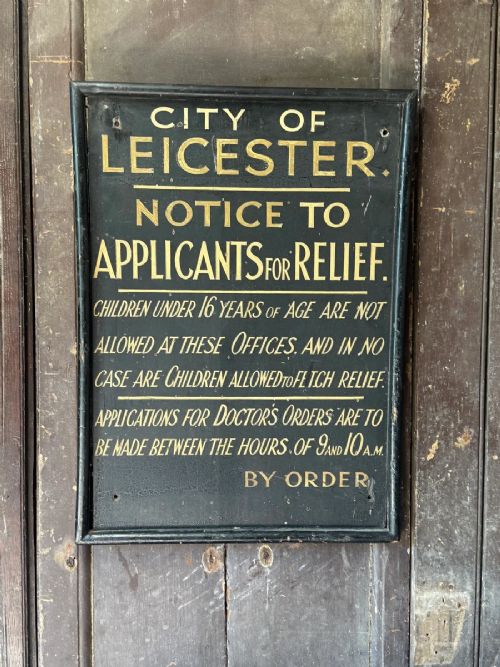
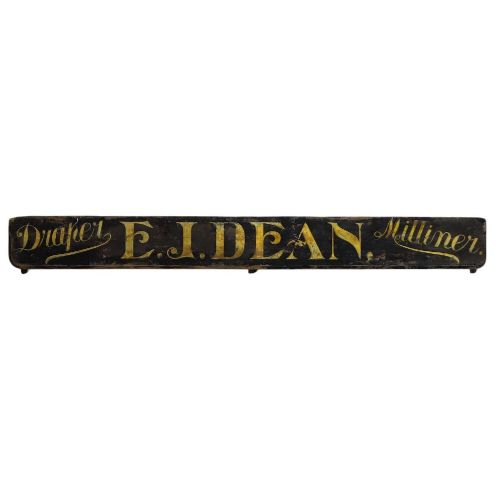
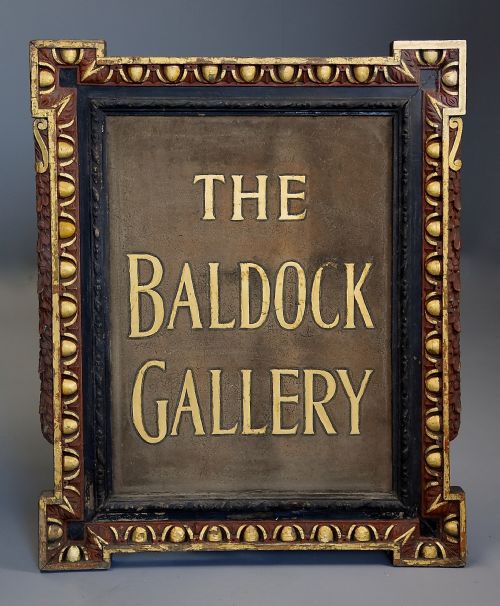
An early 20th century trade sign serves as a robust commercial marker originating from shops, milliners, chemists, and tradespeople of the era. Buyers seeking an early 20th century trade sign often encounter painted wooden boards, sheet metal shapes, and hanging brackets designed to project from a high street facade.
The selection ranges from flat wall signs to sculptural shop display models like carved loaves of bread or metal animal forms. These pieces bridge commercial utility and folk art, reflecting the daily commerce of Edwardian and interwar British or French high streets.
How they were made
Makers fashioned these pieces using durable materials suited to the outdoors, relying heavily on wood such as pine, alongside iron, zinc, sheet metal, and copper. Surfaces were built up with layers of oil paint, sometimes enhanced with gold leaf to catch the street light.
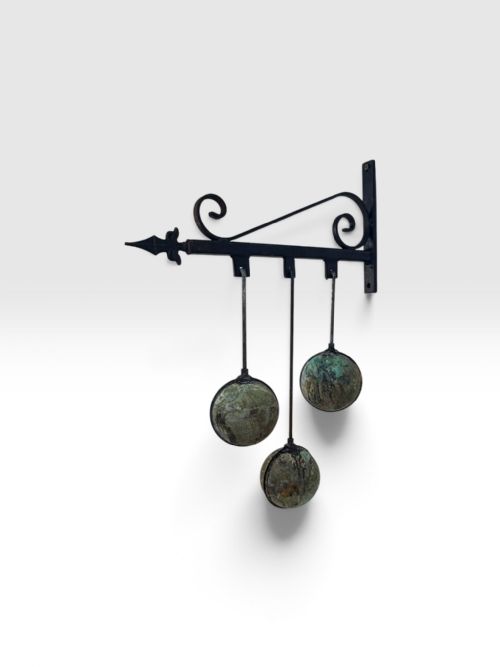
Construction involved straightforward carpentry and metalworking techniques, including carved wooden reliefs, hand-painted lettering, and wrought iron brackets. Enamel finishes also appeared on double-sided street signs for longevity against the weather.
Early 20th Century Trade Sign Retail Price Guide 2026
Typical asking prices for early 20th century trade sign among the pieces listed under this phrase on Sellingantiques today, from the lower quarter to the upper quarter. They describe what is for sale here now, not the wider market.
The listings show materials spanning paint, iron, wood, wrought iron, sheet metal, copper, and gold leaf across the early 20th century.
What varies in quality
Quality rests in the originality of the painted surface and the crispness of the hand-lettering or carved detail. Signs that retain their unblemished original pigments and authentic weathering stand apart from later repaints.
Sculptural form and material complexity also drive distinction, where figurative zinc or carved wooden models require greater artisan skill than simple flat boards.
The Early 20th Century Trade Sign Glossary
- Trade sign
- A functional commercial marker hung outside a shop to advertise a specific trade or service. These objects were essential for pedestrian navigation before modern illuminated branding took over.
- Architectural salvage
- Building elements and fixtures rescued from demolition or renovation. Many hanging sign brackets and metal wall signs fall into this category.
- Gold leaf
- Thinly hammered sheets of gold applied to lettering and decorative motifs. It was utilised to provide a brilliant contrast against dark painted backgrounds.
- Folk art
- Utilitarian items made by self-taught or local artisans rather than academic sculptors. Many early shop display models and carved wooden signs share this vernacular aesthetic.
Early 20th Century Trade Sign: Frequently Asked Questions
How were early trade signs mounted?
These signs were typically mounted to building facades using heavy iron brackets that allowed the boards to project outward over the pavement. This positioning ensured that pedestrians walking along the street could spot the shop from a distance.
Many surviving brackets still show the forged scrolls and joints designed to withstand heavy winds and weather.
What trades used these signs?
A wide variety of high street merchants utilised them, including milliners, drapers, chemists, locksmiths, bakers, and pawnbrokers. Each trade often employed distinct symbols or shapes to communicate their services to a largely literate public.
For example, pawnbrokers frequently displayed traditional hanging motifs, while chemists relied on carved or painted lettering detailing their apothecary services.
How should I hang a heavy trade sign?
Due to the substantial weight of solid wood, iron, and zinc, these objects require secure fixings into structural wall studs or masonry. Using rated anchor bolts ensures the weight of the bracket and board is properly supported.
Checking the stability of original hanging arms is essential if you plan to suspend the sign from its historical ironwork.