



Early 20th Century Seating
Early 20th century seating covers domestic and industrial chairs, benches, and stools built during a diverse period of traditional craftsmanship and emerging machine production.
Early 20th Century Seating
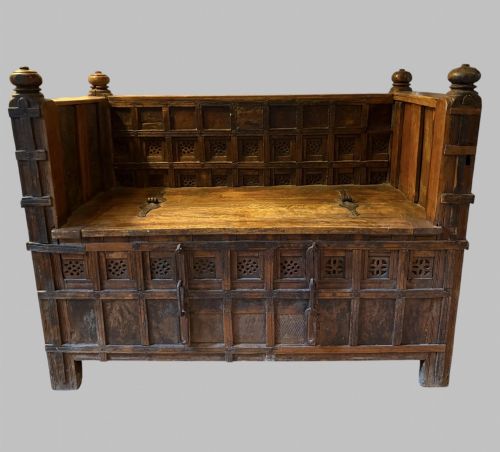
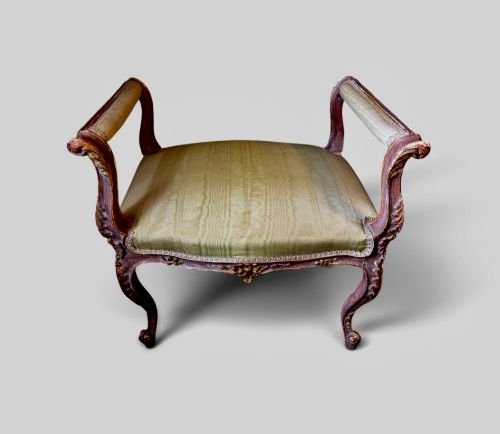
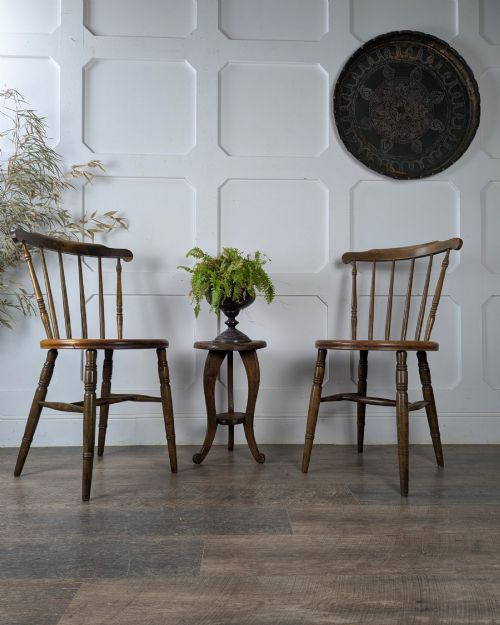
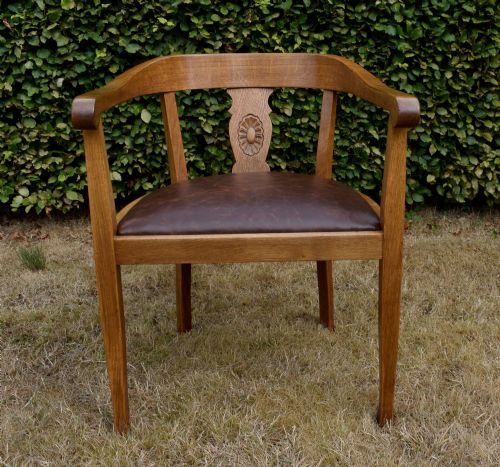
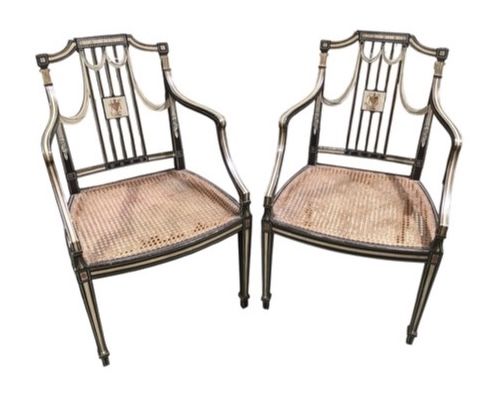
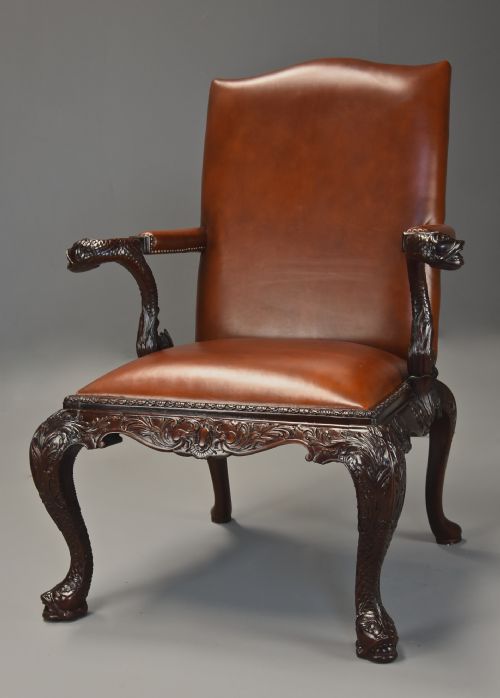
Early 20th century seating encompasses a wide variety of domestic furniture, ranging from oak Arts and Crafts armchairs and farmhouse dining sets to formal George II and Regency style mahogany chairs. These pieces reflect the transition from late Victorian heavily ornamented tastes towards both simplified vernacular designs and industrial utility.
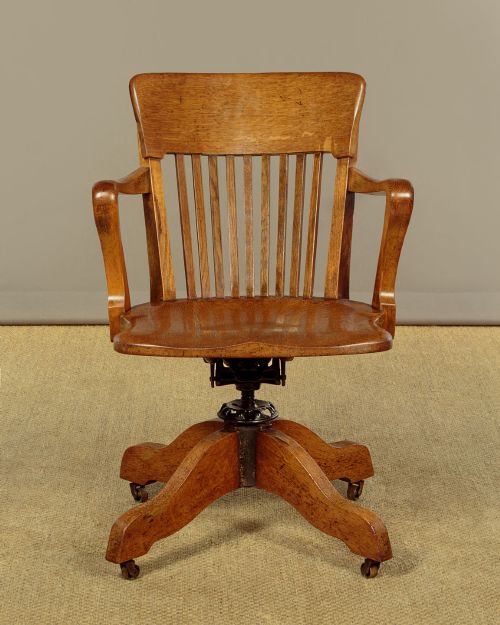
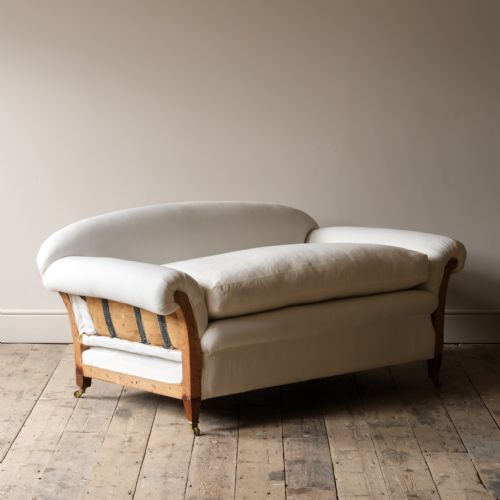
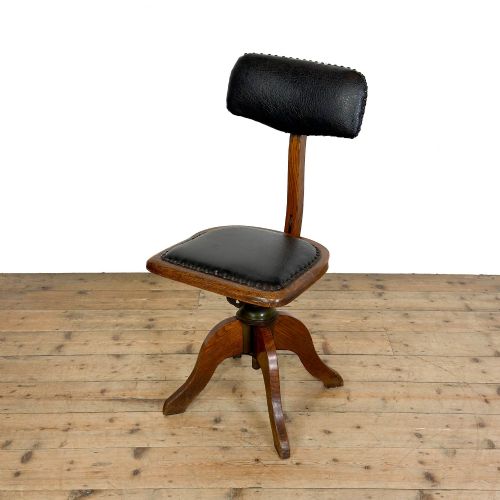
Buyers will encounter heavy office and workshop swivel chairs alongside deep-seated country house sofas and club fenders upholstered in leather. Regional and school-specific pieces, such as Scottish School fireside chairs and Glasgow School settles, also appear frequently.
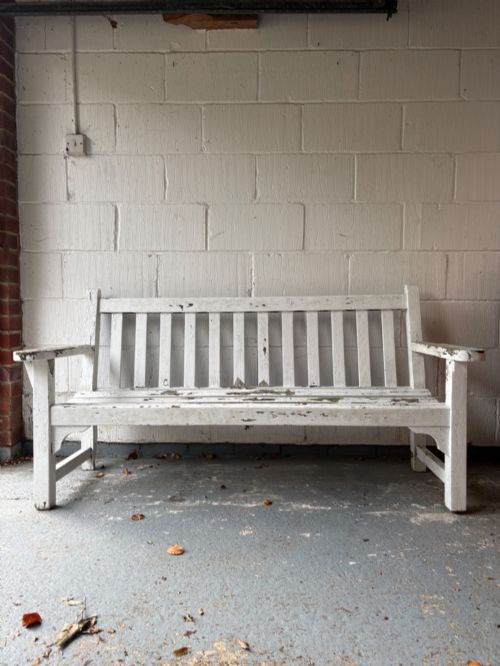
Garden benches in cast iron or timber alongside wicker rattan conservatory chairs demonstrate the era's expanding interest in outdoor and casual interior living spaces.
Quality differences in early seating
The integrity of the underlying timber frame and the retention of original joinery dictate the baseline quality of wooden seating. Period pieces retaining their original surface patination and uncompromised structural glue lines command greater respect than those stripped or heavily rebuilt.
Upholstery standards vary significantly between utilitarian workshop seating and bespoke drawing-room armchairs. The quality of the leather, the density of the internal stuffing, and whether webbing and springs remain true determine the longevity and comfort of upholstered items.
Early 20th Century Seating Retail Price Guide 2026
Typical asking prices for early 20th century seating among the pieces listed under this phrase on Sellingantiques today, from the lower quarter to the upper quarter. They describe what is for sale here now, not the wider market.
The selection includes revival styles referencing the George II, Regency, and Louis XVI periods alongside vernacular farmhouse seating.
Franz Bergman·Dora Heber·Dryad & Co·Hans Müller·Wheelers of Arncroach
The Early 20th Century Seating Glossary
- Club fender
- A low, padded hearth seat constructed with a brass or steel frame enclosing the fireplace. These typically incorporate leather upholstery on the top rails.
- Gossip chair
- An asymmetrical or small low chair designed originally for telephoning or casual conversation. They frequently feature upholstered seats and supportive wooden backs.
- Arts and Crafts
- A design movement emphasising handcraftsmanship, plain vernacular forms, and visible construction details. It rejected mass-produced industrial ornamentation in favour of honest materials.
- Joint stool
- A sturdy wooden stool constructed with mortise and tenon joints rather than turned legs inserted into a seat. They date back centuries but experienced revival forms.
- Machinist chair
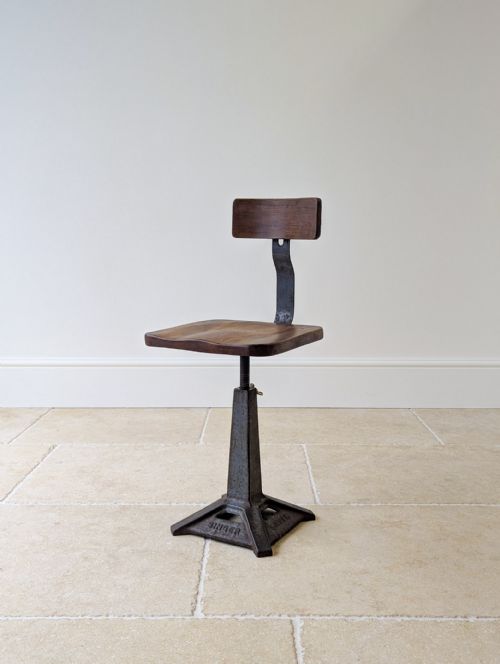
- An adjustable industrial seat made with cast iron bases and wooden or steel seats. These were built for factory longevity and practical utility.
Early 20th Century Seating: Frequently Asked Questions
How do I identify Arts and Crafts chairs?
Arts and Crafts seating typically displays unpretentious oak construction with exposed joinery like pegged tenons. The aesthetic prioritises functional utility and simple geometric lines over ornate carvings.
Decoration is minimal, often relying on the natural grain of the timber and leather tie-downs to create visual interest.
Are industrial office chairs comfortable for daily use?
Industrial office and workshop chairs from this era were engineered for durability rather than plush domestic comfort. Many feature mechanical swivel actions and height adjustments designed for long hours at a desk.
Adding a cushion or utilising them for short periods at a writing table makes them practical for modern workspaces.
What defines a club fender?
A club fender is a low, U-shaped seat that wraps around the hearth of an open fireplace. The metal framework, often brass or steel, supports upholstered leather top rails intended for sitting close to the fire.
They originated in gentlemen's clubs and country houses to maximise warmth during colder months.
How do I care for antique leather upholstery?
Antique leather requires gentle cleaning and periodic conditioning to prevent the hide from drying and cracking. Avoid harsh chemical cleaners and keep leather seating away from direct heat sources and strong sunlight.
Regular dusting and micro-fibre wiping help maintain the natural patination acquired over a century of use.