



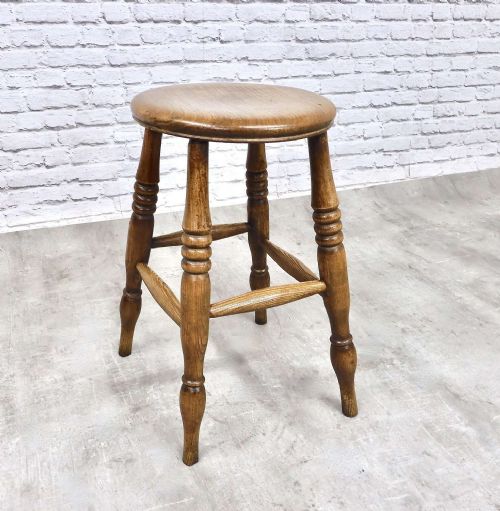


Vintage Workshop Seating
Vintage workshop seating brings robust utility and honest utility into modern rooms through heavy cast iron frames and timber seats.
Vintage Workshop Seating
Vintage workshop seating comprises utilitarian stools, bar stools, desk chairs, and office chairs designed for factories, mills, and laboratories. These pieces emerge from periods ranging from the Victorian era through the 1930s, reflecting hard-wearing industrial and utilitarian demands.
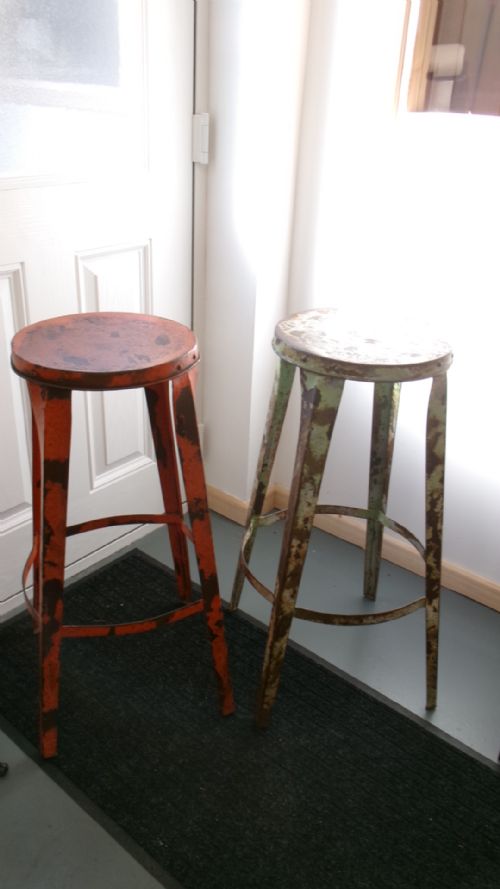
Stools and chairs featuring cast iron bases paired with oak, elm, beech, or pitch pine dominate the selection. Buyers most frequently encounter revolving designs, riveted metal constructions, and high workshop seating originating from the nineteenth and early twentieth centuries.
Construction and materials
Makers built these pieces using durable combinations of cast iron, steel, and hardwoods such as elm, oak, and beech. Frames utilise robust cast iron bases, sometimes riveted, to withstand heavy daily factory and laboratory use.
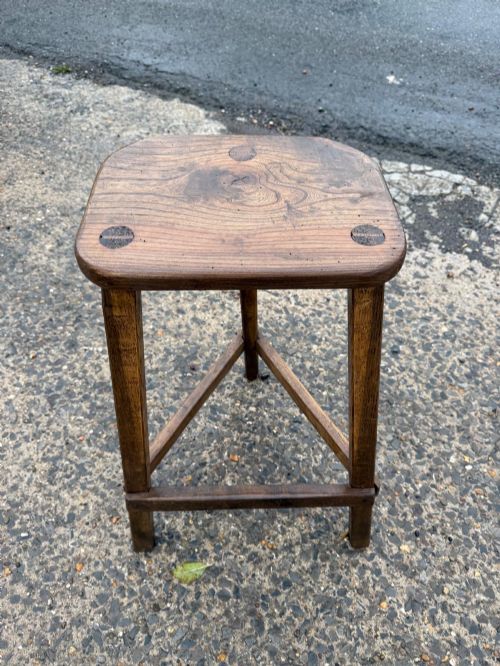
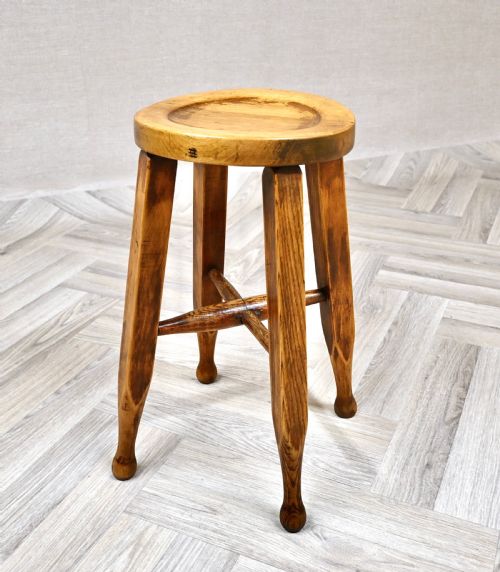
Seats often consist of solid timber, shaped or turned from pitch pine, oak, or elm, secured to adjustable or fixed metal mechanisms. This marriage of metalwork and timber created enduring seating designed strictly for function rather than display.
Vintage Workshop Seating Retail Price Guide 2026
Typical asking prices for vintage workshop seating among the pieces listed under this phrase on Sellingantiques today, from the lower quarter to the upper quarter. They describe what is for sale here now, not the wider market.
Materials recorded across current pieces include cast iron, steel, oak, elm, pitch pine, and beech.
Assessing quality and authenticity
Quality rests in the originality of the mechanism, the integrity of the cast iron, and the character of the timber seat. Pieces retaining their original revolving adjustments or maker markings demonstrate higher desirability among collectors.
The degree of honest wear on the wood and metal separates utilitarian items with genuine history from later reproductions. Solid construction methods, such as riveted metal joints and well-seasoned hardwoods, dictate the endurance of each piece.
Rubery Owen·Singer·Evertaut
The Vintage Workshop Seating Glossary
- Cast iron
- A strong, hard iron-carbon alloy poured into moulds to create heavy, rigid furniture bases. It provides the foundational weight and durability for industrial workshop seating.
- Pitch pine
- A durable resinous softwood utilised for table tops and stool seats during the nineteenth and early twentieth centuries. Its dense grain resists heavy wear.
- Revolving stool
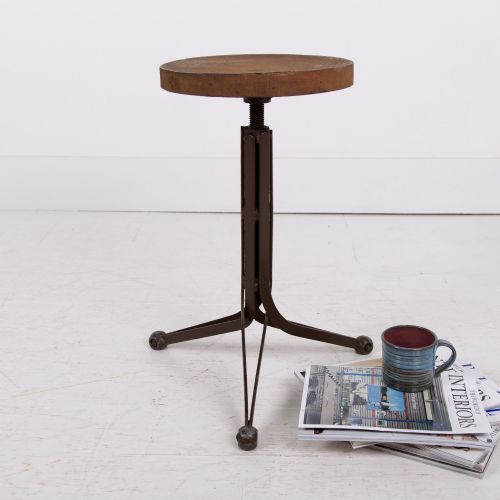
- A seat design featuring a threaded screw mechanism or swivel joint allowing height adjustment. These mechanisms were essential for workers operating at varying bench levels.
- Industrial utility
- A design style prioritising functional efficiency and unadorned practicality, emerging strongly in British manufacturing during the early twentieth century.
Vintage Workshop Seating: Frequently Asked Questions
What defines vintage workshop seating?
These pieces are utilitarian chairs and stools built for nineteenth and early twentieth-century factories, mills, and laboratories. They combine heavy cast iron or steel frames with solid wooden seats designed for demanding manual work.
Buyers choose them to introduce honest industrial character into domestic and commercial interiors. Their robust construction ensures they remain practical for daily use at high tables and desks.
How do I date a workshop stool?
Dating relies on examining the manufacturing techniques, materials, and any visible maker marks or patent details on the metal base. Victorian examples often feature ornate cast iron supports, while 1930s pieces lean towards streamlined utility.
Comparing the type of wood used in the seat, such as elm or pitch pine, alongside the complexity of the swivel mechanism helps narrow the period of origin.
Can I adjust the height on these seats?
Many workshop stools and chairs incorporate a threaded screw shaft or mechanical pivot allowing the wooden top to rotate and alter in height. This original functionality was designed for workers switching between seated and standing tasks.
Not all models adjust, as fixed-height high stools and office chairs also appear frequently within industrial seating categories. Checking the mechanism in the listing clarifies whether movement is possible.
How do I care for industrial wooden seats?
Maintaining these wooden tops involves feeding the timber with suitable wax or oil to prevent the grain from drying out. Avoid harsh chemical cleaners that strip the aged patina accumulated over decades of workshop use.
Protecting the cast iron frames from excessive moisture preserves the metal and prevents surface corrosion while maintaining the historic finish.