


Early 20th Century Folk
Early 20th century folk objects span handmade trade signs, carved animals and vernacular items shaped by utilitarian purpose and individual expression.
Early 20th Century Folk
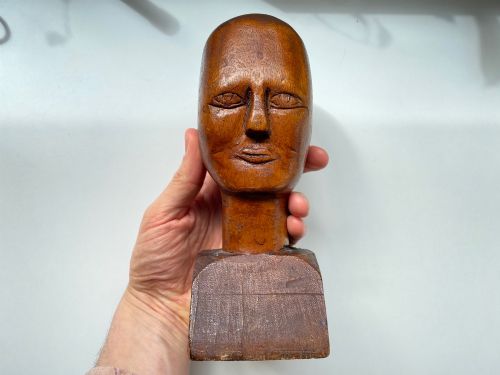
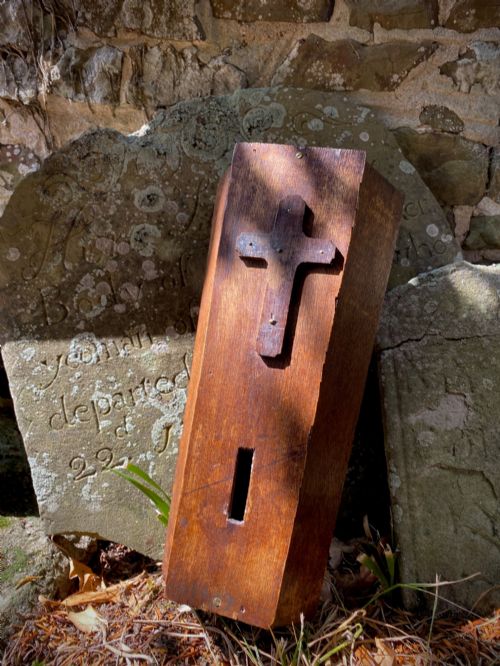
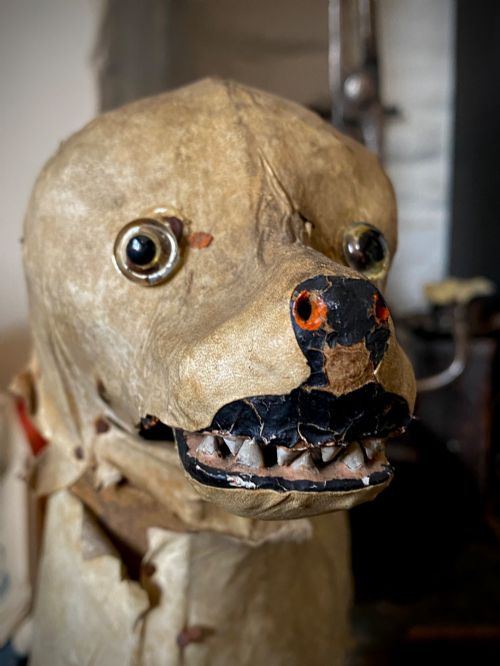
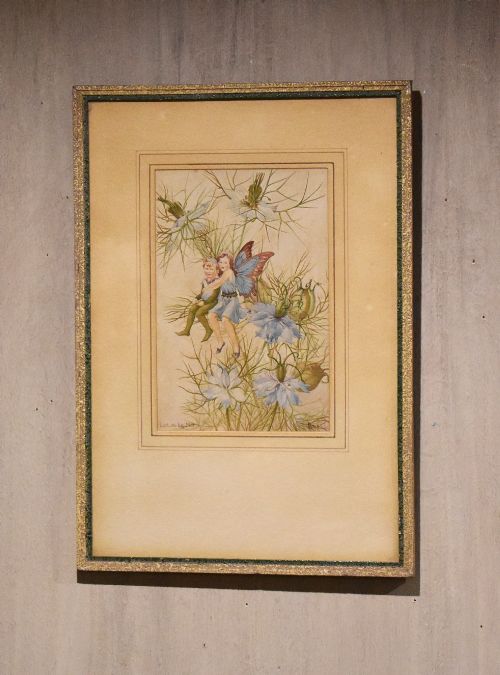
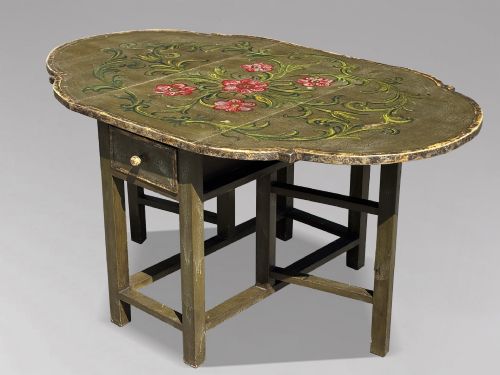
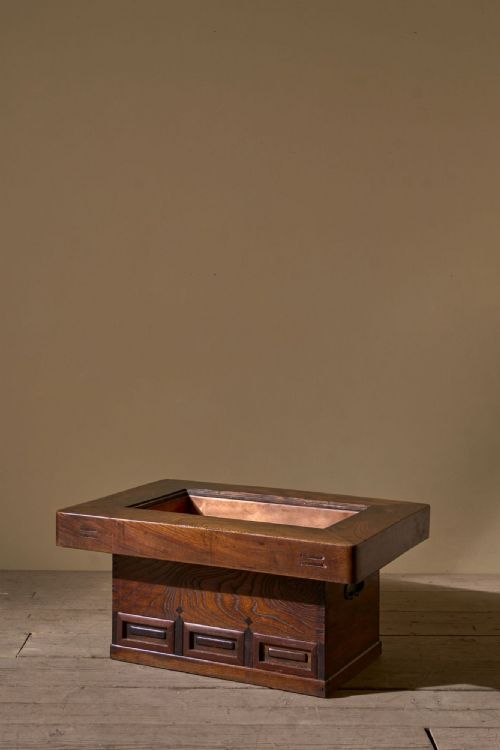
Early 20th century folk material encompasses eclectic items produced outside academic artistic traditions, bridging community utility and vernacular creativity. Pieces span the decades from 1900 to the 1940s, originating from workshops, coastal villages and fairgrounds. Buyers exploring early 20th century folk encounter sculptures, trade signs, wall art and treen.
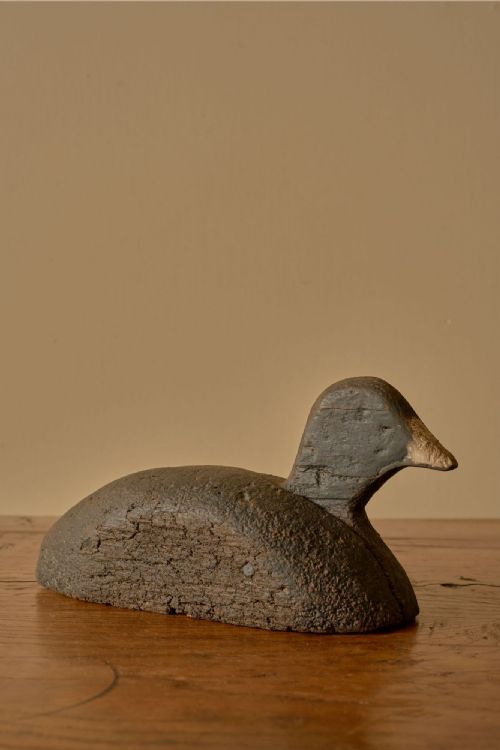
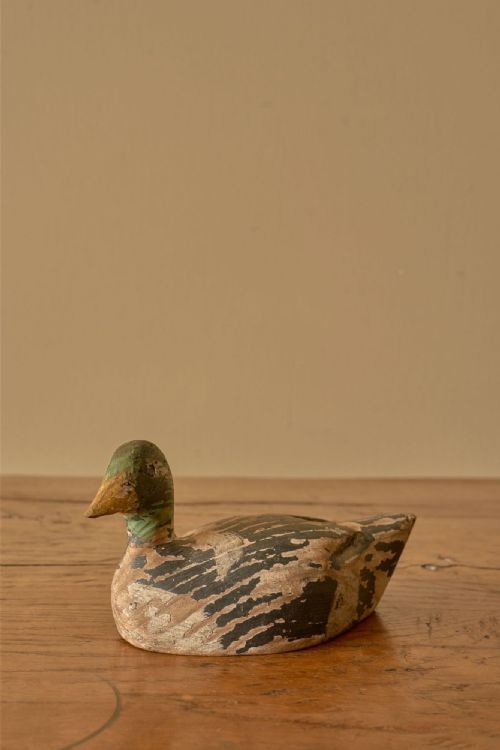
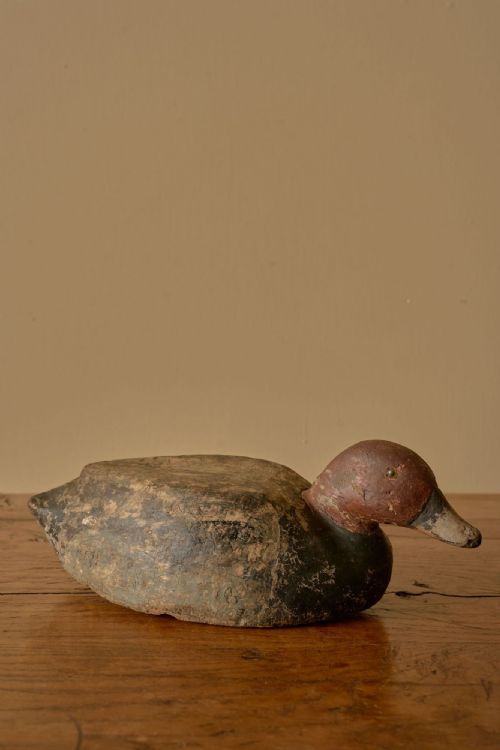
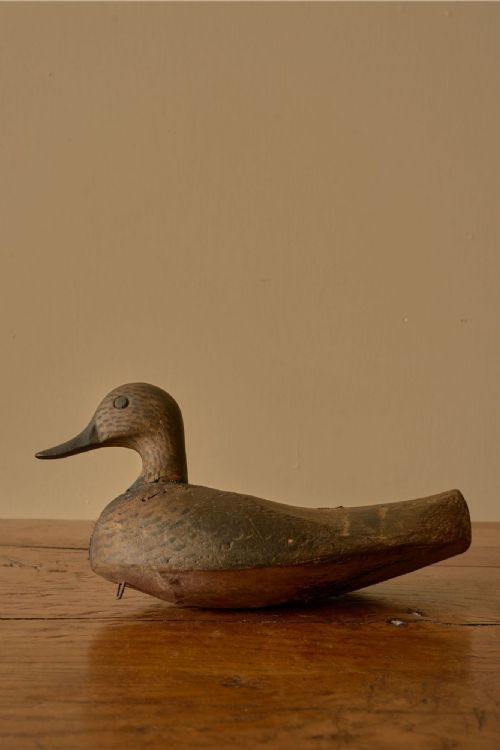
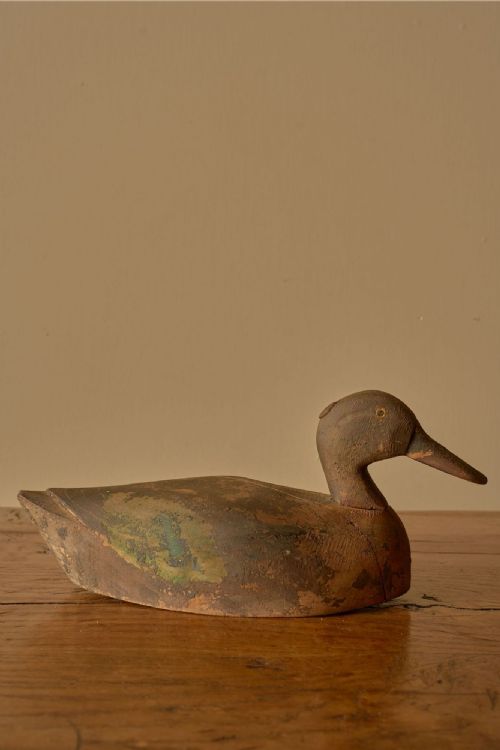
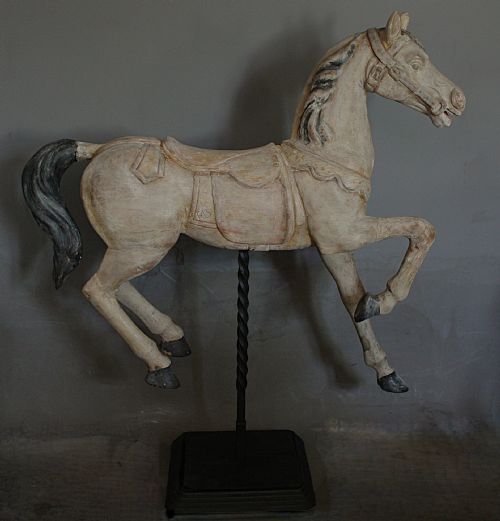
Common survivals include carved wooden decoy ducks, fairground panels and carousel figures alongside scratch-built ship models and storage boxes. Utility objects like collection boxes, doctors bags and woven stands sit alongside decorative figures and maritime dioramas. Regional traditions appear through English, Scandinavian, American and Japanese pieces.
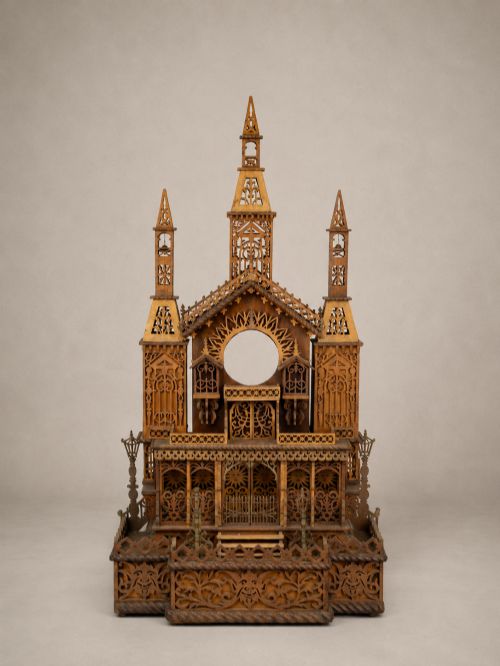
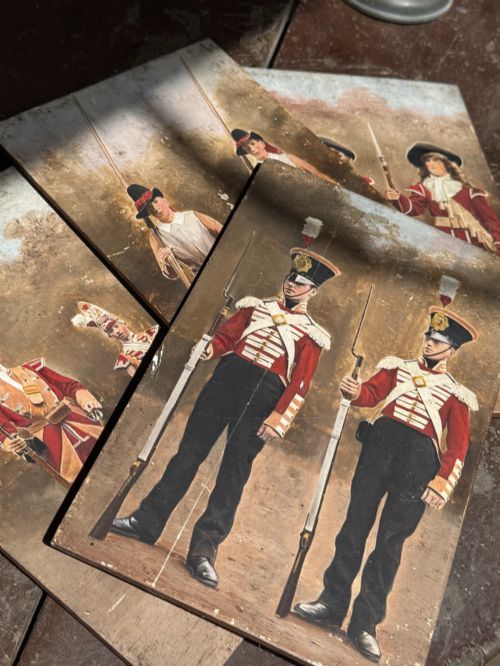
Verifiable forms range from architectural clock cases and weather vanes to painted soldiers on panel and display models of bread. Each object records local materials and individual maker choices, yielding items that function equally as decorative focal points and historical records.
How they were made
Makers utilised available timber, pine and carved wood, shaping blocks and panels with hand tools. Surfaces received coats of paint, adding layers of colour that aged with exposure.
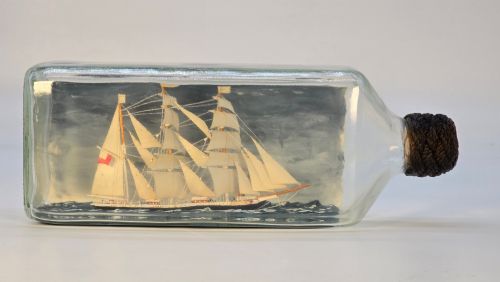
Metalworking techniques shaped iron, copper and tin into weather vanes, donation boxes and sheet metal figures. Glass protected delicate interior elements such as diorama ships and shell displays.
Early 20th Century Folk Retail Price Guide 2026
Typical asking prices for early 20th century folk among the pieces listed under this phrase on Sellingantiques today, from the lower quarter to the upper quarter. They describe what is for sale here now, not the wider market.
Listings feature works spanning from 1900 through the 1940s, incorporating wood, iron, copper, glass and painted surfaces.
What varies in quality
Expressive power separates routine utilitarian items from pieces possessing strong sculptural presence. Carving confidence and painted surface patination dictate visual impact.
Integrity of original paint layers and survival of surface decoration define upper tier pieces. Extent of original components remaining unaltered determines historical weight.
Marjorie L Davies
The Early 20th Century Folk Glossary
- Folk art
- Items created by self-taught or vernacular makers, prioritizing utility and local tradition over academic convention. These objects reflect community aesthetics rather than mainstream academic standards.
- Decoy duck
- A carved and painted wooden float utilised by hunters to attract waterfowl on lakes and rivers. Makers shaped timber to mimic living birds with practical ballasts.
- Trade sign
- An exterior board or sculptural figure hung outside a shop to advertise services or goods to literate and illiterate passersby alike. Examples include baker displays and general commerce markers.
- Diorama
- A three-dimensional scene enclosed within a glass-fronted case or bottle, depicting maritime vessels or coastal vignettes. Sailors constructed these miniature worlds during long voyages.
- Treen
- Small handmade wooden household objects and utilitarian wares created for domestic use. The category includes spoons, boxes and small containers carved from local timber.
- Whirligig
- A wind-driven mechanical folk sculpture with moving parts animated by passing breezes. These kinetic figures combined practical weather observation with whimsical motion.
Early 20th Century Folk: Frequently Asked Questions
What defines early 20th century folk pieces?
These items represent vernacular objects made outside formal artistic academies, combining practical function with individual maker skill. They reflect regional traditions across Britain, Scandinavia, America and Asia.
Materials typically include timber, carved wood, iron, tin and paint, resulting in items ranging from trade signs to carved figures.
How were decoy ducks utilised?
Decoy ducks served as functional tools for hunters aiming to attract wildfowl onto water during the early decades of the twentieth century. Makers carved and painted timber blocks to mimic living birds.
Survivors display varied paint surfaces and distinct carving hands, transitioning from working tools to decorative objects.
What purpose did fairground panels serve?
Fairground panels decorated carousel rides and carnival attractions, providing bright colours and bold imagery to draw crowds. Artists painted scenes and figures directly onto wood panels.
These survivals capture the popular entertainment culture of the period, retaining traces of active outdoor use.
How do you display maritime dioramas?
Maritime dioramas and ship models require stable surfaces away from direct sunlight and excessive humidity to protect internal rigging and glass cases. Placing them on dedicated tables or shelves allows clear viewing of the miniature scenes.
Environmental stability preserves the delicate paper, wood and thread components inside bottles and shadow boxes.