

Early 20th Century Cupboard
Selecting an early 20th century cupboard brings practical storage and architectural presence into a room through varied regional woods and revival styles.
Early 20th Century Cupboard
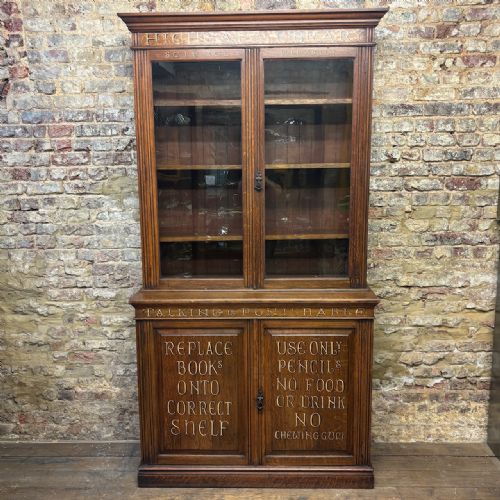
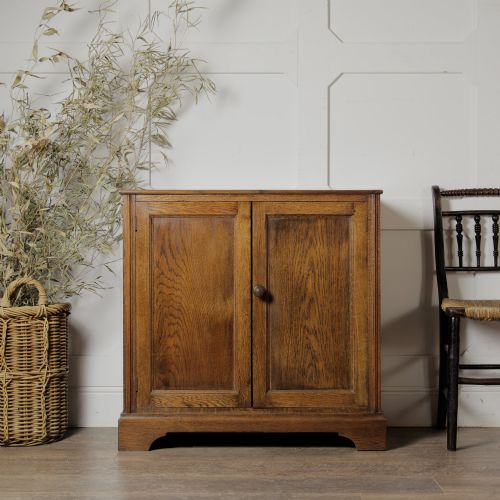
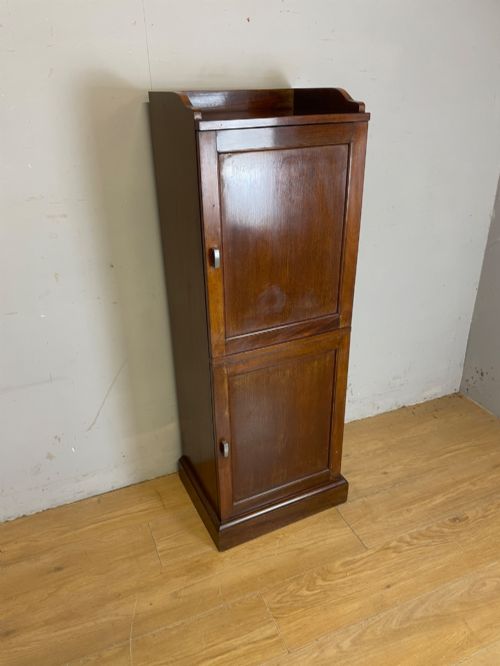
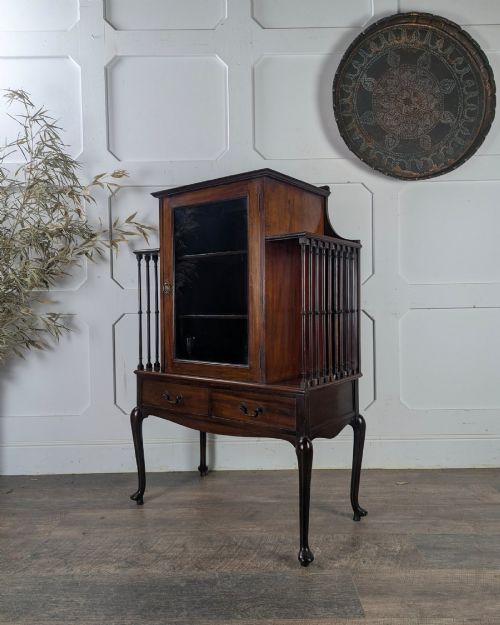
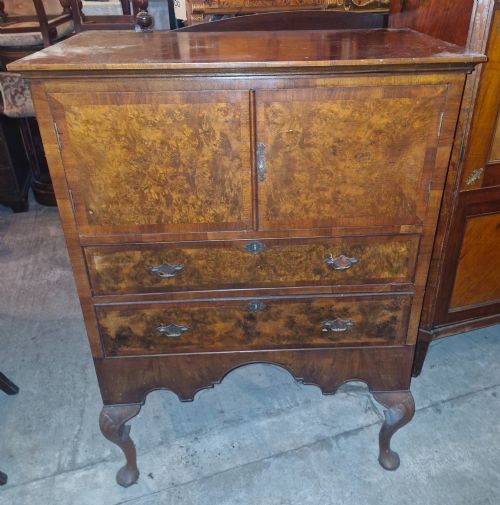
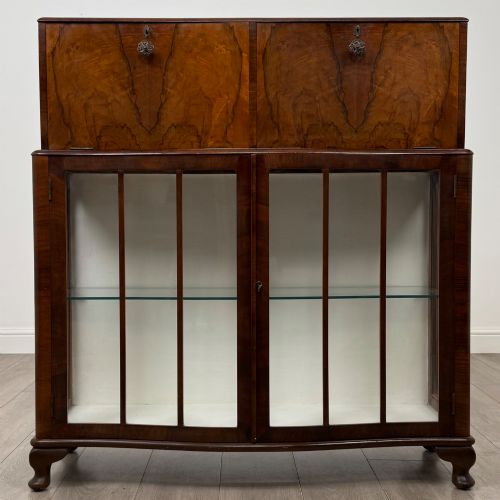
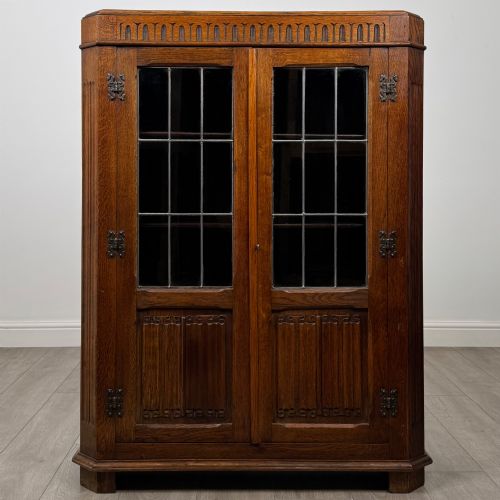
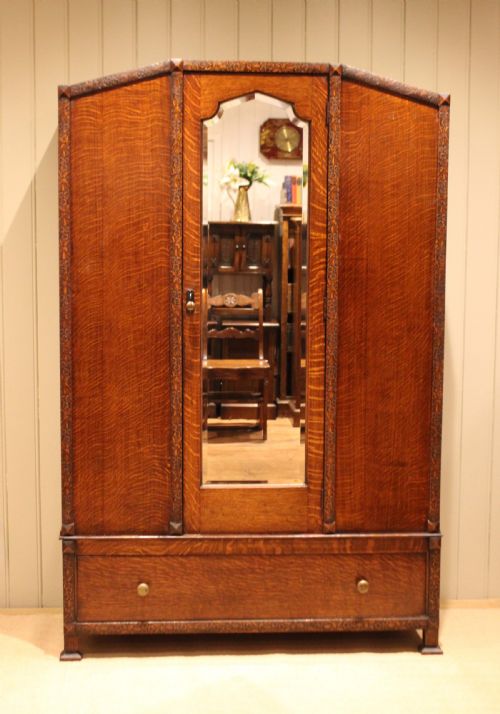
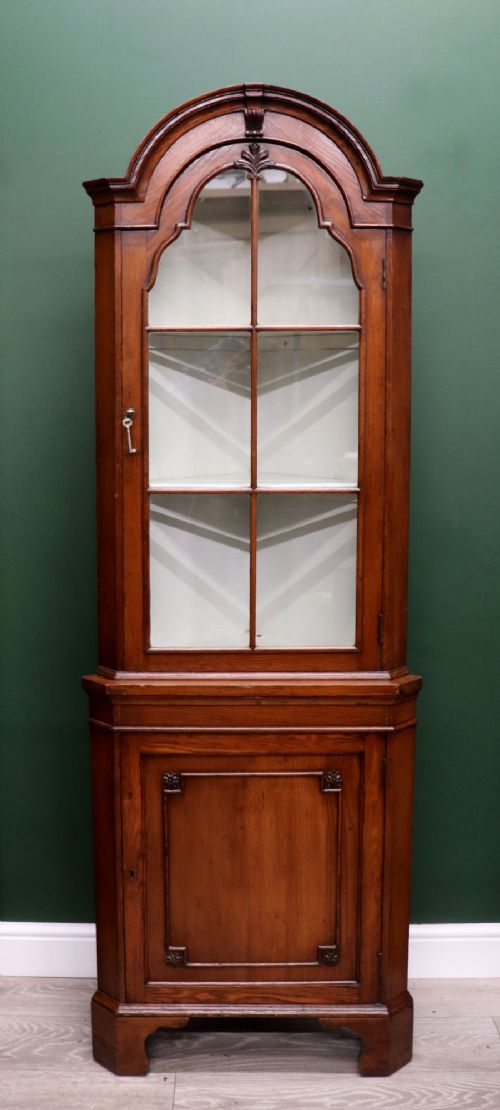
When buyers search for an early 20th century cupboard, they encounter a broad category encompassing practical furniture made across Europe and Asia, ranging from utilitarian school and hall storage to formal display cabinets. The most common manifestations on this page are oak and mahogany pieces, including corner cabinets, bedside tables, and glazed bookcases produced between the Edwardian era and the 1930s.
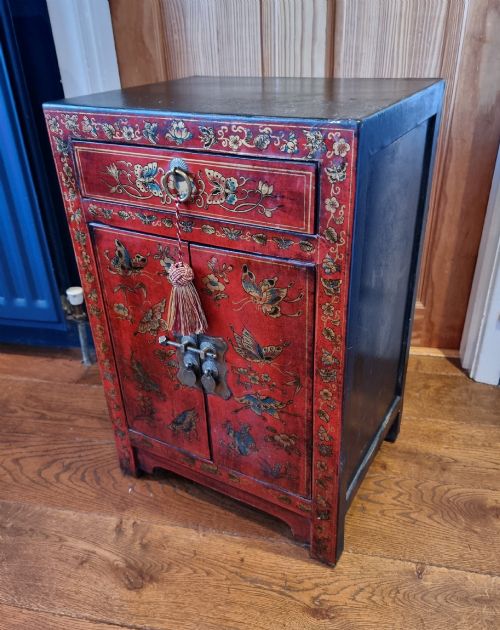
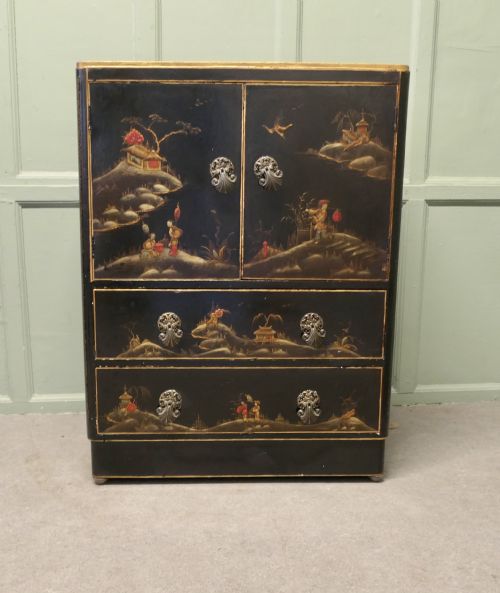
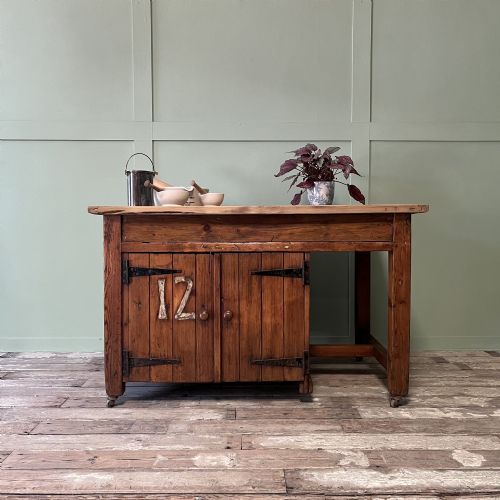
The selection extends from regional vernacular pieces like pine farmhouse dressers and oak court cupboards to refined walnut breakfronts and exotic lacquer work. Makers and manufacturers utilised traditional forms such as the linenfold panel and the bowfront, adapting older Jacobean, Queen Anne, and Georgian revival styles for twentieth-century homes.
Materials and Construction
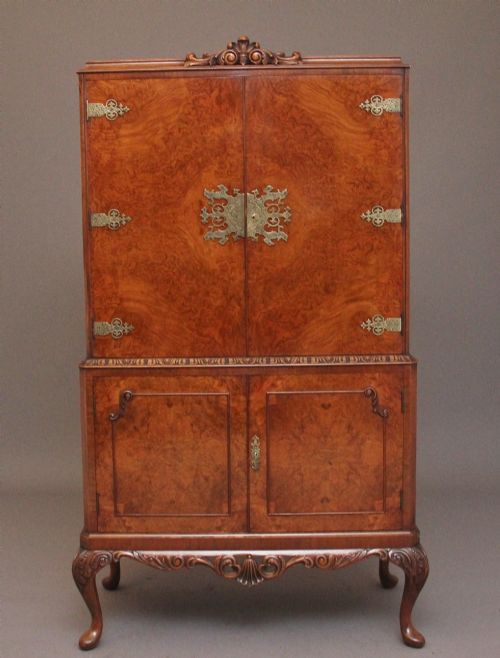
Cabinet makers relied heavily on domestic and imported timbers, frequently employing solid oak, mahogany, and walnut, often enhanced with burr walnut or satinwood veneers, marquetry, and parquetry. Pine served extensively for painted kitchen sideboards and utility cupboards, while specialised pieces incorporated brass hardware, glass panels, marble tops, and hand-wrought iron fittings.
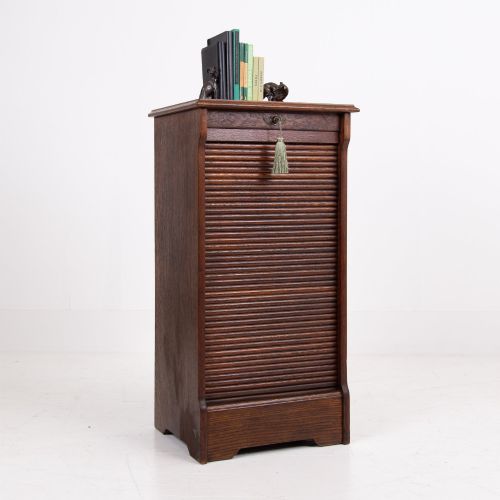
Construction methods balanced utilitarian durability with decorative surface treatments, ranging from simple panel-fronted assembly in industrial and school cupboards to intricate hand-carved detailing and hand-painted Chinoiserie lacquer. Glazed display cabinets and bookcases utilised timber framework with fitted glass doors, while specialised storage featured tambour doors and internal filing drawers.
Listings feature oak, walnut, mahogany, pine, and elm, alongside brass, glass, iron, and marble elements across various global origins.
Judging Quality
The distinction between standard utility items and exhibition pieces lies in the selection of timber figures, such as figured walnut or burr veneers, and the precision of decorative elements like marquetry inlay, hand-carved motifs, and gilding. Superior examples demonstrate rigorous joinery and higher-grade secondary woods that remain stable over decades of use.
Exhibition quality is further defined by the provenance of the maker, the integrity of original hardware such as brass handles and iron fittings, and the preservation of original surface finishes including lacquer or painted decoration.
Pietro Ferrario·Edwards & Roberts·Sandberg & Co·L. Marcus Ltd.
The Early 20th Century Cupboard Glossary
- Tambour
- A sliding door made of narrow vertical strips of wood glued to a canvas backing, allowing access to tight spaces on cabinets and desks. This mechanism appears on specialised office and home storage pieces.
- Marquetry
- The art of applying pieces of veneer to a structure to form decorative patterns and pictures. Craftsmen use various tinted woods to achieve detailed surface ornamentation.
- Breakfront
- A cabinet design where the central section projects forward from the flanking sections. This architectural arrangement creates depth and visual interest on large bookcases and sideboards.
- Linenfold
- A style of wood carving that resembles folded parchment or linen, commonly used on panels of oak cupboards and hall furniture. It gained popularity during revival periods referencing medieval and Tudor design.
- Parquetry
- A geometric mosaic of wood pieces used for decorative floors and cabinet surfaces. It relies on precise cutting of contrasting timbers to form repeating patterns.
Early 20th Century Cupboard: Frequently Asked Questions
What defines an early 20th century cupboard?
These pieces comprise storage furniture built between 1900 and the 1930s, spanning utilitarian oak school cupboards to decorative walnut display cabinets and painted sideboards.
They reflect a period of diverse revival styles and international influences, utilising solid hardwoods and veneers combined with traditional joinery.
Where were these cupboards originally used?
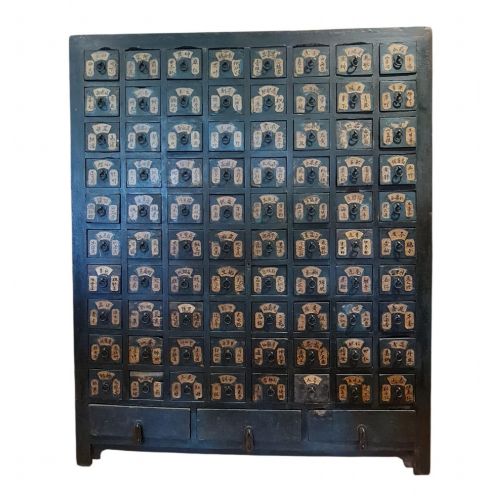
Originating from domestic, institutional, and commercial settings, these items served varied roles from bedroom bedside storage to school libraries and farmhouse kitchens. Specialised forms included hall cupboards for outerwear, apothecary chests with numerous small drawers, and corner cabinets designed to maximise room space.
Many reflected regional British, French, Swedish, or Asian domestic traditions.
How do I care for antique wood furniture?
Maintain stable indoor humidity levels and keep wooden surfaces away from direct heat sources and strong sunlight to prevent timber splitting or veneer lifting. Regular dusting with a soft, dry cloth preserves the finish.
Avoid silicone-based polishes in favour of traditional waxes to nourish the wood grain safely.