

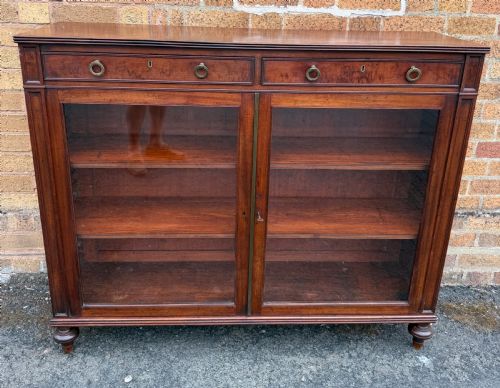
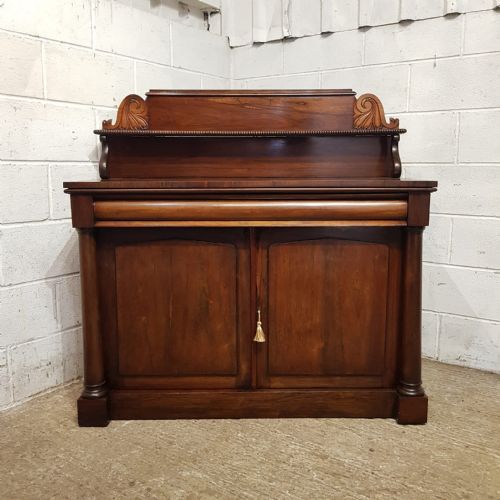
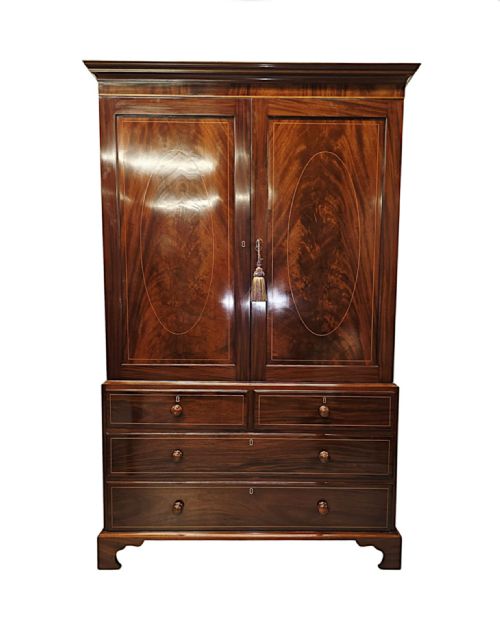
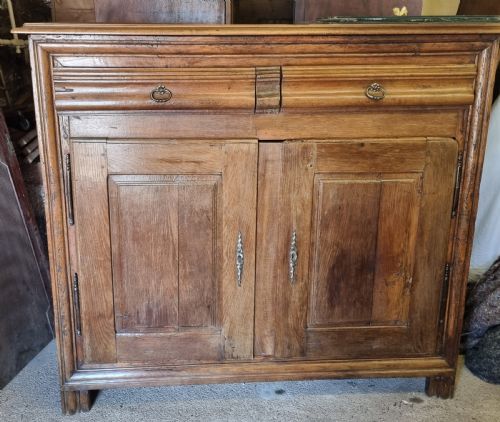

Early 19th Century Cupboard
An early 19th century cupboard brings practical storage and regional character into a room through honest timber work and traditional proportions.
Form and origin
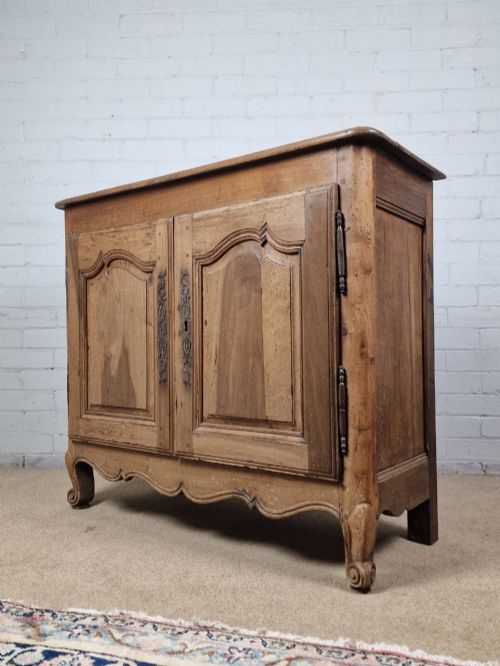
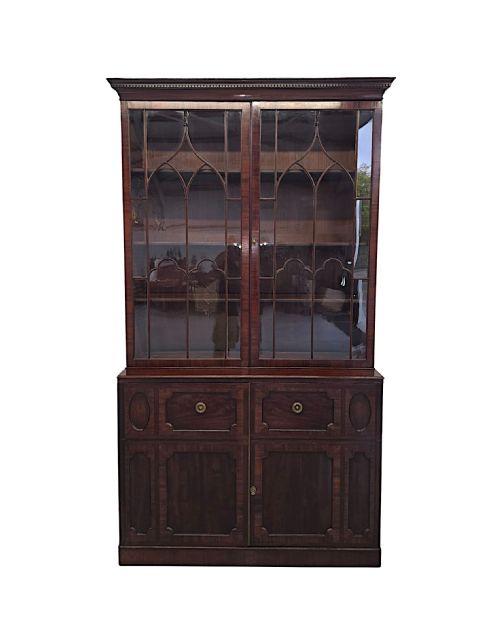
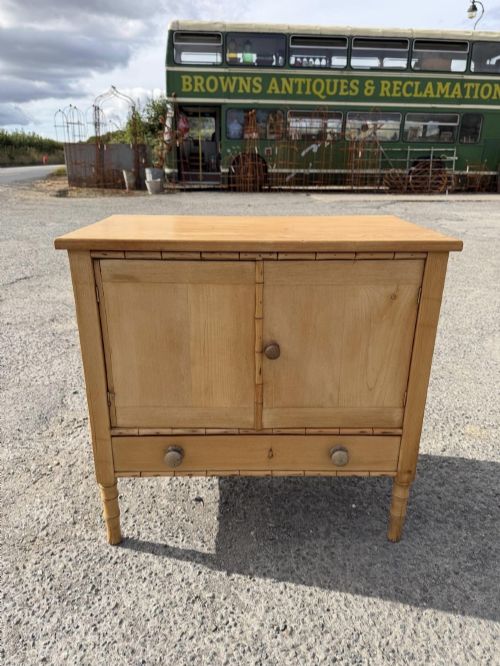
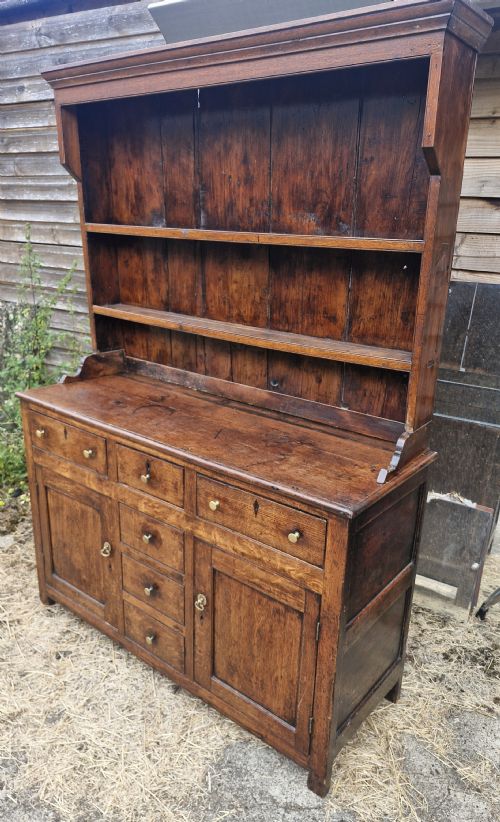
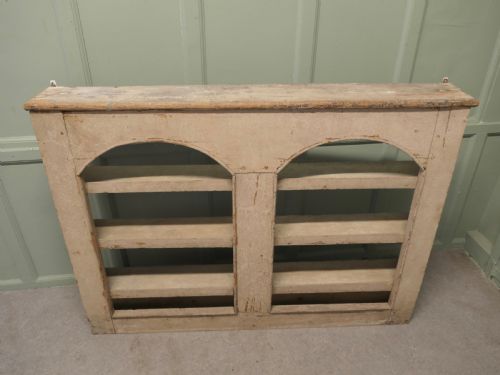
An early 19th century cupboard encompasses utilitarian storage pieces designed for domestic service, food preservation, and linen organisation across British, European, and colonial workshops. Buyers encounter regional forms such as Welsh bread and cheese cupboards, housekeeper larders, corner units, and compact bedside cabinets.
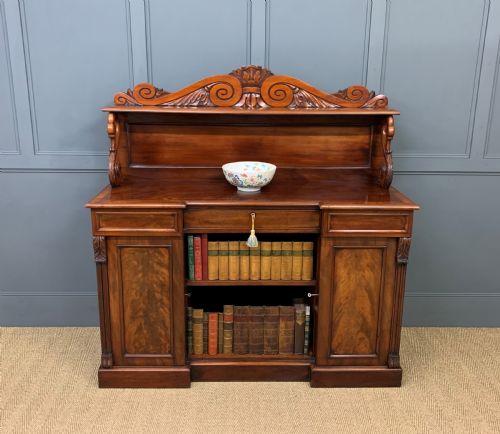
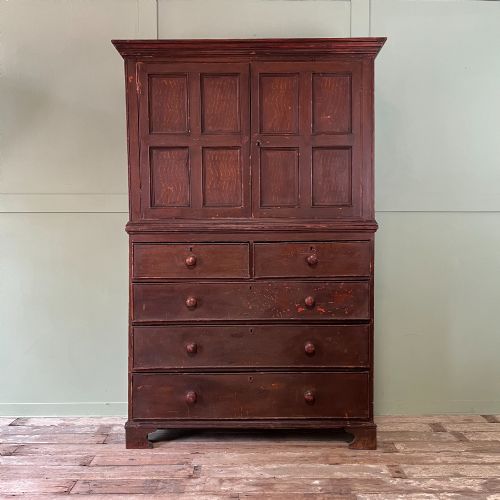
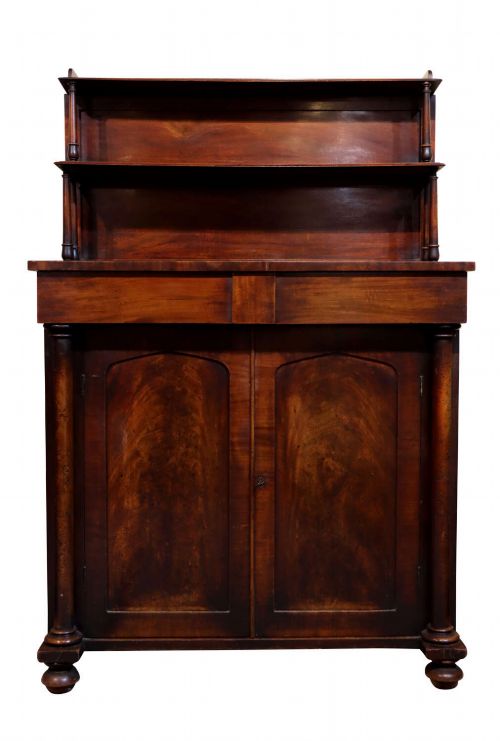
Pine and oak form the backbone of these functional domestic items, frequently finished in original paint, distemper, or plain waxed surfaces. Mahogany versions introduce finer grain patterns for formal settings, while Scandinavian and French provincial examples display distinct regional carving and decorative painting.
Materials and construction
Cabinet makers built these pieces using solid timbers such as oak, pine, and mahogany, supplemented by structural iron hinges, brass fittings, and painted finishes. Regional workshops relied on pegged joints, panelled doors, and heavy timber boards to withstand daily household use.
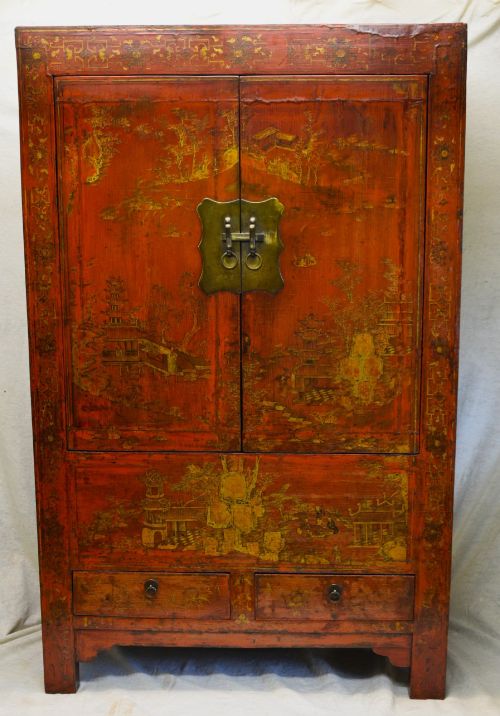
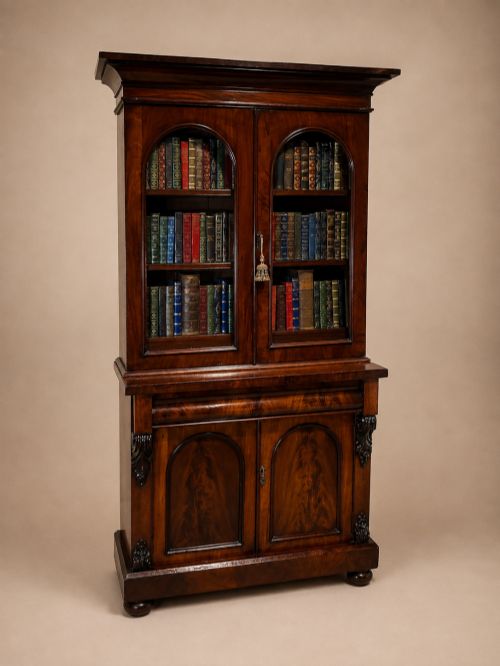
Surfaces received various treatments ranging from simple wax polish to layers of distemper paint, hand painting, or faux bamboo detailing. Specialised forms incorporate glazed panels, carved crests, and internal shelving tailored to food storage or linen stacking.
Retail Price Guide 2026
Typical UK retail prices for early 19th century cupboard, calculated from the Sellingantiques database of over a million retail prices indexed since 2003. This retail price guide relies exclusively on Sellingantiques data; no external sources or auction records are used, so the figures do not describe the wider market.
Periods represented span Georgian, Regency, and wider nineteenth-century vernacular traditions across British and European workshops.
Craftsmanship and preservation
Quality rests in the survival of original surface treatments, such as early distemper paint or untouched patinated wood, alongside the integrity of structural joints and original brass or iron hardware. Pieces retaining their fitted internal shelves, backboards, and authentic regional proportions command greater interest.
The distinction between utilitarian estate furniture and finer cabinet-made pieces lies in the selection of timbers, such as figured mahogany or well-chosen quarter-sawn oak, and the restraint or skill of decorative carving and painted details.
The Early 19th Century Cupboard Glossary
- Distemper paint
- A water-based paint mixture utilising glue or size as a binder, commonly found on regional country furniture. It provides a matt finish that ages with a chalky patina.
- Housekeeper cupboard
- A large storage piece traditionally used for provisions, dry goods, and household linens. These often feature multiple doors and internal shelving arrangements.
- Bread and cheese cupboard
- A regional storage form, notably associated with Wales, featuring ventilated panels or pierced boards to keep food fresh. They demonstrate specific local carpentry traditions.
- Press cupboard
- A dual-purpose storage unit combining a hanging wardrobe or linen press above a set of drawers. They utilise deep cabinet proportions to accommodate folded textiles.
- Faux bamboo
- A decorative technique where timber is carved or painted to imitate the segmented stalks of bamboo. This style appears on light furniture from the Regency period.
Frequently Asked Questions
What is a housekeepers cupboard?
A housekeeper cupboard is a tall, multi-door storage unit designed to hold household linens, dry goods, and provisions in domestic service. These pieces provide substantial vertical storage capacity with deep shelving and robust panelled construction.
They reflect the domestic organisation of large country homes and estates during the Georgian and Regency periods. Their practical internal layouts make them adaptable for modern clothing or pantry storage.
How do I identify regional oak cupboards?
Regional oak cupboards display distinct construction traits and timber selections tied to specific geographic areas such as Wales or the West Country. Cabinet makers utilised locally available trees, resulting in varied grain patterns and characteristic panel assembly methods.
Details like carved friezes, specific hinge types, and regional ventilation panels help separate Welsh vernacular pieces from English country equivalents. Examining the backboards and interior timber yields clues about the workshop origin.
What are corner cupboards used for?
Corner cupboards utilise awkward room angles to provide display and storage space without occupying central floor area. Hanging versions mount directly to walls, while standing variants fit snugly into room junctions.
Historically, these held glassware, ceramics, or household stores within domestic parlours and dining rooms. Their triangular profiles allow them to integrate easily into smaller modern interiors.
Why do some cupboards have painted finishes?
Painted finishes on early 19th century cupboards often protected cheaper secondary woods like pine or served as decorative regional traditions in Scandinavia and rural Europe. Distemper, milk paint, and hand-applied pigments gave utilitarian pieces a clean surface and decorative character.
Original paint layers surviving in good condition indicate minimal aggressive restoration over time. These surfaces provide insight into historical interior decoration schemes outside of polished hardwood furniture.