
Early 19th Century Artwork
Early 19th century artwork brings together oil paintings, watercolours, and silhouettes that capture the character and landscape of the period.
Early 19th Century Artwork
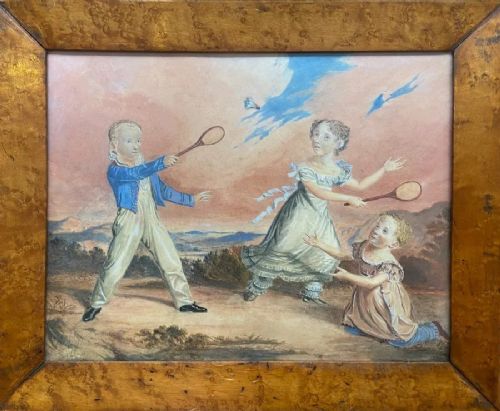
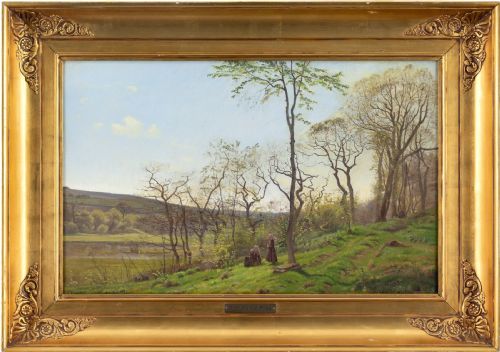
When you search for early 19th century artwork, you encounter a varied selection of creative output spanning Georgian, Regency, and Victorian periods. The offerings here range from oil on canvas landscapes and portraits to intricate paper silhouettes and delicate watercolours.
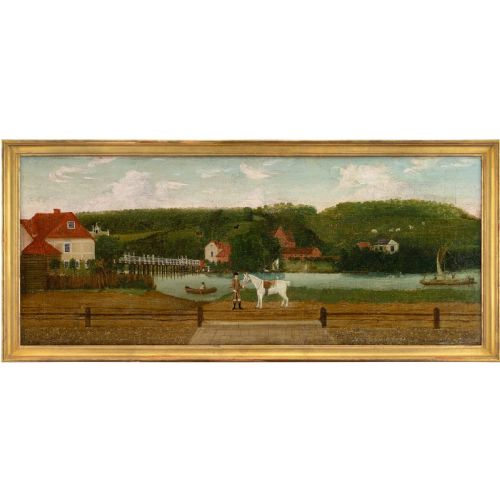
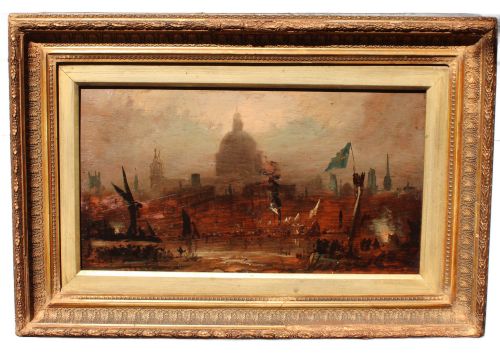
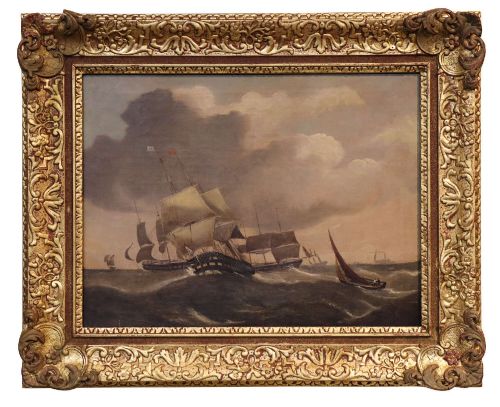
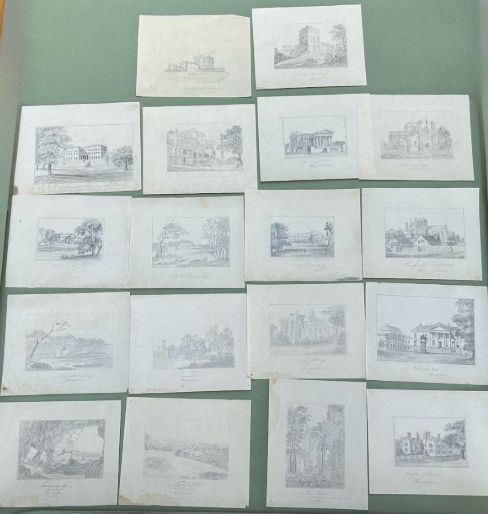
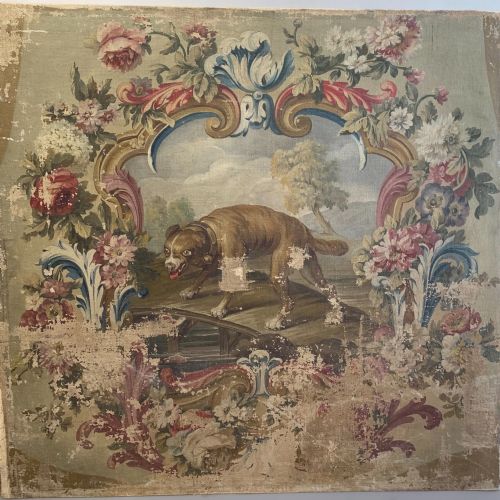
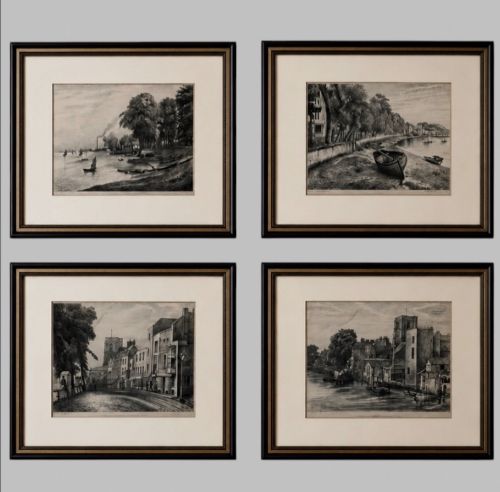
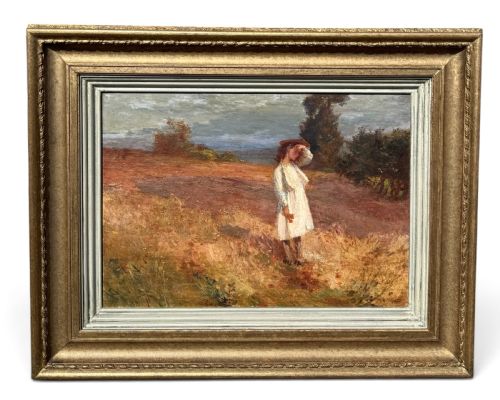
Oil paintings dominate the selection, often depicting maritime scenes, portraits, and rural views framed in wood or giltwood. Alongside these, works on paper such as pencil drawings and lithographs show the varied graphic output of the era.
Materials and Techniques
Makers utilised canvas, paper, and glass as surfaces, applying oil paints, watercolours, gouache, and pencil to create their imagery. Gilt wood frames provide the structural border for many canvas and paper pieces.
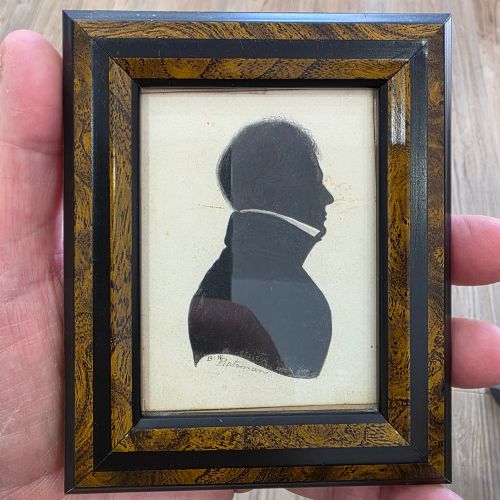
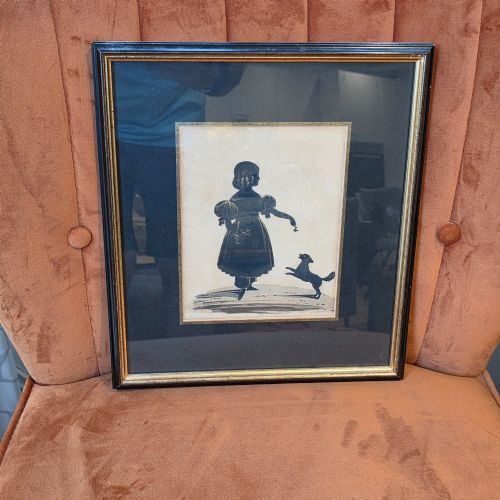
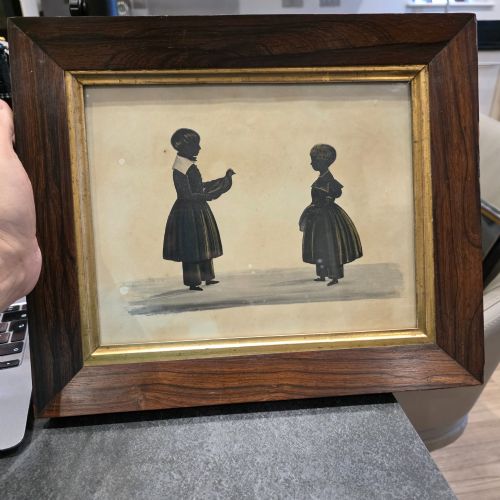
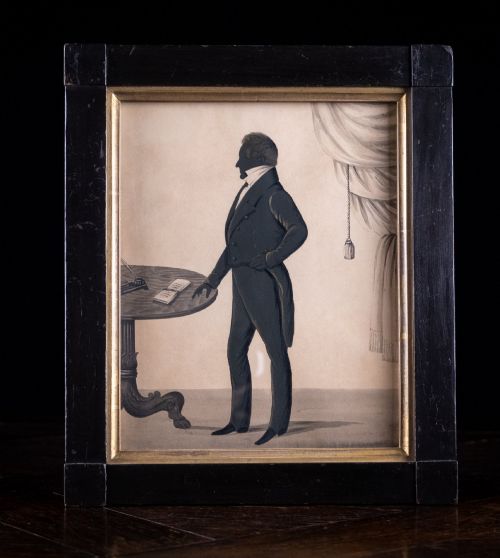
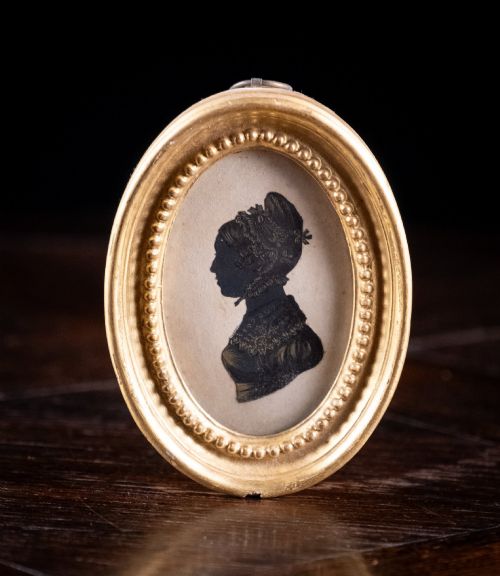
Silhouette artists employed cut paper and watercolour techniques, sometimes adding gilded highlights to enhance the profile portraits. Reverse painting on mirror-glass demonstrates specialised craftsmanship applied to imported materials.
Early 19th Century Artwork Retail Price Guide 2026
Typical asking prices for early 19th century artwork among the pieces listed under this phrase on Sellingantiques today, from the lower quarter to the upper quarter. They describe what is for sale here now, not the wider market.
Materials recorded include gilt wood, glass, canvas, and paper across various European schools.
Craftsmanship and Execution
The degree of refinement in brushwork and compositional balance distinguishes individual pieces. Skilled handling of light in oil paintings creates depth in landscapes and portraits, whereas simpler execution appears in naive or primitive examples.
The preservation of original materials, including glass, canvas, and giltwood frames, influences the overall integrity of the piece. Detail in silhouette cutting and the clarity of watercolour washes further separate standard works from finer examples.
William James Hubard·J C Burgess·Umberto Volpato·Herbert Royle·Paul Lelong
The Early 19th Century Artwork Glossary
- Giltwood
- Wood carved and coated with gold leaf or a gold-coloured finish. This material is frequently used for framing paintings from the period.
- Silhouette
- A portrait profile cut from black paper or painted on a light background. These pieces often depict individuals with notable precision.
- Lithograph
- A print made from a flat stone or metal plate based on a greasy drawing. This technique allowed for the reproduction of images such as London street scenes.
- Needlework sampler
- A piece of embroidery showcasing various stitches and patterns. These textiles served to demonstrate sewing proficiency.
Early 19th Century Artwork: Frequently Asked Questions
What subjects appear in early 19th century paintings?
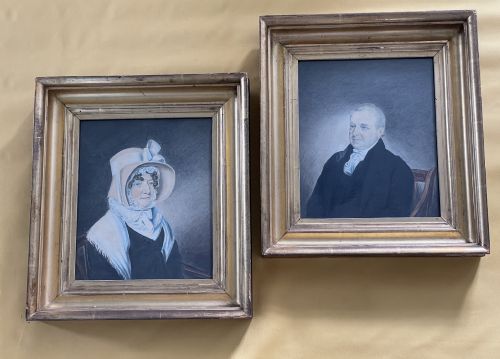
Artists of this era frequently painted portraits of gentlemen, ladies, and children, alongside domestic scenes and rural landscapes. Coastal views and marine shipping also form a significant part of the visual record.
Religious subjects and historical or literary themes also emerge, reflecting the varied tastes of patrons during the Georgian and Victorian eras.
How do you identify a silhouette from this period?
Silhouettes typically feature black paper profiles mounted on card, or figures painted directly onto glass or card. Many incorporate delicate ink or watercolour details and bear signature marks or period framing.
Subjects generally show head-and-shoulders profiles, though full-length standing figures and family groups also occur within the medium.
What media were used besides oil paint?
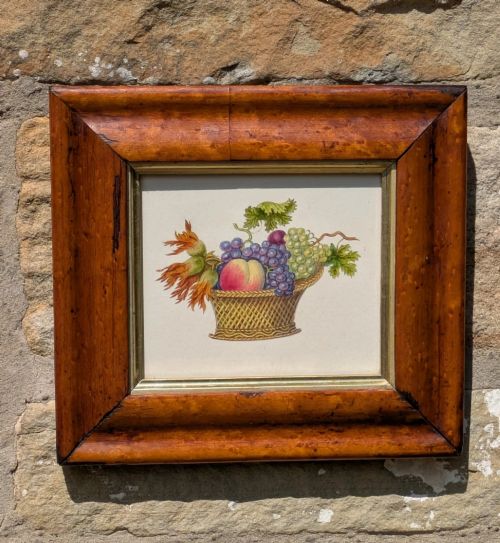
Watercolour on paper was widely employed for both portraiture and botanical or landscape studies. Artists also utilised gouache, pencil, and lithography to produce finished works.
Specialist decorative pieces incorporate reverse painting on glass, tinsel, and decoupage, showcasing the diverse craft techniques practiced at the time.
How are these artworks framed?
Many paintings are housed in period wooden frames, often finished with giltwood or gesso enrichment. These surrounds help protect the edges of the canvas or panel.
Works on paper and silhouettes frequently feature glazed wooden frames that preserve the fragile paper or delicate cutouts from dust and handling.