

Dutch Style Oil Artwork
Dutch style oil artwork brings the shadow and rich flora of the northern tradition directly into a room.
Dutch Style Oil Artwork
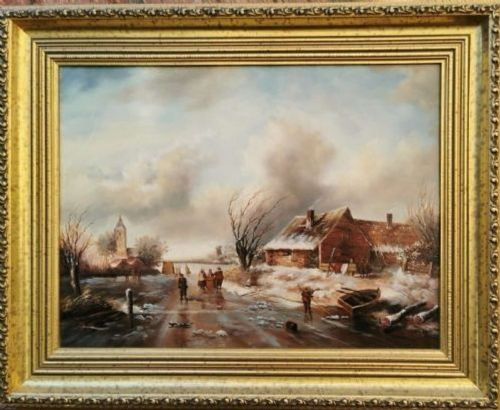
When searching for dutch style oil artwork, collectors encounter floral still lifes, tavern interiors, winter landscapes, and formal portraiture spanning several centuries.
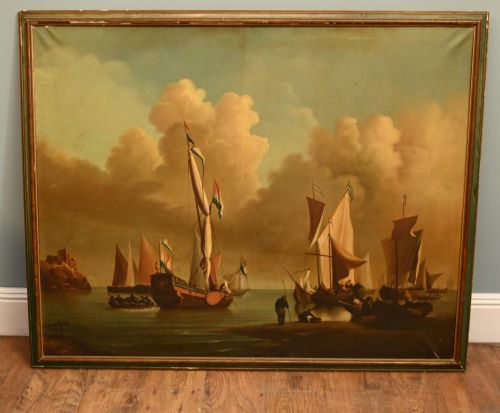
The pieces on this page range from original seventeenth-century works to later revivals executed during the nineteenth and twentieth centuries.
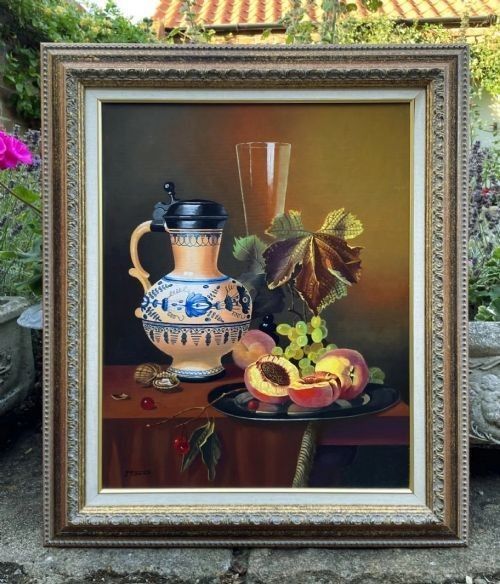
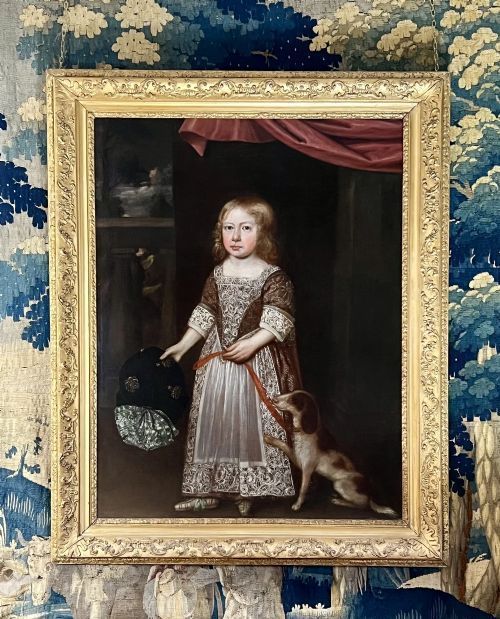
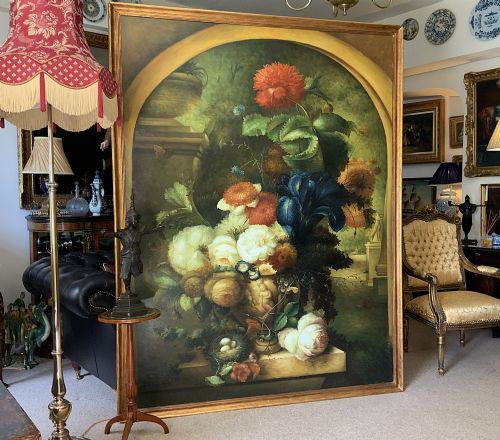
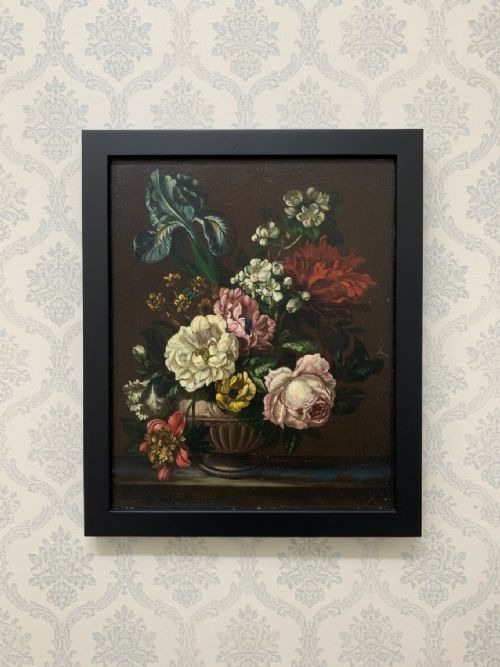
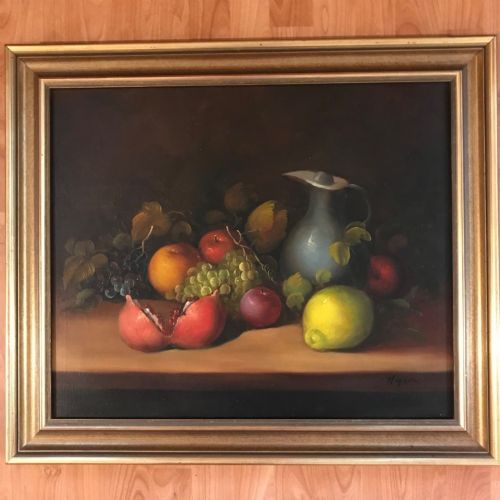
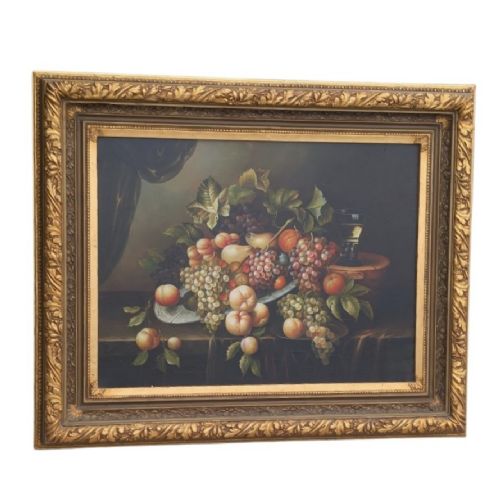
Still life arrangements and dark atmospheric portraits dominate the selection, often echoing the palette and composition of the Dutch Golden Age.
How they were made
Artists painted primarily with oil paint on stretched canvas or prepared wood panels, building deep tones through layered glazes.
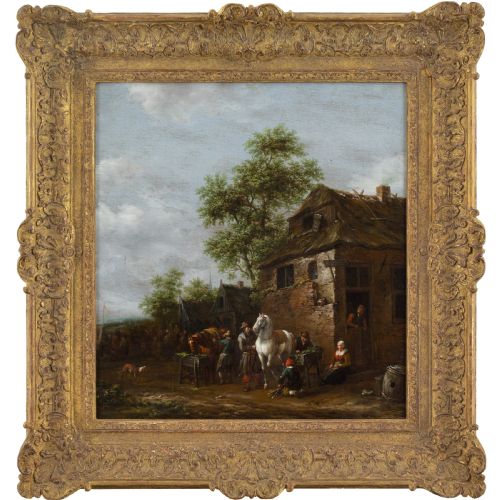
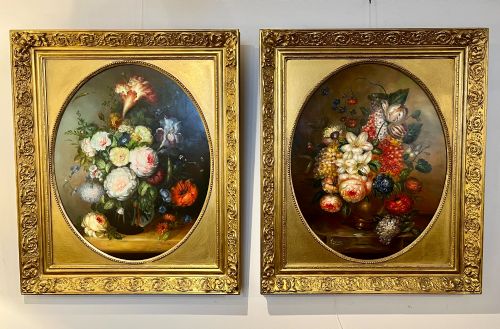
Many works incorporate ornate gilt and giltwood frames that complement the classical subject matter and dark backgrounds.
Gold leaf accents occasionally appear within decorative frames or specific compositional highlights.
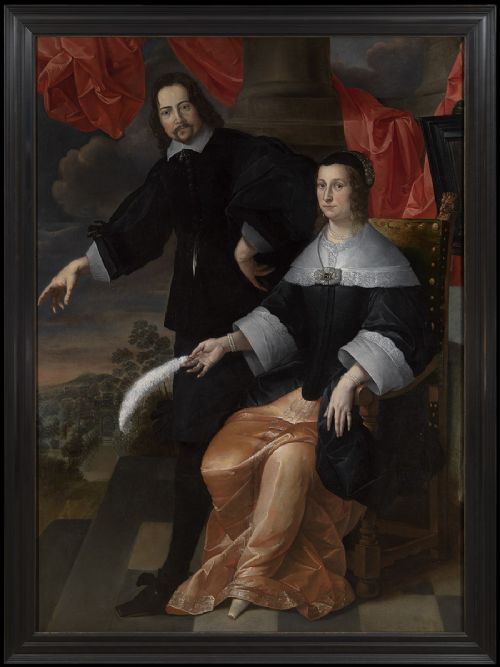
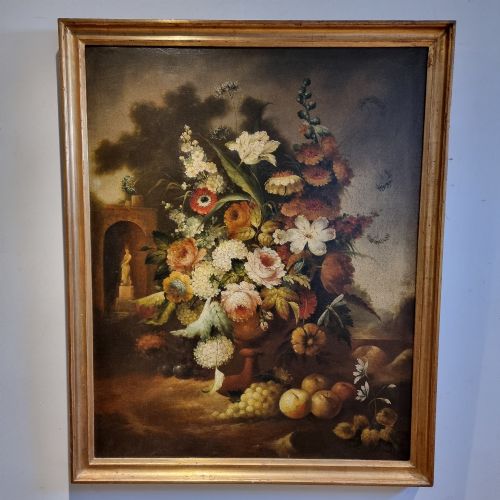
Subjects range from winter scenes and tavern interiors to grand floral still lifes and intimate double portraits.
What varies in quality
Quality rests upon the handling of light and shadow, where finer examples achieve a luminous depth that weaker copies miss.
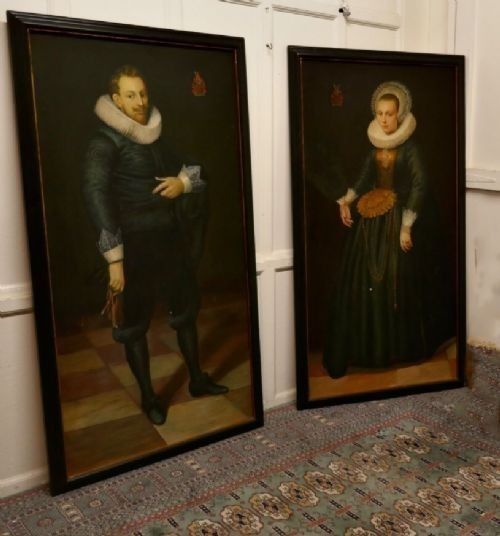
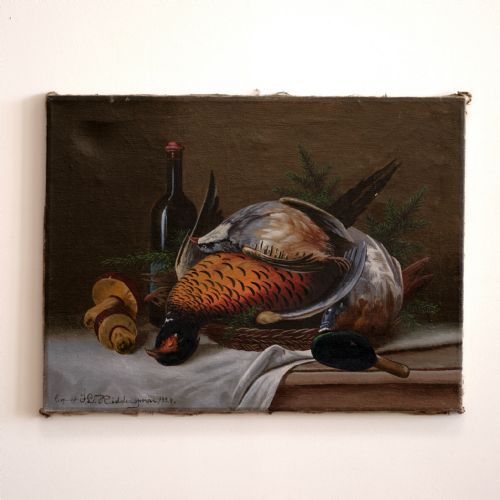
The precision in rendering textures, such as the weave of a ruff collar, the petals of tulips, or the plumage of exotic birds, separates ordinary pieces from superior ones.
The structural integrity of the wood panel or canvas, alongside the preservation of the original paint surface, dictates the overall integrity of the work.
W Klombeck·Bartholomeus van der Helst·David Teniers·Pieter Borseler·Godfried Schalcken·Nicolaes Maes·Simon Pietersz Verelst·Rembrandt van Rijn·Joachim Bueckelaer·James de Rijk·Quirijn Van Brekelenkamp
The Dutch Style Oil Artwork Glossary
- Panel
- A flat piece of wood used as a rigid support for painting instead of canvas. Artists during the seventeenth century frequently utilised oak boards for their stability.
- Still life
- An artwork depicting inanimate subject matter, typically commonplace objects such as flowers, fruit, or game. These compositions allowed painters to demonstrate immense technical skill in rendering light and texture.
- Giltwood
- Wood carved and covered with a thin layer of gold leaf or gold paint. Frames of this material are commonly found paired with old master and revival paintings.
- Glaze
- A thin, transparent layer of paint applied over a denser underlayer to alter the colour and luminosity. This technique creates the deep, glowing shadows characteristic of the period.
- Ruff
- A prominent pleated starched collar worn by nobility during the late sixteenth and seventeenth centuries. Their intricate details feature heavily in formal portraiture of the era.
Dutch Style Oil Artwork: Frequently Asked Questions
How do I identify a true seventeenth-century work?
Authenticating a seventeenth-century piece involves examining the preparation of the wood panel or canvas, the ageing of the oil paint, and the pigments used.
Expert analysis under magnification helps reveal period-appropriate craquelure and studio hand methods.
What is a floral still life?
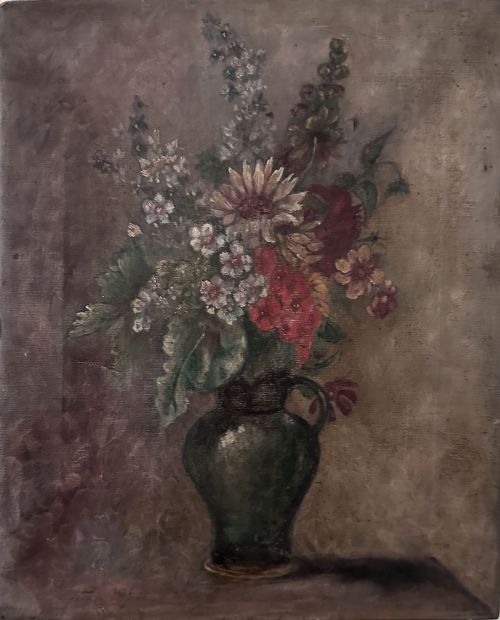
A floral still life is a detailed painting showcasing arrangements of flowers, often including tulips, roses, and spring blossoms.
These compositions frequently symbolise the passage of time through the inclusion of wilting petals or visiting insects.
Where should I hang a dark portrait?
Dark portraits suit rooms with controlled lighting, such as a study or a dining room, where directional spotlights can catch the highlights on a face or collar.
Pairing them with neutral walls allows the deep shadows and rich varnish to command the space.
Are later revival pieces valuable?
Nineteenth and twentieth-century interpretations hold significant decorative and artistic merit in their own right, reflecting enduring admiration for earlier techniques.
Skilled execution by named artists or reputable schools often commands strong interest among collectors.