


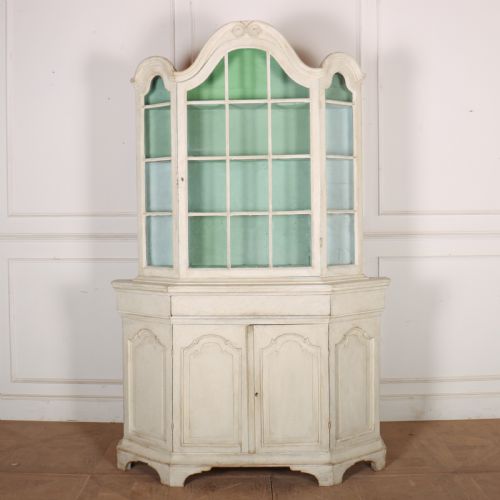


Dutch Rococo Cabinet
A dutch rococo cabinet brings sweeping bombé contours and intricate floral marquetry to a room, offering both grand display and practical storage.

Dutch Rococo Cabinet
A dutch rococo cabinet represents a distinctive form of continental furniture characterised by swelling bombé fronts and rich decorative surfaces. When you search for a dutch rococo cabinet, you will encounter varying interpretations spanning display cabinets, bureau bookcases, and vitrines.
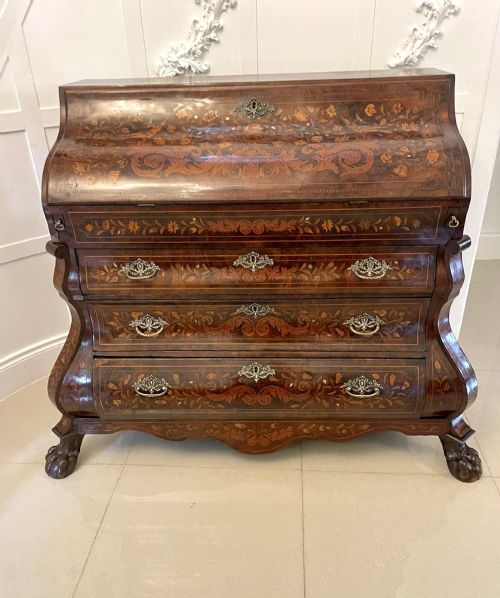
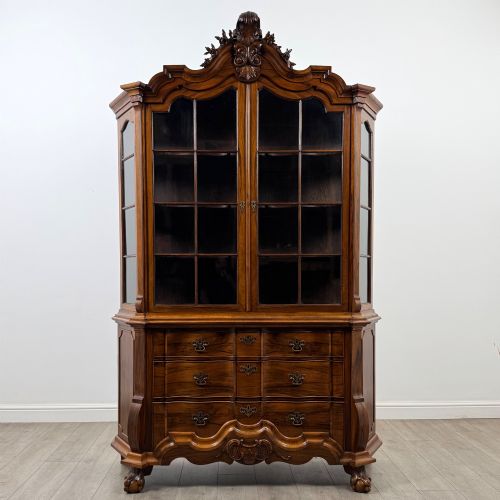
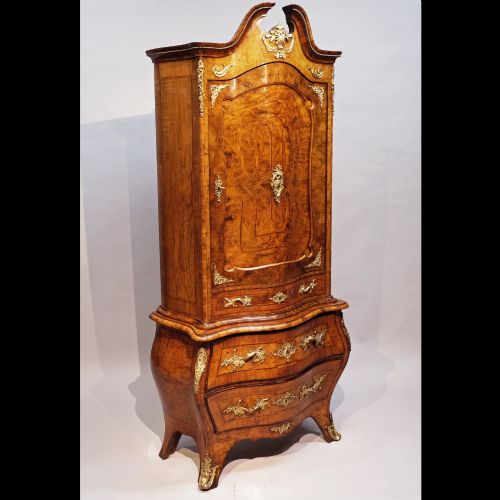
The pieces appearing on this page range from authentic eighteenth-century examples to later nineteenth-century revivals and twentieth-century interpretations. Walnut and burr walnut dominate the selection, often enriched with detailed floral marquetry inlay in contrasting timbers.
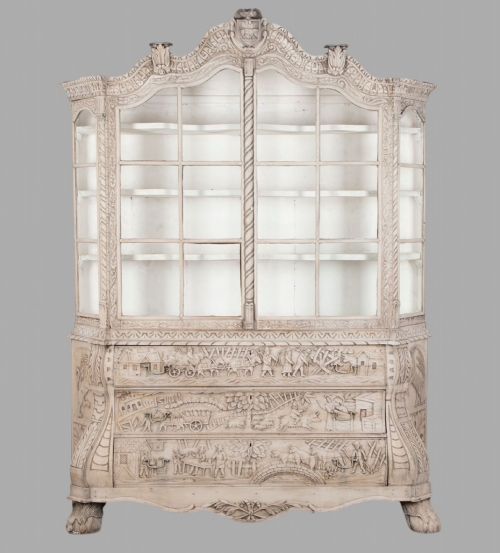
Tall bureau bookcases and glazed display cabinets form the majority of the larger case pieces, alongside smaller commodes and cupboards. Many incorporate glass panels for the exhibition of porcelain or books above lower drawer units.
How they were made
Cabinetmakers constructed the main carcass of these pieces using sturdy foundational woods like oak, onto which fine veneers of walnut, burr walnut, or fruitwood were applied. The distinctive bombé curvature required precise shaping of the timber frames to achieve the characteristic swelling silhouette.
Marquetry decoration was executed by hand-cutting delicate floral motifs from various tinted woods and setting them meticulously into the walnut background. Brass hardware, including drop handles and escutcheons, was fitted to complete the drawers and doors.
Dutch Rococo Cabinet Retail Price Guide 2026
Typical asking prices for dutch rococo cabinet among the pieces listed under this phrase on Sellingantiques today, from the lower quarter to the upper quarter. They describe what is for sale here now, not the wider market.
What varies in quality
The standard of a dutch rococo cabinet depends largely on the complexity and preservation of its marquetry work. Finer examples display intricate, multi-toned floral inlays across the entire facade, including the curved sides of the bombé base.
The choice of timber creates a marked difference in visual depth, with highly figured burr walnut commanding greater presence than plain painted wood or standard walnut surfaces. Structural harmony in the sweeping lines of the legs and cornice also distinguishes superior cabinetmaking.
The Dutch Rococo Cabinet Glossary
- Bombé
- A swelling, outwardly rounded form characteristic of rococo case furniture. This undulating shape requires skilled carpentry to taper gracefully from top to bottom.
- Marquetry
- The art of applying small pieces of veneer to a structure to form decorative patterns. Floral designs are especially prevalent in continental pieces.
- Vitrine
- A glass-fronted cabinet designed for the display of valuables or curiosities. These pieces often feature glazed doors set above a lower drawer section.
- Burr walnut
- Timber taken from a walnut tree growth containing intricate swirling grain patterns. It provides a highly decorative surface for high-status cabinet doors and drawer fronts.
- Bureau bookcase
- A combination of a sloping desk compartment for writing and an upper shelving section enclosed by doors. These large storage items often incorporate fitted interior pigeonholes.
Dutch Rococo Cabinet: Frequently Asked Questions
Where were these cabinets made?
These case pieces originate primarily from the Netherlands, reflecting the distinct stylistic developments of eighteenth-century continental Europe and later revival periods.
Craftsmen in various Dutch workshops produced these items for domestic use and export, employing local timber traditions alongside imported exotic woods.
How do I care for burr walnut?
Burr walnut surfaces require protection from direct sunlight and excessive humidity to prevent the fine veneers from drying out or splitting.
Regular dusting with a soft, dry cloth maintains the finish without the need for heavy modern polishes or chemical treatments.
What is a bureau bookcase used for?
A bureau bookcase combines a functional writing desk with upper display shelving for books or decorative objects. The fold-down flap reveals a fitted interior with small drawers and compartments.
Lower drawers provide concealed storage for household linens or papers, making the form highly versatile for living spaces.
Are these pieces eighteenth century?
The selection includes authentic eighteenth-century examples alongside nineteenth-century revivals and twentieth-century interpretations. Dating relies on construction methods, timber choice, and stylistic details.
Later revival pieces from the Victorian and Edwardian eras often emulate the earlier rococo proportions and marquetry techniques.